
How To Make Juicing A Budget-Friendly Habit starts with simple planning, smart ingredient choices, and avoiding unnecessary equipment or waste. With the right approach, juicing can support health goals without becoming an expensive routine.
How To Make Juicing A Budget-Friendly Habit
You can enjoy fresh, nutrient-rich juices regularly while keeping your grocery bill under control. This guide walks you through practical strategies, cost comparisons, shopping tips, recipes, equipment choices, and storage ideas so you can build an affordable juicing habit that fits your routine.
Why juicing can feel expensive — and how to change that
Juicing often seems costly because you’re using a lot of produce to make relatively small volumes of juice. When you understand how to choose ingredients, buy smart, and reduce waste, juicing becomes not only affordable but sustainable too. The right habits will stretch every dollar and every carrot.
Planning and budgeting: start with a simple system
You’ll get the biggest savings by planning. A short shopping list, a weekly plan, and a realistic juice schedule will stop impulse buys and food waste.
Set a realistic juicing frequency and portion size
Decide how many days per week you’ll juice and how much juice you need per day. If you aim for a 250–350 ml glass per day, you’ll need much less produce than if you plan several large glasses. Start small — one glass in the morning is a great habit that’s easy to maintain.
Create a weekly shopping and prep schedule
Plan one shopping trip for fresh produce, a midweek quick top-up if needed, and a one-hour prep session to wash, chop, and store ingredients. Your prep session reduces daily time costs and helps you avoid spoiled produce.
Smart shopping: where to buy and what to buy
Knowing where to buy and which items give the best value is the fastest route to savings.
Best places to buy produce on a budget
- Supermarkets (watch sale cycles and loyalty deals)
- Farmer’s markets (especially near closing time when sellers discount)
- Community Supported Agriculture (CSA) boxes (good for seasonal bulk)
- Wholesale clubs (bulk carrots, apples, and greens)
- Discount produce sections and “imperfect” produce apps
- Local co-ops and buying groups
Buying bulk and seasonal items will lower your per-serving cost significantly.
Choose low-cost, high-yield ingredients
Some fruits and vegetables give more juice per dollar. Favor these staples:
- Carrots: sweet, inexpensive, and high-yield
- Apples: add sweetness and juice volume
- Cucumbers: watery and low-cost, great as a base
- Beets: nutrient-dense and relatively cheap
- Oranges and citrus in season: high yield, naturally sweet
- Celery: watery and cheap when bought in bunches
- Cabbage and kale: dense nutrients — blend or juice with sweeter items
- Ginger and lemons: small amounts go a long way for flavor
Combining these staples with occasional pricier items (berries, pomegranate) keeps costs low and flavor interesting.
Seasonal buying and price timing
Buying in-season produce reduces cost and increases flavor. You’ll save the most when you plan recipes around seasonal availability.
Seasonal produce table
| Season | Budget-friendly juicing picks |
|---|---|
| Spring | Carrots, spinach, apples (late), rhubarb (limited), citrus |
| Summer | Cucumbers, watery melons (blend), zucchini, peaches, herbs |
| Fall | Apples, beets, carrots, pears, cabbage |
| Winter | Citrus (oranges, grapefruit), carrots, beets, hardy greens |
Use this as a guide to prioritize what you buy fresh and what you can substitute with frozen or store longer.
Compare juicer options for cost-effectiveness
Your choice of juicer affects both initial cost and long-term yields (and thus cost per ounce of juice). Here’s a straightforward comparison.
Juicer comparison table
| Type | Typical price range (USD) | Yield | Speed | Easy to clean? | Best for |
|---|---|---|---|---|---|
| Manual (citrus press etc.) | $15–$60 | Low to medium | Slow | Very easy | Citrus, small budget |
| Centrifugal | $50–$150 | Medium | Fast | Moderate | Convenience, fruits & hard veg |
| Masticating (slow) | $150–$500+ | High | Slow | Moderate to hard | Greens, wheatgrass, higher yield |
| Twin-gear (triturating) | $300–$1000+ | Very high | Very slow | Hard | Maximum yield, heavy juicers |
If budget is key, a mid-range centrifugal or a manual citrus press for citrus-focused juicing is the most economical start. If you juice lots of leafy greens, investing in a masticating juicer can save money in the long run by extracting more juice from cheaper greens.
Buying used equipment and protecting your investment
You don’t have to pay full price for a good juicer. Look for refurbished models, check local resale apps, and visit thrift stores. When you buy used, prioritize brand reputation and inspect parts (filters, seals). Keeping your juicer clean and maintained will extend its life and lower your long-term cost.
Maintenance tips that save money
- Clean immediately after each use to prevent clogging.
- Replace worn seals and filters before they cause damage.
- Use the right attachments for different produce to avoid strain.
- Follow manufacturer instructions for warranty and longevity.
Stretching juice and increasing yield
You’ll lower cost per serving by increasing juice yield and stretching recipes without losing satisfaction.
Simple yield-boosting tactics
- Mix in high-water, low-cost produce like cucumbers, celery, or iceberg lettuce to increase volume.
- Use apples or citrus to naturally sweeten vegetable-heavy juices.
- Alternate masticating and centrifugal juicers if you have access to both: masticating for greens and centrifugal for hard fruits to balance time and yield.
- Re-juice pulp (where appropriate) using a hand-press or bag to extract remaining liquid.
- Combine juices with chilled water or sparkling water as a refreshing, low-cost extender.
Be mindful that diluting juice will reduce nutrient density per glass, but if your goal is hydration and flavor with some nutritional benefit, these tactics work well.
Using pulp: turn waste into value
Pulp is a goldmine when you consider recipes and uses beyond compost. Using pulp reduces waste and increases the value you get from purchased produce.
Ways to use leftover pulp
- Add to soups and stocks for extra fiber and flavor.
- Mix into baked goods (muffins, breads, crackers).
- Fold into veggie burgers or meatballs.
- Stir into oatmeal or yogurt for texture.
- Dehydrate into chips or crackers.
- Feed it to animals or use as nutrient-rich compost.
Reusing pulp helps you get closer to a “zero waste” juicing system and lowers the true cost per usable portion.
Recipes that are budget-conscious and delicious
Here are simple, low-cost juice combos you can make frequently. Quantities are flexible; adjust to taste and yield.
Everyday carrot-apple juice
- Carrots (4–6 medium), apples (2 medium), a small knob of ginger (optional). This mix balances sweetness and nutrition and uses inexpensive produce.
Green base juice
- Cucumbers (2 medium), celery (3 stalks), apple (1), lemon (half), handful of spinach or kale. High-volume, hydrating, and great for stretching more expensive leafy greens.
Beet-apple refresher
- Beet (1 medium), carrots (3), apple (1), orange (1). Beets add color and density; pair them with apples and citrus for sweetness.
Citrus morning
- Oranges (3), grapefruit (1), lemon (half), small carrot for color. Citrus yields a lot and brightens up other juicing blends.
Budget ginger kick
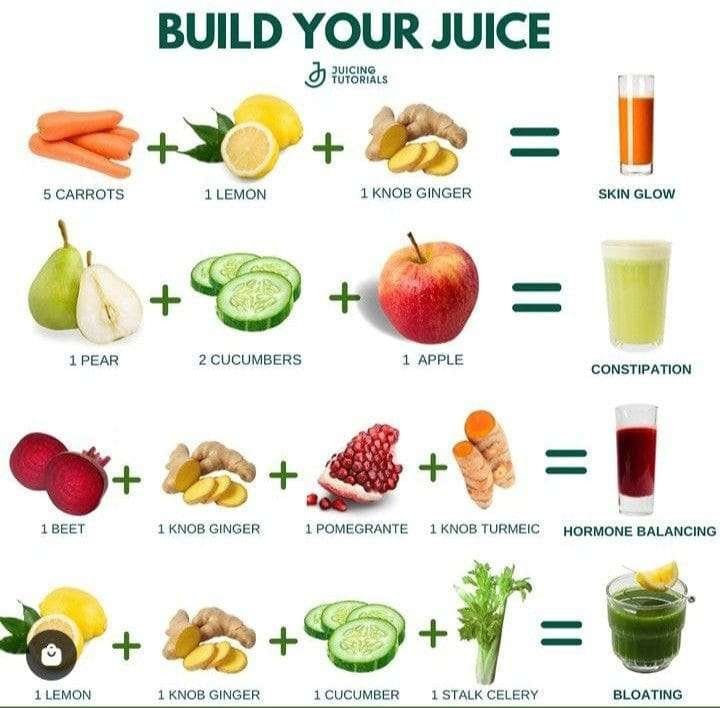
- Carrot (3), apple (1), ginger (small knob), cucumber (1). Ginger is powerful so a little goes far for flavor and perceived value.
Sample weekly shopping list and budget
This example assumes you’ll make one 300 ml juice per day for a week.
Sample budget table (weekly, approximate)
| Item | Qty | Est. cost (USD) |
|---|---|---|
| Carrots | 5 lb | $4.00 |
| Apples | 6 | $3.00 |
| Cucumbers | 6 | $4.50 |
| Celery | 2 bunches | $3.00 |
| Oranges | 6 | $4.00 |
| Beets | 2 lb | $3.00 |
| Spinach/Kale | 1–2 bunches | $3.50 |
| Ginger & lemon | small | $2.00 |
| Total | — | $27.00 |
If this makes 7–10 liters of juice over the week (depends on dilution and yield), your cost per 300 ml serving is roughly $0.80–$1.50 — significantly cheaper than bottled cold-pressed juice.
Prep and storage: save time and money
Proper prep and storage reduce spoilage, letting you buy in bulk without wasting food.
Prepping tips to reduce waste
- Wash and dry produce immediately; store in airtight containers or produce bags.
- Chop and portion ingredients for the week so you can juice quickly each morning.
- For long-lasting storage, vacuum seal and refrigerate or freeze chopped produce you won’t use within a few days.
How long your juice lasts and storage best practices
Fresh juice tastes best immediately, but you can store it to gain convenience.
| Storage method | Time | Tips |
|---|---|---|
| Refrigerator, airtight glass | 24–48 hours | Fill jar to the top to limit oxidation; keep cold |
| Freezer (in ice cube trays or jars) | 3–6 months | Thaw in fridge; texture changes but nutrients generally hold |
| With added lemon or vitamin C | 24–48 hours | Acid can slow browning slightly |
If you plan to store frequently, consider freezing in portion sizes to pull out a single serving when needed.
Cleaning efficiently to save time and effort
Cleaning is the chore many avoid, and skipping leads to breakdowns and extra expense. A quick routine protects your investment.
Quick cleaning routine
- Rinse immediately to prevent residue from drying.
- Use a soft brush for filters and mesh.
- Soak stubborn pulp in warm soapy water for 10–15 minutes.
- Dry thoroughly before storage to prevent mold and odors.
Invest in a simple brush and keep cleaning supplies near the juicer to make cleanup seamless.
Nutrition considerations and waste-reduction balance
Juicing removes fiber, so balance your juicing habit with whole fruits, vegetables, or using pulp. If you’re on a strict budget, get the most nutrients by using a variety of produce and keeping portions reasonable.
Tips to keep nutrients without overspending
- Combine vegetables with a little fruit to limit sugar while getting volume.
- Keep some meals as whole-food salads or smoothies that retain fiber.
- Use the pulp in meals to preserve fiber and reduce waste.
If you have specific health concerns, talk to a healthcare provider or nutritionist before making juicing a major part of your diet.
Creative ways to cut costs further
You can push savings further with a few creative approaches.
Buy seconds and imperfect produce
Stores and apps sell “wonky” produce at steep discounts. They’re perfect for juicing since aesthetics don’t matter.
Join or start a buying group
Pooling orders with friends or neighbors can reduce costs. Share bulk purchases and even storage space for frozen produce.
Grow inexpensive staples at home
If you have any outdoor or indoor space, grow herbs, greens, or even carrots. Fresh homegrown produce is low-cost and boosts your connection to what you drink.
Trade and barter
Swap jars of juice with a neighbor who has eggs or homemade bread. Bartering builds community and stretches budgets.
Troubleshooting common cost pitfalls
Even careful juicers hit roadblocks. Here’s how to address them.
Pitfall: Produce spoiling before you juice it
Solution: Prep and store properly, or freeze portions for later.
Pitfall: Juice tastes boring
Solution: Rotate flavor builders — citrus, ginger, mint, cucumber — and use seasonal fruits for variety.
Pitfall: Juicer breaking down
Solution: Maintain regularly and replace parts early. Consider a used replacement if repair costs exceed the machine’s value.
When to invest more and when to avoid it
Sometimes spending a bit more upfront reduces costs later.
- Invest in a masticating juicer if you juice lots of greens — increased yield pays off.
- Avoid expensive cold-press machines unless you’ll use the capacity.
- Spend more on storage containers (glass jars) if you’ll store frequently.
Match your purchases to your real habits — not what you wish you’d do.
Sample 4-week beginner plan to build a habit affordably
This plan keeps costs low, teaches variety, and builds the habit without overwhelming you.
Week 1: Start with a simple carrot-apple or citrus juice every other morning. Focus on prep and quick cleanup routines.
Week 2: Add one green-based juice midweek using cucumbers and spinach. Begin saving pulp for recipes.
Week 3: Try a beet or ginger drink once per week for variety. Experiment with frozen citrus segments if fresh are pricey.
Week 4: Make a batch and freeze single servings. Assess costs and adjust buying quantities. Decide on juicing frequency for the next month.
This gradual approach prevents wasted produce and helps you find flavors you like.
Example cost breakdown of a single 300 ml juice
Let’s break down a simple Carrot-Apple-Ginger juice to show typical cost.
- Carrots (3 medium) — $0.60
- Apple (1 medium) — $0.50
- Ginger (small knob) — $0.10
- Lemon (half; optional) — $0.20 Total estimated cost: $1.40 for ~300–350 ml
If you make this daily, the weekly cost is about $9.80 — much cheaper than buying pre-made cold-pressed juice.
Safety and food handling
Fresh juice should be handled as you would any perishable food.
- Keep everything clean — clean hands, clean surfaces, and clean equipment.
- Refrigerate juice promptly and consume within recommended times.
- If juice smells off or changes color dramatically, discard it.
- Use glass containers if you’re storing, to avoid plastics that can leach.
Simple food-safety practices protect your health and your budget.
Using juicing alongside other budget strategies
Juicing can be part of a larger approach to affordable, healthy eating.
- Pair juice with inexpensive whole-food meals (beans, grains, vegetables).
- Use juice as a supplement — not a meal replacement — unless advised by a professional.
- Track savings over time to justify occasional splurges on higher-quality produce.
When balanced, juicing enhances your diet without breaking the bank.
Final checklist to make juicing budget-friendly and sustainable
- Decide your frequency and portion size.
- Buy seasonal and bulk where possible.
- Choose a juicer matched to your needs.
- Prep, store, and freeze to avoid waste.
- Reuse pulp in cooking and compost.
- Clean and maintain equipment.
- Use discount channels: farmer’s markets late in the day, “imperfect” apps, CSAs, and wholesale clubs.
- Start small and scale up as you find what you like.
If you follow these steps, you’ll find a practical, affordable rhythm that fits your life and keeps your budget intact.
Quick reference table: Top cost-saving actions
| Action | Why it saves money |
|---|---|
| Buy seasonal | Lower prices, better yield and flavor |
| Use bulk staples | Lower cost per unit (carrots, apples, cucumbers) |
| Reuse pulp | Reduces waste and increases usable food |
| Freeze portions | Prevents spoilage and allows bulk buying |
| Maintain juicer | Extends machine life, avoids replacement costs |
| Buy used/refurbished | Lower upfront cost for quality equipment |
By implementing these strategies, you’ll turn juicing from an occasional treat into a sustainable, budget-friendly habit that supports your health and your wallet.
Disclaimer.
This content is for informational and educational purposes only and is not intended as medical advice. Always consult a qualified healthcare professional before making changes to your diet, especially if you have a medical condition, are pregnant, or are taking medication.
As an Amazon Associate, we earn from qualifying purchases.