
The science behind cold pressed juicing explains why this method is loved by health fans everywhere. Instead of using heat or fast spinning blades, cold pressed juicers gently squeeze fruits and vegetables to keep more vitamins, minerals, and enzymes intact. This means richer flavour, higher nutrition, and a juice that actually does your body some good.
The Science Behind Cold Pressed Juicing
You’re about to learn how cold pressed juicing works, why it’s different from other juicing methods, and what the scientific evidence says about nutrient retention, shelf life, and safety. This article breaks the process down step by step so you can make informed choices about how to prepare, store, and enjoy your juice.
What is Cold-Pressed Juicing?
Cold-pressed juicing is a method that extracts juice by crushing and then pressing fruits and vegetables, rather than cutting and spinning them at high speed. You’ll often see the term used for juice made with specialized hydraulic presses or slow masticating machines that exert pressure to separate juice from pulp.
You should recognize that “cold” refers to the minimal heat generated during extraction, not refrigeration. The process aims to limit heat and oxygen exposure, which are two factors that accelerate nutrient degradation and flavor changes.
The Two-Step Process: Grinding and Pressing
First, produce is ground or shredded to rupture cells and release juice; second, that mash is squeezed under high pressure to extract liquid. This two-step approach gives higher yields and a smoother juice than pressing whole pieces without prior grinding.
You’ll find that grinding increases surface area and makes pressing more efficient, while the subsequent slow, high-pressure step reduces cavitation and heat compared with fast centrifugal extraction.
Masticating vs Hydraulic Press
Masticating juicers crush and slowly squeeze produce using an auger, while hydraulic presses use mechanical plates to press a packed bag of ground produce under pressure. Both aim to minimize heat and oxygen exposure, but the hydraulic press often achieves the highest extraction yield.
You should know masticating machines are typically more suited for home use and continuous throughput, while hydraulic presses are commonly used in commercial cold-press operations to produce larger batches with consistent results.
How Cold Pressing Compares to Traditional Juicing
Cold-pressed methods are often contrasted with centrifugal juicing, where high-speed spinning separates juice from pulp. You’ll want to weigh the differences to decide what matches your priorities for flavor, nutrient preservation, and convenience.
Centrifugal machines are fast and affordable but generate heat and expose juice to more air, which can reduce some heat- and oxygen-sensitive nutrients. Cold-pressed systems move more slowly and produce less heat and oxidation, potentially retaining more vitamins and phytochemicals immediately after extraction.
Quick Comparison Table: Juicing Methods
| Feature | Cold-Pressed (Hydraulic) | Masticating (Slow) | Centrifugal (Fast) |
|---|---|---|---|
| Heat generation | Very low | Low | Higher |
| Oxidation (air exposure) | Low | Moderate | High |
| Extraction yield | High | Moderate to high | Lower |
| Nutrient retention (immediate) | Higher | Moderate to high | Lower |
| Noise level | Low (batch) | Low-moderate | High |
| Speed | Slower (batch) | Moderate | Fast |
| Cost (equipment) | High | Moderate | Low |
You should use this table to quickly compare strengths and weaknesses. Your choice may depend on whether you prioritize shelf life, nutrient retention, throughput, or budget.
The Key Scientific Principles
To understand why cold pressing can matter, you need to know a few scientific concepts: oxidation, enzymatic activity, heat sensitivity of certain nutrients, and how cell structure affects bioavailability. Each factor influences the nutritional profile, color, taste, and stability of the juice you drink.
You’ll gain a clearer picture by thinking of juice as a fragile mixture of vitamins, pigments, enzymes, and tiny particles that react to air, temperature, and time.
Oxidation and Nutrient Loss
Oxidation happens when oxygen interacts with certain molecules like vitamin C and polyphenols, causing them to break down or change structure. You’ll see oxidation as browning and a loss of fresh flavor.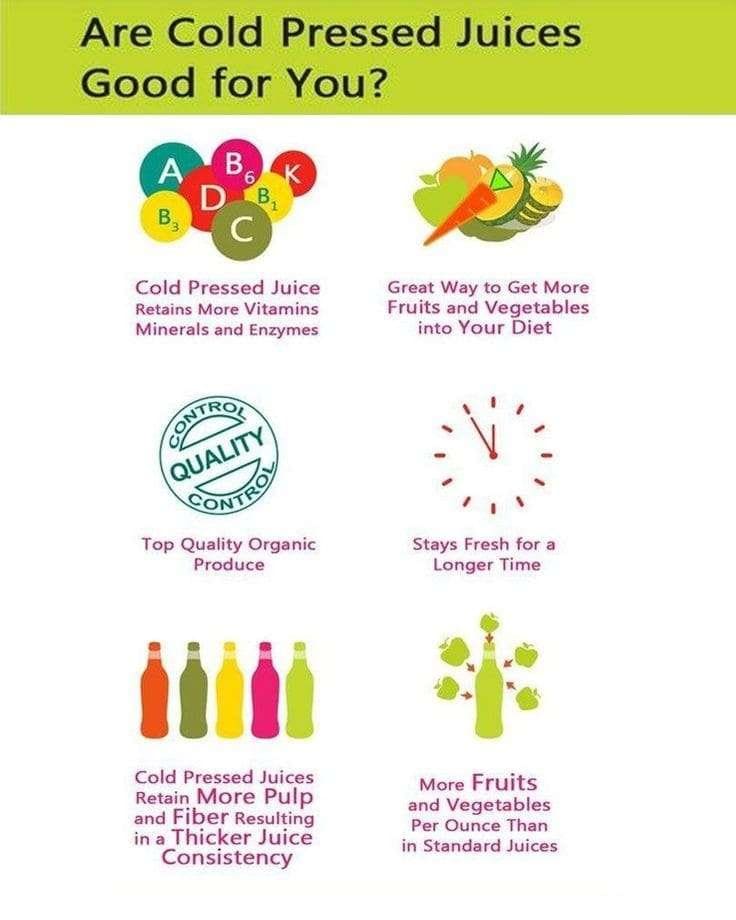
You should minimize oxygen exposure to preserve these sensitive compounds. Cold-press methods reduce aeration during extraction compared with high-speed juicers, which helps retain oxygen-sensitive nutrients for longer.
Enzymatic Activity and Browning
Enzymes such as polyphenol oxidase (PPO) catalyze browning reactions when plant tissues are damaged and exposed to oxygen. You’ll notice this as darkening of juice or cut fruits. Enzymatic reactions are temperature- and pH-dependent and can be slowed by low temperatures and reduced oxygen.
You can limit enzymatic browning by handling produce gently, chilling ingredients, and minimizing time between cutting and pressing. Some commercial producers use non-thermal inactivation methods (like HPP) to reduce enzyme activity without cooking the juice.
Heat and Mechanical Stress
Heat and mechanical shear can break down heat-sensitive vitamins such as vitamin C, some B vitamins, and delicate phytochemicals. High-speed centrifuges can produce frictional heat and shear forces that accelerate nutrient loss.
You should remember that “cold” methods help by reducing temperature spikes during extraction. Slower speeds and pressure-based extraction preserve compounds that would otherwise be damaged by heat and turbulence.
Particle Size, Suspension, and Stability
Juicing disrupts plant cell walls and releases cell contents into a liquid matrix. The size of the suspended particles and the amount of pulp affect how quickly components settle, how the flavor develops, and how the juice is perceived on the palate.
You’ll notice freshly pressed juice often has a richer mouthfeel due to tiny particles and colloids. Over time, particles settle, and enzymatic reactions continue; this is normal but can be slowed by refrigeration and proper packaging.
Nutrient Retention: What the Evidence Shows
Scientific studies generally find that cold-pressed juice tends to retain higher levels of vitamin C and certain polyphenols immediately after extraction, compared with juice from high-speed centrifugal juicers. However, retention depends on many variables including the type of produce, how it’s handled, and storage conditions.
You should understand that “retention” is not a single number: it’s conditional on exposure to air, temperature, light, and time. That means the advantage of cold pressing is greatest when juice is consumed shortly after pressing or when combined with mild preservation methods like HPP.
Which Nutrients Benefit Most?
Vitamin C and many polyphenols are especially vulnerable to oxidation and heat. You’ll typically see better preservation of these compounds with lower-heat, lower-oxygen extraction. Carotenoids (like beta-carotene) can be better extracted by cell disruption, which cold pressing also achieves.
You should also consider that some compounds become more bioavailable after cell disruption — for example, carotenoids are released from plant matrices during juicing, improving absorption if you include some dietary fat when consuming the juice.
Relative Retention Over Time
Right after pressing, cold-pressed juice often has higher levels of certain nutrients. Over storage, nutrient levels decline in all juices, but the rate varies.
Table: Qualitative Nutrient Retention Over Time (Typical Trends)
| Nutrient / Attribute | Immediately After Pressing | After 24–48 hours (refrigerated) | After 5–7 days (refrigerated) |
|---|---|---|---|
| Vitamin C | High (best preserved by cold-press) | Moderate (declines) | Low to moderate |
| Polyphenols | High | Moderate | Lower |
| Carotenoids | Moderate-high (released by disruption) | Stable to moderate decline | Moderate |
| Enzyme activity | Present | Reduced naturally | Variable unless treated |
| Sensory freshness | Very fresh | Fresh but diminishing | Stale and less vibrant |
You’ll note that refrigeration slows declines but does not stop them. If longer shelf life is needed, additional processing like high pressure processing (HPP) is commonly used.
High Pressure Processing (HPP) and Shelf Life
HPP uses extreme pressure (not heat) to inactivate pathogens and many spoilage enzymes while preserving taste and nutrient quality. You’ll often find cold-pressed juices treated with HPP in stores to extend shelf life without thermal pasteurization.
HPP inactivates microbes by disrupting cell membranes and denaturing certain proteins. The pressure is applied uniformly, so the juice remains in its packaging and many heat-sensitive nutrients and flavor compounds are preserved.
Benefits and Limitations of HPP
HPP offers a way to keep juice safer and fresher for longer while maintaining a raw-like profile. You should know that HPP requires specialized equipment and packaging, which increases production cost. Some enzymes and microbes can be pressure-resistant, and occasional small changes in texture or color may occur.
You’ll want to weigh the benefits of extended shelf life and food safety against the increased cost. For home juicing, HPP isn’t practical, but understanding it helps you choose store-bought options wisely.
HPP vs Thermal Pasteurization: Quick Table
| Attribute | HPP | Thermal Pasteurization |
|---|---|---|
| Temperature | Ambient (pressure-based) | Elevated (heat) |
| Microbial inactivation | High (non-thermal) | High |
| Nutrient retention | Better for heat-sensitive nutrients | Lower for heat-sensitive nutrients |
| Flavor preservation | Better | Can change flavor |
| Equipment cost | High | Moderate |
| Packaging | Must be sealed for pressure | Can be processed in-line |
You’ll find that many commercial cold-pressed juices use HPP to achieve a balance between safety and nutritional quality.
Food Safety and Microbial Risks
Raw juice can be a medium for pathogens if produce or equipment are contaminated. You’ll need to follow good hygiene, proper refrigeration, and time limits to reduce risk. For vulnerable groups, such as pregnant people, elderly individuals, or immunocompromised persons, choosing pasteurized or HPP-treated products may be safer.
You should pay attention to acidity: lower-pH juices (like citrus) are less hospitable to many pathogens than neutral or high-pH juices (like some green vegetable blends). Still, pathogens can survive in acidic environments, so good practice is essential.
Safe Practices for Home and Small-Scale Production
Sanitize equipment, wash produce thoroughly, chill ingredients before juicing, and store juice at or below 4°C (40°F). You’ll also want to consume fresh juice within 24–48 hours if it’s untreated, and longer if it’s been HPP-treated and kept refrigerated.
You should avoid leaving freshly made juice at room temperature for extended periods. If you notice off-odors, mold, cloudiness changes, or off-flavors, discard the juice to avoid foodborne illness.
Bioavailability and Absorption
Juicing ruptures plant cell walls, releasing micronutrients and phytochemicals into a liquid that can be more readily absorbed than intact plant tissue. You’ll often find that some nutrients, particularly carotenoids, become more bioavailable after juicing.
You should be aware of the role of dietary fat in absorbing fat-soluble vitamins and carotenoids. Adding a small amount of healthy fat (such as avocado, yogurt, or a splash of olive oil) when you drink vegetable-rich juices can increase absorption.
Sugar Concentration and Glycemic Effects
Juice concentrates sugars from whole fruits because fiber is reduced or removed. You’ll experience faster absorption of sugars from juice than from whole fruit, which can lead to quicker rises in blood glucose and insulin response.
You should consider balancing fruit-forward juices with vegetables, adding protein or fat, or consuming them with a meal to moderate blood sugar impact. People with diabetes or metabolic concerns should monitor portions and consult their healthcare provider.
Fiber: What’s Lost and What Remains
Juicing removes much of the insoluble fiber found in whole fruits and vegetables, which affects satiety and slows carbohydrate absorption. Some soluble fiber and tiny particles remain in cold-pressed juice, giving it body, but the bulk fiber is typically left in the pulp.
You’ll want to think of juice as a complement to, not a replacement for, whole produce. If you want to keep the fiber, use the leftover pulp in smoothies, baked goods, soups, or compost it.
Ways to Retain or Reintroduce Fiber
You can add some pulp back into the juice for more fiber or combine juice with whole-food meals that provide fiber. You’ll find that blending whole fruits and vegetables into smoothies is a better way to preserve most of the fiber while still improving nutrient accessibility.
You should balance your choices depending on goals: juicing is useful for quick nutrient delivery and concentrated phytochemicals, whereas whole produce supports digestive health and fullness.
Practical Tips for Making and Storing Cold-Pressed Juice
If you make cold-pressed juice at home or source it commercially, certain practices will help preserve nutrients, flavor, and safety. You’ll get the best outcomes by planning ahead and using the right equipment and storage methods.
Start by selecting fresh, ripe produce. Chill ingredients and equipment before pressing, work quickly to minimize oxygen exposure, and use airtight glass bottles filled to the brim to reduce headspace. Keep juice refrigerated and consume within the recommended timeframe.
Step-by-Step Home Cold-Pressing Checklist
- Wash and dry produce thoroughly to reduce surface contaminants. You’ll reduce microbial load by washing under running water and using a brush for firm-skinned items.
- Keep produce and equipment cold before and during juicing. Cooler temperatures slow enzyme activity and microbial growth.
- Grind or shred produce to increase extraction efficiency. You’ll want an even mash to pack into press bags or masticator chambers.
- Press slowly and steadily to minimize frothing and aeration. Rapid pressure changes can introduce air and shear forces.
- Transfer juice into clean, sanitized glass containers immediately. You’ll reduce oxygen exposure by filling bottles to the top and sealing tightly.
- Refrigerate promptly at 4°C (40°F) or below. You should chill juice as fast as possible after pressing.
- Consume within 24–72 hours if unprocessed; longer if HPP-treated. You’ll base this on the type of produce, acidity, and observed freshness.
Container Choices and Headspace
Glass bottles are preferred because they are inert and don’t impart flavors. You’ll want to minimize headspace to reduce oxygen that promotes oxidation and microbial growth.
You should also consider using opaque or amber bottles if the juice is sensitive to light, as light can catalyze some degradation reactions.
Environmental and Economic Considerations
Juicing produces a significant amount of pulp as a byproduct, which affects resource efficiency and waste. You’ll want to use pulp productively—composting or repurposing it reduces environmental impact.
You should weigh the economic costs: cold-press equipment and HPP treatment add cost, which is reflected in the price of bottled juice. Consider whether frequent purchases align with your budget and nutritional priorities.
Ways to Reduce Waste and Maximize Value
Reuse pulp in baking, soups, and veggie patties, or donate byproducts to farms or compost collections. You’ll also want to buy seasonally and locally when possible to lower transportation costs and support sustainable practices.
You should evaluate whether occasional cold-pressed juice is a splurge for convenience and flavor, while whole produce remains the primary source of everyday nutrition.
Who Should Be Cautious or Consult a Professional
Juice can be a healthy addition, but certain people should exercise caution. You’ll want to consult a healthcare professional if you have diabetes, are pregnant, are immunocompromised, take medications that interact with fruit compounds, or have specific dietary restrictions.
You should pay attention to interactions—some juices like grapefruit are known to affect drug metabolism by inhibiting certain liver enzymes. If you have concerns, check with your provider before adding large amounts of any concentrated juice to your diet.
Portion and Frequency Recommendations
Moderation matters. You’ll generally be better off limiting fruit-based juices to small servings and favoring vegetable-forward blends. For most people, juice can be part of a balanced diet when consumed alongside whole fruits, vegetables, proteins, and healthy fats.
You should also watch total daily sugar intake from juices and other sources, especially if you’re monitoring caloric intake or blood sugar.
The Bottom Line: Science-Based Takeaways
Cold-pressed juicing uses pressure rather than high-speed spinning to extract juice, which reduces heat and oxygen exposure and can preserve more heat- and oxygen-sensitive nutrients immediately after pressing. You’ll see benefits in vitamin C and some phytochemicals, as well as a smoother texture and often better flavor.
You should remember that juicing concentrates sugars and reduces fiber, so it’s best used as a complement to whole fruits and vegetables rather than a replacement. Proper handling, refrigeration, and, when needed, HPP are essential for safety and shelf life.
Practical Summary You Can Use Today
- Choose cold-pressed juice if you want a taste and nutrient profile closer to raw produce, but plan to consume it fresh or buy HPP-treated bottles for longer storage. You’ll preserve more nutrients by reducing exposure to air and heat during extraction.
- Keep drinks balanced—pair juices with fats or proteins when appropriate to improve nutrient absorption and moderate blood sugar responses. You’ll get more nutritional value that way.
- Reduce waste by using pulp in other recipes and store juice in glass containers with minimal headspace. You’ll extend freshness and avoid off-flavors.
- Be cautious if you have health conditions or take medications; consult a healthcare professional for personalized advice. You should prioritize food safety and suitable portion sizes.
Frequently Asked Questions
Is cold-pressed juice always healthier than store-bought pasteurized juice?
Cold-pressed juice retains more heat-sensitive nutrients immediately after pressing, but pasteurized or HPP-treated juices offer longer shelf life and reduced microbial risk. You’ll need to balance freshness and safety when choosing.
You should look at labels and storage conditions; HPP-treated cold-pressed juices combine many benefits of raw extraction with improved safety.
Can cold-pressed juice replace whole fruits and vegetables?
No. Juice lacks much of the insoluble fiber found in whole produce and is higher in readily absorbable sugars. You’ll benefit most by including both whole produce and occasional juices within a balanced diet.
You should consume whole fruits and vegetables regularly to maintain digestive health, satiety, and long-term benefits from fiber.
How long does cold-pressed juice last in the fridge?
Unprocessed cold-pressed juice typically stays best for 24–72 hours in the refrigerator. HPP-treated bottles can last longer—often up to 2–3 weeks—depending on packaging and refrigeration. You’ll want to follow storage guidance and use sensory checks to detect spoilage.
You should always keep juice chilled and discard it if it smells off or shows signs of fermentation.
Does juicing increase nutrient absorption?
For some nutrients, yes. Juicing breaks cell walls and releases carotenoids and other compounds, increasing their bioavailability. You’ll often absorb certain fat-soluble nutrients better after juicing, especially if you consume a little fat alongside the juice.
You should include a small amount of dietary fat for better absorption of fat-soluble vitamins and carotenoids.
Are there ways to make juice healthier?
Yes. Use more vegetables and less fruit, add small amounts of healthy fats to aid absorption, include some pulp for fiber, and consume juice alongside a balanced meal. You’ll reduce sugar spikes and keep the juice a beneficial part of your routine.
You should also consider preparing juice just before consumption to maximize nutrient retention.
Final Thoughts
If you enjoy cold-pressed juice, you’ll find it offers a flavorful, nutrient-rich option when made and stored properly. By understanding the science—how oxygen, heat, enzymes, and particle size affect the final product—you’ll be better equipped to choose or prepare juices that fit your health goals and lifestyle.
You should apply the practical tips here to get the best balance of taste, nutrition, and safety, and remember that juice is one tool among many in a healthy, varied diet.
Disclaimer
This content is for informational and educational purposes only and is not intended as medical advice. Always consult a qualified healthcare professional before making changes to your diet, especially if you have a medical condition, are pregnant, or are taking medication
As an Amazon Associate, we earn from qualifying purchases