Kids Strawberry Banana Juice is a simple, naturally sweet drink that makes it easier for children to enjoy fruit without added sugar or artificial ingredients. Using strawberries and bananas creates a smooth texture and familiar taste that works well for breakfast, snacks, or alongside meals.
Kids Strawberry Banana Juice
is a simple, naturally sweet drink that makes it easier for children to enjoy fruit without added sugar or artificial ingredients. Using strawberries and bananas creates a smooth texture and familiar taste that works well for breakfast, snacks, or alongside meals.
This strawberry and banana sweet juice is made with simple, wholesome ingredients that most kids already love. You’ll find it naturally sweet, creamy, and easy to customize for allergies, texture preferences, or extra nutrition.
Why this juice is perfect for kids
Kids often prefer drinks that taste sweet and have a smooth texture, and this recipe delivers both without relying on refined sugar. It’s an excellent way to increase fruit intake and can be adapted to suit picky eaters, different ages, and special diets.
Natural sweetness without processed sugar
Ripe bananas and strawberries bring natural sugars, which means you can reduce or skip added sweeteners entirely. You’ll keep the flavor appealing while lowering added-sugar exposure that you might be trying to avoid for your child.
Easy to sip and hold nutrients
Unlike clear juice, this blended juice retains fiber from fruit, which helps slow sugar absorption and supports digestion. The creamy body also makes it easier for younger kids to sip from small cups or straw bottles.
Key nutritional benefits
This juice contains vitamins, minerals, fiber, and phytonutrients that support growth, immunity, and energy for active kids. While it’s not a full meal replacement, it’s a smart snack or drink that complements a balanced diet.
Strawberries: vitamin C and antioxidants
Strawberries are rich in vitamin C, which supports immune function and skin health. They also contain antioxidants like anthocyanins that have general health benefits and add vibrant color your child will enjoy.
Bananas: potassium and energy
Bananas are a great source of potassium and provide quickly accessible energy through natural sugars and carbohydrates. They also contribute texture and thickness, which helps the juice feel satisfying.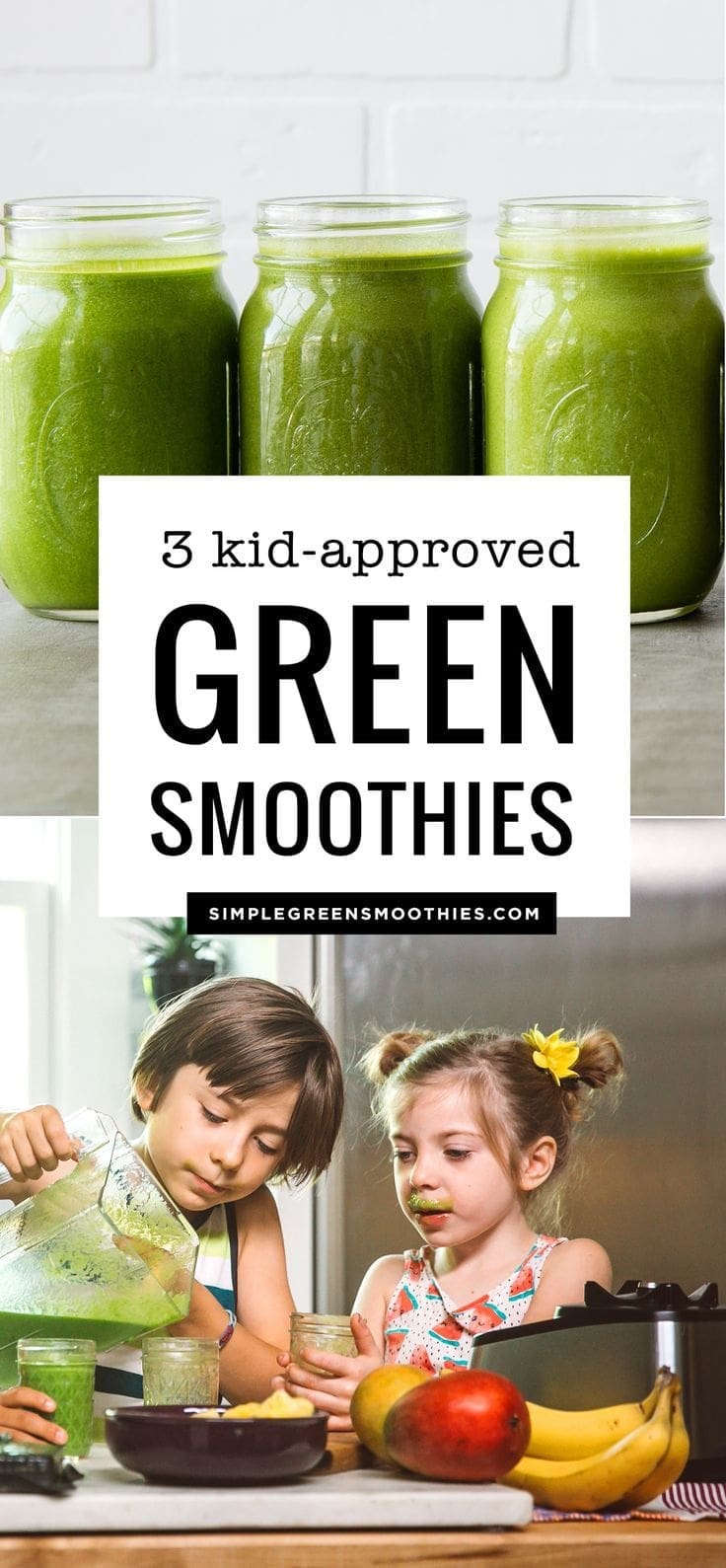
Dairy or dairy-free options for extra protein
You can add yogurt, milk, or plant-based alternatives to boost protein and calcium. This makes the drink more filling and balanced as a snack that helps stabilize energy between meals.
Ingredients
Below is a clear ingredient list for a family-sized batch that serves about 4 small cups. Quantities are flexible—adjust to taste or batch size.
| Ingredient | Amount | Purpose |
|---|---|---|
| Fresh strawberries, hulled | 2 cups (approx. 300 g) | Flavor, vitamin C, color |
| Ripe banana | 2 medium | Sweetness, texture, potassium |
| Milk or plant-based milk (optional) | 1 to 1 1/2 cups (240–360 ml) | Creaminess, protein if using dairy |
| Plain or vanilla yogurt (optional) | 1/2 cup (120 g) | Tang, protein, thicker texture |
| Fresh orange juice (optional) | 1/4 cup (60 ml) | Brightness, vitamin C |
| Honey or maple syrup (optional) | 1–2 tsp | Adjust sweetness if needed (not for infants <12 months)< />d> |
| Ice cubes or frozen banana slices | 1 cup | Chill and thicken; use more for thicker result |
| Ground cinnamon (optional) | a pinch | Subtle warmth and flavor |
You can scale this recipe up or down. If you reduce the batch, maintain proportions to keep the flavor and texture balanced.
Equipment needed
You don’t need fancy tools—most kitchens have what’s required. If you plan to make this often, some items can make tasks faster and safer.
| Equipment | Why it helps |
|---|---|
| Blender (countertop or high-speed) | Best for smooth, lump-free texture |
| Measuring cups and spoons | For consistency and portion control |
| Knife and cutting board | To prep fruit safely |
| Fine mesh sieve (optional) | For extra-smooth juice if needed |
| Ice cube tray (optional) | For freezing banana slices or juice portions |
If you don’t have a blender, you can mash banana and strawberries and mix with yogurt/milk for a thicker puree, though the texture will be less smooth.
Step-by-step recipe
Follow these steps for a reliable, kid-approved result. Each step includes small tips for texture, safety, and flavor.
- Prepare the fruit. Wash strawberries and remove stems; peel the banana and cut into chunks. Doing this first makes blending faster and safer.
- Optional: Freeze banana slices in advance if you want an icy, smoothie-like texture without using much ice. Frozen banana gives creaminess and chill without diluting flavor.
- Add ingredients to the blender. Put strawberries and banana in first, then yogurt, milk, and any optional orange juice or sweetener. Adding liquids after fruit helps blades run more smoothly and reduces chunks.
- Blend on medium-high for 30–60 seconds, or until smooth. If your blender struggles, start at low speed and ramp up. Pause and stir if fruit gets stuck at the sides.
- Check texture and sweetness. Taste a small amount (or use a spoon) and adjust by adding more milk for thinner texture, or more frozen banana/ice for thickness. Add a touch of honey or maple if needed, remembering not to use honey for infants under 12 months.
- Serve immediately or chill briefly. Pour into small cups, add a fun straw, and serve within an hour for best freshness. Fresh-made juice tastes best right away, but you can store leftovers as explained in the Storage section.
Texture and consistency tips
You’ll want to match the consistency to your child’s age and preferences. Thicker is often better for toddlers who like to sip slowly, while older children may enjoy a thinner drink.
- For a thinner juice: Add 1/4 cup extra milk or water and blend until smooth.
- For a thicker, spoonable juice: Use less liquid and add frozen banana or 1/4 cup of oats or chia seeds (see notes about chia).
- For icy texture: Use more ice or frozen fruit; blend thoroughly so pieces don’t remain crunchy.
Variations and flavor twists
Small changes make this juice feel new every time, and you can introduce different nutrients or flavors without losing the kid-friendly sweetness.
Dairy-free and vegan version
Use almond, oat, soy, or coconut milk and substitute yogurt with a plant-based yogurt. This keeps the drink creamy and accessible if your child has dairy intolerance.
Protein-boosted version
Add a scoop of unflavored or mild vanilla protein powder or 1/4 cup cottage cheese (for older kids who tolerate dairy) to increase protein content. Proteins help make the juice more filling and suitable as a post-activity snack.
Green boost (hidden veggies)
Add a handful of mild-tasting spinach or baby kale; the fruit masks the taste while adding vitamins and minerals. Start with a small amount so you can assess color and flavor acceptance.
Tropical twist
Blend in a small chunk of mango or pineapple for extra tropical sweetness and vitamin C. Adjust the amount to prevent overpowering the strawberry-banana profile.
Spiced comfort version
A pinch of ground cinnamon, nutmeg, or cardamom adds warmth and complexity that many kids enjoy. These spices pair well with banana and often make the drink feel special in cooler seasons.
Portion sizes and serving suggestions
Serving sizes should reflect your child’s age, appetite, and whether the juice is a snack or part of a meal. You can use this as a guideline to keep nutrition balanced.
| Age group | Typical serving size |
|---|---|
| Toddlers (1–3 yrs) | 3–4 oz (90–120 ml) |
| Preschool (3–5 yrs) | 4–6 oz (120–180 ml) |
| School-age (6–12 yrs) | 6–8 oz (180–240 ml) |
Serve the juice in small cups for young children to avoid overconsumption of fruit sugars at once. Present it slightly chilled, not ice-cold for toddlers, and consider pairing with a protein or fat (like a handful of nuts or a cheese stick) to make a more balanced snack.
Nutritional information (approximate)
Below is an approximate nutritional breakdown per 8-oz (240-ml) serving of the basic recipe using strawberries, banana, and 1 cup of skim milk. Exact values vary by ingredient brands and fruit sizes.
| Nutrient | Approx. per serving |
|---|---|
| Calories | 180–220 kcal |
| Carbohydrates | 38–45 g |
| Sugars (natural) | 28–34 g |
| Fiber | 4–5 g |
| Protein | 6–8 g |
| Fat | 1–3 g |
| Vitamin C | 70–90% DV |
| Potassium | 10–15% DV |
| Calcium (if dairy used) | 15–20% DV |
If you use plant milks, protein and calcium content will vary. Adding yogurt or protein powder increases protein and overall calories.
Tips to reduce added sugar while keeping kids happy
You can manage sweetness without making the drink bitter or unappealing. These tips help you keep sugar in check while maintaining flavor.
- Use very ripe bananas; they bring maximum sweetness without added sugar.
- Add a small splash of fresh orange or apple juice for brightness rather than syrupy sweetness.
- Use vanilla yogurt for a boost of flavor instead of adding honey.
- Include a pinch of cinnamon to enhance flavor perception, which can trick the palate into perceiving more sweetness.
- Offer smaller serving sizes and pair with a protein-rich snack to help stabilize blood sugar.
Storage and shelf life
Storing blended fruit properly keeps it safe and tasty, though it’s best fresh. You’ll find the flavor changes and browning can occur after storage.
- Refrigerator: Store in an airtight container for up to 24 hours; stir or shake before serving because separation is natural.
- Freezer: Freeze portions in ice cube trays or popsicle molds for up to 1 month; thaw overnight in the fridge before serving or blend frozen cubes with a little extra liquid.
- Note: Freshly blended fruit begins to oxidize, so color and taste shift after a few hours; adding a squeeze of citrus can slow browning slightly.
Safety and allergy considerations
When you prepare food for kids, safety is key. Consider age-appropriate guidelines and allergy risks before serving.
- Infants under 12 months should not receive honey due to botulism risk; avoid honey in this recipe for them.
- For toddlers and younger children, ensure the drink’s texture is suitable so it won’t cause choking when served thick. You may thin it with milk or water.
- Introduce new fruits like strawberries one at a time if your child has a history of allergies; monitor for reactions.
- Be cautious with added ingredients like nuts or nut milks if your child has allergies or family history of allergy.
Common problems and fixes
A few issues come up often when making blended juices; this quick table helps you troubleshoot.
| Problem | Likely cause | Fix |
|---|---|---|
| Too watery | Too much liquid or ice | Reduce liquid or add frozen banana/ice for thickness |
| Too thick | Too little liquid | Add 2–4 tbsp milk or water and re-blend |
| Bland flavor | Fruit not ripe or low on citrus | Use riper fruit, add splash of orange or squeeze of lemon |
| Bitter after refrigeration | Oxidation or addition of certain plant milks | Serve fresh or add a small splash of citrus to balance |
| Lumps or seeds | Low blender power or unblended seeds | Blend longer; strain through fine mesh if necessary |
Making ahead and batch preparation
You can prepare this juice for the week with a few smart steps to maintain quality. Planning ahead is great for busy mornings and after-school snacks.
- Pre-portion and freeze fruit in blender-ready packs (banana slices, hulled strawberries). When you’re ready, toss a pack into the blender with liquid and you’ll have a fresh drink in minutes.
- If you blend a full batch ahead of time, store in the fridge in an airtight container and stir well before serving; consume within 24 hours for best flavor.
Using your juice in other recipes
Leftover juice or extra batches can be used in many kid-friendly ways beyond drinking. This helps reduce waste and keeps meals interesting.
- Popsicles: Freeze the juice in molds for healthy frozen treats.
- Smoothie bowls: Thicken the blend with oats or yogurt, top with fruit and nuts for breakfast.
- Pancake or waffle batter: Substitute a portion of the liquid with the juice for fruity notes.
- Salad dressing: Mix a small amount with olive oil and vinegar for a fruity vinaigrette suitable for fruit salads.
- Adult beverages: Reserve some juice for cocktails or mocktails for grown-ups, using it as a mixer with sparkling water or a splash of soda.
Teaching kids to help
Involving your child in food prep encourages better eating habits and confidence in the kitchen. Adjust tasks for safety based on age.
- Younger children can wash fruit, toss strawberries into the blender, or press buttons on the blender while supervised.
- Older kids can measure ingredients, learn basic knife safety to slice banana, or help select variations and experiment with flavors.
Presentation ideas to make it fun
Making the juice visually appealing increases the chance your child will drink it happily. Small touches go a long way.
- Serve in colorful cups or mason jars with fun straws to make the moment special.
- Sprinkle tiny fruit slices on top or add a small skewer of strawberry for a “fruit kebab” garnish.
- Layer the drink with a thicker yogurt swirl for a marbled effect that looks like a treat.
Frequently Asked Questions
Below are answers to common questions you might have when making this juice.
Q: Can I use frozen strawberries instead of fresh?
A: Yes, frozen strawberries work well and often create a colder, thicker texture. Use a little less ice and potentially a splash more liquid to reach the desired consistency.
Q: Is this juice suitable for babies?
A: For babies under 12 months, avoid honey and limit added sugars. Small, well-blended portions can be offered if solids were already introduced and there’s no strawberry allergy, but consult your pediatrician about serving fruit purees or juices.
Q: Can I use other fruits instead of strawberries or bananas?
A: Absolutely. Try blueberries, mango, or peaches, keeping in mind that flavor and sweetness will change. Adjust quantities and sweetness to taste.
Q: How can I make this juice thicker for toddlers who prefer spooning?
A: Reduce liquid, add yogurt, or include soaked oats or chia seeds for thickness. Make sure the final texture is smooth and age-appropriate.
Q: Is it better to use yogurt or milk?
A: Yogurt adds tang, protein, and thickness; milk makes it smoother and lighter. Choose based on the nutritional needs and tolerance of your child.
Q: Can I add vegetables without changing the taste much?
A: Yes—spinach and soft-cooked carrots blend well with strawberry and banana and are usually masked by the fruit’s flavor. Start with small amounts so kids don’t notice the change.
Q: How can I reduce food waste when strawberries go bad?
A: Freeze overripe strawberries in portions for smoothies, or use them in compotes, muffins, or freezer jams.
Q: Are there choking hazards with this drink?
A: If the texture is too thick or contains large bits of fruit, it can pose a risk for some children. Always check consistency and thin it for younger kids or serve with supervision.
Final tips for success
Keep variety in mind: switching up minor ingredients keeps the drink interesting and broadens your child’s palate. Use ripe fruit to maximize natural sweetness and try to pair the juice with a small protein-rich snack to create a balanced mini-meal.
You can make this strawberry and banana juice part of your routine while still keeping it fun and nutritious. With small adjustments, you’ll have a versatile, colorful, and kid-approved drink that supports healthy eating habits and satisfies sweet little palates.
Disclaimer.
This content is for informational and educational purposes only and is not intended as medical advice. Always consult a qualified healthcare professional before making changes to your diet, especially if you have a medical condition, are pregnant, or are taking medication.
As an Amazon Associate, we earn from qualifying purchases