
Antioxidants help protect the body from oxidative stress and support overall wellbeing. This antioxidant juice with blueberry and pomegranate combines two powerful fruits known for their antioxidant content. The result is a refreshing, nutrient-rich juice that supports immunity and everyday health.
Antioxidant Juice With Blueberry And Pomegranate
This antioxidant juice combines the bright, tart flavor of pomegranate with the sweet, juicy notes of blueberry to deliver a powerful nutritional boost. You’ll get a beverage that’s both delicious and rich in antioxidants, vitamins, and phytonutrients that support overall well-being.
What makes this juice antioxidant-rich?
Both blueberries and pomegranates are high in antioxidant compounds that help neutralize free radicals in your body. You’ll be tapping into anthocyanins from blueberries and punicalagins and ellagic acid from pomegranate, among other beneficial molecules.
Key antioxidant compounds and what they do
Understanding the key compounds will help you appreciate why this juice is so beneficial. You’ll find that each compound has specific actions, from supporting heart health to protecting cells from oxidative stress.
- Anthocyanins: These pigments give blueberries their deep color and help reduce oxidative stress and inflammation. You’ll notice benefits for vascular health and cognitive function linked to anthocyanin-rich foods.
- Punicalagins and Ellagic Acid: These are signature pomegranate antioxidants that have strong free-radical-scavenging activity. You’ll find research suggesting they may support cardiovascular health and reduce inflammation.
- Vitamin C: Both fruits contribute vitamin C, which supports immune function and collagen production. You’ll find vitamin C helps enhance nutrient absorption and repair processes.
Ingredients: what you’ll need
Below are the core ingredients you’ll use to make this juice. You’ll find that simple, fresh ingredients deliver the best flavor and nutritional value.
- 2 cups fresh or frozen blueberries
- 1 large pomegranate (or 1 cup pomegranate arils if deseeded)
- 1 apple or pear (optional, for sweetness and volume)
- Juice of half a lemon (optional, for brightness and to slow oxidation)
- 1/2 cup water or coconut water (optional, to adjust consistency)
- Ice cubes (optional)
You’ll be able to customize the recipe to suit your taste, sweetness preference, and the equipment you have available.
Equipment: what to use
Choosing the right equipment will affect texture and nutrient retention. You’ll want to select the method that fits your routine and desired result.
| Equipment | Use and result | Notes |
|---|---|---|
| Juicer (masticating/cold-press) | Produces clear juice with minimal heat, retaining more nutrients | Best for purer juice and longer shelf life |
| Centrifugal juicer | Fast extraction but may introduce heat and foam | Good for speed; clean promptly |
| High-speed blender | Produces a smoothie-style drink with fiber intact | Use a nut milk bag to strain if you prefer juice |
| Fine mesh strainer or nut milk bag | For removing pulp if using a blender | Press gently to preserve nutrients |
| Lemon squeezer, cutting board, knife | Basic prep tools | Ensure clean surfaces |
You’ll choose between a juice that retains pulp (smoothie) and one that’s strained and clearer (juice), depending on your preferences.
Step-by-step recipe: cold-pressed version
This method yields a clearer juice with a refreshing mouthfeel and is ideal when you want a beverage that feels more like juice than a smoothie.
- Prepare the pomegranate by cutting it in half and removing the arils. Remove any white pith. You’ll find a few taps on the skin help loosen seeds.
- Rinse the blueberries and apple or pear. Remove stems and core the apple if you’re using it. You’ll want clean, dry fruit for the juicer.
- Feed alternating batches of blueberries, pomegranate arils, and apple into the juicer. Add the lemon juice toward the end. You’ll see vibrant juice collect in the container.
- Stir the juice and taste. Adjust sweetness with a small amount of honey, maple syrup, or additional apple if needed. You’ll want a balanced flavor.
- Serve over ice or chill before drinking. Store any leftovers in a sealed container in the refrigerator for up to 48 hours. You’ll notice separation; just stir before serving.
You’ll find the cold-pressed approach preserves flavor while producing a refined texture.
Step-by-step recipe: blender (smoothie-style) version
If you prefer to keep the fiber and make a more filling drink, this method is for you.
- Add blueberries, pomegranate arils, the cored apple or pear, lemon juice, and water or coconut water into your blender. You’ll aim for a balance of solids and liquids.
- Blend on high until smooth, around 30–60 seconds depending on your blender. You’ll see a thick, vibrant purple mixture.
- Taste and adjust for sweetness or acidity as needed. If you prefer a thinner consistency, add more water or coconut water and blend again. You’ll tailor the texture to your preference.
- If you want a smoother, clearer juice, pour the blended mixture through a nut milk bag or fine mesh strainer into a bowl and press to extract the liquid. You’ll capture pulp separately and can use it in baking or smoothies.
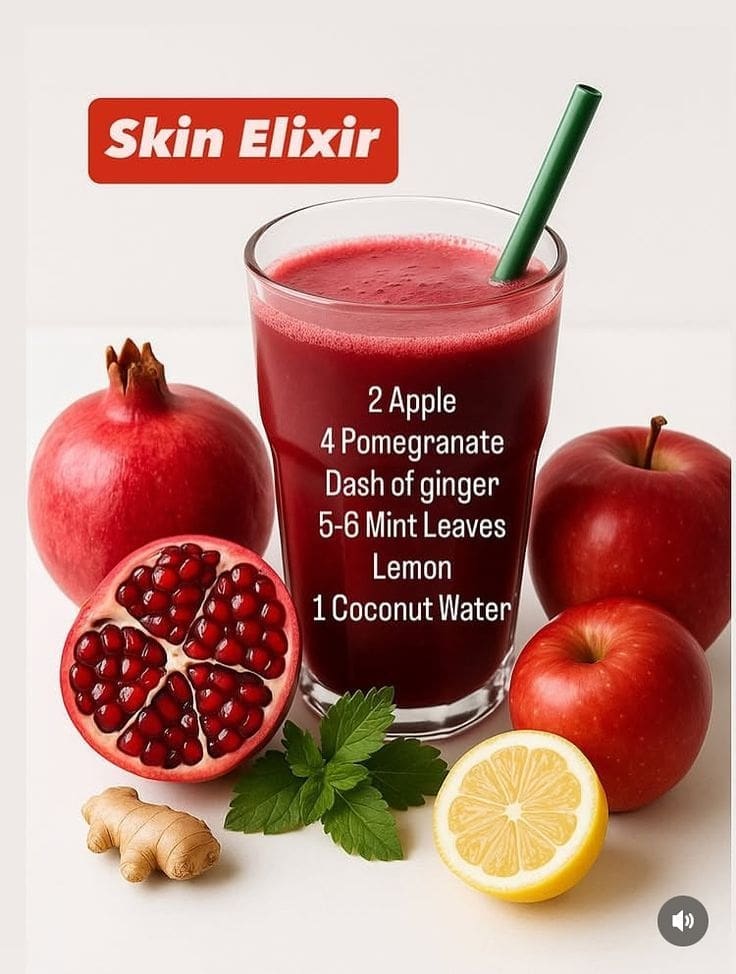
You’ll get a heartier drink when you keep the fiber, and a lighter one when you strain it.
Nutritional profile: estimated values per 12 oz serving
Below is an approximate nutritional profile for a 12 oz serving made with 2 cups blueberries, 1 pomegranate, and an apple, cold-pressed and strained. You’ll use this as a general guide, not exact values.
| Nutrient | Amount (approx.) |
|---|---|
| Calories | 180–240 kcal |
| Total carbohydrate | 40–55 g |
| Sugar (natural) | 30–45 g |
| Fiber | 1–4 g (less if strained) |
| Protein | 1–2 g |
| Fat | 0.5–1 g |
| Vitamin C | 30–60 mg |
| Potassium | 350–500 mg |
| Antioxidant capacity | High (due to anthocyanins/punicalagins) |
You’ll want to treat these numbers as estimates since actual values vary by fruit size, variety, and whether you keep or remove pulp.
Antioxidants explained: why they matter
Antioxidants help neutralize free radicals produced by metabolism and environmental stresses, which can otherwise damage cells. You’ll benefit from antioxidants through improved cellular protection, reduced inflammation, and potential support for cardiovascular and cognitive health.
- How antioxidants work: They donate electrons to unstable molecules to stabilize them. You’ll reduce oxidative stress when you include antioxidant-rich foods regularly.
- Synergy of compounds: The combination of different antioxidants provides broader protection than any single molecule alone. You’ll get better coverage against a variety of oxidative processes.
You’ll get more benefit when antioxidant-rich foods are part of a varied diet rather than the only source of nutrients.
Health benefits backed by research
Studies suggest that regular consumption of berries and pomegranate is associated with several health benefits linked to their antioxidant content. You’ll find evidence pointing toward improved vascular function, lowered blood pressure, anti-inflammatory effects, and support for brain health.
- Cardiovascular support: Compounds in pomegranate and blueberry can help reduce arterial stiffness and improve endothelial function. You’ll notice potential improvements in blood pressure when these fruits are consumed regularly.
- Cognitive function: Anthocyanins have been associated with improved memory and slower cognitive decline in some studies. You’ll find that regular berry intake is linked to better brain performance over time.
- Anti-inflammatory activity: Polyphenols can dampen inflammatory signaling pathways. You’ll benefit from reduced chronic inflammation when antioxidant foods are part of your diet.
You’ll still need an overall healthy diet and lifestyle to see meaningful long-term changes in health markers.
Sugar, calories, and portion control
Fruit naturally contains sugar, and juicing concentrates that sugar while often reducing fiber. You’ll want to be mindful of portions if you are watching blood sugar or calorie intake.
- Keep portions moderate: A 12 oz serving is a reasonable portion for many people. You’ll get antioxidants without excessive sugar if you stick to one serving.
- Add vegetables to reduce sugar: If you’re concerned about sugar, add cucumber, celery, or a small handful of greens to reduce overall sweetness. You’ll increase volume and nutrient variety this way.
- Balance with protein or fat: Enjoy your juice alongside a small snack with protein or healthy fat to reduce blood sugar spikes. You’ll feel more satisfied and steady after your drink.
You’ll make this juice part of a balanced eating plan by paying attention to portion sizes and pairing it wisely.
Juicer vs Blender: how to choose
Deciding between a juicer and a blender depends on texture and nutritional priorities. You’ll weigh speed, fiber retention, and convenience in your choice.
- Juicer (cold-press/masticating): Produces clear juice with less foam and more nutrient retention by minimizing heat. You’ll get a smoother beverage that’s ideal for quick hydration and antioxidant intake.
- Blender: Keeps all the fiber and creates a smoothie-like drink that’s more filling and slower to digest. You’ll get more satiety and slower sugar absorption with a blended beverage.
- Straining a blender output: You can get the best of both worlds by blending and then straining if you want less pulp. You’ll control how much fiber remains and still enjoy a fresher juice feel.
You’ll find both methods valuable depending on whether you want a light juice or a fuller smoothie.
Preservation and shelf life
How you store your juice affects its flavor, color, and nutrient content. You’ll want to use airtight containers and keep the juice cold to maintain freshness.
| Storage method | Time at peak freshness | Notes |
|---|---|---|
| Refrigerated, airtight (cold-press) | Up to 48 hours | Best to consume within 24 hours for maximum antioxidants |
| Refrigerated, airtight (blended) | 24–48 hours | Separates naturally; stir before drinking |
| Freezer (ice cube tray) | Up to 3 months | Thaw in fridge; texture may change |
| Vacuum-sealed, refrigerated | Up to 72 hours | Slows oxidation more than regular containers |
You’ll notice the color and flavor will change over time as oxidation occurs, so aim to drink your juice while it’s freshest.
Tips for selecting and preparing ingredients
Choosing ripe fruit and prepping it properly will give you the best flavor and nutrition. You’ll benefit from a few simple selection and prep techniques.
- Blueberries: Look for plump, firm berries with deep color and minimal wrinkling. You’ll prefer berries that are dry and free of mold.
- Pomegranates: Choose heavy fruit for size and feel, with smooth, unruptured skin. You’ll get more arils from heavier pomegranates.
- Apple or pear (optional): Use firm, crisp fruit and remove the core. You’ll add natural sweetness and volume.
- Prep tips: Rinse fruit under cool water and pat dry before juicing or blending. You’ll minimize contaminants and extend freshness.
You’ll get better results and tastier juice by choosing high-quality fruit and prepping it correctly.
How to seed a pomegranate without a mess
Removing pomegranate arils can seem messy, but a simple method makes it easy. You’ll be able to collect clean arils with minimal cleanup using a bowl of water.
- Score the skin around the equator of the pomegranate and pry it open into two halves. You’ll use gentle pressure to avoid smashing seeds.
- Submerge halves in a bowl of water and gently loosen the arils with your fingers. The arils sink and the pith floats.
- Skim off the white pith, then drain the water through a colander. You’ll have clean arils ready for juicing.
You’ll find this method reduces stains and keeps arils intact.
Flavor variations and add-ins
You can customize the juice to your taste preferences and nutritional goals. You’ll add herbs, spices, or other fruits to create different flavor profiles.
- Herbs: Mint, basil, or thyme add freshness and aroma. You’ll find mint pairs especially well with pomegranate.
- Spices: A pinch of ginger, turmeric, or cinnamon adds warmth and anti-inflammatory potential. You’ll get complexity and functional benefits from these spices.
- Heat: A small slice of jalapeño or a pinch of cayenne adds a spicy kick. You’ll create an energizing contrast to the sweet-tart base.
- Sweeteners: If needed, use a small amount of honey, maple syrup, or a ripe banana in the blender version. You’ll maintain natural sweetness while avoiding refined sugar.
You’ll be able to experiment and discover combinations that suit your palate.
Pairing and serving ideas
This juice pairs well with meals and snacks that balance its acidity and natural sugars. You’ll find nice combinations that enhance both flavor and satisfaction.
- Breakfast: Serve alongside Greek yogurt, oats, or an egg dish to add antioxidants to your morning meal. You’ll get protein and fiber to support energy.
- Light lunch: Pair with a salad or a grain bowl to round out nutrients. You’ll enjoy a refreshing contrast to savory flavors.
- Snack: Enjoy with a handful of nuts or a cheese stick for a balanced mid-afternoon pick-me-up. You’ll reduce sugar spikes and stay fuller longer.
You’ll find that thoughtful pairings enhance the meal and your enjoyment of the juice.
Making juice for kids and family
When you make juice for children or picky family members, small adjustments help with acceptance and safety. You’ll create versions that are lower in sugar and kid-friendly.
- Dilute to reduce sugar impact: Mix the juice with water or coconut water to stretch servings and lower sugar concentration. You’ll maintain flavor while making it lighter.
- Avoid whole seeds for young children: Strain carefully and ensure no large seeds remain if serving toddlers. You’ll reduce choking risk.
- Introduce gradually: If children are not used to tart flavors, mix with apple or pear to add sweetness. You’ll help them develop a taste for new foods slowly.
You’ll consider individual dietary needs when serving family members.
Troubleshooting common issues
Sometimes juice doesn’t taste quite right or textures aren’t what you expected. You’ll find simple fixes for common problems.
- Too tart: Add a bit more sweet fruit like apple, pear, or a teaspoon of honey. You’ll restore balance without overwhelming the natural flavors.
- Too sweet: Squeeze in more lemon or add a small amount of greens or cucumber to temper sweetness. You’ll restore brightness and complexity.
- Foam or separation: Let juice sit for a few minutes and stir. Using a cold-press juicer reduces foam. You’ll get a clearer cup by minimizing air incorporation.
- Bitter aftertaste: Make sure pomegranate pith or seeds aren’t crushed excessively; these can introduce bitterness. You’ll focus on careful aril removal to avoid this.
You’ll fix most problems with minor adjustments and attention to prep.
Sustainability and using leftovers
You can reduce waste and get extra uses from the parts of fruit you don’t juice. You’ll find creative ways to upcycle the leftover pulp and skins.
- Pomegranate peel and pulp: Dry and grind the peels for use in spice blends or compost them. You’ll extract remaining nutrients and reduce waste.
- Blueberry pulp: Freeze leftover pulp in ice cube trays for smoothies or baking. You’ll add flavor and nutrients to future recipes.
- Apple cores and peels: Make a quick infused water or compost them. You’ll make the most of every ingredient.
You’ll feel good about minimizing waste and extending the value of your ingredients.
Safety considerations and allergies
As with any food, be mindful of potential allergies and interactions. You’ll keep these safety points in mind when serving others or if you have specific health conditions.
- Allergies: Rarely, people may be allergic to berries or pomegranate. You’ll watch for hives, swelling, or breathing issues and seek medical care if needed.
- Blood-thinning medications: Pomegranate could interact with certain medications; consult your healthcare provider if you take blood thinners or have medical concerns. You’ll prioritize safety over experimentation.
- Food safety: Always refrigerate juice promptly and discard if it smells off or ferments. You’ll prevent foodborne illness with proper storage.
You’ll take common-sense precautions and consult professionals when needed.
Frequently asked questions
You’ll likely have practical questions about making and enjoying this juice. Below are answers to common concerns.
- Can I use frozen blueberries? Yes, frozen blueberries work well and are often more affordable. You’ll thaw slightly or blend directly depending on your method.
- Can this prevent disease? No single food prevents disease, but antioxidant-rich juices can support overall health as part of a balanced diet. You’ll benefit most from a varied, nutrient-dense eating pattern.
- Is it OK to drink daily? Drinking occasionally is fine, but daily consumption should consider sugar and calorie intake. You’ll balance it with whole fruits, vegetables, and proteins.
- Can you heat this juice? Heating can reduce vitamin C and some antioxidants. You’ll preserve more nutrients by enjoying it cold or at room temperature.
You’ll use these answers to guide your choices and habits.
Quick shopping checklist
Use this table when you go shopping to make the process faster and more efficient. You’ll be prepared with everything you need.
| Item | Quantity | Notes |
|---|---|---|
| Blueberries | 2 cups | Fresh or frozen |
| Pomegranate | 1 large | Or 1 cup arils |
| Apple or pear | 1 medium | Optional |
| Lemon | 1/2 | Optional |
| Water or coconut water | 1/2 cup | Optional |
| Honey or maple syrup | Small | Optional for sweetness |
You’ll find that a short list gets you out of the store quickly and into the kitchen.
Final thoughts
This blueberry and pomegranate antioxidant juice is a flavorful, nutrient-dense option that you can customize to your taste and needs. You’ll enjoy a bright, health-supporting beverage that’s simple to make and easy to adapt for family, guests, or a personal ritual.
You’ll benefit most by using fresh, ripe ingredients, paying attention to portion sizes, and incorporating the juice into a balanced diet. You’ll also find that experimenting with herbs, spices, and fruit combinations keeps the experience fun and sustainable.
Disclaimer.
This content is for informational and educational purposes only and is not intended as medical advice. Always consult a qualified healthcare professional before making changes to your diet, especially if you have a medical condition, are pregnant, or are taking medication.
As an Amazon Associate, we earn from qualifying purchases