Sustainable juicing focuses on using fresh ingredients efficiently while reducing unnecessary food waste. By rethinking how fruits and vegetables are prepared, stored, and reused, juicing can become a more environmentally friendly habit. Small changes in your juicing routine can make a big difference for both your health and the planet.
Sustainable Juicing: How To Reduce Food Waste
You can enjoy fresh, vibrant juices while doing your part to reduce food waste. This article shows practical strategies that help you save ingredients, money, and the planet without sacrificing flavor or nutrition.
Why sustainable juicing matters
You probably already know that food waste contributes to greenhouse gas emissions and unnecessary resource use. By making mindful choices in juicing, you can reduce the amount of produce that gets discarded, lower your grocery bill, and model more sustainable food habits for people around you.
What counts as food waste in juicing
Food waste in juicing happens at several stages: purchasing too much produce, letting fruits and vegetables spoil before use, discarding nutritious pulp, and not using scraps like peels, stems, and greens. Recognizing each stage helps you intervene and make better choices that keep food in use longer.
Plan before you shop
Planning is the foundation of low-waste juicing. When you shop with a plan, you buy only what you need and reduce the risk of spoilage.
Create a realistic juicing schedule
Decide how often you’ll juice — daily, several times a week, or on special occasions. You can adjust your shopping frequency to match. If you juice daily, buy smaller amounts more often. If you juice less often, buy in larger quantities but plan for preservation methods like freezing.
Make a targeted shopping list
Write a shopping list that matches your recipes and schedule. Include specific quantities, ripeness preferences (ripe vs. firm), and alternative options if your first choice isn’t available. This reduces impulsive purchases that often become waste.
Buy by recipe, not impulse
When you plan recipes first — for example, three different juices and a pulp-based soup — you’ll only purchase what you’ll actually use. Recipe-based shopping helps you cross-use ingredients across multiple preparations, which decreases leftover scraps.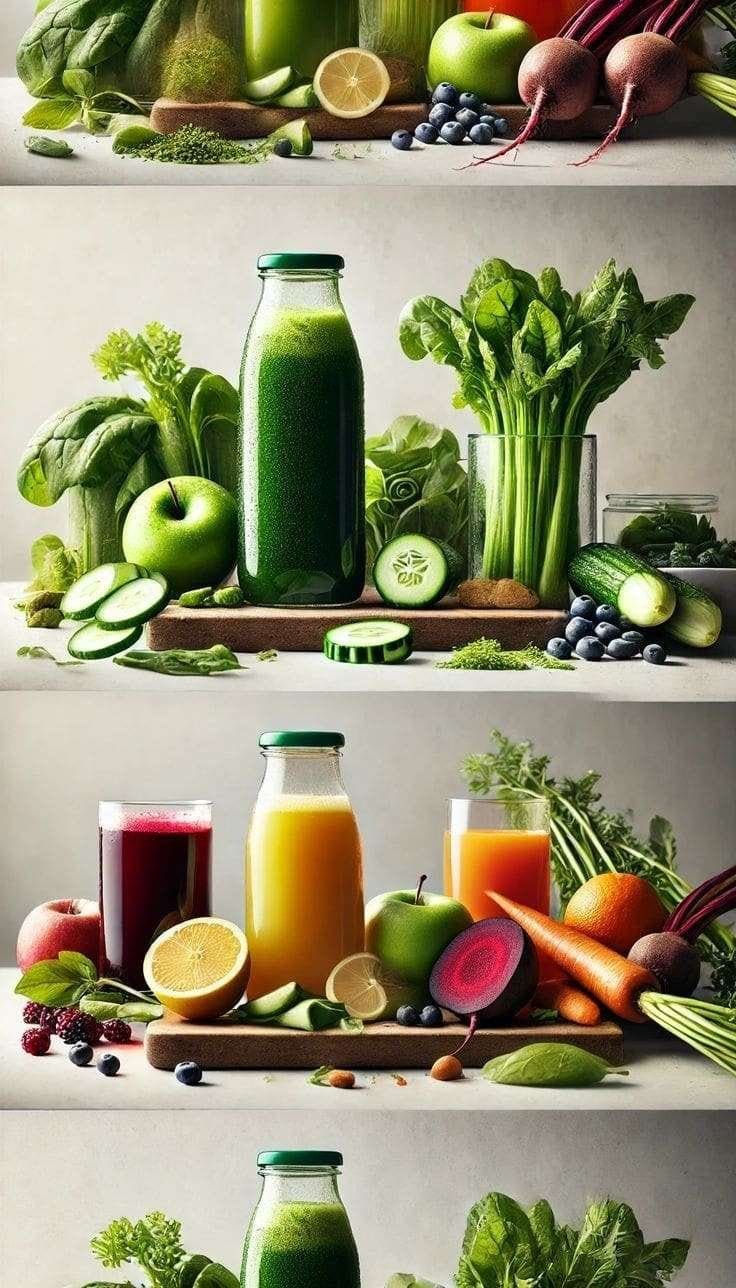
Choose the right produce
Your selection of fruits and vegetables can reduce waste by maximizing yield and storage life.
Prioritize seasonal and local produce
Seasonal produce usually costs less, tastes better, and often arrives fresher because it spends less time in transit. When produce is fresher, it lasts longer at home and reduces the chance you’ll be throwing it away.
Use imperfect produce strategically
“Blemished” fruits and vegetables are often just as nutritious. You can juice bruised or misshapen items after trimming away damaged spots. Choosing imperfect produce can also be cheaper, and using it prevents perfectly edible food from being discarded.
Buy mixed ripeness intentionally
If you buy produce at different stages of ripeness, you can stagger use to avoid waste. For example, pick some ripe greens for immediate juicing and some slightly less ripe ones for later in the week.
Choose equipment that maximizes yield
The type of juicer or blender you use affects both juice yield and pulp moisture — and that affects how much usable product you get from each ingredient.
Compare juicer types
Different machines suit different goals. Here’s a quick comparison to help you choose.
| Juicer Type | Yield | Nutrient Retention | Pulp Dryness | Noise | Best for |
|---|---|---|---|---|---|
| Centrifugal | Moderate | Moderate | Wetter pulp | Noisy | Quick juices, hard fruits |
| Masticating (slow) | High | Better than centrifugal | Drier pulp | Quieter | Greens, leafy vegetables, higher yield |
| Twin-gear (triturating) | Very high | Excellent | Very dry pulp | Quiet | Maximum yield and long-term storage |
| Blender + Fine Strainer/Cheesecloth | Variable | High (keeps fiber unless strained) | N/A (produces smoothies or strained juice) | Quiet | Whole-food smoothies, full-fiber options |
Choosing a masticating or twin-gear juicer can reduce waste by extracting more juice, leaving drier pulp that’s more usable in recipes or easier to dehydrate.
Maintain your equipment
Keeping blades sharp and screens clean improves extraction and reduces energy use. Regular maintenance extends the machine’s life and reduces the likelihood you’ll replace it prematurely — a form of waste prevention.
Use pulp creatively
Pulp is a valuable byproduct that often gets tossed. You can transform pulp into many new foods and products, turning what would be waste into assets.
Culinary uses for pulp
You can incorporate pulp into a wide range of dishes, both savory and sweet. Below are common categories and examples.
| Pulp Type | Savory Uses | Sweet/Bakery Uses | Storage Tips |
|---|---|---|---|
| Fruit pulp (apple, pear, citrus) | Add to smoothies, bake into muffins, make fruit leather | Cakes, muffins, pancake batter | Freeze in cubes for later baking |
| Vegetable pulp (carrot, beet, celery) | Add to soups, veggie burgers, fritters, sauces | Carrot cake, zucchini bread (substitute with vegetable pulp) | Refrigerate 2–4 days or freeze in portions |
| Leafy green pulp (kale, spinach) | Mix into pesto, add to scrambled eggs, blend into dips | Green muffins, energy bars | Use quickly or freeze for smoothies |
| Root vegetable pulp (ginger, turmeric) | Infuse into broths, make savory pancake batter | Spiced cookies, energy balls | Portion and freeze |
Recipes using pulp
- Pulp fritters: Mix vegetable pulp with eggs, flour or chickpea flour, herbs, salt, and pepper. Pan-fry until crisp.
- Pulp crackers: Combine dehydrated pulp with seeds, salt, water; press thin and bake or dehydrate until crisp.
- Fruit leather: Puree fruit pulp with sweetener and spread thin on a dehydrator sheet; dehydrate until chewy.
- Pulp hummus: Substitute some or all of the chickpeas with vegetable pulp, adjust tahini and lemon for flavor.
Non-culinary pulp uses
Pulp is also useful outside the kitchen. You can use it as compost feedstock, natural dyes, facial masks, and household cleaners (citrus pulp helps cut grease). These alternatives further reduce waste.
Preserve juice and pulp to extend shelf life
Preservation methods let you enjoy juice later and prevent spoilage.
Refrigeration best practices
Store juice in airtight containers, ideally glass, and keep them cold (below 40°F / 4°C). Fill bottles to the top to minimize air exposure. Fresh juice typically lasts 24–72 hours in the fridge, depending on ingredients; citrus and acidic juices last longer than green juices.
Freezing strategies
Freezing is one of the best methods to prevent spoilage for both juice and pulp. Freeze juice in ice cube trays or wide mouth jars (leave headspace for expansion). Pulp can be portioned into freezer bags or trays for later use in baking, soups, or smoothies. Frozen juice can last several months with minimal nutrient loss.
Dehydrating pulp
Dehydrating pulp turns it into a shelf-stable powder that can be used as a fiber supplement, added to baking, or reconstituted into broths and sauces. Dehydrate at low heat until fully crisp, then grind into powder and store in airtight jars.
Fermentation and preservation
You can ferment juice into longer-lived beverages like probiotic vinegar or shrubs. Fermentation can extend shelf life and add preserved flavor complexity. Make sure you follow safe fermentation practices and use clean equipment.
Use whole fruits and vegetables
Using entire produce items — peel, stem, and leaves when edible — reduces waste and often increases flavor and nutrient density.
Safe uses for peels and skins
Many peels are edible and nutritious. For example, apple peels are great in jams, chips, or pulpy baking. Citrus peels can be candied, zested, or turned into infused syrups and cleaning solutions. Make sure to wash produce thoroughly and buy organic if you’re concerned about pesticide residues on peels you plan to eat.
Stems, cores, and seeds
Stems and cores often contain flavor and nutrients. Beet greens and beet stems can be sautéed or added to soups. Apple cores can be simmered to make flavored vinegar or used for pectin-rich jams. Some seeds can be roasted (like pumpkin seeds) or used to create seed milk.
Leafy green stems and tips
Kale stems and celery leaves are often overlooked but provide fiber and flavor. Chop stems finely and add to soups or blend them with juice to retain their nutrition. Celery leaves make excellent pesto or garnish.
Shop smarter: buy in bulk or small amounts strategically
This balances saving money and reducing waste.
Bulk buying with a plan
Bulk purchases can save money, but only if you plan to use or preserve the produce. If you buy a large amount of carrots, plan multiple recipes, freezing sessions, or a community share so excess produce doesn’t spoil.
Community purchasing and sharing
Consider joining or forming a community buying group where you can split large quantities among households. You can also set up a produce swap table with neighbors to share excess and reduce waste.
Safety and quality: avoid food safety mistakes
Reducing waste should not compromise safety. Learn safe storage and handling to keep juice and pulp edible.
Temperature and time rules
Keep perishable items refrigerated promptly. Freshly pressed juice left at room temperature can spoil quickly — generally within 4–8 hours depending on conditions. Refrigerate or freeze immediately to maximize safety.
Recognize spoilage signs
Look for off smells, changed colors, foaming, or off tastes. While fermentation can be intentional, unusual odors or sliminess usually indicate spoilage. Discard if in doubt.
Use pasteurization if storing long-term
If you plan to store juice for longer than a few days without freezing, consider pasteurization (heating to destroy spoilage organisms) and proper bottling. Note that heat changes flavor and reduces some heat-sensitive nutrients, so weigh your priorities.
Practical routines to reduce waste
Building routines makes low-waste juicing habitual and easy.
Weekly meal and juicing plan
Create a weekly plan that lists meals and juicing days. Pair similar ingredients across recipes so you use everything you buy. For example, buy a certain volume of carrots used for both juicing and roasted carrot side dishes.
Batch processing days
Set aside a block of time once a week to juice, freeze portions, dehydrate pulp, and prep ingredients for the coming days. Batch processing improves efficiency and reduces the temptation to toss neglected produce.
Labeling and rotation
Label everything with contents and dates. Use a first-in, first-out (FIFO) system to ensure older items are used before newer ones, which reduces spoilage.
Turn juice pulp into meals: step-by-step examples
Examples help you see how pulp becomes food you actually want to eat.
Pulp veggie burgers — quick recipe
- Mix 2 cups vegetable pulp with 1 cup cooked grains or beans, 1 egg (or flax egg), 1/2 cup breadcrumbs, spices, and herbs.
- Form patties and pan-fry or bake until browned.
- Use as burger patties, sandwich fillers, or salad toppers.
These burgers are flavorful, filling, and a great way to use large quantities of pulp.
Pulp crackers — step-by-step
- Combine 1–2 cups pulp, 1/2 cup seeds (sunflower, flax, sesame), 1/2 cup water, pinch of salt, and herbs.
- Spread thinly on parchment and bake at low temperature (or dehydrate) until crisp.
- Break into crackers for snacks or soup toppers.
Crackers are versatile and portable, giving pulp a long shelf life once dried.
Composting: the final safety net
If you can’t use certain scraps, composting returns nutrients to the soil and avoids landfill methane.
What to compost from juicing
You can compost most pulp, peels, and spent greens. Avoid composting meat, dairy, or oils that can attract pests. Carbon-rich materials like shredded paper or dry leaves balance the nitrogen-rich pulp.
Home vs municipal composting
If you have a backyard, a hot compost pile reaches temperatures that break down food rapidly. If you live in an apartment, check for community compost programs or municipal pickups, many of which accept fruit and vegetable scraps.
Reducing packaging and single-use waste
Sustainable juicing includes reducing waste from packaging and disposables.
Buy loose produce and bring reusable bags
Choose loose produce instead of prepackaged options, and bring reusable mesh bags to avoid single-use plastic. This small habit reduces waste upstream.
Store juice in reusable containers
Use glass bottles or stainless-steel containers instead of single-use plastic. Reusable containers reduce long-term waste and often preserve flavor better than thin plastics.
Community and social strategies
Scaling impact beyond your kitchen multiplies benefits.
Share surplus with neighbors or food banks
If you have more produce or prepared items than you can use, offer them to neighbors, community centers, or local food banks. Fresh produce donations are often welcome but check local requirements.
Teach friends and family
Show others how you repurpose pulp and plan juicing. When more people adopt these habits, food waste decreases in your social circle, and collective purchasing becomes smarter.
Measuring impact and tracking savings
Seeing the tangible benefits makes it easier to stay consistent.
Track food waste reduction
Start a simple log: before making changes, note how many pounds of juicing-related scraps you discard weekly. After implementing changes, track again and compare. Seeing numbers fall reinforces positive habits.
Estimate cost savings
You can estimate savings by tracking how often you avoid buying packaged snacks because you use pulp-based crackers, or how many times frozen juice replaces store-bought bottled juice. Small savings add up over months.
Example: If you avoid buying one $4 bottle of juice per week by consuming homemade frozen juice, you save about $208 per year. Combined with reduced produce spoilage, the savings are meaningful.
Address common challenges
Anticipating obstacles helps you maintain sustainable habits.
Time constraints
If time is limited, batch process on weekends and freeze portions. Use simple recipes and minimal prep methods like blending and straining for quick juice.
Flavor fatigue
Rotate recipes and use pulp in varied formats (fritters, crackers, cakes) to keep things interesting. Add spices, citrus, or herbs to change flavor profiles.
Storage space
If storage is tight, prioritize freezing compact portions and dehydrating pulp into powder. You can store dehydrated pulp in small jars that take up less space than bulky frozen bags.
Advanced techniques for serious waste reducers
If you want to push sustainability further, try these advanced strategies.
High-yield extraction and pressing
Use a hydraulic press or twin-gear juicer to maximize extraction. The drier the pulp, the more juice you’ve used and the less waste you’ll need to repurpose.
Value-added products
Turn surplus juice and pulp into products for sale or gifts: fruit syrups, infused vinegars, dried pulp mixes, or pre-portioned smoothie packs. This can convert what would be waste into income or thoughtful items.
Partnering with restaurants or urban farms
If you regularly produce large volumes of pulp, partner with local urban farms, livestock owners, or restaurants that can use your pulp for compost, animal feed, or ingredient extensions.
Final checklist to reduce waste from juicing
A short, practical checklist helps you put theory into action daily.
- Plan juicing days and recipes for the week.
- Buy seasonal and mixed-ripeness produce.
- Use a masticating or twin-gear juicer for higher yield.
- Save and repurpose pulp into recipes or dehydrate it.
- Freeze excess juice and pulp portions promptly.
- Compost what you can’t use.
- Share surpluses with your community.
- Track waste and savings to stay motivated.
- Maintain clean equipment to maximize extraction and lifespan.
Quick reference: Pulp uses at a glance
Below is a compact table summarizing pulp applications so you can quickly decide how to use leftovers.
| Pulp Type | Immediate Use | Preserve Option | Non-Food Uses |
|---|---|---|---|
| Fruit | Smoothies, baking, fruit leather | Freeze, dehydrate | Natural colorants, cleaning with citrus |
| Veggie | Soups, fritters, burgers | Freeze, dehydrate | Compost, animal feed (if appropriate) |
| Leafy greens | Smoothies, pesto, omelets | Freeze | Compost |
| Citrus peel | Zest, marmalade, candied peel | Dehydrate | Cleaning solutions, infusions |
Summary and encouragement
You can transform juicing into a highly sustainable habit with relatively small changes. By planning purchases, choosing high-yield equipment, repurposing pulp, preserving juice, and composting what remains, you cut waste, save money, and support environmental health. Start with one or two strategies and build from there — consistent small steps create meaningful outcomes.
If you try a few of these tips, you’ll likely find that reducing waste becomes one of the most rewarding parts of your juicing routine.
Disclaimer
This content is for informational and educational purposes only and is not intended as medical advice. Always consult a qualified healthcare professional before making changes to your diet, especially if you have a medical condition, are pregnant, or are taking medication
As an Amazon Associate, we earn from qualifying purchases