
Juicing can be a powerful addition to a balanced wellness routine when used the right way. Rather than replacing meals, fresh juices help support daily nutrition, hydration, and energy levels. When combined with whole foods, movement, and healthy habits, juicing becomes a simple tool for long-term wellbeing.
Juicing As Part Of A Balanced Wellness Routine
You’ll find that juicing can be a convenient way to increase your intake of vitamins, minerals, and phytonutrients — but it isn’t a magic bullet. This article helps you understand what juicing is, how it compares to eating whole fruits and vegetables, when it’s helpful, and how to use juice safely and effectively as one component of a balanced plan for health.
What is juicing?
Juicing is the process of extracting liquid from fruits and vegetables while typically separating out most of the insoluble fiber (pulp). You end up with a nutrient-rich beverage that concentrates many vitamins, minerals, and plant compounds. When you use juicing intentionally, it can be a practical tool to increase produce intake and add variety to your meals.
Juicing versus blending
You’ll want to know the difference between juicing and blending. Juicing removes the majority of fiber and yields a smooth liquid, while blending retains the whole fruit or vegetable, keeping fiber and creating a thicker beverage (a smoothie). Each method has different effects on digestion, satiety, and nutrient delivery.
Types of juicers and how they influence juice quality
Choosing the right type of juicer affects yield, nutrient retention, and convenience. Your lifestyle and priorities will help you pick between faster or gentler extraction methods.
- Centrifugal juicers: Quick and affordable. They use high-speed spinning to separate juice from pulp. They’re good for hard vegetables and fruits but can introduce heat and oxidation that may reduce some sensitive nutrients over time.
- Masticating (cold-press) juicers: Slow and gentle. They press produce to extract juice, preserving more enzymes and reducing oxidation. They typically produce higher yields and better-quality juice for leafy greens.
- Triturating (twin-gear) juicers: High-end, very efficient. They provide excellent nutrient extraction and minimal oxidation, especially good for leafy greens and fibrous vegetables, but they’re more expensive and take longer to clean.
Nutritional profile of fresh juice
Fresh juice concentrates water-soluble vitamins (like vitamin C and some B vitamins), minerals (such as potassium and magnesium), and various phytonutrients (like carotenoids and polyphenols). Because much of the insoluble fiber is removed, the sugars and simple carbohydrates in fruit juices can be more rapidly absorbed than whole fruits, which affects blood sugar response and satiety.
What you gain and what you lose
When you drink fresh juice you gain:
- An easy form of hydration rich in micronutrients.
- A convenient way to increase vegetable intake, especially leafy greens.
- Concentrated phytonutrients that may be beneficial for antioxidant support.
When you choose juice over whole produce you lose:
- Most insoluble fiber, which is important for digestive health and slower glucose absorption.
- Some feeling of fullness that whole foods provide, potentially leading to greater total calorie intake.
- Certain plant structures that influence nutrient release during digestion.
Juice versus whole fruits and vegetables (comparison table)
This quick table helps you compare essential factors so you can decide when juice is appropriate and when whole foods are preferable.
| Factor | Juice | Whole Fruits & Vegetables |
|---|---|---|
| Fiber content | Low (most removed) | High (retained) |
| Satiety (feeling full) | Lower | Higher |
| Sugar concentration per serving | Can be higher | Lower when portion-controlled |
| Speed of absorption | Faster | Slower |
| Convenience / portability | High | Moderate |
| Nutrient concentration per volume | High | Moderate |
| Suitability for certain conditions (e.g., chewing difficulties) | Good | Depends |
Potential benefits of adding juicing to your routine
Juicing can serve several useful roles in your wellness routine when used thoughtfully.
- Improved produce variety: You can combine many vegetables and herbs you might not eat whole.
- Increased nutrient density: A glass of juice can deliver a concentrated dose of vitamins and minerals.
- Easier digestion for some people: If you have a medical condition that limits chewing or digestion, juice can be easier to tolerate.
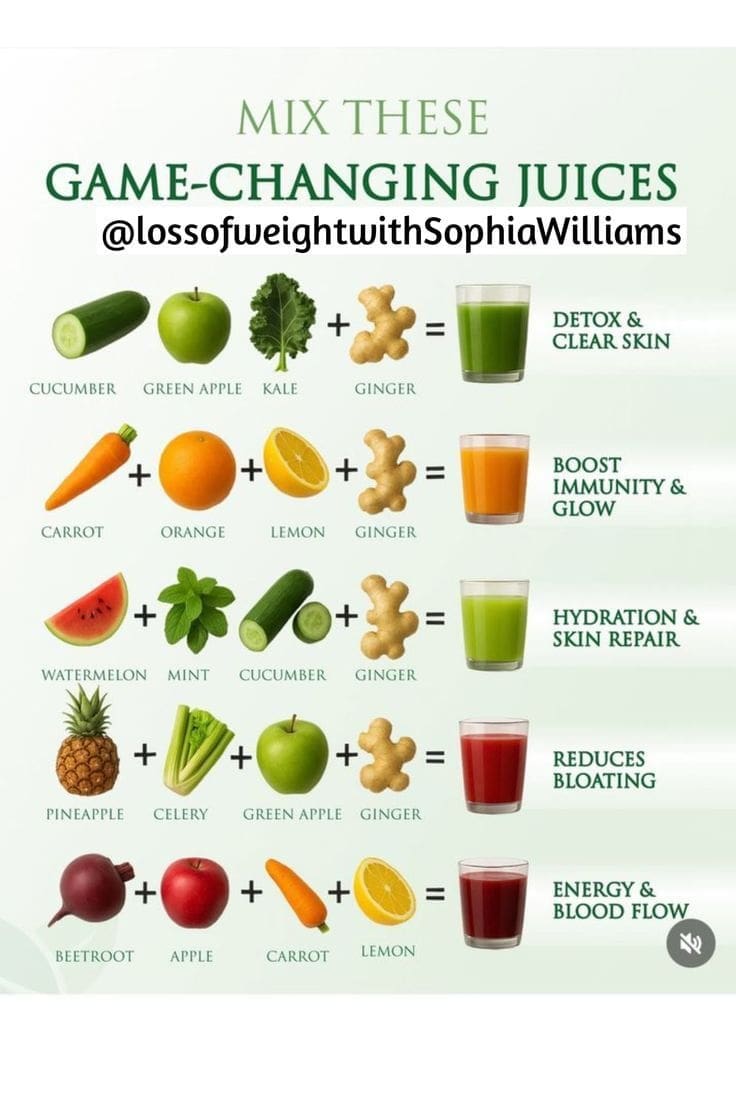
- Hydration and electrolyte replenishment: Juices containing vegetables like cucumber, celery, or watermelon provide fluids and minerals.
- A route to more greens: Leafy greens often don’t appeal on their own as a raw snack, but juicing them with mild flavors is more palatable.
Limitations and risks to keep in mind
You should be aware of downsides so you can minimize risk and choose juicing appropriately.
- Blood sugar spikes: Fruit-heavy juices can be high in natural sugars and rapidly increase blood glucose, which matters if you have diabetes or insulin resistance.
- Reduced fiber: Loss of fiber diminishes the long-term benefits of whole produce for gut health, cholesterol control, and satiety.
- Calorie density: Because juices lack bulk, you may consume more calories without feeling full.
- Dental erosion: Acidity and sugars in juices can affect dental enamel when consumed frequently.
- Potential interactions: Certain juices (like grapefruit) can interact with medications. Always check with your clinician if you’re on medication.
- Food safety: Fresh juices can support bacterial growth if left at room temperature; storage and hygiene are important.
How to make juicing part of a balanced routine
If you want juicing to be helpful rather than harmful, follow a few practical guidelines.
- Use juice as a complement, not a replacement: Treat juice as an addition to a diet that also includes whole fruits, vegetables, proteins, whole grains, and healthy fats.
- Focus on vegetables first: Keep the ratio of vegetables to fruit high to limit sugar content. A common guideline is 3–4 parts vegetables to 1 part fruit.
- Pair juice with a source of protein or healthy fat occasionally: Eating a small protein or fat source alongside juice can slow glucose absorption and help you feel fuller longer.
- Watch portions: Aim for 6–8 ounces per serving rather than large 16–20 ounce portions if using juice between meals.
- Time your juice wisely: Morning or as a mid-afternoon nutrient boost often works well. Avoid using juice as your primary caloric source for every meal.
Practical daily suggestions
- Start with a vegetable-forward green juice in the morning to get a concentrated dose of micronutrients.
- Use juice as a pre- or post-workout drink when you need quick carbs and hydration, but balance it with protein for recovery.
- If you’re trying to manage weight or blood sugar, limit fruit content and add more low-sugar vegetables and herbs.
Sample juice recipes and approximate nutrition
The following recipes are vegetable-forward and are easy to make. Portions and nutrient estimates are approximate and vary depending on exact ingredient sizes.
| Recipe | Ingredients (yields ~8 oz) | Approx. calories | Notable nutrients |
|---|---|---|---|
| Green Reviver | 2 cups spinach, 1 cucumber, 1 green apple (small), 1/2 lemon | 80–100 kcal | Vitamin K, C, potassium |
| Beet-Root Glow | 1 small beet, 2 carrots, 1/2 apple, 1 inch ginger | 90–120 kcal | Folate, betaine, beta-carotene |
| Celery-Cucumber Cooler | 3 stalks celery, 1/2 cucumber, 1/2 lime, handful parsley | 30–50 kcal | Hydration, electrolytes, vitamin A |
| Carrot-Ginger Zing | 4 carrots, 1 small orange, 1 inch ginger | 120–140 kcal | Beta-carotene, vitamin C |
| Tomato-Basil Savory | 3 ripe tomatoes, 1 red pepper, basil leaf, pinch sea salt | 40–60 kcal | Lycopene, vitamin C, potassium |
You’ll notice that these recipes favor vegetables and include small amounts of fruit for balance and flavor. If you need more calories, pair the juice with yogurt, nuts, or a small sandwich.
Choosing the right ingredients: what to use and what to limit
Ingredient choice matters because it changes the taste, sugar content, and nutrient profile of your juice.
- Favor leafy greens: Spinach, kale, Swiss chard, and parsley pack nutrients and are low in sugar.
- Use low-sugar vegetables: Cucumber, celery, zucchini, and garden herbs help bulk volume with minimal sugars.
- Limit high-sugar fruits: Pineapple, mango, grapes, and large quantities of apples or oranges increase sugar content quickly.
- Add small amounts of fruit for taste: A quarter to half an apple, a small orange, or a few berries can sweeten without dominating.
- Use ginger, turmeric, lemon, and herbs: These enhance flavor and add beneficial plant compounds.
- Consider adding healthy fats occasionally: A teaspoon of flaxseed or chia (added to a smoothie, not juice), or pairing juice with nuts can round out nutrient intake.
Juicing for specific goals
You can tailor juicing to support particular health goals while remaining balanced.
- For weight management: Keep the juice vegetable-heavy, limit portions, and pair with protein-rich meals to maintain satiety.
- For athletic performance: Use simple carbohydrate-containing juices pre- or post-workout to replenish energy, alongside protein.
- For gut comfort or during illness: Clear juices from easily digestible vegetables like cucumber, celery, and carrot may be gentler than heavy solid food.
- For increasing produce variety: Rotate colors and types of vegetables and herbs to broaden phytonutrient exposure.
Juicing safety and contraindications
Certain health conditions require caution with juicing.
- Diabetes and insulin resistance: Monitor portion sizes and carbohydrate content carefully. Consult your healthcare provider to adjust medications if needed.
- Kidney disease: Be cautious with juices high in potassium (for example, spinach, beet greens, and tomatoes). Your clinician will advise appropriate limits.
- Pregnancy and breastfeeding: Most fresh produce is safe, but be mindful of food safety, wash thoroughly, and discuss any major dietary changes with your provider.
- Medication interactions: Some juices (grapefruit, Seville oranges) can interfere with drug metabolism. Ask your pharmacist about potential interactions.
How to store fresh juice safely
Fresh juice is perishable. How you store it affects taste, safety, and nutrient retention.
- Drink fresh whenever possible: The sooner you drink juice, the more nutrients are retained.
- Refrigerate immediately: Store juice in an airtight container in the coldest part of your fridge and use within 24–72 hours depending on the juicer type and ingredients. Masticating juice often lasts longer than centrifugal juice.
- Minimize oxidation: Use bottles that allow minimal headspace and avoid prolonged exposure to air. Adding a little lemon juice can slow oxidation.
- Freeze for long-term storage: You can freeze juice in ice cube trays and defrost for later use. Note that freezing can alter texture and some nutrient content.
Choosing a juicer: pros and cons table
This table summarizes key considerations so you can match a juicer to your preferences.
| Juicer Type | Pros | Cons |
|---|---|---|
| Centrifugal | Fast, relatively affordable, good for hard produce | More oxidation, noisy, less efficient with leafy greens |
| Masticating (single-gear) | Higher yield, better for greens, quieter, preserves nutrients | Slower, more expensive, cleaning can be time-consuming |
| Twin-gear (triturating) | Best nutrient and juice yield, minimal oxidation | Most expensive, bulky, longest cleaning time |
Practical tips to maximize benefits and minimize downsides
Apply these everyday tips so juicing supports the rest of your diet.
- Keep vegetable fraction high: Aim for more vegetables than fruit to avoid excess sugar.
- Combine juice with whole foods: Have juice alongside meals that include protein, healthy fats, and fiber.
- Incorporate the pulp: Use leftover pulp in soups, baked goods, or as compost to reduce waste and reclaim fiber.
- Clean equipment promptly: Prevent bacterial growth and maintain efficiency.
- Rotate ingredients: This reduces the risk of overexposure to any one compound (e.g., oxalates in some greens) and increases phytonutrient variety.
- Use juicing as a habit enhancer: Use a morning juice as a “gateway” to prepare a healthy breakfast or to increase vegetable intake during the day.
Addressing common myths about juicing
You’ll encounter many claims about juicing; here’s how to interpret them.
- “Juice cleanses detox the body”: Your liver and kidneys do the primary detox work. Juice can support hydration and nutrient intake but is not a substitute for organ function.
- “Juicing alone leads to sustainable weight loss”: Any weight loss from extreme juice-only regimens is often short-lived and may lead to nutrient deficiencies. Balanced, sustainable changes produce lasting results.
- “Fresh juice cures chronic disease”: While juice can provide supportive nutrients, it doesn’t replace evidence-based medical treatments. Use it as a complement, not as a cure.
Sample weekly plan integrating juice into a balanced routine
This sample plan shows how you might include juice without sacrificing balance.
- Monday: 8 oz morning green juice (spinach, cucumber, lemon). Breakfast: oatmeal with nuts and yogurt.
- Tuesday: 8 oz beet-carrot juice post-workout. Lunch: grilled chicken salad with quinoa.
- Wednesday: 6-8 oz celery-cucumber cooler mid-afternoon. Snack: apple with almond butter.
- Thursday: 8 oz carrot-ginger juice in the morning. Dinner: baked salmon, roasted vegetables, brown rice.
- Friday: 8 oz tomato-basil savory with lunch. Snack: hummus with raw veggies.
- Saturday: Use juice as a pre-hike boost (small fruit content for quick carbs). Focus on balanced meals throughout the day.
- Sunday: Make a vegetable-heavy juice for brunch and pair with eggs and whole-grain toast.
This plan keeps juice as an adjunct—part of a day that includes protein, healthy fats, fiber, and complex carbohydrates.
Frequently asked questions
Q: How much juice is safe per day? A: For most people, 6–12 ounces of vegetable-forward juice per day is reasonable. If you include more fruit, keep portions smaller and balance with whole foods.
Q: Can juice replace meals? A: Regularly replacing meals with juice can lead to inadequate protein, fat, and fiber intake. Occasional meal replacement with a well-planned shake that includes protein is better than relying on juice alone.
Q: Will juicing help detox my body? A: Juice can support hydration and nutrient intake, but “detox” is mainly a function of your liver and kidneys. Focus on a balanced diet, sleep, and activity for comprehensive support.
Q: How long does juice stay fresh? A: Fresh juice is best consumed within 24 hours. Cold-pressed juices can last up to 48–72 hours if stored properly, but nutrient levels and flavor will decline over time.
When to consult a professional
If you have chronic health conditions, a history of disordered eating, are pregnant, or are taking medications, ask your healthcare provider or a registered dietitian before making juicing a major part of your routine. They can help you adjust portions, choose ingredients safely, and monitor interactions.
Final thoughts
You can make juicing a helpful and enjoyable part of your balanced wellness routine when you use it thoughtfully. Focus on vegetable-centric juices, moderate portions, and pairing juice with whole foods that provide protein and healthy fats. Keep safety and food hygiene in mind, and consult a professional when you have medical concerns. Used well, juicing can boost variety, hydration, and micronutrient intake — but it works best as one element among many in a wholesome, sustainable approach to health.
Disclaimer.
This content is for informational and educational purposes only and is not intended as medical advice. Always consult a qualified healthcare professional before making changes to your diet, especially if you have a medical condition, are pregnant, or are taking medication.
As an Amazon Associate, we earn from qualifying purchases