
Juicing on the go doesn’t have to be complicated, even with a busy work schedule or frequent travel. With the right planning and a few smart solutions, you can enjoy fresh, nutritious juices wherever you are. From portable containers to prep-ahead tips, staying healthy on the move is easier than you might think.
Juicing On The Go: Travel And Work Solutions
This article gives you practical, friendly guidance for making juicing work with your travel and work routines. You’ll get device recommendations, packing tips, recipes, safety advice, and troubleshooting so you can maintain consistent nutrition on the move.
Why Juicing While Traveling or Working Matters
Juicing can help you meet vegetable and fruit intake goals when you’re short on time or when healthy options are limited. You’ll preserve vitamins and phytonutrients and can tailor blends to support energy, immunity, or digestion while away from home.
Common Challenges
Keeping equipment clean, managing power and battery life, and preventing oxidation are frequent issues you’ll face when juicing on the go. You’ll also need to think about liquids at airports, refrigerator access, and workplace etiquette when using juicers in shared spaces.
Choosing the Right Portable Juicer
Picking the right device depends on your priorities: speed, juice quality, portability, battery life, noise, and budget. You’ll want a balance between convenience for travel and the quality of juice you expect.
Types of Portable Juicers
There are several portable juicer styles to consider, each with trade-offs in yield, noise, and cleaning. Understanding the main types will help you match a device to your travel and work routines.
| Type | How it works | Pros | Cons | Best for |
|---|---|---|---|---|
| Centrifugal (mini) | High-speed spinning blade separates juice from pulp | Fast, inexpensive, lightweight | More foam, oxidation, lower nutrient retention | Quick single-serve at office |
| Masticating (slow) | Auger crushes and squeezes produce | Higher yield, less oxidation, better nutrient retention | Slower, more parts to clean, heavier | Frequent juicers who value quality |
| Cold-press / Hydraulic | Presses produce into juice (not usually portable) | Best nutrient preservation | Not portable or budget-friendly | Not recommended for travel |
| Manual (hand-press, citrus) | Hand pressure extracts juice | No electricity, compact, quiet | Labor-intensive, limited to certain produce | Camping, flights, minimalism |
| Blender + Strainer | Blend then strain through nut milk bag or sieve | Versatile (smoothies & soups), multi-use | Extra step to strain, bulky if you carry blender | When you want both smoothies and juice |
Key Features to Consider
You’ll want to weigh portability, battery life, cleaning ease, noise level, and juice quality. Also consider warranty and replacement part availability for long-term use.
- Portability: Size and weight determine whether you’ll carry it in a backpack or luggage.
- Power: Check battery capacity, USB charging, and whether you can use a car adapter.
- Noise: Some offices or early-morning workspaces need near-silent operation.
- Cleaning: Removable parts, dishwasher-safe components, and included brushes matter.
- Durability: Stainless steel augers or high-grade plastics last longer in travel conditions.
Battery and Power Options
Power sources are crucial for travel juicers, so you’ll want clarity on run time, charging type, and whether you can charge from a power bank or car outlet. Choosing the right power system lets you avoid being stranded without juice.
| Power Type | Typical run-time | Charging method | Pros | Cons |
|---|---|---|---|---|
| Internal rechargeable battery | 6–30 cycles per charge depending on model | USB-A/C, proprietary charger | No cords during use, portable | Needs recharging, limited cycles |
| USB power bank (external) | Depends on power bank capacity | USB passthrough | You can carry spares, multi-use | Some juicers require higher amperage |
| Car adapter (12V) | “Unlimited” while plugged in | Car cigarette lighter | Great for road trips | Tied to car, limited to vehicle use |
| Manual | Unlimited (human energy) | None | Always available, simple | Physically tiring, limited produce types |
| AC plug-in | Continuous use | Wall outlets | Consistent power | Not travel-friendly for many situations |
What to Pack for Juicing on the Go
Packing smart makes the difference between a smooth juicing session and a frustrating attempt under pressure. You’ll want essentials that maximize safety, convenience, and flavor.
Essential Juicing Packing Checklist
Pack items that you’ll use daily and items that are backups in case of power or cleanliness issues. Below is an actionable checklist you can use when preparing luggage or a work bag.
| Item | Purpose | Tips |
|---|---|---|
| Portable juicer | Core equipment | Choose based on device comparison earlier |
| Travel blender (optional) | For smoothies or blending then straining | Versatile if you want both drinks and soups |
| Reusable bottles (glass or BPA-free) | Storage and transport | Pick leak-proof, insulated bottles when possible |
| Fine mesh strainer / nut-milk bag | Strain blended juices | Compact and multi-use |
| Cleaning brush & biodegradable soap | Clean immediately after use | Use small travel bottles for liquids |
| Microfiber cloths or paper towels | Quick wipe and drying | Lightweight and absorbent |
| Small cutting board & travel knife | Prep produce | Use foldable cutting board to save space |
| Ice pack or small cooler bag | Keep juice chilled | Critical for hot climates and longer storage |
| Spare power bank or car adapter | Ensure power on long trips | Check juicer’s power requirements |
| Food storage bags / vacuum sealer | Store prepped produce | Vacuum sealing reduces oxidation |
| Labels & marker | Date and identify bottles | Helps manage freshness and ingredients |
| Disposable gloves | Food safety in shared kitchens | Thin nitrile gloves are compact |
| Small trash bag | Waste management | Keeps prep area tidy |
Containers and Storage
How you store juice affects taste, safety, and nutrient retention throughout the day. You’ll want containers that are airtight, easy to clean, and suitable for refrigeration.
You’ll benefit most from glass containers for flavor retention and stain resistance, while insulated stainless steel keeps juice cold longer. If weight is a concern, high-quality BPA-free plastics work but may absorb odors and colors.
| Container Type | Pros | Cons | Best use |
|---|---|---|---|
| Glass bottles | Retains flavor, no leaching | Heavier, can break | Short-term storage, flights in checked luggage |
| Stainless steel insulated | Keeps cold for hours | Not transparent | Office or commute where cold retention matters |
| BPA-free plastic | Lightweight, durable | Can retain odors/colors | Travel where weight matters |
| Mason jars | Cheap and widely available | Breakable, not leak-proof | Home or car with secure storage |
| Vacuum-sealed bottles | Reduces oxidation | More expensive | Longest shelf-life for pre-made juice |
Cleaning Supplies
You’ll have better luck keeping tools hygienic with a small kit specifically for juicing. Carry travel-sized soap, a brush for small parts, and quick-dry cloths to speed cleanup.
Use biodegradable soap to avoid strong residues and scrub all removable parts immediately after use. If you’re in a setting without a sink, pack sanitizing wipes or a spray approved for food contact surfaces.
Best Ingredients for Travel-Friendly Juicing
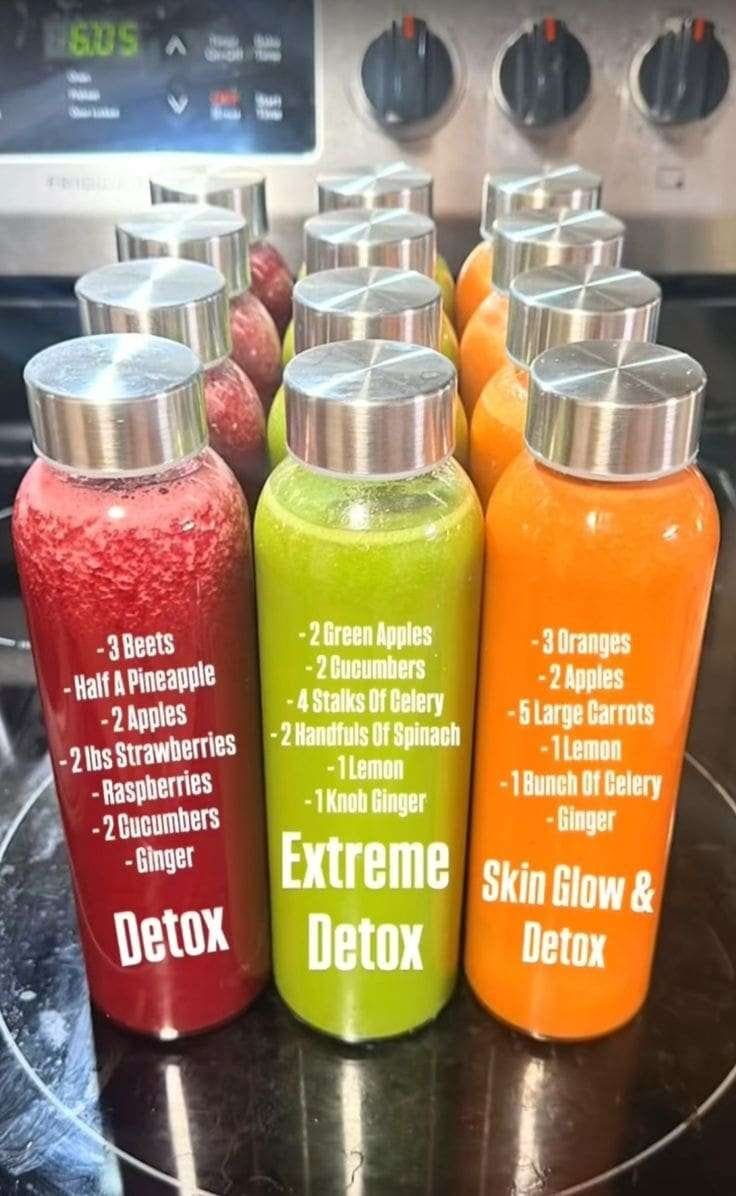
Selecting the right produce reduces mess, spoilage, and cleaning time. Focus on durable, low-oxidation ingredients that travel well and yield good flavor.
Low-Mess, High-Nutrition Ingredients
Choose produce that’s sturdy and less likely to bruise, and that gives you a vibrant mix of vitamins and minerals. You’ll get more practical combinations with minimal prep and trash.
| Ingredient | Benefit | Travel tip |
|---|---|---|
| Carrots | Sweet, high in beta-carotene | Wash and trim tops; no peeling necessary |
| Apples (firm) | Natural sweetness and body | Core at destination to reduce oxidation |
| Citrus (oranges, mandarins) | Vitamin C, bright flavor | Peel partially to avoid bitter pith |
| Beets | Iron and nitrates | Slice thin to speed juicing |
| Kale / Spinach | Nutrient-dense greens | Pack wilt-resistant leaves |
| Cucumber | Hydration, mild flavor | Great for diluting stronger juices |
| Ginger | Anti-inflammatory, flavor boost | Small piece adds punch; peel thinly |
| Celery | Hydrating and fibrous | Keeps well in cooler bags |
| Frozen berries | Antioxidants, sweet/tart | Freeze before travel; use as cooler and ingredient |
| Pineapple | Enzymes and flavor | Use fresh if possible; canned not recommended |
Fruit and Vegetable Combos That Travel Well
Some blends are naturally more travel-friendly because they contain durable produce and masking flavors that hide slight oxidation. You’ll often pair an acidic item (lemon) with greens to stabilize flavor and color.
- Carrot + Apple + Ginger: Sweet, low-foam, long shelf life refrigerated.
- Cucumber + Celery + Lime + Mint: Hydrating, light, and refreshing.
- Beet + Apple + Lemon: Earthy but stabilized by citrus.
- Kale + Pineapple + Cucumber: Strong nutrients with natural sweetness.
- Spinach + Green Apple + Lemon: Mild flavor with detox-friendly profile.
Recipes for Travel and Work
These recipes are designed for portability, longevity, and minimal cleanup. Each is single-serve unless otherwise noted and includes approximate yield and benefits.
| Recipe | Ingredients | Yield | Benefits |
|---|---|---|---|
| Morning Energizer | 2 carrots, 1 apple, 1 small piece ginger | ~12–14 oz | Beta-carotene, natural sugars for energy |
| Hydration Boost | 1 cucumber, 2 stalks celery, 1/2 lemon | ~10–12 oz | Hydration and electrolytes |
| Immunity Shot | 1 orange, 1 small beet, 1/2 lemon | ~8–10 oz | Vitamin C, nitrates, antioxidants |
| Greens Refresher | 1 cup spinach, 1 apple, 1/2 cucumber, 1/2 lemon | ~10–12 oz | Vitamins K and C, balanced taste |
| Evening Calm (low sugar) | 1/2 cucumber, 1/2 apple, few leaves of mint | ~8–10 oz | Low sugar, hydrating, soothing |
You’ll find that prepping produce ahead and storing in vacuum bags or refrigeration further improves the performance of these recipes on long trips.
Meal Timing and Portion Strategies
How you time and portion juice affects satiety, blood sugar, and how well juice complements meals. You’ll want to use juices as supplements, not always as meal replacements unless you plan carefully.
Single-Serve vs Batch Juicing
Single-serve juicing gives peak freshness but requires more frequent cleaning and prep. Batch juicing saves time but requires attention to storage to prevent nutrient loss and fermentation.
If you batch juice, store smaller portions in vacuum-sealed bottles to minimize air contact. For single-serves, choose compact devices and recipes that need minimal cleanup.
Preserving Nutrients and Freshness
Nutrient degradation begins (especially vitamin C) when juice is exposed to air and light, so storing correctly is essential. You’ll want to limit time between juicing and consumption when possible.
Tips to preserve freshness:
- Use airtight, filled-to-the-top bottles to reduce oxygen.
- Keep juice cold with an insulated bottle or cooler bag.
- Add lemon or lime juice to slow oxidation.
- Consider cold-pressed or low-speed extraction to preserve enzymes.
- Consume within 24–48 hours for best nutrient retention; ideally within 12 hours.
On-the-Road Preparation and Techniques
Good preparation reduces stress, saves time, and improves the quality of juice you’ll produce on the go. You’ll gain confidence with a routine and packing system.
Prepping at Home for Travel
Pre-prepping produce lets you assemble quickly on the road and minimizes equipment needs. You’ll want to chop, vacuum-seal, and freeze where appropriate so produce stays fresh and compact.
Steps you can follow:
- Wash and trim produce, removing cores and tough stems.
- Slice or chop into sizes suitable for your juicer’s feed chute.
- Vacuum-seal or pack in airtight containers; label with date and recipe.
- For longer trips, freeze packets; they act as cooler elements while thawing.
Juicing in Hotels, Airbnbs, and Shared Kitchens
Using juicers away from home requires courtesy and a clean approach so you leave the space as you found it. You’ll reduce confrontation and improve access by packing disinfectant and being mindful of noise.
Good habits include:
- Place a towel under the device to catch splashes.
- Run juicer near sink or trash to save time.
- Ask property owners if you can use their kitchen for extended juicing or bring your own small mat and cleaning kit.
Juicing at Work and Coworking Spaces
Juicing in a workplace requires thoughtfulness about space, odor, and time. You’ll be better received by colleagues if you choose low-odor produce and clean promptly after use.
Tips for workplace juicing:
- Use quieter models and juice during breaks to minimize disruption.
- Keep cleanup supplies in a small caddy and carry your jar to the sink immediately.
- If juice scents are strong, choose milder blends or strain to reduce fermenting pulp smells.
Food Safety, Hygiene, and Regulations
Safety is non-negotiable when handling produce and juices in unfamiliar spaces. You’ll want to be especially careful with storage temperatures and cleanliness.
Airport and TSA Rules
Air travel has specific rules about liquids, but pre-made juice fits within standard allowances in carry-on luggage as long as it obeys the 3.4 oz (100 mL) rule for liquids in carry-ons. You’ll need to place larger volumes in checked luggage or buy juice post-security.
Key points to remember:
- Carry small samples under 100 mL in the screened bag; larger bottles may be confiscated.
- If you’re bringing pre-made juice, pack in checked luggage in insulated containers, or bring powder concentrates and rehydrate after security.
- Declare anything you’re unsure about and check local airport policies for fresh produce; some countries restrict entry of fresh fruits or vegetables.
Allergens and Cross-Contamination
When using shared spaces, be mindful of cross-contact with allergens like nuts, soy, or sesame. You’ll protect yourself and others by cleaning surfaces and equipment meticulously.
Use separate utensils or thoroughly sanitize between uses and consider labeling your bottles if they contain common allergens. Disposable liners or nut-milk bags saved for personal use are helpful in shared kitchens.
Maintenance and Troubleshooting
Well-maintained equipment lasts longer and performs better. You’ll save time and avoid headaches by regularly servicing your portable juicer and understanding common fixes.
Cleaning and Sanitizing Portable Juicers
Frequent cleaning prevents buildup, reduces odors, and maintains flavor quality. You’ll find most problems arise from pulp clogging or neglected blades and screens.
Best cleaning routine:
- Rinse immediately after use while pulp is soft.
- Use supplied brush and mild soap for screens and crevices.
- For stubborn residue, soak parts in warm water with baking soda or vinegar (check manufacturer recommendations).
- Dry completely before packing to avoid mold or bacteria.
Common Problems and Fixes
Knowing simple fixes saves time and potential replacement costs. You’ll be able to troubleshoot common issues like clogging, weak suction, or strange noises quickly.
| Problem | Likely cause | Quick fix |
|---|---|---|
| Low juice yield | Large or fibrous pieces; wrong produce | Pre-cut produce small, alternate soft/hard produce |
| Device overheats | Continuous operation or clogged parts | Allow cool-down periods; clean screens |
| Strange noise | Loose parts or debris | Disassemble, clean, reassemble securely |
| Leaks | Faulty seal or overfilled container | Check gasket, tighten connections |
| Battery drains quickly | Old battery, high load device | Carry spare power bank; check battery health |
Health Considerations and Nutritional Guidance
Juices can be nutrient-dense, but they can also be high in sugars and low in fiber. You’ll want to balance juices with whole foods and be mindful of portioning.
Blood Sugar, Fiber Loss, and Portion Control
Because juicing removes much of the fiber, sugars from fruits can cause quick blood sugar spikes. You’ll mitigate this by including more vegetables, limiting fruit, and pairing juices with protein or healthy fat when possible.
Guidelines:
- Aim for more vegetables than fruits (e.g., 70% veg, 30% fruit).
- Combine with a protein-rich snack if drinking between meals.
- Monitor portion sizes—one 8–12 oz serving is usually sufficient.
Timing with Medications and GI Sensitivities
Some juices, especially grapefruit and high-vitamin K blends, interact with medications or influence clotting. You’ll want to check with your healthcare provider when you have prescriptions or medical conditions.
- Ask about grapefruit and drug interactions if you take statins or certain blood pressure medications.
- Start with small portions if you have a sensitive stomach and monitor tolerance, especially with high-fiber or concentrated green juices.
Budgeting and Long-Term Use
You’ll want a cost plan that balances initial device costs with ongoing produce and accessory expenses. Good choices save money and reduce waste over time.
Cost-Benefit of Portable Juicing vs Buying
Making juice yourself is almost always cheaper over the long term than buying bottled or cold-pressed juices. You’ll save most when you buy produce in season and prep wisely.
Considerations:
- Higher-end slow juicers cost more but give better yield and lower waste.
- Budget cordless blenders are a good compromise for smoothies and basic juice extraction.
- Factor in bottles, cleaning supplies, and occasional replacement parts.
Sustainable Practices and Reducing Waste
Sustainability reduces your environmental footprint and can be cheaper. You’ll want to compost pulp, reuse containers, and select durable gear.
- Compost pulp or use it in recipes (baked goods, soups, vegetable stock).
- Choose reusable bottles and eco-friendly packing materials.
- Shop for imperfect produce or bulk bargains and freeze what you won’t use immediately.
Final Checklist and Practical Tips
A final checklist ensures you leave no important detail behind when packing your juicing kit. You’ll be ready for flights, workdays, or road trips with these essentials.
| Category | Must-have items |
|---|---|
| Equipment | Portable juicer, spare battery/power bank |
| Prep & storage | Cutting board, knife, bottles, labels, cooler bag |
| Cleaning | Brush, soap, cloths, sanitizing wipes |
| Backups | Strainer bag, spare gasket, small trash bag |
| Documentation | Manufacturer manual, warranty, local rules for produce |
Practical tips:
- Pack a small towel under your device to catch spills.
- Always label and date bottles to track freshness.
- Use frozen fruit packets as both ingredients and cooler elements.
Frequently Asked Questions
You’ll find common beginner questions answered here so you can act with confidence and clarity when juicing away from home.
Q: How long will juice last in a travel bottle? A: Refrigerated and vacuum-sealed, juice typically stays good for 24–48 hours, though best flavor and nutrient retention are within 12–24 hours. Use cold retention methods and acidifying with lemon to slow oxidation.
Q: Can I bring fresh juice through airport security? A: In carry-on, all liquids must be within the 100 mL (3.4 oz) limit per container; larger quantities require checked luggage or purchase after security. Always check current airport and airline policies before traveling internationally with fresh produce.
Q: Should I buy a centrifuge or a slow juicer for travel? A: Choose a fast centrifugal if you prioritize speed and weight; choose a slow masticating model if you prioritize yield and nutrient retention. Consider how often you’ll use it and whether you can support heavier or more complex devices.
Q: Is juicing better than blending? A: Juicing concentrates nutrients and removes much of the fiber, which can mean faster nutrient absorption but also faster blood sugar increases. Blending retains fiber and makes a more filling beverage; selecting between them depends on your goals.
Q: How do I prevent bottles from leaking during travel? A: Use leak-proof lids, ensure caps are tightly sealed, and place bottles upright in insulated bags. For flights, cushion bottles in soft clothing within checked luggage.
Conclusion
You can keep juicing part of your travel and work life with the right planning, equipment, and habits. You’ll find the balance between convenience and nutrition by choosing the proper device, prepping smartly, and maintaining good storage and hygiene practices.
Use the checklists, recipe ideas, and troubleshooting guidance here to build a portable juicing routine that fits your schedule and supports your health goals. With a little preparation, you’ll enjoy fresh, nutrient-rich juices wherever your work or travels take you.
Disclaimer.
This content is for informational and educational purposes only and is not intended as medical advice. Always consult a qualified healthcare professional before making changes to your diet, especially if you have a medical condition, are pregnant, or are taking medication.
As an Amazon Associate, we earn from qualifying purchases