
Daily juicing benefits your body in more ways than you might realise. Drinking fresh juice each day can boost your energy, support digestion, strengthen your immune system, and help you feel lighter and more balanced. With the right ingredients, a simple daily juice can become one of the easiest habits for better health.
Daily Juicing Benefits
You’ll find that adding fresh juice to your daily routine can be a simple, flavorful way to increase your intake of vitamins, minerals, and phytonutrients. This article explains what daily juicing can do for your body and routine, highlights evidence-based benefits, warns about potential downsides, and gives practical tips and recipes so you can get started with confidence.
What Is Daily Juicing?
Daily juicing is the practice of extracting liquid from fruits and vegetables and consuming that liquid regularly—typically once per day. You’ll be drinking concentrated nutrients without much of the fibrous material present in whole produce.
Juices can be made from a single ingredient or mixed combinations. You’ll often use a juicer or blender, and you can choose recipes based on health goals, taste preferences, and nutritional needs.
Juicing vs Blending
When you juice, you separate liquid from pulp. When you blend, you keep the pulp and fiber. Juicing gives you a concentrated source of vitamins and enzymes that your body can absorb quickly, while blending preserves fiber which helps with satiety and blood sugar control.
If you want quick nutrient absorption and lighter stomach loads—use juice. If you want more filling meals and better blood sugar stability—consider smoothies or incorporating some pulp back into your drinks.
Types of Juicers
Choosing the right machine affects yield, nutrient retention, and convenience. You’ll want a juicer that fits your budget, lifestyle, and the types of produce you plan to use.
Common Juicer Types
- Centrifugal juicers: fast and affordable, good for hard fruits and veggies, but produce slightly less juice and more heat.
- Masticating (slow) juicers: gently crush produce, higher yield, better preservation of enzymes and nutrients.
- Twin-gear (triturating): excellent extraction and nutrient retention, especially for leafy greens, but more expensive and slower.
- Citrus juicers: specialized for citrus fruits, easy and efficient for oranges, lemons, limes, and grapefruits.
- Blenders (for “juice” with pulp): keep fiber, more versatile for soups and smoothies but produce a different texture.
| Juicer Type | Speed | Yield | Best For | Cost |
|---|---|---|---|---|
| Centrifugal | Fast | Medium | Hard fruits, root vegetables | Low–Medium |
| Masticating | Slow | High | Leafy greens, soft fruits | Medium–High |
| Twin-gear | Slowest | Highest | Leafy greens, wheatgrass | High |
| Citrus | Fast | High (citrus) | Oranges, lemons | Low |
| Blender | Variable | Keeps fiber | Smoothies, soups | Low–Medium |
Nutritional Benefits of Daily Juicing
You’ll get a concentrated dose of vitamins, minerals, antioxidants, and phytonutrients from fresh juice. These compounds support many bodily systems: immune function, cell repair, detoxification pathways, skin health, and more.
Because the juice contains less fiber, nutrients are easier to absorb quickly, which can be beneficial when you need an immediate nutrient boost—for example, after a workout or first thing in the morning.
Increased Intake of Micronutrients
Juicing makes it easier to eat a wide variety of produce that you might otherwise skip. You can combine greens, roots, and fruits into a single glass, increasing the range of vitamins like A, C, K, and several B vitamins, plus minerals like potassium, magnesium, and iron.
Antioxidants and Phytonutrients
Many fruits and vegetables are rich in antioxidants that neutralize free radicals and reduce oxidative stress. Juices made from beets, berries, leafy greens, and carrots are particularly high in these compounds.
Hydration and Electrolyte Support
Fresh juice is mostly water, so it helps with hydration. Juices that include cucumber, celery, citrus, or coconut water provide electrolytes like potassium and small amounts of sodium, useful for rehydration after exercise or on hot days.
Common Nutrients in Popular Juicing Ingredients
Here’s a quick reference to the most common juices and what they typically contribute. Use this to match ingredients to your goals.
| Ingredient | Key Nutrients | Notable Benefits |
|---|---|---|
| Carrot | Beta-carotene (vitamin A), vitamin K, potassium | Eye health, skin repair, antioxidants |
| Beetroot | Nitrates, folate, vitamin C, potassium | Blood pressure support, endurance |
| Spinach | Vitamin K, iron, folate, vitamin A | Bone health, energy, cell repair |
| Kale | Vitamins A, C, K, calcium | Antioxidant support, bone health |
| Celery | Potassium, vitamin K, vitamin C | Hydration, anti-inflammatory compounds |
| Apple | Vitamin C, polyphenols, potassium | Antioxidants, digestion support |
| Lemon | Vitamin C, citric acid | Immune support, taste balancing |
| Ginger | Gingerol, vitamin C | Anti-inflammatory, digestive support |
| Turmeric | Curcumin | Anti-inflammatory, antioxidant |
| Cucumber | Water, potassium, vitamin K | Hydration, light electrolytes |
| Pineapple | Vitamin C, bromelain | Anti-inflammatory, digestion aid |
| Blueberry | Antioxidants, vitamin C, manganese | Cognitive support, antioxidant power |
Health Benefits Backed by Research
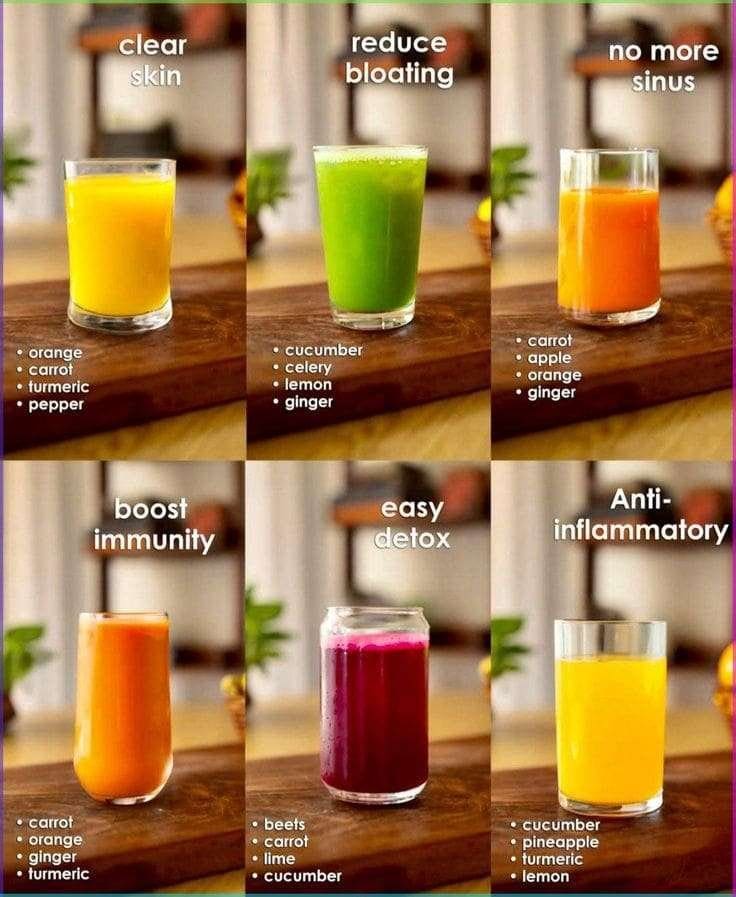
You’ll encounter several health claims around juicing. Some have strong support, while others are promising but need more study. Here are the most reliable benefits you can expect from adding juice to your daily routine.
Improved Nutrient Intake
Daily juicing helps you reach a higher intake of fruits and vegetables, which is consistently associated with lower risk of chronic diseases. If you struggle to eat whole produce, juice makes it more convenient to increase variety and amounts.
Cardiovascular Health
Beet juice, celery juice, and many green juices are rich in nitrates, potassium, and flavonoids that support healthy blood pressure and vascular function. Studies show beetroot juice can lower systolic and diastolic blood pressure by improving nitric oxide availability.
Antioxidant and Anti-Inflammatory Effects
Many juices—especially those with berries, leafy greens, and turmeric—are dense in antioxidants and anti-inflammatory compounds. These may reduce oxidative stress, which is linked to chronic diseases and aging.
Digestive Support (Short-Term)
Enzymes in fresh juice and the ease of digestion can be soothing during times when your stomach needs a break. Many people find vegetable-based juices easier to digest than heavy meals. However, because fiber is reduced, long-term digestive health still requires whole foods.
Skin Health
Vitamin A, vitamin C, and antioxidants found in carrot, citrus, and leafy green juices help with collagen synthesis and skin repair. Regular intake may contribute to clearer, more resilient skin.
Energy and Cognitive Benefits
You may notice improved energy, clearer thinking, and reduced mid-afternoon slumps because juice delivers quick micronutrients and hydration. B vitamins, iron, and antioxidants all support energy metabolism and cognitive function.
Potential Risks and How to Mitigate Them
Daily juicing isn’t a cure-all. There are real downsides you should be aware of. If you’re mindful, you can minimize risks and keep juicing safe and beneficial.
Blood Sugar Spikes
Fruit-heavy juices can cause rapid increases in blood sugar. If you have diabetes or insulin sensitivity, use mostly vegetables, particularly non-starchy ones, and avoid large quantities of fruit. Add lemon, lime, cucumber, or leafy greens to reduce glycemic impact. Pair juices with protein or healthy fats from your meal to blunt spikes.
Loss of Fiber
Juicing removes much of the insoluble fiber that supports gut health and satiety. To compensate:
- Keep some pulp and mix it into smoothies, soups, or baked goods.
- Alternate juicing days with whole-food meals that include fiber.
- Use blended smoothies occasionally to preserve fiber.
Dental Health
Juice acidity and natural sugars can erode enamel. Reduce risk by:
- Drinking juice with meals rather than sipping all day.
- Rinsing your mouth with water after drinking.
- Using a straw to reduce contact with teeth.
Calorie Overload
Juices can be calorie-dense if they’re fruit-heavy. Track portions and be cautious of drinking multiple high-sugar juices daily. Use more vegetables and less fruit to keep calories reasonable.
Nutrient Imbalance
If you replace whole meals with juice frequently, you may miss protein, healthy fats, and certain micronutrients. Use juice as a supplement or meal accompaniment rather than a recurring full meal. If you plan to use juices as meal replacements, consult a nutrition professional to ensure balance.
How to Build a Balanced Daily Juicing Routine
You’ll get the most benefits when juicing complements a nutrient-dense whole-food diet. Here’s how to build a sustainable routine.
Recommended Daily Juice Servings
A good daily serving is about 8–12 ounces (240–350 ml) of fresh juice. This gives you a strong nutrient boost without excess calories or sugar. If you have specific goals (e.g., athletic performance), you might increase volume under professional guidance.
Juice Timing
- Morning: A nutrient-rich green juice or citrus blend can jump-start your day and hydrate you.
- Pre-Workout: Beetroot or light fruit-veg blends provide quick energy and improve blood flow.
- Post-Workout: Rehydrating juices with electrolytes (cucumber, coconut water, banana in a smoothie) help recovery.
- Mid-Afternoon: A veggie-based juice can replace sugary snacks and restore focus.
Balancing Ingredients
Focus on a ratio heavy on vegetables (about 70–80% vegetables to 20–30% fruit) for everyday juicing. Add ginger or turmeric for flavor and anti-inflammatory benefits, and include a little citrus to preserve and enhance absorption of iron from greens through vitamin C.
Practical Tips for Juicing Success
Make juicing easy so it becomes sustainable. Small habits reduce barriers and improve consistency.
- Shop seasonally and buy what you enjoy so juices are appealing.
- Wash and prep produce in batches. Store pre-cut vegetables in the fridge for quick use.
- Clean your juicer promptly after use to prevent buildup and extend machine life.
- Batch-juice for 24–48 hours maximum. Store in airtight glass containers in the fridge to slow oxidation.
- Freeze juice in ice cube trays for longer-term storage—use within a month for best quality.
Storage and Shelf Life Table
| Storage Method | Time | Tips |
|---|---|---|
| Fridge in airtight glass | 24–48 hours | Fill container to the top to limit oxygen; keep cold |
| Freezer (sealed) | Up to 1 month | Thaw in fridge overnight; stir well before drinking |
| Room temp (no preservative) | Not recommended | Rapid nutrient loss and spoilage risk |
Best Vegetables and Fruits for Daily Juicing
You’ll want a reliable list of go-to ingredients. These are versatile, nutrient-dense, and suitable for daily use.
- Leafy greens: kale, spinach, Swiss chard
- Root vegetables: carrot, beet, ginger
- Hydrating vegetables: cucumber, celery
- Brassicas (use in moderation): broccoli, cauliflower (light quantities and blended)
- Citrus: lemon, lime, orange (moderate fruit)
- Apples and pears: natural sweetness and fiber when used sparingly
- Berries: blueberries, strawberries (high antioxidants, moderate sugar)
- Tropical fruits: pineapple, mango (use occasionally for flavor)
- Herbs: parsley, cilantro, mint, basil (flavor and detox-supportive compounds)
- Spices: turmeric, ginger (anti-inflammatory)
Sample Weekly Juicing Plan
This week-long plan gives you variety, balances vegetables and fruits, and targets key benefits like energy, immunity, and cardiovascular support.
Day 1 — Green Morning Ingredients: kale, spinach, cucumber, green apple, lemon, ginger Benefit: Balanced vitamin boost to start the week; good for iron absorption and hydration.
Day 2 — Beet Power Ingredients: beet, carrot, apple, lemon Benefit: Nitrate support for blood pressure and endurance.
Day 3 — Citrus Immune Ingredients: orange, carrot, ginger, turmeric Benefit: High vitamin C and anti-inflammatory support.
Day 4 — Cooling Cucumber-Celery Ingredients: cucumber, celery, green apple, mint, lemon Benefit: Hydration, light electrolyte replacement, gentle anti-inflammatory effects.
Day 5 — Antioxidant Berry Blend (can be a smoothie for fiber) Ingredients: blueberries, strawberries, spinach, banana, a scoop of protein (optional) Benefit: Cognitive and skin-supporting antioxidants plus satisfying protein if blended.
Day 6 — Roots & Greens Ingredients: carrot, beet, kale, apple, lemon Benefit: A broad-spectrum nutrient blend supporting liver and circulation.
Day 7 — Turmeric Tonic Ingredients: pineapple, turmeric, lemon, ginger, black pepper (small pinch) Benefit: Digestive and anti-inflammatory support with immune-boosting enzymes.
Juicing Recipes
Here are practical recipes with approximate quantities for one serving. Adjust proportions based on your juicer and taste.
Green Glow Juice
- 2 cups spinach
- 1 cup kale
- 1 cucumber
- 1 green apple
- 1/2 lemon (peeled)
- 1-inch ginger Benefit: Iron absorption, hydration, and a vitamin-packed start.
Beetroot Energizer
- 1 medium beet (peeled)
- 2 carrots
- 1 apple
- 1/2 lemon Benefit: Nitrate boost for blood pressure and workout performance.
Carrot Ginger Zing
- 4 carrots
- 1 apple
- 1-inch ginger
- 1/2 orange Benefit: High beta-carotene and digestive support.
Citrus Immune Booster
- 2 oranges
- 1 grapefruit (optional)
- 1/2 lemon
- 1 small carrot Benefit: Potent vitamin C and bright flavor.
Celery Cleanser
- 6–8 stalks celery
- 1 cucumber
- 1 green apple (optional)
- 1/2 lemon Benefit: Hydration and mild anti-inflammatory benefits.
Pineapple Turmeric Tonic
- 1 cup pineapple chunks
- 1 carrot
- 1-inch turmeric
- 1/2 lemon
- Small pinch black pepper Benefit: Bromelain for digestion and anti-inflammatory curcumin.
Tomato Basil Savory
- 3 ripe tomatoes
- 1 celery stalk
- 1/2 cucumber
- Handful basil
- Pinch salt and black pepper Benefit: Low-sugar, savory juice rich in lycopene.
Blueberry Antioxidant Boost (blended)
- 1 cup blueberries
- 1/2 banana
- 1 cup spinach
- 1 cup water or unsweetened plant milk
- Optional: scoop of protein powder Benefit: Antioxidants for brain and skin plus added protein if desired.
Juicing for Specific Goals
You’ll want to tailor ingredients to specific outcomes. Below are focused suggestions.
For Weight Management
- Use mostly vegetables with minimal fruit.
- Keep serving size to 8–12 oz.
- Pair with a high-protein meal to maintain satiety.
- Example: celery, cucumber, kale, lemon, small green apple.
For Athletic Performance
- Include beet juice before workouts for nitrates.
- Post-workout, add a bit of fruit for quick carbs and electrolytes.
- Example Pre-workout: beet, apple, lemon. Example Post-workout: cucumber, coconut water, pineapple.
For Skin and Anti-Aging
- Prioritize vitamin C and vitamin A rich ingredients: carrot, orange, lemon, kale.
- Add berries for antioxidants.
- Example: carrot, orange, spinach, handful of blueberries.
For Immunity
- Use citrus, ginger, turmeric, and leafy greens.
- Include vitamin C-rich fruits daily, but balance with vegetables.
- Example: orange, lemon, ginger, kale.
Choosing the Right Juicer for Your Goals
The right juicer depends on what you’ll make most often. Refer to the table under “Types of Juicers” and match your needs: fast convenience versus nutrient retention versus max yield.
If you rely on leafy greens heavily, prioritize a masticating or twin-gear juicer. For quick morning routines, a centrifugal or a citrus press may be enough.
Frequently Asked Questions
You’ll likely have questions when starting. Here are clear, evidence-based answers.
Q: Can juicing replace meals? A: Not generally. Juice should supplement a balanced diet. It lacks protein and healthy fats unless you intentionally add them elsewhere in your meal plan.
Q: How often can I juice? A: Daily juicing is fine if you keep portions reasonable and don’t rely solely on juices for nutrition. Aim for an 8–12 oz serving and balance with whole foods.
Q: Is store-bought cold-pressed juice as good as homemade? A: Cold-pressed is often nutritionally similar to fresh juice if it’s truly fresh and stored properly, but it’s usually more expensive. Check labels for added sugars or preservatives.
Q: Are juices good for children or pregnant people? A: Use caution. Children’s portions should be smaller and fruit content limited. Pregnant people should be careful with liver-support claims and high-vitamin-A sources; consult your healthcare provider for personalized advice.
Q: What do I do with leftover pulp? A: Add it to soups, stews, muffins, crackers, compost, or as vegetable stock. Pulp can be repurposed easily.
Q: How do I avoid oxidation? A: Use airtight glass containers, fill them to the top, refrigerate immediately, and consume within 24–48 hours.
Troubleshooting and Myths
You’ll hear myths like “juicing detoxes the body.” Your body already detoxifies using the liver and kidneys, but nutrient-rich juice supports those processes. Another myth is that all juice is healthy—fruit-heavy juice can still be high in sugar. Be selective and balance is key.
If you experience digestive upset, reduce serving size or switch to milder vegetables and less fruit. If you notice weight gain, check portion sizes and sugar content.
Safety and Special Considerations
- If you have diabetes, consult your healthcare provider before starting daily juices.
- If you take blood thinners, be cautious with high-vitamin-K green juices (e.g., kale, spinach); consult your provider.
- If you have oxalate issues or kidney stones, limit high-oxalate greens like spinach and beets.
- Clean juicer parts thoroughly to avoid bacterial contamination.
Final Thoughts
You’ll find daily juicing can be an energizing, nourishing habit when used mindfully. It helps you increase your intake of essential nutrients, supports hydration, and can complement fitness and wellness goals. Balance juices with whole-food meals, monitor portions, and choose vegetable-forward recipes to limit sugar and maintain stable energy.
If you start slowly—choose ingredients you enjoy, keep servings sensible, and plan recipes around your goals—you’ll be more likely to stick with it and reap the long-term benefits.
Disclaimer.
This content is for informational and educational purposes only and is not intended as medical advice. Always consult a qualified healthcare professional before making changes to your diet, especially if you have a medical condition, are pregnant, or are taking medication.
As an Amazon Associate, we earn from qualifying purchases.