Introduction — Who This Is For and What You’ll Get
Juicing for Men Over 40 can support energy, reduce inflammation, and help manage blood sugar when used as part of a balanced routine—not a quick fix or crash cleanse.
This guide is for men aged 40+ who want a practical, evidence-based approach. If you’re looking to improve energy levels, support joint health, manage weight, or stabilise blood sugar, this book gives you clear, no-nonsense guidance you can actually follow.
Instead of extreme detox trends, we focus on a realistic approach. Vegetable-based juices, simple routines, and consistent habits tend to deliver better long-term results—especially for men with common metabolic risk factors.
Inside, you’ll find a 7-day starter plan, targeted juice recipes, straightforward juicer advice (masticating vs centrifugal), and guidance on using juicing safely alongside medications or existing health conditions.
With a growing number of men over 40 dealing with metabolic issues and joint discomfort, taking a more structured approach to nutrition isn’t optional—it’s necessary.
Why Juicing Matters for Men Over 40: Risks, Benefits and Key Goals
As men get older, metabolism slows, inflammation increases, and recovery takes longer. Juicing for Men Over 40 can help support energy, improve nutrient intake, and make it easier to stay consistent with better habits—when used correctly.
Key Health Goals After 40
For most men in this age group, the focus should be on:
- Reducing chronic inflammation
- Supporting stable blood sugar levels
- Improving gut health
- Easing joint pain and stiffness
- Supporting sustainable weight loss
Clear, measurable goals help you stay on track. For example, aiming for gradual weight loss (around 5–10% of body weight), improved blood sugar control, or reduced inflammation markers over time.
Why This Matters More With Age
Health risks increase steadily after 40. Many men begin to experience signs of metabolic imbalance, including higher blood pressure, increased body fat, and reduced insulin sensitivity. Joint issues also become more common, especially with age and inactivity.
At the same time, diet quality often declines due to convenience and routine. This is where juicing can help fill nutritional gaps quickly and consistently.
The Real Benefits of Juicing
Juicing is not a replacement for whole foods—but it can be a powerful addition.
- Increases nutrient intake in a simple way
- Supports hydration and digestion
- Helps reduce reliance on processed foods
- Can support weight management when calories are controlled
Vegetable-based juices tend to work best, especially for blood sugar control and long-term consistency.
The Limitations You Need to Know
Juicing removes most of the fibre found in whole fruits and vegetables. This means:
- It should not replace balanced meals
- Fruit-heavy juices can spike blood sugar
- Portion control still matters
Used properly, juicing supports your diet—not replaces it.
What to Expect With Consistency
When done 3–5 times per week as part of a balanced routine, many men notice:
- Better energy levels
- Improved digestion
- Gradual weight loss
- More stable blood sugar
Results won’t be instant—but consistency is what makes the difference.
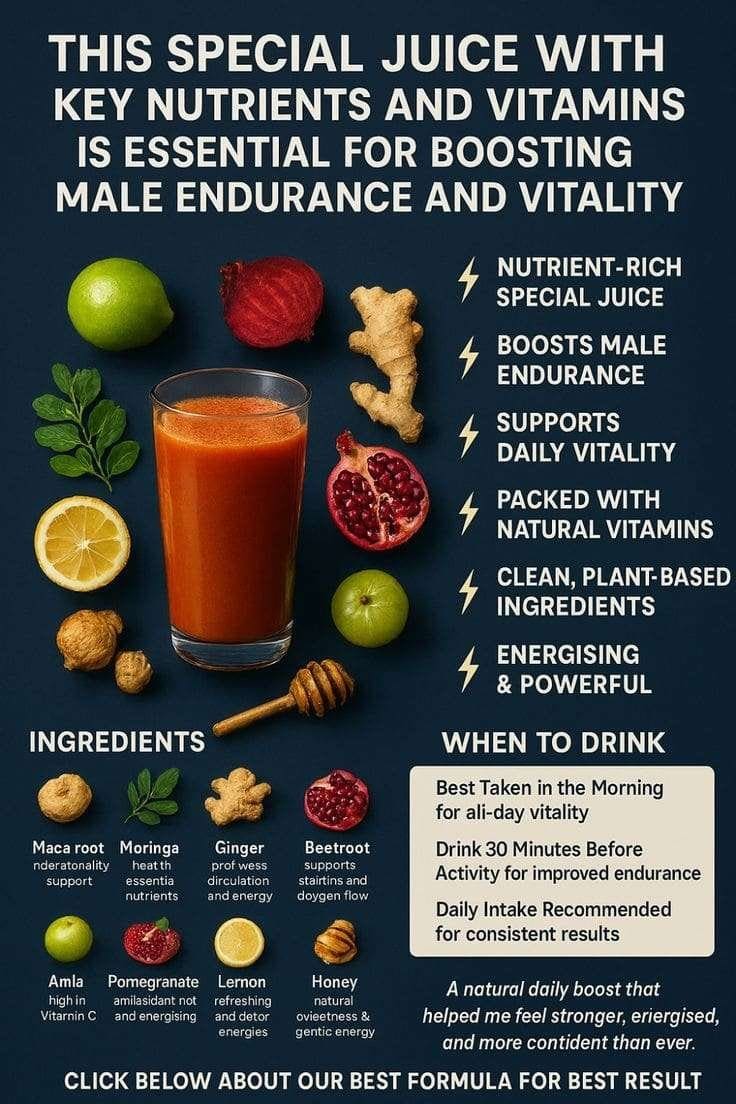
How Juicing Reduces Inflammation and Supports Immunity
Juicing can help reduce inflammation by delivering concentrated nutrients and plant compounds that the body absorbs quickly. When used consistently, this supports both immune function and recovery.
Key Anti-Inflammatory Compounds
Certain ingredients stand out for their effects on inflammation:
- Turmeric (curcumin) – supports the body’s natural anti-inflammatory response
- Ginger (gingerols) – helps reduce inflammation and supports digestion
- Pineapple (bromelain) – may help with swelling and tissue recovery
These compounds are widely studied for their role in managing chronic inflammation, especially when included regularly in the diet.
Why Juicing Helps
Juicing makes it easier to consume these ingredients in effective amounts.
- Faster absorption compared to whole foods
- Higher concentration of nutrients per serving
- Simple way to stay consistent
Vegetable-based juices with small amounts of these ingredients tend to work best.
Getting the Most Out of Your Juice
How you prepare juice matters.
- Masticating (cold-press) juicers retain more nutrients due to lower heat
- Centrifugal juicers are faster but may reduce some nutrient quality
To improve absorption:
- Pair turmeric with a pinch of black pepper
- Add a small amount of healthy fat (such as olive oil)
These simple additions can significantly improve how well your body uses the nutrients.
Important Safety Notes
If you have an autoimmune condition or take medication, be careful with concentrated ingredients.
- Anti-inflammatory compounds can affect how medications work
- This is especially important if you take steroids or immune-related treatments
If in doubt, check with a healthcare professional before making changes.
What Results to Expect
Juicing alone is not a cure—but it can support overall health when combined with a balanced diet and lifestyle.
With regular use, many people experience:
- Reduced inflammation over time
- Improved digestion
- Better energy and recovery
Consistency matters more than intensity.
Blood Sugar, Diabetes and Juicing: Safe Recipes and Clinical Cautions
Juicing for Men Over 40 can either support blood sugar control or make it worse—it all depends on what goes into your juice and how much you drink.
Why This Matters
Many men over 40 deal with prediabetes or type 2 diabetes. Fruit-heavy juices can cause rapid spikes in blood sugar, while vegetable-based juices tend to have a much lower impact.
- Vegetable juices (12–16 oz): ~6–12g carbs
- Fruit-heavy juices (12–16 oz): ~25–40g+ carb
Keeping sugar low is key.
Diabetes-Safe Juice Recipes
These options focus on low sugar and steady energy.
Low-Sugar Green Stabiliser
- Spinach (1 cup)
- ½ cucumber
- 2 celery stalks
- ½ lemon
- ½ tsp cinnamon
Estimated carbs: 6–8g
Benefit: Minimal blood sugar impact; cinnamon may support glucose control
Cucumber, Lemon and Celery Blend
- 1 large cucumber
- 2 celery stalks
- ½ lemon
- Small handful parsley
Estimated carbs: 5–7g
Benefit: Very low sugar and highly hydrating
Mixed Vegetable Tonic
- 1 small tomato
- ½ beet (use sparingly)
- 1 cup kale
- ½ bell pepper
- Small piece of ginger
Estimated carbs: 10–14g
Benefit: Nutrient-dense with controlled sugar content
Fruit Juices: Where People Go Wrong
Fruit isn’t the enemy—but too much at once is.
- Limit high-sugar fruits like pineapple to small portions
- Always pair with meals or include a fat source to slow absorption
- Avoid large fruit-only juices if you have blood sugar issues
Large fruit juices can cause noticeable spikes, especially on an empty stomach.
Cinnamon and Blood Sugar
Cinnamon may help improve blood sugar control in some cases.
- Typical intake: 1–3g per day
- May support small reductions in fasting glucose
However, if you’re on medication, it can enhance the effect, increasing the risk of low blood sugar.
Medication and Safety
If you have diabetes or take medication:
- Monitor blood sugar when introducing new juices
- Start with one low-carb juice per day
- Track your response over 48–72 hours
If levels become unstable, adjust immediately.
Bottom Line
Juicing can support blood sugar control—but only when done properly.
- Focus on vegetables
- Keep portions controlled
- Avoid sugar-heavy combinations
Used correctly, it becomes a helpful tool—not a problem.
Best Ingredients to Include — Leafy Greens, Vegetables, Spices and Fruits
Choosing the right ingredients makes all the difference. For Juicing for Men Over 40, the focus should be on low-sugar, anti-inflammatory, and nutrient-dense options.
Leafy Greens (Your Foundation)
Kale / Spinach
- Benefits: Rich in vitamin K, magnesium, and nitrates for blood pressure
- Amount: 1 cup kale or 1.5 cups spinach
- Carbs: ~5–7g
- Why it matters: Supports heart health and helps reduce inflammation
Low-Sugar Vegetables (Daily Staples)
Cucumber
- Benefits: Hydration, joint support
- Amount: 1 medium
- Carbs: ~4–6g
- Impact: Very low sugar
Celery
- Benefits: Anti-inflammatory compounds, low calorie
- Amount: 2–3 stalks
- Carbs: ~2–4g
- Impact: Very low sugar
Use in Moderation (Still Valuable)
Beetroot
- Benefits: Supports blood flow and exercise performance
- Amount: ¼–½ beet
- Carbs: ~7–10g
- Note: Limit to 1–2 times per week if managing blood sugar
Carrot
- Benefits: Beta-carotene for overall health
- Amount: 1 small carrot
- Carbs: ~5–6g
- Note: Fine in small amounts
Fruits (Controlled Use Only)
Pineapple
- Benefits: Contains bromelain for inflammation
- Amount: 2–4 small chunks
- Carbs: ~10–15g
- Note: Use sparingly, especially if blood sugar is a concern
Anti-Inflammatory Additions (High Impact)
Turmeric
- Benefits: Powerful anti-inflammatory support
- Amount: ¼–½ inch fresh root or ¼ tsp powder
- Tip: Add black pepper to improve absorption
Ginger
- Benefits: Helps with inflammation and digestion
- Amount: ½–1 inch fresh root
Cinnamon
- Benefits: May support blood sugar control
- Amount: ¼–1 tsp
- Note: Spread intake throughout the day if needed
Important: Fibre Still Matters
Juicing removes most of the fibre found in whole foods.
- Typical juice: 1–3g fibre
- Whole foods/smoothies: 7–10g+ fibre
To balance this:
- Add 1–2 tbsp pulp back into your juice
- Include smoothies 2–3 times per week
- Eat whole fruits and vegetables alongside juices
Men over 40 should aim for 30–38g fibre per day.
Quick Reference Table
| Ingredient | Top Benefits | Portion (12–16 oz) | Blood Sugar Impact |
|---|---|---|---|
| Kale | Vitamin K, nitrates | 1 cup | Low |
| Spinach | Magnesium, folate | 1.5 cups | Low |
| Cucumber | Hydration | 1 medium | Very low |
| Celery | Anti-inflammatory | 2–3 stalks | Very low |
| Turmeric | Anti-inflammatory | ¼–½ inch | Neutral |
| Ginger | Digestion, inflammation | ½–1 inch | Low |
| Pineapple | Bromelain | 2–4 chunks | Moderate |
| Beetroot | Blood flow support | ¼–½ beet | Moderate |
| Carrot | Beta-carotene | 1 small | Moderate |
| Cinnamon | Blood sugar support | ¼–1 tsp | Neutral |
Top Juice Recipes for Men Over 40 (Including Diabetic-Friendly Options)
These recipes focus on low sugar, anti-inflammatory ingredients, and real benefits. Start with small batches and track how you feel over 48–72 hours.
Core Daily Recipes
Green Joint Relief
- Ingredients: Kale, cucumber, ginger, lemon
- Carbs: ~8g
- Benefit: Supports joint health and reduces inflammation
- Best time: Morning or post-workout
Blood Sugar Stabiliser (Diabetic-Friendly)
- Ingredients: Celery, spinach, ¼ green apple, cinnamon
- Carbs: ~8–10g
- Benefit: Helps stabilise blood sugar
- Best time: Mid-morning (ideally with protein)
Pineapple Bromelain Tonic
- Ingredients: Pineapple (small portion), cucumber, turmeric, black pepper
- Carbs: ~15g
- Benefit: Supports recovery and reduces swelling
- Best time: After exercise or strain
Beet Performance Boost
- Ingredients: ½ beet, spinach, small apple, lemon
- Carbs: ~18g
- Benefit: Supports blood flow and endurance
- Best time: 60–90 minutes pre-workout
Targeted Health Recipes
Testosterone Support Blend
- Ingredients: Spinach, beet, ginger, ½ avocado (blended), lemon
- Carbs: ~10–12g
- Benefit: Supports energy and hormone health
- Best time: Morning
Anti-Inflammatory Golden Juice
- Ingredients: Small carrot, turmeric, small apple, black pepper
- Carbs: ~18g
- Benefit: Delivers strong anti-inflammatory support
- Best time: Midday (pair with food)
Detox Green
- Ingredients: Parsley, cucumber, celery, lemon, ginger
- Carbs: ~6–8g
- Benefit: Hydration and digestive support
- Best time: Morning
Male Vitality Mix
- Ingredients: Kale, beet, small carrot, ginger, pinch cinnamon
- Carbs: ~15g
- Benefit: Supports circulation and overall vitality
- Best time: Morning or pre-workout
Low-Carb & Recovery Options
Low-Carb Recovery (Diabetic-Friendly)
- Ingredients: Cucumber, spinach, ¼ avocado (blended), lime
- Carbs: ~6g
- Benefit: Low sugar, filling, supports recovery
- Best time: Evening or post-workout
Gut-Calm Tomato Veggie
- Ingredients: Tomato, red pepper, celery, turmeric
- Carbs: ~8–10g
- Benefit: Supports digestion and reduces gut irritation
- Best time: Anytime
Key Notes for Men Over 40
- Hormone support: Recipes with healthy fats (like avocado) help nutrient absorption
- Diabetes-friendly: Stick to low-carb options and monitor response
- Performance: Beet-based juices work well before exercise
Practical Tips
- Swap greens (kale → chard or collards) if needed
- Store juice in airtight bottles in the fridge (use within 24–72 hours)
- Add a squeeze of lemon to slow oxidation
- For taste, add a small amount of apple or pear—but this increases sugar
Juicer Buying Guide: Masticating vs Centrifugal (Which One Is Best for Men Over 40?)
Quick Answer
If you’re serious about Juicing for Men Over 40, go with a masticating juicer for better nutrient retention and leafy greens.
If you just want something quick and cheap, a centrifugal juicer will do the job.
Masticating Juicers (Cold Press)
Pros
- Higher juice yield (especially from greens)
- Better nutrient retention
- Quieter operation
- Ideal for turmeric, ginger, and leafy vegetables
Cons
- Slower to use
- Higher upfront cost
- Takes longer to clean
Centrifugal Juicers
Pros
- Fast and convenient
- Lower cost
- Easier for quick, casual use
Cons
- Lower yield (especially greens)
- More heat and oxidation
- Noisier
What Actually Matters
- Masticating juicers extract more juice from greens
- They preserve more heat-sensitive nutrients
- Centrifugal juicers are fine for beginners, but less effective long term
Cleaning time:
- Centrifugal: quicker
- Masticating: slightly longer
Which One Should You Choose?
Choose Centrifugal if:
- You want something quick and simple
- You’re not juicing daily
- Convenience matters most
Choose Masticating if:
- You want maximum health benefits
- You’ll use leafy greens regularly
- You’re focused on long-term results
Straight Recommendation
For men over 40 focusing on:
- Inflammation
- Joint health
- Blood sugar control
A masticating juicer is the better long-term choice.
Key takeaway
The easier it is to use consistently, the more results you’ll get—so choose something you’ll actually stick with.
Safety, Medication Interactions, Autoimmune Conditions and Long-Term Effects
Juicing for Men Over 40 is generally safe, but certain ingredients can interact with medications or existing conditions. This is where you need to be careful.
Medication Interactions to Know
Some common ingredients can affect how medications work:
- Turmeric may increase bleeding risk if you’re on blood thinners
- Leafy greens (high vitamin K) can interfere with medications like warfarin
- Certain compounds may affect how your body processes medication
If you take regular medication, avoid making sudden changes without checking first.
Autoimmune Conditions
If you have an autoimmune condition:
- Concentrated ingredients may affect symptoms
- Some people experience flare-ups when introducing strong anti-inflammatory foods
Start slowly:
- Begin with one small juice per week
- Monitor how your body responds
- Adjust if needed
If unsure, check with your specialist before increasing intake.

Long-Term Effects of Juicing
When used properly, juicing can support:
- Higher nutrient intake
- Better hydration
- Reduced inflammation over time
But there are downsides if done incorrectly:
- Too little fibre if replacing whole foods
- Excess calories from fruit-heavy juices
- Imbalance if used as a meal replacement
Juicing should support your diet, not replace it.
What You Should Do
Keep things simple and controlled:
- Track how you feel after introducing new juices
- Monitor blood sugar if relevant
- Make gradual changes, not sudden ones
If something feels off, stop and review before continuing.
When to Be Cautious
Pay attention to warning signs such as:
- Unusual bleeding
- Digestive issues
- Dizziness or weakness
- Skin reactions
If any of these occur, stop and seek advice.
Final Guidance
Always keep your healthcare provider informed if you:
- Take medication
- Have a long-term condition
- Plan to use juicing regularly
A simple approach works best: introduce slowly, stay consistent, and adjust based on how your body responds.
Mental Health, Energy and Cognitive Benefits of Juicing
Juicing for Men Over 40 isn’t just about physical health—it can also support energy, focus, and overall mental wellbeing when used consistently.
How Juicing Supports Mood and Focus
Nutrient-rich juices provide key compounds that support brain function:
- B vitamins help with energy production
- Magnesium supports relaxation and sleep
- Antioxidants reduce oxidative stress
- Polyphenols support brain health
Diets higher in vegetables are consistently linked with better mood and lower stress levels over time.
The Gut–Brain Connection
Your gut plays a big role in how you feel mentally.
- Greens help support healthy digestion
- Better gut health can improve mood and clarity
- Consistent intake supports long-term balance
This is one reason why simple green juices can make a noticeable difference over time.
Blood Flow and Cognitive Performance
Certain ingredients can support brain function directly:
- Beetroot contains nitrates that improve blood flow
- This can support focus and mental performance
- Effects are usually mild but noticeable with consistency
A small amount goes a long way—no need to overdo it.
Simple Routine That Works
For energy and focus:
- Use a green juice with spinach and a small amount of beetroot
- Drink it in the morning or before mentally demanding tasks
- Pair it with protein to avoid energy dips
This keeps energy more stable throughout the day.
Sleep and Recovery
Better sleep = better energy.
- Magnesium-rich ingredients (like spinach) support sleep quality
- Ginger and turmeric may help with recovery after exercise
- Consistency matters more than quantity
Why This Matters for Men Over 40
Stress, poor sleep, and busy routines can drain energy and affect focus.
- Higher stress can reduce energy levels
- Poor sleep impacts mood and recovery
- Nutrient gaps become more common
Adding simple, consistent nutrition can help bring things back into balance.
What to Expect
With regular use, many men notice:
- More stable energy
- Improved focus
- Better recovery after activity
It’s not instant—but it builds over time.
Budget-Friendly Juicing: Shopping, Prep and Storage Hacks
Juicing doesn’t have to be expensive. With the right approach, you can keep costs low while still getting the benefits.
How to Keep Costs Down
Focus on simple, repeatable ingredients:
- Spinach or kale
- Cucumbers
- Celery
- Lemons
- Ginger
- Small amounts of fruit (optional)
These staples can be used across multiple recipes, reducing waste and keeping things consistent.
Smart Ways to Save Money
- Buy seasonal produce for lower prices and better quality
- Use frozen fruit (like pineapple) to save money and reduce waste
- Shop local markets where greens are often cheaper
- Keep recipes simple instead of buying lots of different ingredients
You don’t need variety—you need consistency.
Reduce Waste (Important)
Don’t throw everything away:
- Use leftover pulp in soups or cooking
- Add some pulp back into juices for fibre
- Compost if you don’t reuse it
This stretches your ingredients further.
Prep Once, Save Time All Week
Make it easy on yourself:
- Wash and chop greens in advance
- Store them in airtight containers with paper towels
- Pre-cut lemons and other ingredients
This can extend freshness by several days and makes daily juicing quicker.
Storage Tips That Actually Work
- Store juice in airtight glass jars or bottles
- Keep refrigerated immediately
- Use within 48–72 hours for best quality
- Add a squeeze of lemon to slow oxidation
Fresh is always better—but short-term storage works fine.
Simple Cost Comparison
- Store-bought juices: expensive and inconsistent
- Homemade juices: significantly cheaper per serving
Making your own juice regularly can cut costs while improving quality.
Real-World Example
Switching from daily bottled juices to making your own just a few times per week can:
- Reduce monthly costs
- Improve consistency
- Make it easier to stick with the habit
Small changes add up quickly.
7-Day Starter Plan and Step-by-Step Daily Juice Build
Start with one juice per day and keep everything else simple. Consistency beats doing too much too soon.
7-Day Starter Plan
Day 1 — Green Joint Relief
- Ingredients: Kale, cucumber, ginger, lemon
- Purpose: Reduce inflammation
- Carbs: ~8g
- Pair with: Protein-based breakfast
Day 2 — Blood Sugar Stabiliser
- Ingredients: Celery, spinach, ¼ apple, cinnamon
- Purpose: Support blood sugar control
- Carbs: ~8–10g
- Pair with: Healthy fats (eggs or nuts)
Day 3 — Pineapple Bromelain Tonic
- Ingredients: Small amount of pineapple, cucumber, turmeric
- Purpose: Support recovery and reduce swelling
- Carbs: ~12–15g
Day 4 — Beet Performance Boost
- Ingredients: ½ beet, spinach, small apple
- Purpose: Support energy and exercise
- Carbs: ~18g
- Timing: Before activity
Day 5 — Low-Carb Recovery
- Ingredients: Cucumber, spinach, ¼ avocado (blended)
- Purpose: Support recovery and satiety
- Carbs: ~6–8g
Day 6 — Anti-Inflammatory Golden
- Ingredients: Small carrot, turmeric, small apple
- Purpose: Deliver anti-inflammatory support
- Carbs: ~18g
Day 7 — Gut-Calm Tomato Veggie
- Ingredients: Tomato, red pepper, celery, turmeric
- Purpose: Support digestion
- Carbs: ~8–10g
How to Build a Simple Anti-Inflammatory Juice
Follow this every time—no guesswork.
Step-by-Step
- Add 1–2 cups leafy greens (spinach or kale)
- Add 1 low-carb vegetable (cucumber or celery)
- Add anti-inflammatory ingredient (turmeric + black pepper or ginger)
- Add small fruit portion if needed (¼ apple or a few pineapple chunks)
- Optional: add healthy fat (olive oil or avocado if blending)
- Drink fresh or store in the fridge for up to 48–72 hours
What to Track
Keep it simple and realistic:
- Energy levels (1–10)
- Joint discomfort (1–10)
- Weight (weekly)
- Blood sugar (if relevant)
This helps you adjust what works best for you.
How to Approach It
- Start slow (one juice per day)
- Adjust based on how you feel
- Keep recipes simple and repeatable
You don’t need perfection—you need consistency.
Conclusion — What to Do Next
You don’t need a complete overhaul—just a simple, consistent start.
This Week’s Action Plan
- Start with one low-sugar juice per day
- Use simple ingredients (greens, cucumber, celery, ginger)
- Add turmeric and ginger to at least a few juices
- Keep meals balanced—juice supports your diet, not replaces it
Keep It Simple
- Focus on consistency, not perfection
- Adjust recipes based on how you feel
- Stick to vegetable-based juices most of the time
When to Be Careful
If you:
- Take medication
- Have diabetes
- Have an autoimmune condition
Check with a professional before making major changes.
Final Thought
Start small, stay consistent, and build from there.
That’s what gets results.
Key Takeaways
- Keep juices vegetable-focused to control sugar
- Use turmeric and ginger regularly for inflammation
- Choose a masticating juicer for better long-term results
- Don’t replace meals—use juice as support
- Consistency matters more than anything else
Recommended Book:
Juicing for Men Over 40: Simple Juice Recipes for Energy, Blood Sugar and Daily Health
As an Amazon Associate, we earn from qualifying purchases
Disclaimer
This content is for informational and educational purposes only and is not intended as medical advice. Always consult a qualified healthcare professional before making changes to your diet, especially if you have a medical condition, are pregnant, or are taking medication