Juicing for Diabetes: Proven Recipes & Expert Guide
Juicing for Diabetes can support your routine—but only when sugar, portion size, and timing are controlled properly.
If you have diabetes or prediabetes, the goal isn’t to drink more juice—it’s to use the right ingredients in the right way to avoid blood sugar spikes while still getting the benefits.
Who This Guide Is For
This guide is for anyone who wants:
- Low-sugar juice options that won’t spike blood glucose
- Simple, practical recipes that are easy to follow
- Clear guidance without confusing or conflicting advice
What Actually Works
Vegetable-based juices tend to work far better than fruit-heavy blends.
- Lower sugar
- More stable energy
- Easier to manage blood glucose
The focus here is not quick fixes—it’s consistency and control.
What You’ll Get
- A simple 5-step starter approach
- Proven low-sugar juice recipes
- Juicer guidance that actually matters
- Easy ways to track your response
5-Step Starter Checklist
Keep it simple and follow this every time:
- Choose low-sugar ingredients
(cucumber, celery, spinach, kale, tomato, lemon) - Limit fruit
(no more than one small portion if needed) - Keep servings small
(start with 120–180 ml) - Pair properly
(nuts, eggs, yogurt, or a short walk) - Test and track
(check blood sugar before and after trying new juices)
How Juicing Affects Blood Sugar and Diabetes Physiology
The main issue with Juicing for Diabetes is simple: juicing removes most of the fibre that normally slows down sugar absorption.
Liquid calories are absorbed faster than whole foods, which means blood sugar can rise more quickly. That’s why eating a whole apple and drinking apple juice produce very different effects.
Why Juice Spikes Blood Sugar Faster
- Fibre is mostly removed during juicing
- Liquids digest faster than solid foods
- Natural sugars hit the bloodstream more quickly
This doesn’t mean juice is bad—it just means you need to control how you use it.
Glycemic Index vs Glycemic Load
Both matter, but glycemic load (GL) is more useful in real life.
- Low GL juices (vegetables): minimal blood sugar impact
- Higher GL juices (fruit-heavy): more noticeable spikes
Examples:
- Cucumber or celery juice → very low impact
- Apple or pineapple juice → moderate to higher impact
The difference comes down to sugar content and portion size.
Why Vegetable Juices Work Better
Vegetable-based juices are the safer option:
- Lower natural sugar
- More stable blood glucose response
- Easier to use daily
Ingredients like cucumber, spinach, kale, celery, and tomato consistently perform better than fruit-heavy combinations.
Inflammation and Blood Sugar
Inflammation plays a role in insulin resistance.
- Chronic inflammation can worsen blood sugar control
- Ingredients like turmeric and ginger may help reduce inflammation
- Effects are supportive, not a cure
Think of anti-inflammatory juices as part of the bigger picture, not a standalone fix.
Simple Rule to Follow
Juicing can work for diabetes—but only if you control it.
- Keep portions small
- Focus on vegetables
- Pair with protein or activity
- Monitor your blood sugar
Juicing can be helpful, but it’s not automatic.
Used correctly, it supports your routine.
Used incorrectly, it can work against you.
Vegetable Juice vs Fruit Juice: Choosing Low-Glycaemic Options
For Juicing for Diabetes, vegetable juice should be your default.
Fruit juice may taste better, but once the fibre is removed, it behaves more like a fast-absorbing sugar. That’s where most people go wrong.
Why Vegetable Juice Works Better
- Lower sugar per serving
- Lower glycaemic load
- More stable blood sugar response
Vegetable juices are easier to use daily without causing spikes.
Practical Comparison (Per 100 ml)
| Juice | Carbs | Glycaemic Impact |
|---|---|---|
| Cucumber | ~2g | Very low |
| Celery | ~2–3g | Very low |
| Spinach | ~2–3g | Very low |
| Tomato | ~3–4g | Low |
| Apple | ~11–12g | Moderate to high |
The difference is clear—fruit juice contains significantly more sugar in the same volume.
The Problem with Packaged Juices
Store-bought juices are often worse:
- High sugar content
- Larger serving sizes
- Fast blood sugar spikes
Even “natural” juices can contain the equivalent of several teaspoons of sugar in one glass.
Using Fruit the Right Way
Fruit isn’t the problem—quantity is.
- Use small amounts only
- Combine with vegetables
- Avoid fruit-only juices
Example swap:
- Instead of a large amount of pineapple
- Use mostly cucumber with a small amount of lemon
You keep the taste while reducing the sugar load.
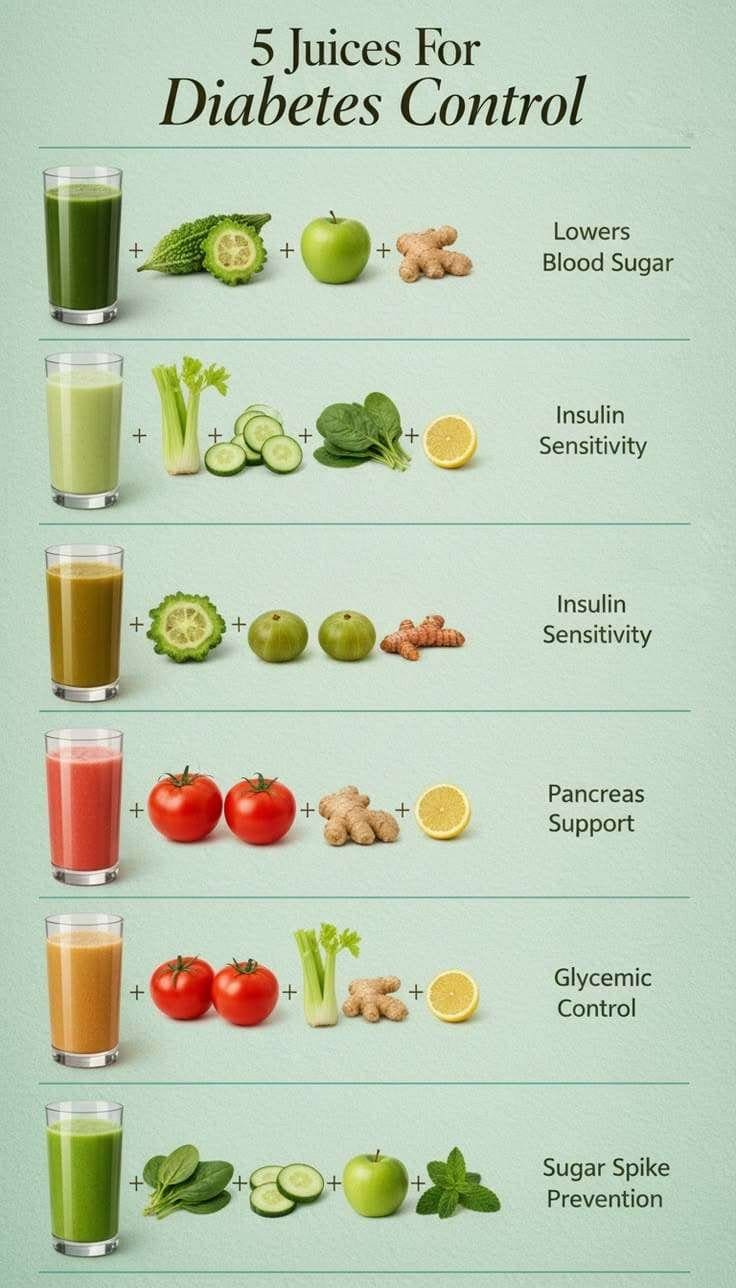
Simple Rule That Works
Stick to:
- 80–90% vegetables
- 10–20% fruit (or less)
This keeps juices balanced and safer for blood sugar control.
Bottom Line
- Vegetable juice = stable and consistent
- Fruit juice = easy to overdo
If in doubt, reduce the fruit and keep it simple.
Anti-Inflammatory Ingredients to Add: Turmeric, Ginger, Bromelain and More
If your goal is to reduce inflammation while managing blood sugar, a few ingredients stand out. The key is using the right amounts, not overdoing it.
The Most Effective Ingredients
Turmeric (Curcumin)
- Benefit: Supports the body’s anti-inflammatory response
- Amount: ½ inch fresh root or ⅛–¼ tsp powder
- Important: Add a pinch of black pepper to improve absorption
Turmeric is powerful, but fresh amounts in juice are naturally moderate—this helps keep it safe for regular use.
Ginger (Gingerol)
- Benefit: Supports digestion and inflammation balance
- Amount: 5–10g fresh (small thumb-sized piece)
Ginger adds strong flavour without increasing sugar and works well in most recipes.
Pineapple (Bromelain)
- Benefit: May help with swelling and recovery
- Amount: 20–40g (2–4 small chunks)
Keep portions small—too much turns your juice into a high-sugar drink.
What About Other Fruits?
Some fruits offer strong anti-inflammatory benefits:
- Berries and pomegranate contain high levels of polyphenols
- They often provide more benefit per gram of sugar than pineapple
However, they should still be used sparingly if you’re managing blood sugar.
Simple Rule for Use
- Use small amounts consistently
- Don’t combine too many strong ingredients at once
- Focus on balance, not extremes
Quick Low-Sugar Blends
Blend 1 (Very Low Sugar)
- Cucumber, spinach, turmeric, ginger, lemon
- Carbs: ~4–6g per 100 ml
Blend 2 (Balanced)
- Small amount of pineapple, cucumber, lime, basil
- Carbs: ~6–8g per 100 ml (if pineapple is limited)
Important Safety Notes
Be cautious if you:
- Take blood thinners
- Have gallbladder issues
- Use multiple glucose-lowering medications
Concentrated ingredients can interact with medications, so check first if unsure.
Juicing for Diabetes: Juicing Techniques and Juicer Choices
How you make your juice matters just as much as what goes into it. Most blood sugar mistakes happen before you even drink it—too much fruit, large portions, and no tracking.
Core Rules to Follow
- Choose low-sugar ingredients
(cucumber, celery, spinach, kale, tomato, lemon, herbs) - Limit fruit
(usually 20–40g or less per recipe) - Pair your juice
(nuts, Greek yogurt, chia, or a short walk) - Keep portions controlled
(don’t overfill your glass) - Test your response
(check blood sugar after new recipes)
When to Test Blood Sugar
If you’re trying a new juice:
- Check at 30–60 minutes
- Check again at 90–120 minutes
This tells you quickly if a recipe works for you.
Juicer Choice: What Actually Matters
Masticating (Cold Press)
- Better for leafy greens
- Higher juice yield
- Slower oxidation
- Can store longer (up to 24–48 hours)
Centrifugal
- Faster and more convenient
- Works well for simple ingredients (cucumber, celery, tomato)
- Oxidises faster (best consumed within 12 hours)
Which One Should You Use?
- Use masticating if you juice regularly and use greens
- Use centrifugal if speed matters and you drink juice immediately
Both work—it depends on how consistent you’ll be.
Simple Juicing Best Practices
- Wash produce properly
- Peel only when needed
- Use chilled ingredients
- Add lemon to improve taste and freshness
- Dilute with water or ice if needed
- Clean your juicer straight after use
Important Reminder
Juicing can improve nutrient intake, but it doesn’t replace whole foods.
You still need fibre, balanced meals, and consistency.
Juicing for Diabetes Recipes — Proven Juices with Macros and Portion Control
These recipes are designed specifically for Juicing for Diabetes. Keep portions controlled.
- Standard serving: 120–180 ml (4–6 oz)
- Concentrated shots: 60–90 ml
Quick Reference Table
| Recipe | Serving | Carbs | GL | Best Time |
|---|---|---|---|---|
| Cucumber-Celery Cooler | 150–200 ml | ≤5g | 1–2 | Morning |
| Spinach-Kale Turmeric Shot | 60–90 ml | 2–3g | ~1 | With breakfast |
| Green Queen | 150 ml | 4–6g | 1–2 | Lunch |
| Tropical Spice | 120 ml | 6–8g | 2–4 | Before activity |
| Tomato-Basil Savory | 150 ml | 5–7g | 2–3 | Midday |
| Blueberry Blast | 120 ml | 7–9g | 3–4 | After exercise |
| Beetroot Bliss | 60–120 ml | 6–10g | 3–5 | Before activity |
| Apple-Fennel Detoxer | 120 ml | 7–10g | 3–5 | With snack |
| Bitter Gourd Juice | 60–90 ml | 2–4g | ~1 | Morning |
Recipes and How to Use Them
Cucumber-Celery Cooler
- Ingredients: Cucumber, celery, lemon
- Use: Drink in the morning
- Tip: Pair with almonds and test blood sugar after
Spinach-Kale Turmeric Shot
- Ingredients: Spinach, kale, turmeric, black pepper, ginger
- Use: With breakfast
- Tip: Keep portion small (60–90 ml)
Green Queen
- Ingredients: Spinach, cucumber, parsley, lemon
- Use: Lunch
- Tip: Pair with protein (eggs or yogurt)
Tropical Spice
- Ingredients: Cucumber, ginger, lime, small amount of pineapple
- Use: Before activity
- Tip: Keep pineapple minimal and monitor response
Tomato-Basil Savory Juice
- Ingredients: Tomato, basil, celery, black pepper
- Use: Midday
- Tip: Pair with cottage cheese or hummus
Blueberry Blast
- Ingredients: Blueberries, cucumber, lemon, mint
- Use: After exercise
- Tip: Blend and lightly strain if needed
Beetroot Bliss
- Ingredients: Small beet, cucumber, ginger, lemon
- Use: Before activity
- Tip: Keep portions controlled—beets can raise blood sugar
Apple-Fennel Detoxer
- Ingredients: Fennel, cucumber, lemon, small amount of apple
- Use: With a snack
- Tip: Replace apple with celery for stricter control
Bitter Gourd (Karela) Juice
- Ingredients: Bitter gourd, cucumber, lemon
- Use: Morning
- Tip: Start small and monitor—taste is strong
Special Variations
- After exercise (teens/adults): Cucumber + blueberry + protein
- Older adults: Stick to low-potassium, low-sugar options (if approved)
- Pregnancy/postpartum: Avoid aggressive juicing—keep it simple and check first
Practical Tips
- Keep servings small
- Pair juices with food
- Monitor blood sugar when trying new recipes
- Adjust based on your response
Portion Control, Timing, and Pairing with Whole Foods and Exercise
If you remember one rule for Juicing for Diabetes, make it this:
Keep portions small.
Most people do best with:
- 120–180 ml (4–6 oz) per serving
This keeps sugar manageable while still giving you the benefits.
Portion Control Made Simple
- Treat one juice as a small addition, not a full drink
- If carbs go higher, reduce the serving size
- Keep recipes consistent so you know how your body responds
Why Timing Matters
When you drink juice affects your blood sugar response.
- With food: slower absorption, smaller spike
- On its own: faster spike
Best approach:
- Drink juice with or just after a meal
- Avoid drinking it on an empty stomach
Pairing with the Right Foods
Adding protein or fat helps stabilise blood sugar.
Simple options:
- 10–15 almonds
- 150g plain Greek yogurt
- 1 boiled egg
- Peanut or almond butter with celery or whole-grain toast
These slow digestion and help keep energy stable.
Use Movement to Your Advantage
Light activity after juice makes a noticeable difference.
- A 10–20 minute walk can help reduce blood sugar spikes
- Even light movement improves how your body handles glucose
This is one of the easiest habits to add.
How Often Should You Juice?
For most people:
- 2–3 times per week is enough
- More frequent use should be guided by results and monitoring
Example schedule:
- Monday: low-sugar green juice (morning)
- Wednesday: tomato-based juice (with lunch)
- Saturday: small fruit-based juice (after activity)
Simple Rule to Follow
- Small portion
- Pair with food
- Move afterwards
- Track your response
Juicing, Gut Health, and Nutrient Absorption — What Research Shows
Juicing can improve nutrient intake, but it comes with a trade-off: you lose most of the fibre.
In many cases, fibre drops significantly compared to eating the same foods whole. That matters for digestion, fullness, and blood sugar control.
Why Fibre Still Matters
Fibre supports:
- Gut health and microbiome balance
- Regular digestion
- Slower sugar absorption
- Feeling full after eating
When you rely too much on juice, you miss these benefits.
What Happens Without Enough Fibre
- Faster digestion and absorption
- Less support for gut bacteria
- Reduced production of beneficial compounds in the gut
This doesn’t make juice harmful—but it does mean it shouldn’t replace whole foods.
The Better Approach
The most effective routine is balance:
- Use juice a few times per week
- Rotate with whole foods like vegetables, beans, and fruit
- Include smoothies occasionally to keep fibre intake up
This gives you the benefits without the downsides.
Where Juicing Helps
Juicing can improve absorption of certain nutrients:
- Carotenoids (like beta-carotene and lycopene)
- Easier absorption when combined with a small amount of fat
Example:
- Tomato-based juice with a protein or fat source works well
How to Support Gut Health
Keep things balanced with simple additions:
- Add chia seeds or psyllium alongside your juice
- Include fermented foods like yogurt, kefir, or sauerkraut
- Plan juice-free days each week
These steps help maintain gut health while still using juice.
What to Remember
Juicing works best when it supports your diet—not replaces it.
- Keep fibre in your routine
- Use juice in moderation
- Combine with whole foods
Safety, Risks, Medication Interactions, and Clinical Considerations
Juicing for Diabetes can be helpful, but it’s not risk-free. If you have underlying conditions or take medication, you need to be more careful.
Who Needs Extra Caution
Take extra care if you have:
- Uncontrolled diabetes
- Frequent low blood sugar episodes
- Kidney disease
- Complex medication routines
Small changes in carbohydrate intake can affect your blood sugar more than expected.
Medication and Ingredient Interactions
Some common juicing ingredients can interact with medications:
- Turmeric and ginger may increase bleeding risk with blood thinners
- Leafy greens (high potassium) may be an issue with kidney conditions
- Certain ingredients can affect how medications work in the body
If you’re unsure, check before making changes.
Simple Safety Testing Protocol
When trying a new juice:
- Check blood glucose before drinking
- Drink a controlled portion
- Recheck at 30–60 minutes
- Check again at 90–120 minutes
Repeat this for several days to see how your body responds.
When to Stop and Review
Stop and seek advice if you notice:
- Consistently high blood sugar after juice
- Unexpected low blood sugar
- Dizziness or weakness
- Digestive issues
- Problems with medication timing
What to Prepare Before Speaking to a Professional
Keep things simple and clear:
- List of current medications
- Recent blood sugar readings
- Any existing conditions
- The juices you plan to use
This makes it easier to get useful guidance quickly.
What Matters Most
Juicing should be controlled, monitored, and adjusted based on your response.
- Start small
- Track results
- Adjust as needed
Success Stories, Case Studies, and Measuring Real-World Results
What matters is what works in real life. Juicing for Diabetes tends to help most when it replaces a worse habit, not when it’s added on top of everything else.
What Actually Works
The consistent pattern is simple:
- Replace high-sugar or processed options
- Keep portions controlled
- Combine with basic habits like walking
That’s where results come from.
Case Study Examples
Case 1 — Prediabetes Routine Change
A middle-aged adult replaced a daily fruit smoothie with a cucumber, celery, and spinach juice three times per week and added a short walk.
- Fasting glucose improved over time
- Cravings reduced
- Energy became more stable
Case 2 — Type 2 Diabetes Adjustment
An adult swapped snacks and sugary drinks for a tomato-based juice with lunch, alongside general diet improvements.
- Gradual improvement in blood sugar control
- More consistent daily routine
Case 3 — Post-Exercise Recovery
A young athlete used a blueberry and cucumber juice after training, paired with protein.
- More stable energy compared to sports drinks
- Better recovery and consistency
How to Track Your Own Results
Keep it simple and consistent:
- Date
- Juice type
- Serving size
- Blood sugar before
- Blood sugar after (30–60 min and 90–120 min)
- Activity
- Notes (energy, cravings, symptoms)
This gives you real feedback on what works.
What Timeline to Expect
- 2–4 weeks: energy and cravings may improve
- 4–12 weeks: blood sugar and other markers may shift
Consistency matters more than speed.
Important Reminder
Juicing is not a cure.
- It supports better habits
- It works alongside diet, exercise, and sleep
- Results depend on the full routine, not just the juice
Juicing for Diabetes: Actionable Next Steps to Start Safely
If you want to start Juicing for Diabetes, keep the first month simple. Most people fail by overcomplicating it.
Start small, track your response, and adjust.
Step-by-Step to Get Started
- Speak to your clinician if you use insulin, blood thinners, or have kidney issues
- Choose your setup (a juicer or a reliable local option)
- Start with two simple recipes
- Cucumber-Celery Cooler
- Tomato-Basil Savory Juice
- Keep portions to 120–180 ml (4–6 oz)
- Pair with food or a short walk
- Track your blood sugar and adjust
Simple Decision Guide
- Kidney concerns: watch potassium (spinach, tomato, beet)
- Teen or active lifestyle: pair juice with protein
- Autoimmune or sensitive digestion: start with mild ingredients
- Pregnancy/postpartum: check before adding concentrated juices
4-Week Starter Plan
- Week 1: Try one small vegetable-based juice
- Week 2: Repeat twice and log results
- Week 3: Test one anti-inflammatory recipe
- Week 4: Keep only the juices that work for your body
What to Track
- Blood sugar (before and after)
- Energy levels
- Weight (weekly)
- General symptoms
This tells you quickly what works and what doesn’t.
Keep It Practical
- Stick to simple recipes
- Don’t increase portions too quickly
- Focus on consistency, not perfection
The best results come from habits you can maintain.
Key Takeaways
- Use vegetable-based juices to keep sugar low
- Keep portions small and controlled
- Pair juice with food or movement
- Monitor your response and adjust
- Use juicing as support—not a replacement
Recommended Book:
As an Amazon Associate, we earn from qualifying purchases
Disclaimer
This content is for informational and educational purposes only and is not intended as medical advice. Always consult a qualified healthcare professional before making changes to your diet, especially if you have a medical condition, are pregnant, or are taking medication.