Juicing for Cholesterol is becoming a popular way to add more heart-friendly fruits and vegetables to your daily routine. Whether you’re looking to make healthier dietary choices, increase your intake of nutrient-rich ingredients, or support your overall wellbeing, the right juices can be a simple addition to a balanced lifestyle. In this guide, you’ll discover cholesterol-friendly recipes, key ingredients to focus on, practical tips, and easy ways to make juicing part of your everyday routine.
Introduction — Juicing for Cholesterol
Juicing for Cholesterol is a simple way to add more fruits and vegetables to your diet while supporting a heart-healthy lifestyle. Many people turn to juicing as a convenient way to increase their intake of nutrient-rich ingredients that fit alongside healthy eating habits and regular physical activity.
If you’re looking for practical recipes, cholesterol-friendly ingredients, and easy ways to incorporate fresh juices into your routine, you’re in the right place. While no juice can replace a balanced diet, certain fruits and vegetables can be valuable additions to an overall approach to supporting healthy cholesterol levels.
In this guide, you’ll discover simple recipes, key ingredients, practical tips, and a step-by-step plan to help you make Juicing for Cholesterol part of your everyday routine.
What is Juicing for Cholesterol?
Juicing for Cholesterol is an approach that focuses on incorporating nutrient-rich fruits and vegetables into your diet through fresh juices. The goal is to increase your intake of plant-based ingredients that support an overall heart-healthy lifestyle while reducing reliance on sugary drinks and less nutritious options.
Many cholesterol-friendly juices include ingredients such as leafy greens, apples, citrus fruits, carrots, celery, and beetroot. These ingredients provide vitamins, minerals, and beneficial plant compounds that can complement a balanced diet and healthy lifestyle habits.
It’s important to remember that juice works best as part of a broader approach that includes nutritious meals, regular physical activity, and other healthy habits. Juicing for Cholesterol should be viewed as a supportive tool rather than a stand-alone solution.
How Juicing Affects Heart Health
When discussing Juicing for Cholesterol, heart health is naturally part of the conversation. Many fruits and vegetables contain vitamins, minerals, and plant compounds that can support an overall heart-healthy lifestyle.
Antioxidants and Plant Compounds
Ingredients such as leafy greens, citrus fruits, carrots, and berries contain natural antioxidants that help support overall wellbeing and make nutritious additions to fresh juices.
Replacing Less Healthy Drinks
One of the biggest benefits of juicing is that it can help replace sugary soft drinks and other high-calorie beverages. Choosing vegetable-forward juices may help support healthier dietary habits over time.
Supporting Healthy Lifestyle Changes
Juicing works best alongside other positive habits, including balanced meals, regular physical activity, maintaining a healthy weight, and limiting highly processed foods. These factors all play an important role in supporting healthy cholesterol levels and overall cardiovascular health.
A Balanced Approach
While fresh juice can be a valuable addition to a heart-conscious diet, it should complement healthy eating patterns rather than replace them. Consistency and long-term habits are far more important than any single ingredient or recipe.
Best Ingredients for Lowering Cholesterol
When it comes to Juicing for Cholesterol, choosing the right ingredients can help you create nutritious, heart-friendly drinks that fit into a balanced lifestyle.
Beets
Beets are a popular ingredient in cholesterol-friendly juices and pair well with citrus fruits and leafy greens.
Apples
Apples add natural sweetness and contain beneficial plant compounds that make them a common choice in fresh juice recipes.
Oranges and Citrus Fruits
Citrus fruits provide vitamin C and bright flavour, helping balance vegetable-based juices.
Carrots
Carrots contribute natural sweetness, vibrant colour, and a range of nutrients that work well in cholesterol-conscious blends.
Spinach and Kale
Leafy greens are nutrient-dense ingredients that can easily be added to fresh juices without significantly increasing sugar content.
Celery and Cucumber
These refreshing vegetables help create lighter, lower-calorie juices and combine well with both fruits and greens.
Practical Tips
- Combine fruits and vegetables for balanced flavour.
- Keep sweeter fruits in moderation.
- Rotate leafy greens for variety.
- Use fresh ingredients whenever possible.
- Enjoy juices as part of a balanced diet rather than relying on them alone.
Top Juicing Recipes for Cholesterol
Beet-Apple-Spinach Blend
Ingredients:
- 1 small beet
- 1 apple
- 1 handful spinach
- Juice of ½ lemon
- Water as needed
Why it works: A popular combination that combines leafy greens, beetroot, and fruit in one refreshing drink.
Citrus and Apple Blend
Ingredients:
- 1 orange
- 1 small green apple
- 1 carrot
Why it works: Bright, refreshing, and easy for beginners to enjoy.
Carrot-Celery Boost
Ingredients:
- 2 carrots
- 2 celery stalks
- 1 small apple (optional)
Why it works: A simple recipe that balances sweetness with fresh vegetable flavours.
Green Heart-Friendly Juice
Ingredients:
- 2 kale leaves
- ½ cucumber
- Handful of spinach
- ½ green apple
- Juice of ½ lime
Why it works: A lower-sugar option packed with nutrient-rich greens.
Storage Tip
Fresh juice is best enjoyed immediately, but it can be stored in a sealed glass container in the refrigerator for up to 24–48 hours.
How to Make Juice at Home
When preparing juices for cholesterol-friendly recipes, both masticating and centrifugal juicers can work well. Masticating juicers are often preferred for leafy greens because they typically extract more juice, while centrifugal models are faster and more convenient for everyday use.
Masticating vs Centrifugal Juicers
Masticating Juicers
- Often perform better with leafy greens.
- Produce less foam.
- Usually take longer to process ingredients.
Centrifugal Juicers
- Faster and easier to use.
- Often more affordable.
- Work well with many fruits and vegetables.
Cleaning Checklist
- Discard the pulp after juicing.
- Rinse all removable parts with warm water.
- Wash thoroughly with mild soap.
- Clean the filter or sieve carefully.
- Allow all parts to dry completely before reassembly.
Regular cleaning helps keep your juicer working efficiently and makes future use much easier.
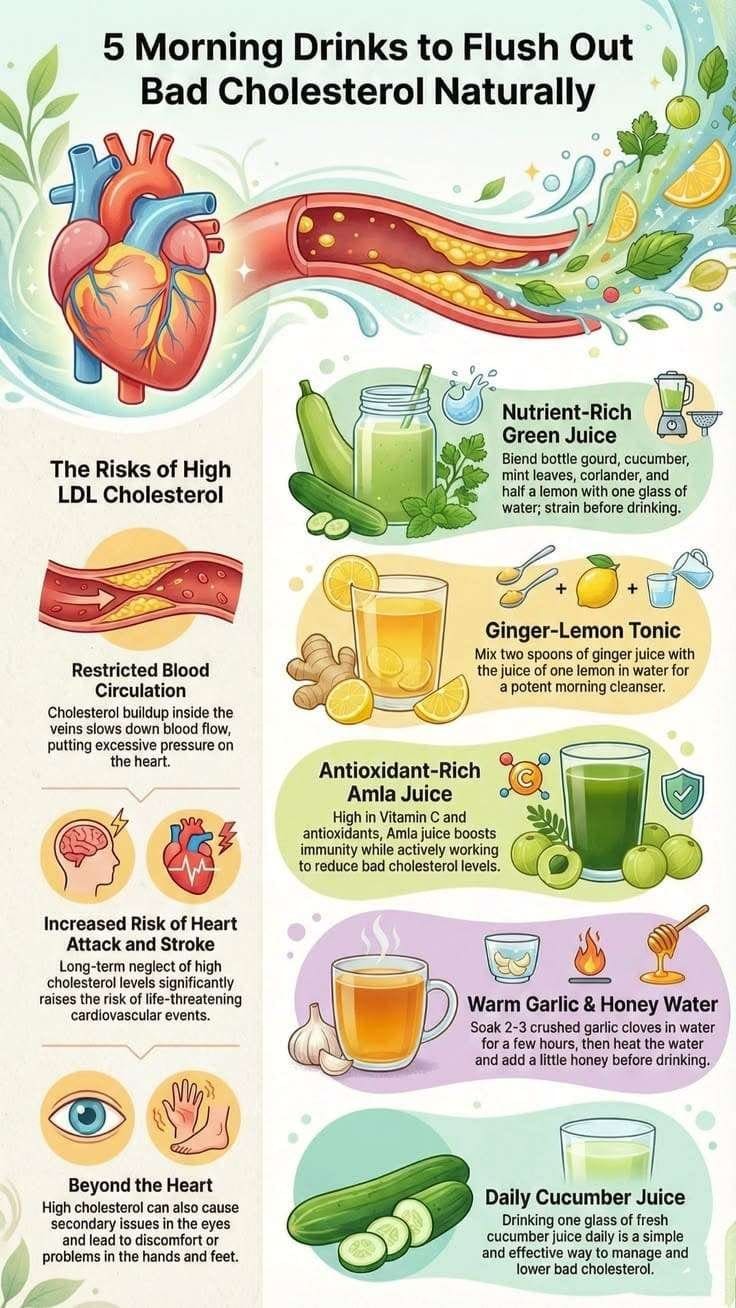
Risks, Sugar Concerns and Integrating Juicing into a Healthy Diet
While Juicing for Cholesterol can be a helpful addition to a balanced lifestyle, it’s important to be mindful of sugar content. Fruit-heavy juices can contain significant amounts of natural sugar, which is why many people prefer vegetable-forward recipes with only a small amount of fruit for flavour.
Fresh juice should complement a healthy diet rather than replace whole fruits, vegetables, and regular meals. Whole foods provide fibre and other nutrients that play an important role in overall wellbeing.
To get the most from Juicing for Cholesterol:
- Replace sugary drinks with fresh juice when possible.
- Keep fruit portions moderate.
- Include plenty of vegetables in your recipes.
- Continue eating a balanced diet rich in whole foods.
- Enjoy juice as part of an overall healthy lifestyle.
If you take prescription medications or have a medical condition, consult your healthcare provider before making significant dietary changes.
14-Day Juicing for Cholesterol Action Plan
Shopping List
- Beets
- Apples
- Spinach or kale
- Carrots
- Cucumbers
- Oranges
- Celery
- Lemons or limes
- Fresh mint (optional)
Week 1
Alternate between a green juice and a beet-based juice each morning. Focus on replacing sugary drinks with fresh juice while continuing to eat balanced meals throughout the day.
Week 2
Continue with your favourite recipes from Week 1 and experiment with different vegetable combinations to add variety. Aim for consistency rather than perfection.
Simple Success Tips
- Enjoy one fresh juice daily.
- Keep fruit portions moderate.
- Include plenty of vegetables.
- Continue eating balanced meals.
- Stay consistent throughout the 14 days.
Small, sustainable changes are often easier to maintain than drastic dietary changes and can help make Juicing for Cholesterol part of a long-term healthy lifestyle.
Conclusion — Simple Steps to Get Started
Juicing for Cholesterol can be a simple and enjoyable way to add more fruits and vegetables to your daily routine. Start with one fresh juice each day and focus on vegetable-forward recipes that include ingredients such as leafy greens, beets, carrots, celery, and citrus fruits.
Remember that juice works best as part of a balanced lifestyle. Healthy meals, regular physical activity, and consistent habits all play an important role in supporting healthy cholesterol levels and overall heart health.
Begin with a few of the recipes in this guide, experiment with different ingredient combinations, and find a routine that works for you. Small, sustainable changes are often the easiest to maintain and can make a meaningful difference over time.
Frequently Asked Questions
Can juicing help support healthy cholesterol levels?
Juicing for Cholesterol can be a useful way to increase your intake of fruits and vegetables as part of a heart-healthy lifestyle. Fresh juices work best alongside balanced meals, regular exercise, and other healthy habits.
What ingredients are best for cholesterol-friendly juices?
Popular ingredients include beets, apples, citrus fruits, carrots, celery, spinach, kale, and cucumbers. These ingredients are commonly used in nutritious, vegetable-forward juice recipes.
Should I choose fruit or vegetable juices?
For Juicing for Cholesterol, vegetable-forward juices are often preferred because they tend to contain less sugar while still providing plenty of nutrients and flavour.
Can I drink cholesterol-friendly juices every day?
Yes. Many people enjoy one fresh juice daily as part of a balanced diet. Consistency is usually more important than drinking large quantities.
Do I need a masticating juicer?
No. Both masticating and centrifugal juicers can be used successfully. A masticating juicer may work better with leafy greens, but either option can help you make fresh juice at home.
Recommended Book
Juicing for Healthy Cholesterol: Juicing for Healthy Cholesterol and Long-Term Heart Health
If you’re ready to take your cholesterol-friendly juicing routine a step further, this book provides additional recipes, practical guidance, and simple strategies to help you build long-term healthy habits. You’ll discover easy ways to incorporate nutrient-rich ingredients into your daily routine while supporting an overall heart-healthy lifestyle.
Disclaimer: This content is for informational and educational purposes only and is not intended as medical advice. Always consult a qualified healthcare professional before making changes to your diet, especially if you have a medical condition, are pregnant, or are taking medication. As an Amazon Associate, we earn from qualifying purchases.
As an Amazon Associate, we earn from qualifying purchases.