
Juicing for high blood pressure is one of the most natural ways to support your cardiovascular health through everyday nutrition. Ingredients like beetroot, celery, spinach, and cucumber are packed with potassium, nitrates, and antioxidants that work with your body to support healthy circulation. Whether you’re looking to complement a heart-healthy lifestyle or simply add more nutrients to your diet, fresh juicing offers a practical, delicious starting point.
Introduction — Juicing for High Blood Pressure
Juicing for high blood pressure is one of the most practical ways to deliver concentrated nitrates, potassium, and antioxidants that may help support healthy circulation — particularly when combined with a balanced diet and positive lifestyle changes.
If you’ve landed here, you’re probably looking for real answers. Do certain juices actually make a difference? Which ingredients are worth using? And how do you do it safely, especially if you’re already on medication? This guide cuts through the noise and gives you evidence-informed, usable guidance you can act on.
Hypertension is one of the most common health concerns worldwide — affecting an estimated 45% of adults in the US alone according to the CDC — which is exactly why so many people are turning to nutrition-first approaches like juicing to support their heart health alongside medical care.
In this article we cover specific low-sugar recipes, a look at how ingredients like beetroot and pomegranate perform in clinical research, guidance on medication awareness, a comparison of masticating vs centrifugal juicers, and a practical 30-day plan to help you get started and stay consistent.
How Juicing Affects Blood Pressure: The Science Behind It
Juicing can influence blood pressure through several measurable pathways. Dietary nitrates — found in high concentrations in beetroot — convert to nitric oxide in the body, which helps relax and widen blood vessels. Potassium, abundant in leafy greens and certain fruits, helps counteract the effects of sodium. And polyphenols from ingredients like pomegranate and berries help reduce oxidative stress in vessel walls, supporting healthier circulation over time.
Meta-analyses and clinical trials published between 2020 and 2022 show consistent results: beetroot juice interventions typically lower systolic blood pressure by around 3–6 mmHg and diastolic blood pressure by approximately 1–3 mmHg in short-term studies.
Three key mechanisms worth understanding:
- Dietary nitrates: Around 300–500 mg per day of nitrate from beetroot can produce measurable increases in nitric oxide within just a few hours of consumption.
- Potassium intake: Higher dietary potassium is consistently linked to lower systolic pressure across population studies, with meaningful effects seen at sustained intake levels.
- Antioxidants and polyphenols: Pomegranate and berry-based juices have shown improvements in endothelial function, with some trials reporting better blood flow markers within 4–8 weeks.
What is hypertension? Hypertension is a chronic condition where systolic blood pressure reaches 130 mmHg or above, or diastolic blood pressure reaches 80 mmHg or above, on repeated measurement. It significantly raises the risk of heart attack and stroke, and diagnosis should always be confirmed by a healthcare professional using multiple readings.
It’s also worth being honest about the limits of juicing. The juicing process removes most of the fibre found in whole fruits and vegetables, and can concentrate natural sugars — a single 250ml serving of fruit juice can contain 15–30g of sugar depending on the ingredients used.
Juicing works best as a targeted addition to an already healthy lifestyle — not a replacement for it. Focus on nitrate-rich, lower-sugar combinations, track your blood pressure regularly, and pair your juicing routine with whole-food meals and regular movement for the best results.
The Best Fruits and Vegetables for Lowering Blood Pressure
Not all produce is equal when it comes to blood pressure support. These ten ingredients have the strongest evidence behind them and work particularly well in juicing combinations.
- Beetroot — High in dietary nitrates that convert to nitric oxide in the body; clinical trials consistently report systolic reductions of 3–6 mmHg with regular intake.
- Leafy greens (spinach, kale) — Rich in potassium and magnesium, both of which support vasodilation and healthy electrolyte balance.
- Celery — Contains phthalides and potassium; linked to modest blood pressure benefits in small clinical trials.
- Pomegranate — Polyphenols support endothelial function and may also help reduce oxidised LDL cholesterol.
- Berries (blueberries, strawberries) — Anthocyanins reduce oxidative stress in vessel walls; some studies show measurable blood pressure and LDL benefits.
- Cucumber — Hydrating and very low in calories; excellent for diluting sweeter juices and increasing overall yield.
- Citrus (orange, grapefruit) — Vitamin C and flavonoids support vascular health. Important: grapefruit interacts with certain blood pressure medications — always check with your GP or pharmacist before including it regularly.
- Carrots — Provide beta-carotene and potassium with natural sweetness and relatively modest fructose levels.
- Garlic — Allicin has shown modest but consistent blood pressure-lowering properties when consumed regularly over time.
- Tomato — Lycopene is linked to improved arterial health and reduced LDL in several dietary studies.
Practical juicing yields to know:
- Beetroot: 100–200g raw yields approximately 80–150ml of juice, with around 6–12g of carbohydrates per 100g raw.
- Leafy greens: 100g of spinach typically yields just 50–80ml of juice and varies widely by juicer type — add cucumber or water to increase yield and keep sugar density low.
- Apple or orange: A medium apple (around 150g) yields roughly 100ml of juice but adds approximately 13–15g of sugar, so use sparingly in blood pressure blends.
To keep sugar content down, replace half the fruit in any recipe with cucumber or leafy greens, dilute with water, or add a squeeze of lemon — it brightens the flavour without adding significant sugar.
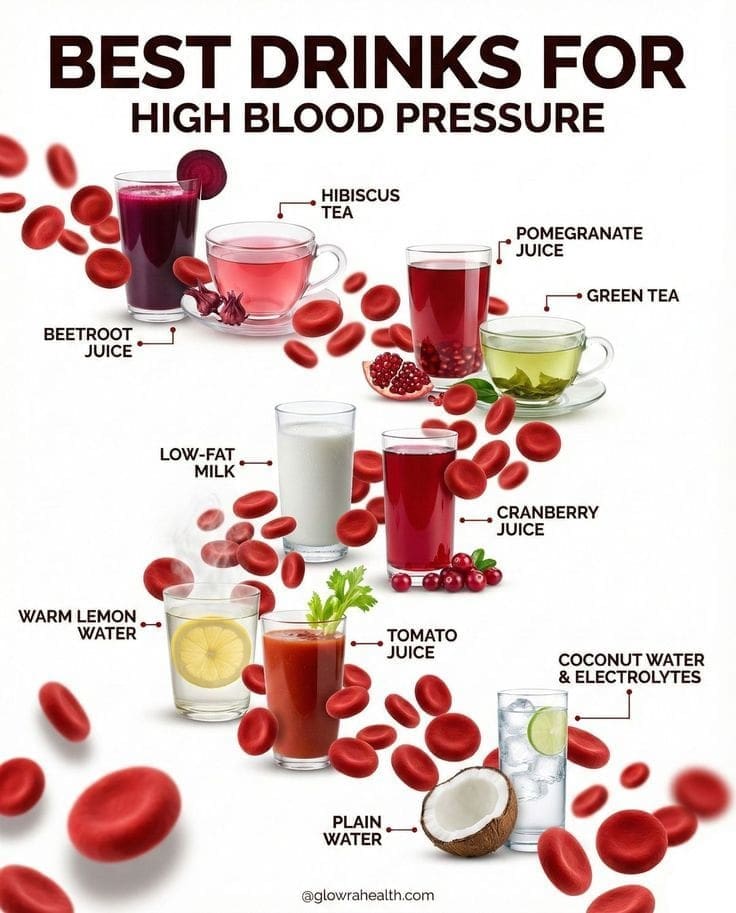
Juicing for High Blood Pressure: Proven Recipes
These recipes have been developed to balance nitrates, potassium, and natural sugar levels — so you get maximum cardiovascular benefit without spiking blood glucose. Each one includes a clinical rationale, suggested frequency, and simple substitutions.
Beet, Carrot and Orange Juice
A classic blood pressure blend that combines the nitrate power of beetroot with the natural sweetness of carrot and a vitamin C boost from orange.
You’ll need: Raw beetroot (peeled), carrots, and a peeled orange.
Method:
- Wash and peel the beetroot and carrots
- Chop into small pieces suitable for your juicer
- Juice the beetroot first, then the carrots, then the orange
- Stir well and serve immediately for maximum nitrate benefit
Why it works: Beetroot delivers a concentrated dose of dietary nitrates, which convert to nitric oxide and help relax blood vessel walls. The vitamin C from orange supports that conversion process. Clinical trials consistently report systolic reductions of around 3–6 mmHg with regular beetroot juice intake.
Frequency: 3–4 times per week.
Substitutions: If you’re managing blood sugar, use half an orange and top up with cucumber instead. If you’re juicing for an older family member, start with a smaller serving and build up gradually.
Juicer Equipment: Masticating vs Centrifugal
The juicer you choose makes a real difference to nutrient yield, shelf life, noise levels, and how easy the machine is to clean. For blood pressure-focused juicing — where you want to preserve as many nitrates and polyphenols as possible — the type of machine genuinely matters.
Masticating vs centrifugal: the key differences
- Juice yield: Masticating juicers typically extract 10–20% more juice from leafy greens and beetroot than centrifugal models.
- Nutrient retention: Cold-press masticating methods retain up to 10–15% more polyphenols and nitrates compared to high-speed centrifugal juicers, based on multiple extraction studies.
- Speed and cost: Centrifugal machines are faster and more affordable; masticating juicers take longer but deliver better results for the ingredients that matter most in blood pressure blends.
Which should you choose?
Choose a masticating juicer if you plan to juice beetroot and leafy greens regularly, want longer shelf life (masticating juice can be refrigerated for up to 72 hours without significant nutrient loss), and prefer a quieter machine.
Choose a centrifugal juicer if you need speed and convenience, are primarily juicing harder fruits and carrots, or are just starting out and want to keep costs down.
Safety, Interactions, and Medication Considerations
Juicing can be a powerful addition to a heart-healthy routine, but it’s important to be aware that certain juices can interact with medications and affect electrolyte levels. If you’re currently on any prescribed medication, it’s worth checking for interactions before making significant changes to your diet — and monitoring your blood pressure daily for at least the first two weeks.
How to check interactions — a simple step-by-step:
- Write down all prescription medications and supplements you currently take
- Ask your pharmacist to check for dietary interactions — this is free and takes just a few minutes
- Introduce one new juice at a time and stick with it for 7–14 days while logging your blood pressure and any symptoms
- Contact your GP or clinician if you experience symptomatic low blood pressure, dizziness, or any changes in heart rate
Monitoring your blood pressure:
Take readings morning and evening for the first two weeks of any new juicing routine and keep a simple log. Share that log with your clinician before making bigger changes such as juice fasting. Juice fasting carries additional risks — any fast longer than 24–48 hours should be done under medical supervision.
The safest approach for most people is to focus on low-sugar vegetable-based juices, space any juices away from medication times, and keep your pharmacist or GP in the loop.
Long-Term Benefits, Risks, and What the Evidence Actually Shows
The long-term evidence for juicing and blood pressure is promising but should be kept in perspective. The strongest research supports modest, sustained reductions in systolic blood pressure when juicing is used consistently alongside a healthy diet — not as a standalone solution.
What the evidence supports:
Sustained systolic reductions of a few mmHg, improved endothelial function over 4–12 weeks, and better overall dietary quality when fresh juices replace sugary drinks are the most consistently reported benefits across clinical literature. However, long-term randomised controlled trials remain limited — most of the strongest evidence comes from shorter interventions of 4–12 weeks.
Risks worth knowing:
- Dental erosion: Frequent exposure to acidic fruit juices increases erosion risk over time. Rinse your mouth with water after drinking and avoid sipping juice slowly throughout the day.
- Fibre loss: Juicing removes most of the fibre found in whole fruits and vegetables, which plays an important role in gut health, satiety, and blood sugar regulation.
- Sugar content: High-fruit juices consumed regularly can contribute to weight gain and blood sugar fluctuations — keep fruit content low and vegetable content high.
A brief history of juicing:
Dr. Norman W. Walker popularised juicing in the early twentieth century and his work laid the foundation for the modern cold-press movement. His claims were largely anecdotal, but they sparked decades of research that has since produced the clinical data we now rely on. It’s a useful reminder to balance enthusiasm for juicing with what the science actually supports.
A Practical 30-Day Plan: Start Juicing Safely
A gradual approach is often the easiest way to make Juicing for Thyroid Health part of your routine. Focus on consistency, balanced nutrition, and a variety of vegetable-forward recipes rather than making drastic dietary changes.
Overview:
Week 1 — Introduction: Start with one vegetable-based juice every other day using ingredients such as cucumber, celery, spinach, or carrot.
Week 2 — Build variety: Introduce additional recipes featuring beets, leafy greens, ginger, and citrus while continuing to prioritize vegetables over fruit.
Week 3 — Refine your routine: Identify your favorite recipes, adjust ingredient combinations, and focus on creating a schedule that fits your lifestyle.
Week 4 — Long-term maintenance: Continue enjoying juice as part of a balanced eating plan alongside whole fruits, vegetables, protein-rich foods, and healthy fats.
Simple juice preparation steps:
Wash all produce thoroughly.
Trim, peel, or prepare ingredients as needed.
Cut produce into pieces suitable for your juicer.
Juice according to the manufacturer’s instructions.
Serve immediately or store in an airtight glass container in the refrigerator.
Consume within 24 hours for the best freshness and flavor.
Conclusion: Final thoughts on Juicing for High Blood Pressure
Juicing for high blood pressure works best when it is used to complement a balanced diet rather than replace whole foods or medical treatment. Focus on vegetable-forward recipes, consistent habits, and a variety of nutrient-rich ingredients to support your overall nutrition.
To get started, choose one or two simple recipes, establish a routine that fits your lifestyle, and monitor how you feel over time. Pair your juices with balanced meals that include adequate protein, healthy fats, fiber, iodine, and selenium-rich foods.
Remember that juice is only one part of a healthy lifestyle. Regular physical activity, quality sleep, stress management, and appropriate medical care all play important roles in long-term wellbeing.
If you have a high blood pressure condition, take thyroid medication, are pregnant, or have other health concerns, consult your healthcare provider before making significant dietary changes. The most sustainable results come from small, consistent improvements that support your overall health for the long term.
Frequently Asked Questions
What juicing is good for high blood pressure?
Beetroot-based juices, green leafy blends using spinach or kale with cucumber, and celery-based juices are the most well-supported options. They deliver dietary nitrates, potassium, and polyphenols that support vasodilation and healthy circulation. Keep fruit content low to avoid sugar spikes, and track your blood pressure for at least two weeks to monitor changes.
What is the best juice to lower cholesterol?
Pomegranate and berry blends have the strongest evidence for improving cholesterol and endothelial function, thanks to their high polyphenol content. Tomato-based juices are also worth including for their lycopene content. Aim for 100–200ml daily and look for modest LDL improvements over eight to twelve weeks.
What is the best juice for heart and arteries?
Beetroot juice, pomegranate blends, and green leafy juices are the strongest choices for arterial and heart health. They supply nitrates, polyphenols, and potassium that improve endothelial function and support healthy vasodilation. Clinical trials report average systolic reductions of around 3–6 mmHg with regular beetroot intake.
Key Takeaways
- Start with low-sugar, nitrate-rich juices such as beet and greens, and monitor your blood pressure daily for the first two weeks — consult your clinician if you’re on any medication
- A masticating juicer delivers 10–20% better extraction from beetroot and leafy greens than centrifugal models, making it the better long-term investment for BP-focused juicing
- Follow the 30-day phased plan: introduce juicing gradually in week one, add targeted blends in week two, adjust sugar content in week three, and move to a sustainable maintenance routine in week four
- Always check for medication interactions — particularly grapefruit with statins or antihypertensives, and high-nitrate juices alongside BP medication
- Measurable blood pressure benefits typically appear within two to eight weeks when juicing is combined with regular exercise, good sleep, and a whole-food diet
Recommended Reading
If you found this guide useful and want to go deeper, Juicing for High Blood Pressure: Heart-Healthy Juice Recipes to Support Healthy Blood Pressure by Ava Jackson covers everything in one place — from ingredient guides and step-by-step recipes to a full 30-day plan designed specifically for cardiovascular wellness.
Disclaimer
This content is for informational and educational purposes only and is not intended to provide medical advice, diagnosis, or treatment. Always consult your physician or qualified healthcare provider before making changes to your diet, supplements, medications, or health routine. Never disregard professional medical advice or delay seeking it because of something you have read here.