
Juicing For Energy can help support alertness and stamina when the right ingredients and timing are used. Rather than relying on caffeine or sugar-heavy drinks, fresh juices can provide vitamins, minerals, and hydration that contribute to more stable daily energy.
Juicing For Energy: What You Need To Know
Juicing can be a powerful tool for boosting your energy when you use the right ingredients and techniques. This guide explains how juicing works, which nutrients matter most, and how to build a safe, effective juicing plan tailored to your lifestyle.
What juicing means and why it matters for energy
Juicing extracts liquid from fruits and vegetables, concentrating vitamins, minerals, and phytonutrients into a drinkable form. For energy, juicing can deliver quickly absorbable nutrients that help with cellular metabolism, hydration, and blood sugar balance.
The difference between juicing and whole-food eating
Juicing removes most fiber and concentrates sugars and micronutrients, whereas whole foods provide fiber that slows absorption. You’ll want to consider both approaches: juicing as a targeted boost and whole foods for long-term satiety and gut health.
How Juicing Can Increase Your Energy
Juicing affects energy through hydration, micronutrient delivery, blood sugar response, and alkalizing effects. Each of these plays a role in how energized you feel after drinking a fresh juice.
Rapid nutrient delivery
When you drink juice, your body can absorb vitamins and minerals more quickly because the nutrients are released from fibrous plant structures. That quick delivery can translate to a faster feeling of alertness and better metabolic function.
Improved hydration and electrolytes
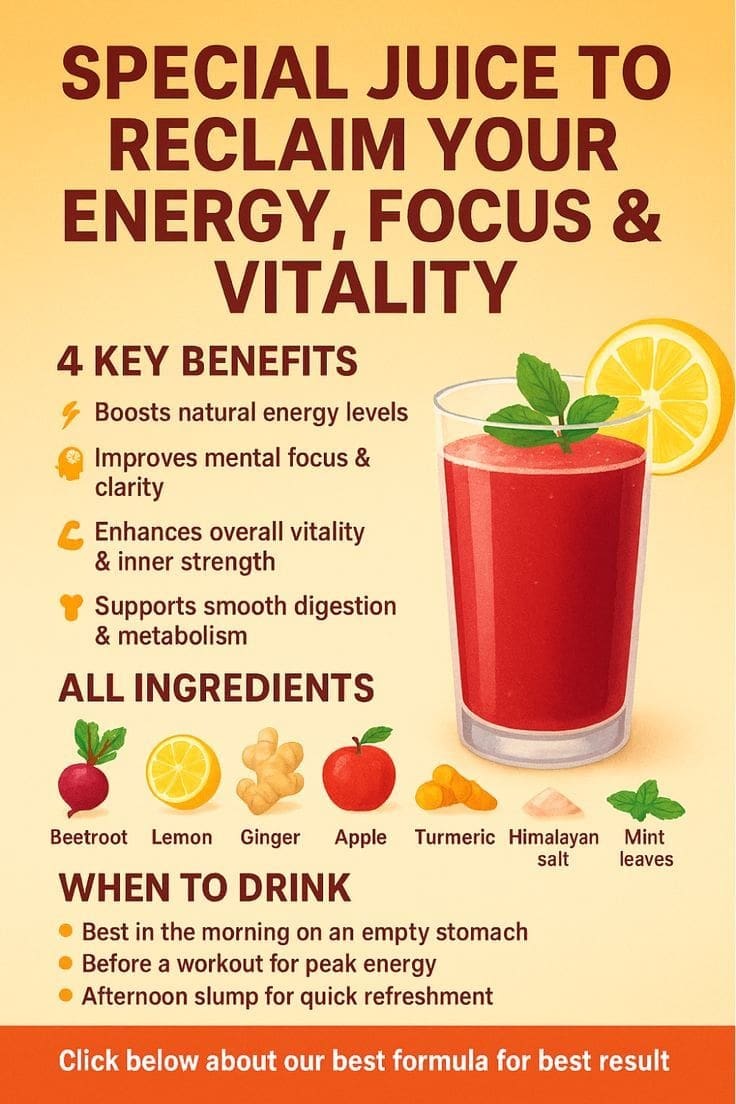
Juices often contain high water content plus electrolytes like potassium and magnesium. These help maintain fluid balance, support nerve function, and prevent the fatigue that comes from even mild dehydration.
Blood sugar considerations
Sugary fruit juices can cause blood sugar spikes followed by crashes, which leave you feeling worse. Pairing juices with low-sugar vegetables, healthy fats, or a source of protein can stabilize blood sugar and sustain energy.
Key Nutrients for Energy in Juices
Understanding the nutrients that support energy helps you choose ingredients wisely. Focus on vitamins, minerals, and plant compounds that participate directly in energy metabolism.
Juicing For Energy works best when juices are vegetable-forward and combined with balanced meals rather than consumed alone.
B vitamins (B1, B2, B3, B5, B6, B12)
B vitamins act as coenzymes in the biochemical reactions that generate cellular energy (ATP). While B12 is mostly found in animal products, several plant foods contain B1, B2, B3, B5, and B6.
Vitamin C
Vitamin C supports adrenal function and helps regenerate other antioxidants, indirectly supporting energy. Many fruits and vegetables—citrus, bell peppers, kale—are excellent sources.
Iron and copper
Iron and copper are essential for oxygen transport and mitochondrial enzymes. Pairing iron-rich plant foods with vitamin C improves non-heme iron absorption from juices.
Magnesium and potassium
Magnesium is crucial for ATP production, while potassium is an important electrolyte for nerve and muscle function. Green leafy vegetables and many root vegetables can boost these minerals in your juices.
Antioxidants and phytonutrients
Compounds like nitrates (in beets) and polyphenols (in berries) can improve blood flow and mitochondrial efficiency, translating to better stamina and mental clarity.
Best Ingredients for Energy-Boosting Juices
Choose ingredients that balance natural sugars with fiber-replacing vegetables, minerals, and compounds that support circulation and metabolism.
Top vegetables to use
- Spinach and kale: rich in iron, magnesium, and B vitamins.
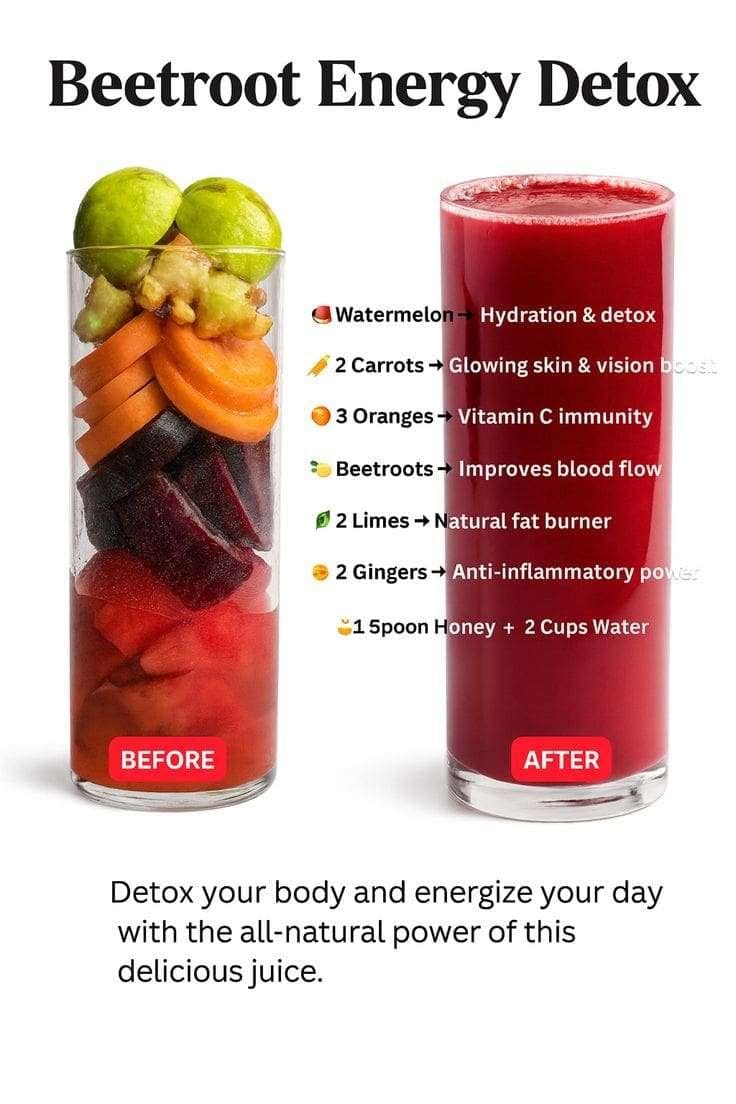
- Beetroot: high in nitrates that can improve blood flow.
- Cucumber: hydrating and low-calorie.
- Celery: contains electrolytes and is highly hydrating.
- Carrots: provide beta-carotene and some natural sweetness.
Top fruits to use (in moderation)
- Apples: add sweetness but keep portions moderate to avoid sugar spikes.
- Berries: lower in sugar and rich in antioxidants.
- Citrus (lemon, lime): raise vitamin C and brighten flavor.
- Pear: milder sweetener with fiber if you make smoothies as well.
Herbs and extras that help energy
- Ginger: supports digestion and can give a warming energy lift.
- Turmeric: anti-inflammatory and supportive of recovery.
- Mint: clears the head and can make a juice more refreshing.
- Lemon or lime: improves flavor and aids nutrient absorption.
- Spirulina or wheatgrass: dense in nutrients but use sparingly due to strong flavors.
Sample Recipes That Boost Energy
Below are simple, balanced juice recipes that focus on sustained energy. Each recipe is sized for one serving.
| Recipe | Ingredients | Why it helps |
|---|---|---|
| Green Power | 2 cups spinach, 1 cucumber, 1 apple, 1/2 lemon, small piece ginger | Greens provide magnesium and iron; cucumber hydrates, apple adds sweetness; lemon and ginger aid absorption and digestion |
| Beet Rider | 1 small beet, 2 carrots, 1 apple, 1/2 inch turmeric | Beet nitrates improve blood flow; carrots and apple add beta-carotene and moderate sweetness |
| Citrus Boost | 2 oranges, 1/2 grapefruit, 1/2 cup strawberries, sprig mint | Vitamin C-rich, antioxidant-packed, refreshing and uplifting |
| Morning Electrolyte | 2 celery stalks, 1/2 cucumber, 1 kiwi, pinch sea salt | Hydrating, electrolyte support, kiwi adds vitamin C for iron absorption |
| Immune + Clarity | 1 cup kale, 1 green apple, 1/2 lemon, 1 small piece ginger, 1 tsp spirulina | Nutrient dense with a small amount of spirulina for an extra nutrient punch |
How to modify recipes to avoid sugar crashes
Use more vegetables than fruit, add a small amount of healthy fat (e.g., a teaspoon of chia seeds blended in) or eat a handful of nuts alongside the juice. These strategies slow absorption and help stabilize energy.
Juicing vs. Blending: Which is Better for Energy?
You’ll want to understand the pros and cons so you can use each method strategically.
Juicing: pros and cons
Juicing provides concentrated nutrients and is easier to digest quickly, which can deliver fast energy. However, it removes fiber, so sugars may be absorbed quickly and cause spikes unless balanced.
Blending: pros and cons
Blending preserves fiber, which slows sugar absorption and promotes satiety. Blends can act as meal replacements better than juices, making them better for sustained energy across the morning.
When to choose each method
If you need a quick, easily digestible boost before a workout, juice can be ideal. If you need steady energy that will last through a work block, a smoothie with protein and fat is better.
Timing and Frequency for Energy-Focused Juicing
When you drink juice matters as much as what you drink. Align your juicing with your daily rhythms.
Morning energy boosts
Drinking a green vegetable-heavy juice in the morning can provide vitamins and hydration to start metabolic processes. Pair it with a protein source or have a blended breakfast to prevent mid-morning crashes.
Pre- or post-workout
A small, carbohydrate-rich juice (e.g., beet + apple) 30–60 minutes before exercise can enhance performance. Post-workout, combine juice with protein to support recovery and replenish electrolytes.
Midday pick-me-ups
If you feel an afternoon slump, choose a low-sugar vegetable juice with a bit of citrus and ginger rather than pure fruit. Also consider hydration and a short walk for the best results.
Frequency recommendations
Daily fresh juice is fine for many people if balanced with whole-food meals. If you drink multiple juices per day, make sure you’re not exceeding safe sugar or calorie limits and that you’re getting enough fiber and protein elsewhere.
Equipment: Which Juicer Is Right For You?
Your choice of equipment affects nutrient retention, convenience, and cost. Consider how often you’ll use it and what kinds of produce you’ll juice.
Types of juicers
- Centrifugal juicers: fast and affordable but can generate heat and oxidize nutrients faster.
- Masticating (slow) juicers: extract more juice and preserve enzymes better, though slower and pricier.
- Twin-gear (triturating) juicers: highest nutrient extraction and yield, great for leafy greens and wheatgrass.
- Manual/hand juicers: useful for citrus and small batches.
Equipment comparison table
| Juicer Type | Speed | Nutrient retention | Best for | Cost |
|---|---|---|---|---|
| Centrifugal | High | Moderate | Hard fruits, quick juice | Low–Medium |
| Masticating | Low | High | Leafy greens, soft fruits | Medium–High |
| Twin-gear | Low | Very high | Professional use, wheatgrass | High |
| Manual citrus | N/A | High for citrus | Oranges, lemons, limes | Low |
Practical considerations
Choose a juicer that fits your counter space and cleaning tolerance—if cleanup is too long, you may stop using it. Prioritize easy-to-clean parts and durable construction.
Safety and Risks: What You Need to Watch
Juicing is generally safe, but there are important risks and precautions to consider so your energy goal doesn’t backfire.
Blood sugar spikes
Fruit-heavy juices can cause rapid blood sugar increases. If you have diabetes or insulin resistance, prioritize vegetable-based juices and consult your healthcare provider.
Loss of fiber
Fiber is essential for gut health and stable blood sugar. Use juicing as a supplement to, not a replacement for, fiber-rich meals.
Tooth enamel and acidity
Frequent exposure to acidic or sugary juices can erode tooth enamel. Use a straw, rinse with water afterward, and avoid brushing immediately to prevent enamel abrasion.
Contamination risks
Fresh juices can harbor bacteria if not stored properly. Consume juices promptly or refrigerate in airtight containers and use within 24–48 hours, depending on the juice and method of extraction.
Interactions with medications and conditions
Certain juices (e.g., grapefruit) can interact with medications. If you take prescription drugs or have a medical condition, verify safety with your provider before making juicing a regular habit.
How to Store Juice Properly
Proper storage keeps nutrients intact and prevents spoilage. You’ll want to use airtight containers and cool temperatures.
Best practices for storage
Fill glass jars to the top to limit air exposure, refrigerate immediately, and consume within 24–48 hours for best freshness. Cold-pressed juices with nitrogen-flush packaging can last longer but are more expensive.
Signs juice has gone bad
If the juice has an off odor, foamy texture, unusual separation, or sour taste, discard it. Taste and smell are your best quick checks.
How to Make Juicing Sustainable and Balanced
Juicing should support a balanced, sustainable diet rather than replace important elements like protein and fiber.
Combine juices with whole-food meals
Use juices as additions to meals or as snacks alongside a protein or fat source. For example, enjoy a green juice with a boiled egg or Greek yogurt for a balanced breakfast.
Keep variety in your juices
Rotate ingredients to avoid nutrient gaps and reduce the risk of overloading on certain compounds. Variety also keeps your palate interested.
Budget and seasonality
Buy seasonal produce and consider frozen berries or vegetables when fresh options are expensive. Growing a few herbs at home can save money and add flavor.
Sample 7-Day Energy-Focused Juicing Plan
This sample plan gives structure and balance for a week. Use juices as supplements to meals unless otherwise indicated.
- Day 1: Morning – Green Power (spinach, cucumber, apple, lemon, ginger). Mid-afternoon – small beet + carrot shot if you need a boost.
- Day 2: Morning – Citrus Boost (oranges, grapefruit, strawberries). Evening – small vegetable juice with celery and cucumber.
- Day 3: Pre-workout – Beet Rider (beet, carrots, apple). Post-workout – protein-rich smoothie or balanced meal.
- Day 4: Morning – Morning Electrolyte (celery, cucumber, kiwi, sea salt). Mid-morning – a handful of almonds.
- Day 5: Morning – Immune + Clarity (kale, green apple, lemon, ginger, spirulina). Evening – light soup with whole grains.
- Day 6: Morning – Spinach + pear + lemon. Midday – vegetable juice (carrot, bell pepper, tomato) with lean protein.
- Day 7: Morning – Favorite low-sugar green juice. Reflect and plan for the next week.
How to adjust the plan for your needs
If you have higher calorie needs (e.g., intense training), include more blended meals with protein and healthy fats. If you’re managing blood sugar, reduce fruit content and increase leafy greens and herbs.
Troubleshooting Common Problems
If your juices leave you feeling worse instead of better, these checks will help.
Feeling jittery or crashing after juice
You’re likely drinking too much fruit or drinking on an empty stomach without protein/fat. Cut the fruit, add vegetables, or eat a small protein snack alongside the juice.
Digestive upset or bloating
Too much juice at once or certain raw vegetables can cause digestive distress. Reduce portion size and try cooked or steamed vegetables blended into smoothies for easier digestion.
Lack of sustained energy
If juices are quick fixes but energy fades, reintroduce whole-food meals with complex carbohydrates, protein, and fats to provide longer-lasting fuel.
Frequently Asked Questions
You probably have practical questions about juicing’s effects and logistics. Here are answers to common queries.
Can juicing replace meals?
Short-term, a nutrient-dense juice plus a protein source can substitute for one meal, but long-term meal replacement with juice alone is not recommended because of missing fiber, protein, and healthy fats.
How much juice per day is safe?
One to two servings daily is reasonable for most people when balanced with whole-food meals. If you consume more, ensure you’re not exceeding calorie needs or sugar tolerance.
Is cold-pressed better than centrifugal juice?
Cold-pressed and masticating methods often preserve more nutrients and cause less oxidation, but the difference is moderate for casual juicing. Consistency matters more than perfection.
Can juicing help with fatigue from chronic conditions?
Juicing may provide temporary energy through improved hydration and nutrients, but if you have chronic fatigue, investigate underlying causes with your healthcare provider rather than relying solely on juice.
Final Tips for Energy-Focused Juicing
Use juicing intelligently and sustainably for best results. Small adjustments can make a big difference.
- Prioritize vegetables over fruit to keep sugars low and energy stable.
- Always include a source of protein or healthy fat around your juice if you want sustained energy.
- Rotate ingredients to cover a broad nutrient base.
- Keep a small stash of easy extras like ginger, lemons, and herbs to improve flavor and benefits.
- Pay attention to how you feel; adjust juice composition, timing, and frequency based on personal response.
Tracking results
Record how different juices affect your energy levels and mood. Tracking helps you identify which ingredients and routines work best for your body.
Who Should Be Careful or Avoid Juicing?
Juicing is not ideal for everyone. Be cautious if any of these apply to you.
People with diabetes or insulin resistance
High-sugar juices can alter blood glucose significantly. Always consult your clinician and focus on low-sugar vegetable juices if you proceed.
Those on certain medications
Grapefruit and other juices can interact with medications, altering their effectiveness. Check potential interactions before adding new juices to your regimen.
Pregnant or breastfeeding individuals
Nutrient needs change during pregnancy and lactation. Talk to your healthcare provider to ensure juices fit into a balanced plan and are safe.
People with kidney issues
High-potassium juices (e.g., lots of greens or bananas blended) may be contraindicated. Consult your nephrologist before increasing intake of certain minerals.
Conclusion
Juicing can be a practical, enjoyable way to boost your energy when you choose balanced recipes, monitor sugar intake, and pair juices with protein or healthy fats. Use juicing as one tool in a broader nutrition and lifestyle strategy that includes quality sleep, movement, and whole-food meals. With thoughtful choices and attention to how your body responds, you can harness the power of juicing to feel more energized and clear-headed throughout your day.
Recommended Book:
Juicing for Energy: Fight fatigue with nutrient-dense blends
Disclaimer.
This content is for informational and educational purposes only and is not intended as medical advice. Always consult a qualified healthcare professional before making changes to your diet, especially if you have a medical condition, are pregnant, or are taking medication.
As an Amazon Associate, we earn from qualifying purchases.