
Low-Calorie Juices for Weight Loss can be effective when used correctly as part of a balanced routine rather than a crash diet. Choosing low-sugar ingredients, controlling portions, and timing your intake properly helps reduce calories while maintaining energy and supporting fat loss.
Low-Calorie Juices for Weight Loss: A Practical Approach
Low-Calorie Juices for Weight Loss can be a useful strategy when used as part of a balanced routine. This guide gives you simple, practical steps to help reduce calories, stay consistent, and use juicing safely for steady weight loss.
What juicing means for your body
When you juice, you extract the liquid and many of the vitamins and minerals from fruits and vegetables, often leaving behind most of the fiber. That concentrated liquid can deliver nutrients quickly, but it can also provide a concentrated source of calories and sugars if you rely heavily on fruit-based recipes. You should understand how juicing affects appetite, blood sugar, and fullness so you can use it intelligently.
Why people choose juicing for weight loss
Many people use juicing to reduce calorie intake while still getting micronutrients. You may find it easier to consume more vegetables and nutrients when they’re blended into a glass. Juicing can also be a gateway to better habits, like increased vegetable intake and more mindful eating. However, juicing alone won’t guarantee sustainable weight loss unless you pair it with an overall calorie-controlled plan and long-term behavior changes.
Juicing For Weight Loss works best when juices are vegetable-focused and paired with protein-rich meals to control hunger.
Benefits you can expect
You’ll likely notice a quick boost in micronutrient intake, especially if you choose green vegetables, herbs, and low-sugar fruits. Juices can be convenient, portable, and appealing if you struggle to eat raw vegetables. They may also help you replace higher-calorie beverages like soda or sugary coffee drinks.
Limitations and common pitfalls
Because fiber is mostly removed, you may experience less satiety from a juice than from whole foods. Fruit-heavy juices can spike your blood sugar while providing a lot of calories. Over-reliance on juices can also leave you nutrient-poor in certain areas (for instance, protein and healthy fats), making it harder to maintain lean mass when losing weight.
The science behind weight loss and juicing
Weight loss requires a sustained calorie deficit, meaning you burn more calories than you consume. Juicing can help you reduce calories if you use low-calorie, vegetable-forward recipes and avoid swapping meals for high-sugar juices. You should think of juicing as a tool to reduce energy density and increase nutrient density rather than a magic bullet.
Calorie balance and metabolic factors
If you replace a 600–800 calorie meal with a 200–300 calorie vegetable juice plus a protein-rich snack, you’ll likely decrease overall calorie intake. However, if you replace meals with frequent fruit juices or drink juices in addition to your regular meals, you may unintentionally increase calories.
Effects on appetite and hormones
Because juices are low in fiber and often low in protein and fat, they may not suppress hunger hormones as effectively as whole foods do. This can lead you to overeat later if you don’t plan balanced meals around your juices.
Fiber: what you lose and what to do about it
When you juice, most insoluble fiber and a substantial portion of soluble fiber are left in the pulp. Fiber slows glucose absorption, promotes fullness, and supports gut health. If you juice regularly, you should compensate by including high-fiber whole foods in your other meals or by blending some recipes (turning them into smoothies) to retain fiber.
Practical fiber strategies
- Include legumes, whole grains, nuts, seeds, and whole fruits in other meals.
- Reserve some juicing for a morning boost and have whole-food lunches and dinners.
- Consider mixing whole leafy greens directly in smoothies instead of juicing to retain fiber when you need more satiety.
Types of juices and when to choose them
You’ll encounter many juice styles. Picking the right type depends on your calorie goals, taste preferences, and blood sugar considerations.
Green vegetable juices
Green juices use vegetables like spinach, kale, cucumber, celery, and herbs. They are typically lower in sugar and calories and higher in micronutrients. You should favor these when weight loss and blood sugar control are priorities.
Fruit-forward juices
Fruit juices can be delicious and nutrient-rich, but they’re usually higher in natural sugars and calories. Use them sparingly as flavor enhancers or treats rather than meal replacements.
Mixed juices
Combining vegetables with a bit of fruit (like apple or pineapple) improves flavor while keeping sugar lower than fruit-only options. You should aim for a ratio favoring vegetables (e.g., 3 parts veg : 1 part fruit).
Practical juicing recipes with approximate nutrition
Below is a selection of balanced juice recipes you can use. Nutrition values are approximate; you should adjust portions to meet your caloric needs.
| Recipe | Ingredients | Approx. Calories | Why it’s good |
|---|---|---|---|
| Green Metabolism Boost | 3 cups spinach, 1 cucumber, 2 stalks celery, 1 green apple, 1/2 lemon | 120–150 kcal | Low sugar, high in vitamins A and C, refreshing |
| Veggie Detox | 2 carrots, 2 tomatoes, 1/2 beet, 1 stalk celery, small piece ginger | 140–170 kcal | Colorful nutrient mix, moderate sweetness |
| Morning Citrus Immunity | 1 orange, 1/2 grapefruit, 1 carrot, small piece turmeric | 160–190 kcal | Vitamin C-rich, bright flavor |
| Green Protein Pair | 2 cups kale, 1/2 cucumber, 1 green apple, 1 scoop unflavored protein powder blended after juicing | 200–250 kcal (with protein) | Higher protein, better satiety |
| Low-Sugar Herb Juice | 2 cups romaine, 1 cucumber, 1 handful parsley, 1/2 lemon | 60–90 kcal | Very low calories and sugar, high in micronutrients |
How to interpret these numbers
Use the recipes as base ideas. If you add more fruit, sweeteners, or larger portions, calories and sugars will increase. If your focus is weight loss, stick with vegetable-heavy mixes and add protein or healthy fats as part of your meal plan for fullness.
Juicing vs. smoothies: which should you pick?
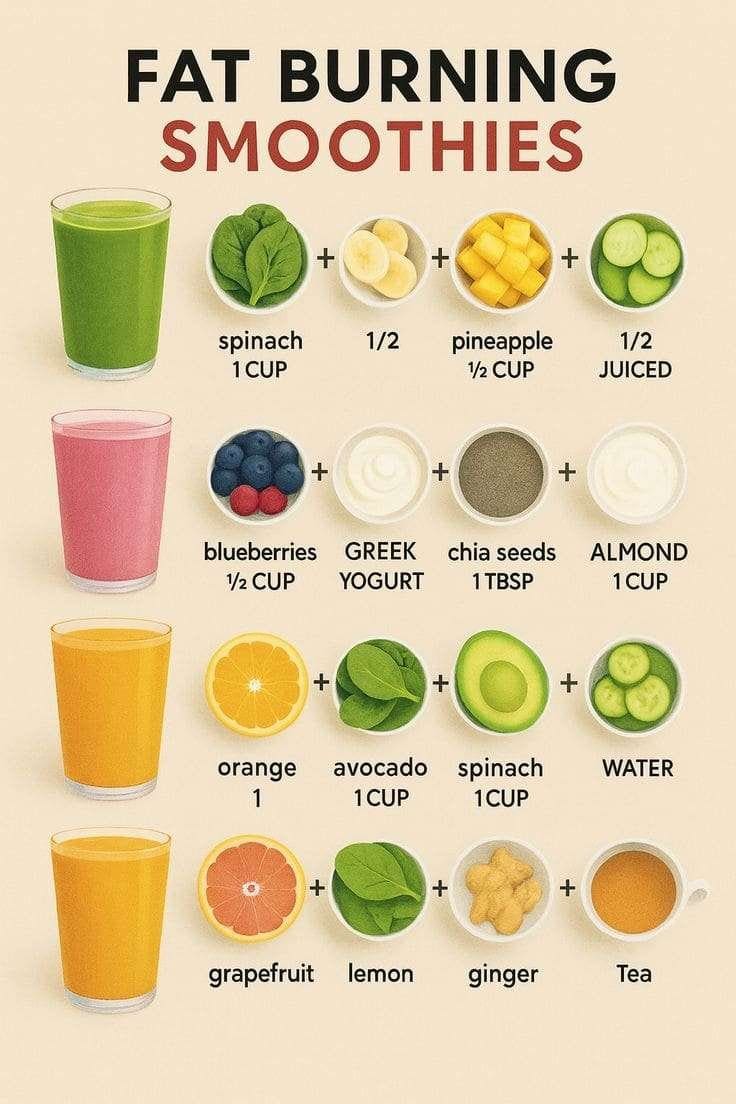
You should prefer smoothies when you want to keep fiber and create a more balanced meal replacement. Juicing works best as a nutrient boost or when you want a lighter option between meals. Smoothies often contain whole fruits and vegetables blended with yogurt, milk, or plant-based milks and can contain protein and healthy fats for better satiety.
When to use each
- Use juices when you want a low-calorie, nutrient-dense beverage that’s easy to sip on after a workout or between meals.
- Use smoothies when you need a meal replacement that keeps you full and provides a balance of macronutrients.
Adding protein and healthy fats
To make juicing compatible with weight loss and muscle preservation, you’ll want to balance it with protein and healthy fats elsewhere. Protein helps preserve lean mass, which supports metabolism. Healthy fats help you feel full and support vitamin absorption.
How to add balance
- Drink a juice as a snack and pair it with Greek yogurt, cottage cheese, a handful of nuts, or a boiled egg.
- Blend a small scoop of protein into a partially juiced drink (mixed or blended afterward) to preserve some texture and keep sugar lower.
- Add a tablespoon of chia seeds or ground flaxseed to smoothies or to the meal paired with juice for omega-3s and fiber.
Equipment choices and their impact
The type of juicer you use affects yield, nutrient retention, and convenience.
Centrifugal juicers
These are fast and common. They use high-speed blades to extract juice but may produce more foam and slightly more oxidation of nutrients. They’re a practical choice if you want quick results and easier cleaning.
Masticating (cold-press) juicers
Slower and more expensive, they press juice out more gently, preserving more enzymes and producing drier pulp. You’ll often get higher yields and potentially more nutrient retention.
Manual and triturating juicers
Manual (hand-crank) or twin-gear triturating juicers are the most nutrient-retentive but require more effort and time. Pick these if you prioritize maximum yield and minimal oxidation.
Quick buying tips
- Look at ease of cleaning; easier-to-clean machines increase the chance you’ll use them regularly.
- Think about noise level, counter space, and how often you’ll juice. If you plan daily juicing, invest in a durable, high-quality model.
Storage, shelf-life, and batch juicing
Fresh juice is best consumed within 24–48 hours. Cold-pressed or masticated juices keep a bit longer due to less oxidation, but flavor and nutrients decline over time.
Storage tips
- Store juices in airtight glass bottles, filled to the brim to limit air exposure.
- Keep in the coldest part of your refrigerator.
- If you must make juice for later, use lemon juice or vitamin C-rich ingredients sparingly to slightly slow oxidation, though flavor will still change.
Sample day plans incorporating juice for weight loss
Below are practical ways to include juice without detracting from satiety and overall nutrition.
Option A: Juice as a morning nutrient boost
- Breakfast: Small green juice (120 kcal) + 2 scrambled eggs and a slice of whole-grain toast
- Lunch: Large salad with grilled chicken, quinoa, avocado
- Snack: Apple or handful of nuts
- Dinner: Salmon, steamed vegetables, small baked potato
- This approach uses juice to add micronutrients while keeping protein and fiber high.
Option B: Juice as an afternoon pick-me-up
- Breakfast: Oatmeal with chia seeds and berries
- Lunch: Turkey and veggie wrap with hummus
- Afternoon: Veggie juice after work (150 kcal) + a small Greek yogurt
- Dinner: Stir-fry with tofu and brown rice
- This helps manage afternoon cravings without replacing a nutrient-dense meal.
Option C: Juice-centered lighter day (occasionally)
- Breakfast: Smoothie with spinach, protein powder, half banana
- Lunch: Large vegetable juice + chickpea salad
- Snack: Carrot sticks and hummus
- Dinner: Lean protein and vegetables
- Use this occasionally if you want fewer calories but be careful to maintain protein intake.
A practical 7-day example (short version)
You should treat juicing days as varied and balanced. Here’s a simplified weekly layout you can adapt:
| Day | Morning | Midday | Afternoon | Evening |
|---|---|---|---|---|
| Mon | Green juice + eggs | Salad with chicken | Small fruit + nuts | Fish + veg |
| Tue | Smoothie with protein | Veggie wrap | Green juice + yogurt | Stir-fry |
| Wed | Green juice + oats | Quinoa bowl | Raw veg + hummus | Chicken + salad |
| Thu | Citrus juice + yogurt | Lentil soup | Small juice + cheese | Veggie curry |
| Fri | Smoothie | Salad with tuna | Small apple + nuts | Grilled fish |
| Sat | Green juice + omelet | Whole-grain sandwich | Juice + protein snack | Lean steak + veg |
| Sun | Light juice + toast | Bean salad | Veg sticks | Roast chicken |
You should adapt portion sizes and ingredients to your calorie needs and preferences.
Safety considerations and medical warnings
Juicing may not be appropriate for everyone. If you have diabetes, kidney disease, gout, or are taking medications (especially blood thinners or diabetes medications), consult your healthcare provider before making major changes. Fruit-heavy juices can raise blood sugar quickly. Certain vegetables (like spinach and beet greens) are high in oxalates and can affect kidney stone risk in susceptible individuals.
Special populations
- Pregnant or breastfeeding people should prioritize whole foods and consult their provider before extended juice use.
- If you have blood pressure problems or take ACE inhibitors, watch sodium-rich vegetable combinations.
- Those with IBS or digestive sensitivities may need to test small amounts because concentrated juices can affect gut symptoms.
How to make juicing sustainable for long-term weight loss
Long-term success depends on sustainable habits. Use juicing as a complement, not a replacement for mindful whole-food eating.
Behavioral tips
- Set realistic goals: aim for increased vegetable intake and occasional juices rather than frequent meal replacement juices.
- Keep a food journal to monitor calories, hunger, and satiety.
- Use juicing to replace high-calorie drinks rather than meals most of the time.
- Pair juices with protein or healthy fats in other meals to preserve muscle and support fullness.
Grocery list and shopping guidance
You’ll save money and reduce waste with planning. Buy vegetables in season when they’re cheaper and fresher. Consider frozen produce for smoothies and add-ins like berries or spinach because they’re cost-effective and nutrient-dense.
Basic shopping list for juicing
- Leafy greens: spinach, kale, romaine
- Cucumbers and celery
- Carrots, beets, tomatoes
- Apples, pears, lemons, limes
- Herbs: parsley, mint, cilantro
- Fresh ginger, turmeric
- Protein additions: Greek yogurt, protein powder, nuts, seeds
- Storage bottles or mason jars
Troubleshooting common issues
If your juice tastes bitter, you can add a small amount of sweet fruit or a splash of citrus to balance it. If you feel unusually hungry after a juice, add a protein-rich snack or switch to a smoothie. If you notice blood sugar spikes, reduce fruit and increase greens. If cleaning is a chore, switch to a juicer with fewer parts or set a routine to clean immediately after juicing.
Tracking progress and realistic expectations
You should track weight change, but also pay attention to how your clothes fit, energy levels, sleep, and digestion. Weight can fluctuate daily due to hydration and glycogen shifts. Aim for a steady loss of 0.5–1% body weight per week or 1–2 pounds per week for most people; faster loss may include water and muscle loss rather than fat loss.
Metrics to monitor
- Weekly weight check-ins
- Body measurements (waist, hips)
- Strength and endurance in workouts
- Energy, mood, and hunger patterns
Frequently asked questions (brief)
Can juicing alone make you lose weight?
Juicing can reduce calories if you replace higher-calorie meals or beverages with low-calorie vegetable juices, but it’s not a sustainable standalone solution. You should combine juicing with balanced meals, exercise, and behavior changes.
How often should I juice?
You can juice daily as long as you balance it with protein, fiber, and whole foods. Many people find 2–4 juice servings per week helpful for habit change; others use a daily morning juice paired with a balanced meal plan.
Are store-bought juices okay?
Some store-bought cold-pressed juices can fit into a weight-loss plan, but read labels for added sugars and calorie content. They’re often more expensive and may lose freshness more quickly than homemade options.
Final practical checklist for starting juicing for weight loss
- Choose mostly vegetable-based recipes with limited fruit.
- Pair juices with protein or healthy fats in other meals.
- Use smoothies when you need fiber and satiety.
- Choose a juicer that you’ll realistically use and clean.
- Monitor calories and hunger to ensure you’re maintaining a sustainable deficit.
- Talk to your healthcare provider if you have medical conditions or take medication.
- Keep variety in your produce to cover a wide range of nutrients.
Quick starter recipes (recap)
- Green Metabolism Boost: spinach + cucumber + celery + green apple + lemon
- Veggie Detox: carrots + tomato + beet + celery + ginger
- Herb Refresh: romaine + cucumber + parsley + lemon
Low-Calorie Juices for Weight Loss can be a practical, enjoyable tool to help you reduce calories, increase vegetable intake, and support weight loss when used thoughtfully. You’ll get the best results by combining juices with whole foods, adequate protein, and an activity plan that fits your life.
Disclaimer
This content is for informational and educational purposes only and is not intended as medical advice. Always consult a qualified healthcare professional before making changes to your diet, especially if you have a medical condition, are pregnant, or are taking medication.
As an Amazon Associate, we earn from qualifying purchases.