
Daily Juicing Planner is a practical way to organize your juicing routine so you know what to prepare, when to juice, and how to stay consistent throughout the week. Planning ahead reduces waste, saves time, and makes healthy habits easier to maintain.
Daily Juicing Planner: How To Organize Your Week
This guide gives you a friendly, step-by-step way to organize an efficient juicing routine for the whole week. You’ll learn how to set goals, shop smart, prep efficiently, store safely, and troubleshoot common problems so juicing fits into your life without taking it over.
Why plan your juicing week?
Planning turns juicing from a sporadic task into a sustainable habit. When you plan, you avoid impulse buys, reduce spoilage, save time, and make sure your juices match your goals—whether that’s energy, digestion, detox, or immune support. Planning also helps you maintain variety so you don’t get bored.
Set realistic goals for your juicing
Be clear about what you want juicing to do for you. Do you want a nutrient boost each day, a morning ritual, or a replacement for snacks? Set frequency, portion size, and nutritional goals. Start modestly—planning three to five juices per week may be more sustainable than aiming for seven every day.
Track your schedule and time availability
Your available time determines whether you’ll prep daily or batch make juices. Review your weekly calendar and block time for shopping, prepping, and juicing. If mornings are hectic, plan for evening prep so you have ready-made juices the next day.
A Daily Juicing Planner helps remove guesswork and keeps your nutrition routine simple.
Inventory and pantry audit
Before you shop, take stock of what you already have. Check your fridge, freezer, and pantry for produce, herbs, and staples like ginger, lemons, or apples. This avoids duplicate purchases and helps you craft recipes using what’s on hand.
Create a shopping list that supports the plan
A focused shopping list prevents waste and keeps costs down. Group items by sections of the store (produce, herbs, roots, greens, citrus, nuts/seeds, extras like turmeric or cayenne). Buy seasonal produce to save money and enjoy better flavor.
Example shopping list format:
| Category | Items | Quantity |
|---|---|---|
| Leafy Greens | Kale, spinach, Swiss chard | 2 bunches total |
| Fruits | Apples, pears, oranges | 6–8 pieces |
| Roots/Spices | Ginger, turmeric | 200–300 g |
| Citrus | Lemons, limes | 4–6 |
| Extras | Cucumbers, celery, beets | As needed |
| Herbs | Parsley, mint, cilantro | 2 bunches |
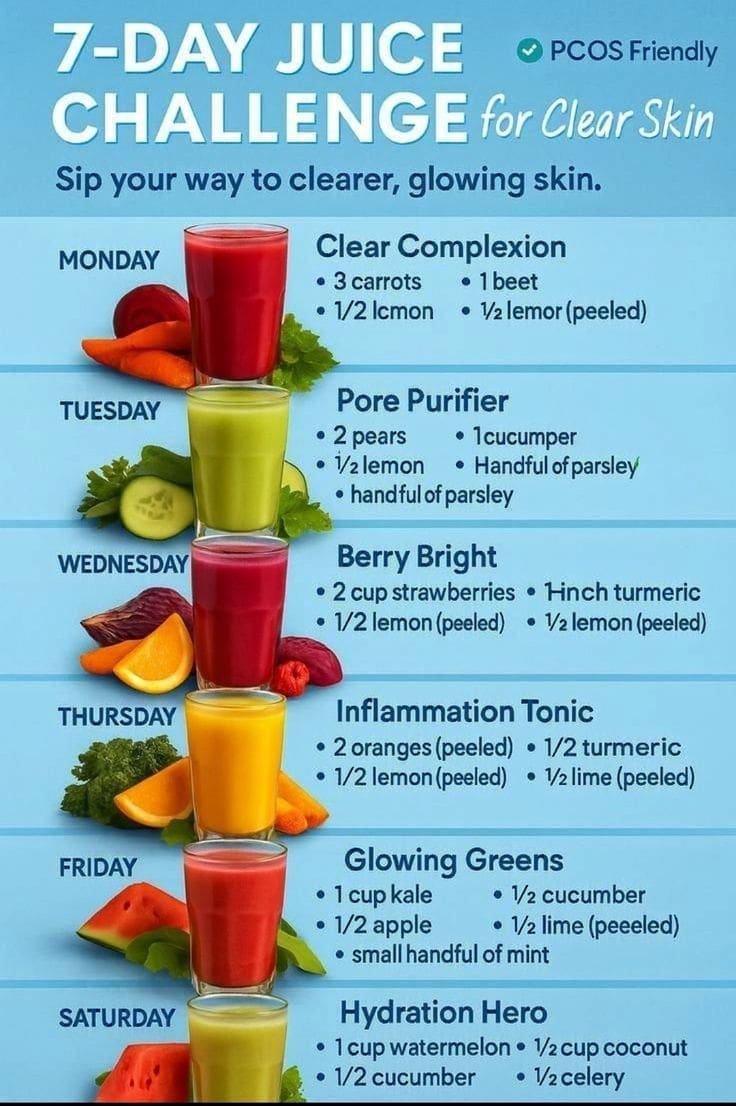
Choose the right juicer for your plan
Different juicers work better for different goals. Centrifugal juicers are fast and convenient for everyday use. Masticating (cold press) juicers are slower but yield more juice and preserve nutrients longer. If you plan to juice leafy greens and wheatgrass frequently, a masticating juicer or twin-gear juicer gives better yields.
Quick comparison:
| Juicer Type | Speed | Yield | Best for |
|---|---|---|---|
| Centrifugal | Fast | Moderate | Everyday fruits, beginners |
| Masticating | Slow | High | Leafy greens, longer storage |
| Twin-gear | Slowest | Highest | Maximum nutrient retention, dense greens |
Weekly prep workflow
A repeatable workflow saves time. Here’s a sample process that you can adapt:
- Plan recipes for the week and create a shopping list.
- Shop once or twice a week depending on perishability.
- Wash and dry produce as soon as you get home.
- Pre-cut hard produce (carrots, beets, apples) and store in airtight containers.
- Chop leafy greens and store with paper towels to absorb moisture.
- Juice morning-of if possible, or batch juice and store properly if needed.
Washing and prepping produce
Thorough washing reduces microbes and extends shelf life. Use a produce brush for root vegetables and scrub with cold water. For greens and herbs, soak briefly in cold water, then spin or pat dry. Remove outer leaves that look wilted. Prepping in stages—washing, cutting, and storing—reduces daily effort.
Using a Daily Juicing Planner helps you stay consistent by organizing ingredients, prep time, and juice combinations across the week.
How to store prepared produce
Proper storage keeps produce fresh and ready to juice. Use airtight containers or glass jars. Line containers with paper towels to absorb moisture for leafy greens. Store fruits in the crisper or fridge, and roots in a cool, dark place if not refrigerated.
Storage tips table:
| Item | Prep Step | Storage | Typical Life |
|---|---|---|---|
| Leafy greens | Wash, dry, wrap in paper towel | Airtight container, fridge | 4–7 days |
| Apples/pears | Whole or sliced with lemon | Fridge | 7–14 days |
| Carrots/beets | Peel/trim and cut | Airtight container, fridge | 2–3 weeks |
| Ginger/turmeric | Scratch or slice | Airtight container, fridge | 2–3 weeks |
| Citrus | Whole | Crisper drawer | 2–4 weeks |
Batch juicing vs juicing daily
Decide whether you’ll juice daily or batch make several days’ worth. Batch juicing saves time but may require proper storage to maintain freshness. Cold-pressed juices and juice from masticating juicers last longer than juices from centrifugal machines—usually 48–72 hours refrigerated. If you need 3–4 days of juice, invest in a vacuum sealer or high-quality glass bottles with tight seals.
Pros and cons:
| Approach | Pros | Cons |
|---|---|---|
| Daily juicing | Freshest flavor and max nutrients | Takes daily time |
| Batch juicing | Saves time, convenient | Potential nutrient decline, requires storage |
Safe storage and shelf life of juice
Store juice in glass bottles and fill them to the brim to minimize air exposure. Store upright in the fridge and consume within recommended times. Add a squeeze of lemon to inhibit oxidation if you plan to store for more than a day. Taste and smell are your best indicators—if something smells off, discard it.
Rough guidelines:
- Centrifugal juice: 24–48 hours refrigerated
- Masticating/cold-pressed juice: 48–72 hours refrigerated
- Frozen juice: Up to 3 months (best quality in first month)
Sample weekly juicing planner (simple schedule)
This table gives a clear sample of how you might organize juices across a week, mixing prep and fresh juicing.
| Day | Plan | Prep required | Notes |
|---|---|---|---|
| Monday | Green energy juice (kale, cucumber, apple, lemon) | Prep greens Sunday evening | Drink morning |
| Tuesday | Carrot-ginger immunity juice | Batch make 2 servings Monday night | Use within 48 hours |
| Wednesday | Beet-red vitality (beet, apple, celery) | Juice fresh morning | Strong flavor—dilute if desired |
| Thursday | Citrus refresher (orange, grapefruit, mint) | Prep citrus Wednesday night | Great post-workout |
| Friday | Tropical blend (pineapple, spinach, lime) | Chop pineapple Thursday | Use within 48 hours |
| Saturday | Root boost (carrot, ginger, turmeric) | Juice fresh morning | Anti-inflammatory focus |
| Sunday | Light green cleanse (cucumber, spinach, lemon) | Prep greens Saturday | Gentle reset for week ahead |
Sample shopping list based on weekly planner
You can tailor quantities to your household size, number of juices per day, and portion sizes.
| Item | Quantity |
|---|---|
| Kale or spinach | 2–3 bunches |
| Cucumbers | 4–6 |
| Apples | 8–10 |
| Lemons | 6–8 |
| Carrots | 2–3 lbs |
| Beets | 2–4 medium |
| Ginger | 150–250 g |
| Turmeric | 100–150 g |
| Pineapple | 1–2 |
| Oranges or grapefruit | 6–8 |
| Celery | 1–2 bunches |
| Mint or parsley | 2 bunches |
Portion sizes and nutrition basics
A typical glass of juice is 8–12 ounces. If you use juices as snacks, keep them to 6–8 ounces to avoid too much sugar from fruit. If you’re replacing a meal, pair juice with protein or healthy fats (nuts, yogurt, chia pudding) to increase satiety and balance blood sugar.
Quick nutrition tips:
- Combine greens with fruit to keep sugar moderate.
- Add a small amount of healthy fat or protein after juicing for balance.
- Rotate ingredients to cover a broader nutrient profile.
Recipes to rotate through the week
Provide a few easy recipes with ingredient amounts you can scale. Use juice combinations that are versatile and forgiving.
Green Energy (1 serving)
- 2 cups kale or spinach
- 1 medium cucumber
- 1 apple
- 1/2 lemon (peeled)
- Small piece of ginger (1 tsp grated)
Carrot Ginger Immunity (1–2 servings)
- 4–5 carrots
- 1 apple
- 1-inch piece of ginger
- 1/2 lemon (optional)
Beet Vitality (1 serving)
- 1 small beet (peeled if not organic)
- 2 apples
- 2 celery stalks
- 1/2 lemon
Citrus Mint Refresher (1 serving)
- 2 oranges (peeled)
- 1/2 grapefruit (peeled)
- A handful of mint leaves
- 1/2 lime
Tropical Spin (1 serving)
- 1 cup pineapple chunks
- 1 cup spinach
- 1/2 lime
Adjusting for taste and sugar control
If juices taste too sweet, add more greens, cucumber, or lemon to balance. If they’re too bitter, add a small amount of apple or carrot. For a thicker texture and slower sugar absorption, add a spoonful of chia seeds or blend a portion of the juice with pulp for fiber.
Using pulp: don’t waste it
Pulp contains fiber and nutrients. Keep it for smoothies, soups, veggie patties, muffins, or dehydrated crackers. You can compost or dry it for flavoring stocks and sauces.
Ideas for pulp:
- Add to smoothies for fiber.
- Blend into pancake or muffin batter.
- Mix with breadcrumbs, spices, and an egg for veggie burgers.
- Dehydrate and grind into fiber powder for baking.
Cleaning and maintenance of juicing equipment
Regular cleaning keeps flavors fresh and your machine performing well. Rinse immediately after juicing to prevent pulp drying on parts. Use a soft brush to scrub mesh filters. For masticating juicers, disassemble per manual and clean all nooks. Deep clean weekly with a vinegar or baking soda solution if you notice buildup.
Cleaning checklist:
- Rinse parts immediately
- Use brush for filters and small holes
- Soak tough residue in warm soapy water
- Air dry fully before reassembly
Troubleshooting common problems
If juice tastes bitter: check the age and quality of your produce; overripe greens or certain root vegetables can change flavor. If yield is low: try a different juicer or alternate hard and soft produce while juicing. If juice separates quickly: that’s natural; shake before drinking or stir in a small amount of blended pulp for texture.
Common fixes table:
| Problem | Likely cause | Solution |
|---|---|---|
| Bitter juice | Old or bitter greens | Use fresher produce or more fruit |
| Low yield | Juicer type or technique | Chop produce smaller; alternate textures; upgrade juicer |
| Quick separation | Natural fiber settling | Shake, stir, or blend with fiber |
| Machine clogging | Too many soft greens at once | Add harder produce between soft items |
Safety and food handling
Always wash produce well. For non-organic items, scrub skin to reduce pesticide residues. Be cautious with raw juices if you have a weakened immune system—pasteurized options or fresh-cooked alternatives may be safer. Pregnant people should consult a healthcare provider about juicing certain raw ingredients.
Budgeting your weekly juicing
Juicing can be cost-effective with planning. Buy seasonal produce, purchase in bulk for nonperishables, and shop farmers’ markets near the end of the day for discounts. Compare costs: sometimes blending smoothies provides more fiber for less money, so balance between juicing and blending based on budget.
Cost-saving tips:
- Freeze excess fruit for smoothies or juice later.
- Use whole fruits for snacks to reduce dependency on single-use juices.
- Compare per-serving costs when buying organic vs conventional.
Adapting the plan for special diets or goals
If you’re on a specific diet (keto, low-FODMAP, diabetes-friendly), adjust ingredients accordingly. For low-carb goals, favor leafy greens, cucumber, and lemon; minimize high-sugar fruits. For gut health, emphasize low-acid ingredients and consider kefir or probiotic-rich additions after consulting a provider.
Examples:
- Low-carb juice: cucumber, spinach, lemon, celery
- Anti-inflammatory: turmeric, ginger, carrot, apple (small)
- Low-FODMAP: cucumber, kale, carrot, small portion of citrus
Tracking progress and tuning your plan
Keep a simple log of what you juice, when you drink it, and how you feel afterward. Over a few weeks you’ll spot patterns—certain ingredients that boost energy or cause digestive upset. Adjust frequency, ingredients, and portion sizes based on these insights.
Sample tracking table:
| Date | Juice | Time | Portion | How you felt |
|---|---|---|---|---|
| 2025-10-01 | Green energy | Morning | 10 oz | Alert, light |
Tips to make juicing a habit
- Pair juicing with an existing routine (like breakfast).
- Prepare containers and bottles in advance.
- Keep a small stash of quick-to-juice items (apples, carrots, ginger).
- Use attractive bottles to make prepared juice feel special.
- Invite friends or family to join for accountability.
What to do when you’re traveling or short on time
Prep bottles and freeze them; thaw in the fridge the night before consumption. Pack a small travel blender and frozen fruit for smoothies when juicing gear isn’t available. If you must rely on store-bought juice, read labels and choose options with no added sugars or preservatives.
Seasonal adjustments
Shift ingredients with the seasons for better flavor and price. Spring and summer: more leafy greens, cucumbers, melons. Fall and winter: root vegetables, citrus, and storage-friendly apples. Your planner should reflect seasonal availability to keep costs down and taste high.
Long-term planning and variety
Rotate recipes every week or two to keep things interesting. Create a list of favorite combos and a “backup list” for busy weeks with minimal ingredients. Over time you’ll build a repertoire that matches your taste, budget, and nutritional goals.
Final weekly planner template you can use
Use this template each week: choose 3–7 juice slots, assign recipes, buy ingredients, and set prep times. Adjust portion sizes and storage choices based on whether you’ll batch make or juice daily.
Template example:
| Day | Juice name | Ingredients | When to prep | Storage instructions |
|---|---|---|---|---|
| Monday | ||||
| Tuesday | ||||
| Wednesday | ||||
| Thursday | ||||
| Friday | ||||
| Saturday | ||||
| Sunday |
Fill in this table every week and keep a master shopping list that you update as you run low on staples.
Wrap-up: making juicing sustainable in your life
If you plan carefully, juicing becomes an enjoyable, manageable habit that supports your goals. By setting realistic goals, shopping smart, prepping strategically, and storing safely, you’ll reduce stress and waste while getting consistent nutritional benefits. Use this planner as a template and adjust to match your schedule, taste, and health needs. Over time you’ll find a rhythm that feels effortless and rewarding.
A Daily Juicing Planner is especially useful if you want to reduce waste and maintain a steady juicing routine without daily decision fatigue.
Disclaimer.
This content is for informational and educational purposes only and is not intended as medical advice. Always consult a qualified healthcare professional before making changes to your diet, especially if you have a medical condition, are pregnant, or are taking medication.
As an Amazon Associate, we earn from qualifying purchases.