
Detox Juicing Myths Vs Facts helps clarify common misunderstandings around juice cleanses and detox claims. Many people turn to detox juicing for health benefits, but not all claims are backed by science, making it important to separate facts from marketing hype
Detox Juicing Myths Vs Facts Explained
This article will guide you through what detox juicing is, what people claim it does, and what the science actually supports. You’ll get clear comparisons between common myths and verified facts, practical guidance for safe juicing, and recipes and plans you can use if you choose to try juicing responsibly.
What is detox juicing?
Detox juicing refers to drinking only (or mostly) fruit and vegetable juices for a short period to “cleanse” the body, remove toxins, or jump-start weight loss. You’ll see many programs offering juice-only days or multi-day juice “cleanses” marketed for general health, weight loss, or improved complexion.
Why people turn to detox juicing
People try detox juicing hoping for quick results like improved energy, clearer skin, or rapid weight loss. You may be attracted by the convenience, the promise of resetting eating habits, or testimonials from others. It’s important that you understand both the potential benefits and the limitations before committing.
How the body naturally detoxifies
Your body has its own sophisticated detox system, involving the liver, kidneys, lungs, skin, and digestive tract. You’ll benefit from supporting these organs with healthy habits rather than relying solely on short-term juice cleanses.
Liver and kidneys: primary detox organs
The liver transforms many harmful compounds into forms that can be excreted, while the kidneys filter blood and eliminate waste through urine. Maintaining hydration, balanced nutrition, and avoiding excessive alcohol and toxins helps these organs function optimally.
Lungs, skin, and gut contributions
Your lungs expel volatile toxins, your skin eliminates small amounts of waste through sweat, and your digestive tract manages the removal of undigested food, bacteria, and metabolites. Fiber-rich diets support gut health, whereas many juice cleanses remove most dietary fiber.
Common claims about detox juicing
You’ll see claims that juicing detoxes the liver, flushes toxins, repairs gut health, and yields rapid weight loss. Some claims are grounded partially in truth; others are overstated or misleading. Let’s separate what’s supported by evidence and what’s not.
Quick fixes vs. sustainable changes
Juice cleanses often promise fast results, but rapid weight loss during a juice cleanse is usually water loss and reduced glycogen stores, not sustainable fat loss. Sustainable changes come from long-term dietary habits combined with exercise and lifestyle changes.
Myths vs Facts
Below is a table that directly contrasts common myths about detox juicing with the facts based on current scientific understanding.
Understanding Detox Juicing Myths Vs Facts helps you make informed choices about juicing and overall nutrition.
| Myth | Fact |
|---|---|
| Juicing “detoxes” your liver and removes toxins that are otherwise stored in your body. | Your liver and kidneys already detoxify your body continuously. No single food or juice can “cleanse” them; supportive nutrition and avoiding toxins help more. |
| Juice-only cleanses permanently remove toxins and reset your system. | Short-term juice cleanses can change symptoms temporarily (e.g., improved energy) but don’t permanently remove environmental toxins or reset your organs. Long-term habits provide lasting benefits. |
| Juicing is a superior way to get nutrients compared to whole foods. | Juices can deliver concentrated vitamins and minerals quickly, but they lack fiber and some phytonutrients that work best in whole-food matrices. |
| You can lose significant, healthy weight through juice cleanses. | Rapid weight loss is often water and muscle mass, not sustainable fat loss. Healthy weight loss comes from balanced calorie control and exercise. |
| All juice cleanses are safe for everyone. | Juice cleanses can be risky for people with diabetes, kidney disease, certain metabolic disorders, pregnant or breastfeeding people, and those on certain medications. Consult a healthcare provider first. |
What the research says
You’ll find a mix of research focusing on short-term biochemical changes and anecdotal reports of improved well-being. Robust, long-term randomized controlled trials on juice-only detox diets are limited.
Short-term effects
Short-term trials show that fruit and vegetable juices can increase intake of vitamins and antioxidants and can temporarily improve markers like blood pressure or oxidative stress in some groups. However, these studies are often short and include small sample sizes.
Long-term outcomes
There’s little evidence that short-term juice cleanses produce lasting health improvements. Long-term benefits more often come from sustained increases in fruit and vegetable intake, regular exercise, and weight management.
Nutritional profile of common juices
Juices vary widely in calorie content, sugar, fiber, vitamins, and minerals. You should know what you’re drinking so you can match it to your goals and health needs.
Nutrient comparison table
| Juice Type | Typical Serving (12 oz / 360 mL) | Approx Calories | Sugar (g) | Fiber (g) | Notable Nutrients |
|---|---|---|---|---|---|
| Fresh orange juice | 360 mL | 165 | 33 | 0–1 | Vitamin C, folate, potassium |
| Apple juice | 360 mL | 180 | 36 | 0 | Vitamin C (fortified), polyphenols |
| Carrot juice | 360 mL | 180 | 18 | 1–2 | Beta-carotene (vitamin A precursor), vitamin K |
| Beet juice | 360 mL | 150 | 24 | 0.5–1 | Nitrates (may lower blood pressure), folate |
| Green juice (leafy greens + cucumber) | 360 mL | 80–120 | 8–15 | 0–1 | Vitamin K, vitamin A, folate, magnesium |
| Mixed fruit and veggie | 360 mL | 120–240 | 20–40 | 0–2 | Depends on ingredients |
Note: Commercial juices may have added sugar or preservatives. Freshly made juices retain nutrients but lose most fiber.
Pros and cons of detox juicing
You’ll want to weigh potential advantages against the limitations and risks before starting any juice regimen.
Potential benefits
- Increased intake of vitamins and antioxidants if you normally eat few fruits and vegetables.
- Short-term boost in hydration when juices replace low-fluids meals.
- Some people report improved energy or mental clarity, though this may be placebo or due to cutting processed foods.
- Can act as a behavioral reset for healthier eating if you transition to balanced meals afterward.
Limitations and downsides
- Most juices are low in fiber, which is important for gut health and blood sugar control.
- High sugar content in fruit-heavy juices can spike blood glucose and insulin, potentially problematic for people with insulin resistance or diabetes.
- Calorie restriction during juice-only days can cause fatigue, dizziness, or loss of muscle mass.
- Potential nutrient imbalances, such as insufficient protein and essential fatty acids.
Safety considerations and who should avoid juice cleanses
You must consider your personal health status and medications before attempting a juice cleanse. Some people should avoid them entirely.
Who should not do juice-only cleanses
- People with diabetes or blood sugar disorders — risk of hypoglycemia or hyperglycemia depending on the juice composition and medication.
- People with chronic kidney disease — certain juices (high in potassium) can increase serum potassium dangerously.
- Pregnant or breastfeeding people — needs for calorie, protein, and micronutrients are higher.
- People with eating disorders — restrictive cleanses can trigger relapse.
- Those on medications like warfarin — high-vitamin K juices (green juices with kale, spinach) can interfere with anticoagulants.
When to consult a healthcare professional
Before starting a prolonged juice regimen (more than a day or two), discuss it with your primary care provider or a registered dietitian, especially if you have chronic health conditions or take prescription medications.
How to use juicing safely and effectively
If you decide to include juices in your routine, use them as part of a balanced approach rather than a sole method of “detox.”
Short-term strategies
- Limit juice-only cleanses to no more than 1–3 days unless supervised by a healthcare professional.
- Include at least one meal with whole foods to maintain fiber and protein.
- Choose vegetable-focused juices over fruit-heavy options to reduce sugar load.
- Stay well-hydrated with water and herbal teas alongside juices.
Balanced juicing approach
Pair juices with nutrient-dense meals and snacks. For example, have a green juice in the morning and a balanced lunch with lean protein, whole grains, and vegetables. That way you get the quick nutrient boost without sacrificing fiber and protein.
Protein, fat, and fiber: what juices lack
You’ll notice that juices often omit key macronutrients. Addressing these gaps will help you feel satisfied and preserve muscle mass.
Adding protein and healthy fats
- Include snacks or meals with lean protein (Greek yogurt, eggs, tofu, fish) during juicing periods.
- Add healthy fats to smoothies rather than juices (e.g., avocado, nut butters, chia seeds) to increase satiety.
- Consider adding a scoop of protein powder to vegetable-based blended beverages, but be cautious with juices — mixing protein powder into juice can alter taste and digestion.
Fiber importance
Fiber slows sugar absorption and supports gut bacteria. Juicing removes most insoluble fiber, so you should make sure your other meals are fiber-rich (whole fruits, vegetables, legumes, whole grains).
Homemade juices vs. store-bought
There are pros and cons to both. You’ll want to weigh convenience against cost and nutrient retention.
Homemade juice advantages
- You control ingredients, no added sugars/preservatives.
- Freshness can preserve certain heat-sensitive vitamins.
- Can be tailored to taste and health goals.
Store-bought juice considerations
- Look for 100% juice with no added sugar, but still be mindful of caloric and sugar content.
- Cold-pressed juices may retain more nutrients than heat-pasteurized juices, but they’re pricier and can still lack fiber.
- Some bottled juices are fortified with vitamins, which can be an asset or a concern if you’re already taking supplements.
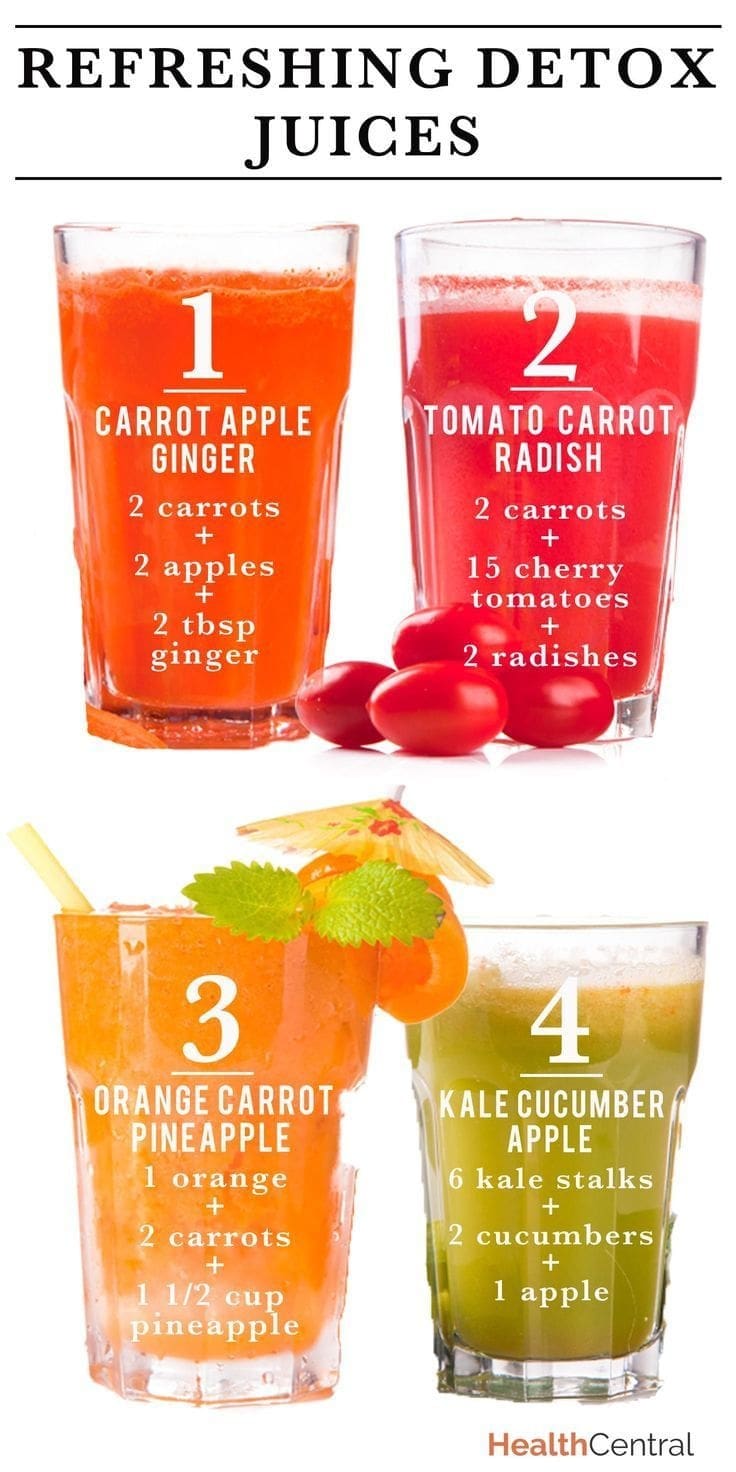
Practical juice recipes and modifications
You’ll get a few simple juice and blended beverage ideas that are lower in sugar and more nutritionally balanced.
Green refresher (vegetable-forward)
Ingredients:
- 2 cups spinach or kale (packed)
- 1 cucumber
- 1 green apple (optional, for sweetness)
- 1/2 lemon (peeled)
- Small piece of ginger
Notes: Use a juicer or blender (if blending, add water and strain if you prefer less pulp). This is lower in sugar and higher in vitamins K and A.
Root boost
Ingredients:
- 2 medium carrots
- 1 beet (small)
- 1 apple (for balance)
- 1/2 inch ginger
Notes: Rich in beta-carotene and nitrates; moderate sugar content—combine with a protein-rich snack.
Citrus immune kick
Ingredients:
- 2 oranges
- 1 grapefruit (optional)
- 1/2 lime
- A few mint leaves
Notes: High in vitamin C; good as a short-term pick-me-up. Avoid in large quantities if you take certain medications that interact with grapefruit.
Protein smoothie alternative (blended, not juiced)
Ingredients:
- 1 cup unsweetened almond milk
- 1 scoop protein powder (pea or whey)
- 1/2 banana
- Handful of spinach
- 1 tablespoon chia seeds
Notes: This hybrid gives you the benefits of greens plus protein and fiber for satiety.
Sample safe 3-day plan
If you’re set on a short juice-focused period, here’s a safer framework that keeps balance in mind.
Day 1-3 outline (each day):
- Morning: Green refresher juice + small handful of nuts
- Mid-morning: Whole-fruit or yogurt (to add fiber/protein)
- Lunch: Blended vegetable soup or salad with lean protein
- Afternoon: Root boost juice
- Dinner: Balanced meal with vegetables, whole grains, and protein
Notes: This approach reduces full juice-only time yet gives you many of the positive experiential aspects of a “cleanse” without the risks of severe calorie restriction.
Monitoring effects and when to stop
You should stop any juice regimen if you experience worsening symptoms.
Symptoms that require stopping and seeking care
- Dizziness, fainting, or severe lightheadedness
- Palpitations or irregular heartbeats
- Severe fatigue, confusion, or cognitive changes
- Signs of electrolyte imbalance (muscle cramps, severe weakness)
- Gastrointestinal distress or persistent nausea
If you develop any of these, reintroduce balanced meals and consult a healthcare professional.
Myths about specific ingredients
Some ingredients are touted as miracle workers; you’ll want to be cautious about overestimating their effects.
Wheatgrass, aloe, and charcoal
- Wheatgrass: Rich in chlorophyll and vitamins, but scientific evidence for systemic detox is weak.
- Aloe juice: May soothe digestion in small amounts but can cause diarrhea and potassium loss when consumed excessively.
- Activated charcoal: Binds certain substances in the gut; however, it’s non-selective and can interfere with nutrient and medication absorption. Avoid using it routinely.
Celery juice trend
Celery juice became popular with claims that it heals the gut and removes toxins. While it’s hydrating and low in calories, there’s no strong evidence that it uniquely heals systemic conditions beyond what a balanced diet can do.
Evaluating marketing claims
You’ll often encounter bold language on labels and social media. Learn to spot red flags.
Marketing warning signs
- Claims that a juice “detoxifies” specific organs or removes heavy metals.
- Promises of dramatic weight loss in unrealistic timeframes.
- Testimonials in place of scientific evidence.
- Lack of ingredient transparency or unspecified “proprietary blends.”
Look for reputable sources, ingredient lists, and third-party testing if buying specialty bottled juices.
Environmental and practical considerations
Fresh juicing produces waste (pulp) and can be time-consuming. You’ll want to manage both for sustainability.
Using pulp
- Add pulp to soups, stews, muffins, or compost it to reduce waste.
- Freeze excess juice in small portions if you want to preserve it longer, but fresh is best for some nutrients.
Cost considerations
- Juicing can be expensive if you rely on bottled cold-pressed products or high-quality organic produce.
- You can reduce costs by prioritizing seasonal produce and using blends that emphasize vegetables over pricey fruits.
Frequently asked questions (FAQ)
You’ll likely have several practical questions; here are clear answers to common concerns.
Q: Can juicing replace a meal permanently? A: No. Juices rarely provide adequate protein, healthy fats, or fiber for complete nutrition over time. Use them as supplements or part of meals, not replacements for long-term sustenance.
Q: How often can I juice? A: Daily small juices are fine, particularly veggie-based ones. Juice-only days should be limited and used sparingly with attention to your overall nutrition.
Q: Will juicing reduce belly fat? A: Short-term juice cleanses may reduce weight temporarily, but targeted fat loss requires sustained calorie deficit, exercise, and overall dietary changes.
Q: Is cold-pressed juice better? A: Cold-pressed techniques can retain some nutrients better than heat-pasteurization, but both can suffer from nutrient loss over time. Fresh is typically best, prepared and consumed quickly.
Q: Are smoothies the same as juices? A: No. Smoothies blend whole fruits and vegetables, retaining fiber, which helps with satiety and blood sugar control. Juices extract fluids and nutrients but usually remove most fiber.
Long-term healthy alternatives to juice-only cleanses
You’ll benefit more from long-term changes that incorporate many of the positive aspects of juicing without the risks.
Practical habits to adopt
- Increase whole fruits and vegetables daily, aiming for a variety of colors.
- Replace one sugary snack with a vegetable-based smoothie or a whole-fruit snack.
- Add legumes, whole grains, nuts, seeds, and lean proteins to balance meals.
- Stay hydrated and limit excessive alcohol and ultra-processed foods.
Supportive lifestyle factors
- Prioritize sleep, which supports metabolic and detox processes.
- Exercise regularly to support circulation, lymphatic flow, and metabolic health.
- Manage stress through mindfulness, social connection, and hobbies to lower inflammatory markers.
Conclusion
You should view detox juicing as a tool, not a miracle cure. It can provide a short-term vitamin boost and can help you feel motivated to improve eating habits, but it cannot replace the body’s organs that manage detoxification, nor will it produce lasting health changes on its own. If you choose to include juicing, prioritize vegetable-forward recipes, maintain protein and fiber in your overall diet, and consult a healthcare professional if you have medical conditions or take medications. With that balanced approach, you can enjoy the benefits of fresh juices safely and sustainably.
If you’d like, I can provide a printable 7-day balanced juicing-and-meal plan tailored to your calorie needs, dietary preferences, or health conditions. Which would you prefer?
Disclaimer.
This content is for informational and educational purposes only and is not intended as medical advice. Always consult a qualified healthcare professional before making changes to your diet, especially if you have a medical condition, are pregnant, or are taking medication.
As an Amazon Associate, we earn from qualifying purchases.