Best Juices for Heart Health are becoming increasingly popular among people looking for natural ways to support healthy blood pressure, improve circulation, and increase their intake of heart-friendly nutrients. Many fruits and vegetables contain potassium, nitrates, antioxidants, and other beneficial plant compounds that may support cardiovascular wellness when combined with a balanced diet and healthy lifestyle. This guide explores the best ingredients, evidence-based benefits, practical recipes, and simple strategies to help you make heart-smart juices at home.
Best Juices for Heart Health
Introduction: How Juicing May Support Healthy Blood Pressure
Best Juices for Heart Health can be a simple way to increase your intake of nutrients linked to cardiovascular wellness, including potassium, nitrates, antioxidants, and polyphenols. Many people want to know which juices may help support healthy blood pressure, which ingredients have the strongest research behind them, and how to use them safely as part of a balanced lifestyle.
Research has highlighted ingredients such as beetroot, leafy greens, berries, citrus fruits, and pomegranate because of their potential role in supporting circulation and heart health. While juice is not a replacement for medical treatment, it can be a convenient way to add more nutrient-rich produce to your diet.
In this guide, you’ll discover seven practical juice recipes, the science behind key ingredients, a simple juicing method, safety considerations, and a 7-day plan to help you get started. Whether your goal is supporting healthy blood pressure or improving your overall heart-healthy habits, these recipes are designed to be easy, practical, and enjoyable.
How Juicing May Support Healthy Blood Pressure
Certain fruits and vegetables contain nutrients that have been studied for their role in cardiovascular health. The most important are nitrates, potassium, antioxidants, and polyphenols.
Nitrate-rich vegetables such as beetroot can help the body produce nitric oxide, a compound that helps blood vessels relax and widen. Potassium-rich ingredients may help balance sodium levels, while antioxidants and polyphenols found in berries, citrus fruits, and leafy greens support overall vascular health.
This is why ingredients such as beetroot, spinach, kale, pomegranate, berries, oranges, and celery are commonly included in heart-healthy juice recipes. Research has shown that dietary patterns rich in fruits and vegetables can support healthy blood pressure, especially when combined with regular exercise, healthy body weight, quality sleep, and reduced sodium intake.
The key takeaway is simple: the best juices for heart health focus on nutrient-dense vegetables and fruits that support circulation and cardiovascular wellness rather than relying on a single “superfood” ingredient.
Top Ingredients to Prioritize in Heart-Healthy Juices
The best juices for heart health are built around ingredients that provide nitrates, potassium, antioxidants, and other beneficial plant compounds. Rather than relying on a single ingredient, aim to combine several of these foods throughout the week.
Beetroot
Beetroot is one of the most popular ingredients for heart-health juices because it contains naturally occurring nitrates that support healthy circulation. Its earthy flavor pairs well with apples, carrots, lemons, and ginger.
Leafy Greens
Spinach, kale, and parsley provide potassium, antioxidants, and a variety of nutrients that support overall cardiovascular health. Rotating greens throughout the week can help add variety to your juices.
Pomegranate and Berries
Pomegranate, blueberries, strawberries, and other berries are rich in polyphenols and antioxidants. These colorful fruits add natural sweetness while contributing beneficial plant compounds.
Celery and Cucumber
Celery and cucumber make excellent juice bases because of their high water content and mild flavor. They blend easily with stronger ingredients while helping create refreshing, lower-calorie recipes.
Citrus Fruits
Lemons, oranges, and grapefruit provide vitamin C and a bright flavor that balances vegetable-based juices. Citrus fruits pair particularly well with beetroot and leafy greens.
Ginger and Turmeric
These flavorful roots are often added in small amounts to support taste and nutritional variety. They work especially well alongside beetroot, citrus fruits, and carrots.
Apples and Carrots
Apples and carrots add natural sweetness and help make heart-healthy juices more enjoyable without relying on large amounts of fruit juice concentrates.
The simplest approach is to combine a nitrate-rich vegetable, a leafy green, a citrus fruit, and a small amount of ginger or turmeric. This creates a balanced juice that supports heart health while keeping recipes easy to follow.
Simple Buying Tips
- Choose firm, heavy beets without soft spots for the best freshness and juice yield.
- Look for crisp, dark leafy greens and use them within a few days of purchase.
- Store cucumbers, celery, and leafy greens in the refrigerator to maintain freshness.
- Buy seasonal produce whenever possible for better flavor and value.
- Organic leafy greens may be preferred by some people, while conventional carrots, beets, and apples are generally suitable when washed thoroughly.
Fresh, high-quality produce will usually have a greater impact on taste and consistency than focusing on specific nutrient measurements.
7 Best Juice Recipes for Heart Health
These recipes focus on ingredients commonly associated with healthy blood pressure and cardiovascular wellness. The goal isn’t to chase exact nutrient numbers but to create simple, enjoyable juices that make it easier to include more heart-friendly produce in your diet.
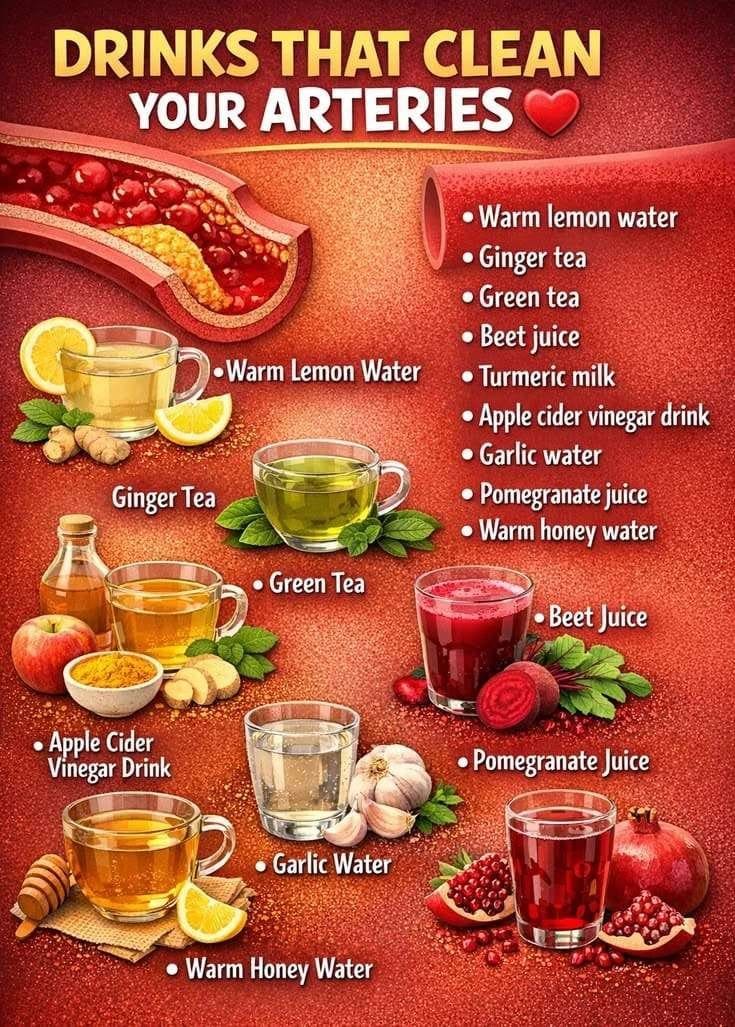
Beet, Apple, and Ginger Juice
Ingredients: 1 medium beetroot, 1 apple, 1-inch piece of fresh ginger, and a splash of water if needed.
Why it works: Beetroot is one of the most popular ingredients in heart-health juices thanks to its naturally occurring nitrates. Apple adds sweetness, while ginger provides extra flavor.
Directions: Wash all ingredients, chop into juicer-friendly pieces, and juice until smooth. Serve immediately for the best flavor and freshness.
Best time to enjoy: Morning or before physical activity.
Tip: If you prefer a milder flavor, reduce the amount of beetroot or add extra apple.
Celery, Cucumber, and Lemon Juice
Ingredients: 3–4 celery stalks, 1 cucumber, ½ lemon, and a splash of water if needed.
Why it works: Celery and cucumber create a refreshing, hydrating base, while lemon adds brightness and vitamin C. This is an easy everyday juice for people who prefer lighter flavors.
Directions: Wash all ingredients thoroughly, chop into smaller pieces, and juice until smooth. Stir well and serve immediately.
Tip: Add a handful of spinach or parsley if you’d like a more nutrient-dense version.
Spinach, Kale, and Pear Juice
Ingredients: 1 cup spinach, 1 cup kale, 1 small pear, and a splash of water if needed.
Why it works: Leafy greens provide a variety of nutrients associated with heart health, while pear adds natural sweetness to balance the flavor.
Directions: Wash the greens, chop the pear, and process all ingredients through your juicer. Stir and enjoy fresh.
Tip: If you’re new to green juices, start with extra pear and gradually increase the greens over time.
Pomegranate, Berry, and Beet Juice
Ingredients: ½ cup pomegranate arils (or pomegranate juice), 1 cup mixed berries, and 1 small beetroot.
Why it works: This colorful juice combines antioxidant-rich fruits with beetroot, creating a flavorful blend that’s popular in heart-health routines.
Directions: Add all ingredients to your juicer, process until smooth, and serve chilled. Strain if you prefer a smoother texture.
Tip: Frozen berries work well and can make the juice naturally colder without adding ice.
Carrot, Orange, and Turmeric Juice
Ingredients: 2–3 carrots, 1 orange, a small piece of fresh turmeric, and a splash of water if needed.
Why it works: Carrots and oranges provide natural sweetness and vitamin C, while turmeric adds a warm, earthy flavor.
Directions: Peel the orange if desired, chop all ingredients into smaller pieces, and juice until smooth. Stir and enjoy immediately.
Tip: Add a small piece of fresh ginger for extra flavor and a little kick.
Garlic, Parsley, and Apple Juice
Ingredients: 1 small garlic clove, a handful of fresh parsley, 1 apple, and a splash of water if needed.
Why it works: Garlic and parsley are popular ingredients in heart-healthy diets, while apple helps balance the flavor with natural sweetness.
Directions: Chop all ingredients into smaller pieces and juice until smooth. Stir well and enjoy fresh.
Tip: If you’re new to garlic juices, start with half a clove and gradually increase to suit your taste.
Low-Sugar Green Juice
Ingredients: 1 cucumber, 3–4 celery stalks, ½ lemon, and a small handful of fresh mint.
Why it works: This refreshing juice is naturally low in sugar and easy to include in a daily routine. Cucumber and celery provide a light base, while lemon and mint add flavor.
Directions: Wash all ingredients thoroughly, chop into juicer-friendly pieces, and juice until smooth. Serve immediately or refrigerate in an airtight container for up to 24–48 hours.
Tip: Add a handful of spinach if you’d like extra greens without changing the flavor too much.
How to Get the Most From Your Fresh Juice
Follow these simple steps to help maintain freshness and flavor:
- Choose fresh, high-quality fruits and vegetables.
- Wash produce thoroughly before juicing.
- Use the juicing method that best fits your routine and budget.
- Drink juice soon after preparation whenever possible.
- Store leftovers in an airtight container in the refrigerator.
- Add lemon or lime for extra flavor and freshness.
These simple habits can help you enjoy better-tasting juice while making it easier to include heart-healthy ingredients in your daily routine.
Safety Considerations
Heart-healthy juices can be a great addition to your diet, but they aren’t suitable for everyone. If you take blood pressure medication, have kidney disease, or follow a medically prescribed diet, speak with your healthcare professional before making major changes to your routine.
Some ingredients commonly used in juices, including beetroot, spinach, and other leafy greens, may not be appropriate for certain medical conditions. It’s also important to remember that juice should complement a balanced diet rather than replace meals.
Quick Safety Tips
- Start with small servings and see how your body responds.
- Choose a variety of fruits and vegetables rather than relying on a single ingredient every day.
- Stay hydrated and continue following any dietary advice from your healthcare professional.
- Stop using a recipe if it causes discomfort or unwanted side effects.
When used sensibly as part of an overall healthy lifestyle, fresh juices can be an enjoyable way to increase your intake of nutrient-rich fruits and vegetables.
Choosing a Juicer, Cost, and Storage Tips
You don’t need an expensive machine to enjoy the best juices for heart health. The right choice depends on your budget, how often you juice, and how much time you want to spend cleaning.
Choosing a Juicer
Masticating (Cold-Press) Juicers: A good option for regular juicing and leafy greens.
Centrifugal Juicers: Faster, more affordable, and ideal for beginners.
Choose the option that fits your lifestyle rather than focusing on small differences in nutrient retention.
What Does Juicing Cost?
The cost of homemade juice varies depending on ingredients and seasonality. Simple recipes using carrots, apples, celery, cucumbers, and beets are usually budget-friendly, while pomegranate and berry-based recipes tend to cost more.
Buying produce in season and using frozen berries can help reduce costs while maintaining quality.
Storage Tips
- Store fresh juice in an airtight container in the refrigerator.
- Drink within 24–48 hours for the best quality and freshness.
- Label stored juices with the preparation date.
- Freeze extra portions if you won’t use them within a couple of days.
Reduce Waste
Don’t throw away leftover pulp. It can be added to soups, smoothies, sauces, muffins, or homemade veggie burgers to reduce waste and add extra fiber to your meals.
How to Include Heart-Healthy Juices in Your Routine
The easiest approach is to use juice as part of a balanced diet rather than relying on it as a quick fix. Pairing juice with protein, fiber, and regular physical activity can help support overall cardiovascular health.
7-Day Sample Plan
Day 1: Beet, Apple, and Ginger Juice with oatmeal.
Day 2: Low-Sugar Green Juice with eggs or Greek yogurt.
Day 3: Pomegranate, Berry, and Beet Juice with a large mixed salad.
Day 4: Celery, Cucumber, and Lemon Juice with grilled fish and vegetables.
Day 5: Spinach, Kale, and Pear Juice with a bean-based lunch.
Day 6: Garlic, Parsley, and Apple Juice with a lean protein meal.
Day 7: Carrot, Orange, and Turmeric Juice followed by a short walk.
Simple Success Tips
- Prepare produce in advance to save time during the week.
- Rotate ingredients to increase nutrient variety.
- Pair juices with balanced meals rather than drinking them on their own.
- Choose recipes you genuinely enjoy so the habit is easier to maintain.
- Combine heart-healthy juices with regular exercise, quality sleep, and a balanced diet.
Consistency matters more than perfection. Small habits maintained over time are more likely to support long-term heart health than short-term extreme changes.
What the Research Says
Research suggests that certain fruits and vegetables commonly used in heart-healthy juices may help support healthy blood pressure as part of an overall healthy lifestyle.
Beetroot has received the most attention because of its naturally occurring nitrates, which have been studied for their role in supporting circulation. Pomegranate, garlic, celery, berries, and leafy greens have also been researched for their potential cardiovascular benefits.
Major health organizations continue to emphasize the importance of dietary patterns rich in fruits, vegetables, whole grains, and other minimally processed foods. Heart-healthy juices can be a convenient way to increase produce intake, but they work best alongside other healthy habits such as regular exercise, maintaining a healthy weight, managing stress, and limiting excess sodium.
Overall, the strongest evidence supports a balanced diet that includes a variety of nutrient-rich fruits and vegetables rather than relying on any single ingredient or juice recipe.
Simple Tips Many People Overlook
Most heart-health juice articles focus on recipes but overlook a few practical habits that can make juicing easier and more sustainable.
Rotate Your Ingredients
Avoid using the same fruits and vegetables every day. Rotating ingredients helps increase nutrient variety and keeps flavors interesting.
Pair Juice With Healthy Meals
Juices work best when they support an overall heart-healthy eating pattern. Pair them with meals that include vegetables, lean proteins, whole grains, and healthy fats.
Focus on Consistency
Many people try a recipe once or twice and expect dramatic results. A more realistic approach is to include heart-friendly juices regularly alongside other healthy lifestyle habits.
Don’t Rely on Juice Alone
Fresh juice can be a useful addition to your routine, but it shouldn’t replace balanced meals, regular physical activity, quality sleep, or other healthy habits that support cardiovascular wellness.
Small, sustainable changes are often more effective than complicated protocols or extreme short-term plans.
Conclusion: Simple Next Steps
Best Juices for Heart Health can be an easy way to increase your intake of nutrient-rich fruits and vegetables that support a heart-healthy lifestyle. While juice isn’t a substitute for medical treatment, it can be a practical addition to a balanced diet and healthy routine.
Three Simple Next Steps
- Choose one recipe from this guide and try it consistently for a week.
- Focus on whole, fresh ingredients and pair your juice with balanced meals.
- Combine juicing with other heart-healthy habits such as regular exercise, quality sleep, and reducing excess sodium.
The most effective approach is consistency. Small changes maintained over time are often more beneficial than dramatic short-term efforts. Start with the recipes you enjoy most, experiment with different ingredient combinations, and build a routine that fits your lifestyle.
Recommended Book
Juicing for Busy People: Quick and Easy Juice Recipes for Busy Lifestyles
Frequently Asked Questions
Do juices help support healthy blood pressure?
Certain fruits and vegetables commonly used in juices have been studied for their potential role in supporting healthy blood pressure as part of a balanced diet and healthy lifestyle.
What are the best juices for heart health?
Popular options include beetroot, leafy green, celery, pomegranate, berry, and citrus-based juices. These ingredients are commonly included in heart-healthy recipes because of their nutrient content.
How often should I drink heart-healthy juices?
Many people enjoy a small serving daily or a few times per week as part of a balanced eating plan. Consistency is generally more important than drinking large amounts.
Can juice replace blood pressure medication?
No. Juice should be viewed as a complement to a healthy lifestyle, not a replacement for medication or medical advice.
Are there any risks?
Some people may need to be cautious with certain ingredients, especially if they take medication or have kidney-related conditions. If you have a medical condition, speak with your healthcare professional before making significant dietary changes.
How long does fresh juice last?
For the best quality and safety, store fresh juice in an airtight container in the refrigerator and consume it within 24–48 hours.
Key Takeaways
- Best Juices for Heart Health focus on nutrient-rich ingredients such as beetroot, leafy greens, berries, pomegranate, celery, and citrus fruits.
- Fresh juice works best as part of an overall heart-healthy lifestyle that includes balanced nutrition, regular exercise, and adequate sleep.
- Rotate ingredients regularly to increase nutrient variety and keep recipes interesting.
- Pair juice with balanced meals rather than using it as a meal replacement.
- If you take medication or have a medical condition, seek professional advice before making major dietary changes.
Disclaimer: This content is for informational and educational purposes only and is not intended as medical advice. Always consult a qualified healthcare professional before making changes to your diet, especially if you have a medical condition, are pregnant, or are taking medication.
As an Amazon Associate, we earn from qualifying purchases.