
Healthy living doesn’t have to be expensive. Budget-friendly juicing focuses on using simple ingredients, reducing food waste, and cutting back on costly convenience foods. When planned properly, juicing can support daily wellness while helping you save money over time.
Budget-Friendly Wellness: How Juicing Saves Money
This article will show you how juicing can be an affordable, healthful addition to your routine. You’ll get practical cost comparisons, shopping tips, recipes, storage methods, and a clear return-on-investment (ROI) breakdown so you can decide whether juicing fits your budget and lifestyle.
Why juicing can be economical for you
Juicing concentrates nutrients into a single glass, so you may get higher micronutrient intake per serving compared with buying many different packaged supplements. When you plan, shop seasonally, and use efficient equipment, juicing can lower your per-serving cost for vitamins and phytonutrients versus store-bought cold-pressed juices.
Understanding the cost components of juicing
Breaking down costs helps you see where savings happen and where they don’t. You’ll consider juicer cost, produce cost, prep time, electricity, cleaning supplies, and storage.
Upfront cost: juicer types and prices
Different juicers have wide price ranges and performance differences. Your choice affects yield, waste, and long-term savings.
- Centrifugal juicers: Lower upfront cost ($40–$150). Faster but typically lower yield for leafy greens and less nutrient preservation.
- Masticating (cold press/slow) juicers: Mid-high upfront cost ($150–$600+). Higher yield, especially for greens, better nutrient retention, and quieter operation.
- Twin-gear/auger juicers: Higher cost ($400–$2,000). Highest yield and nutrient preservation; best for heavy juicing or business use.
You’ll want to match the juicer to how often you’ll use it and the types of produce you’ll process.
Ongoing costs: produce, maintenance, and utilities
After the 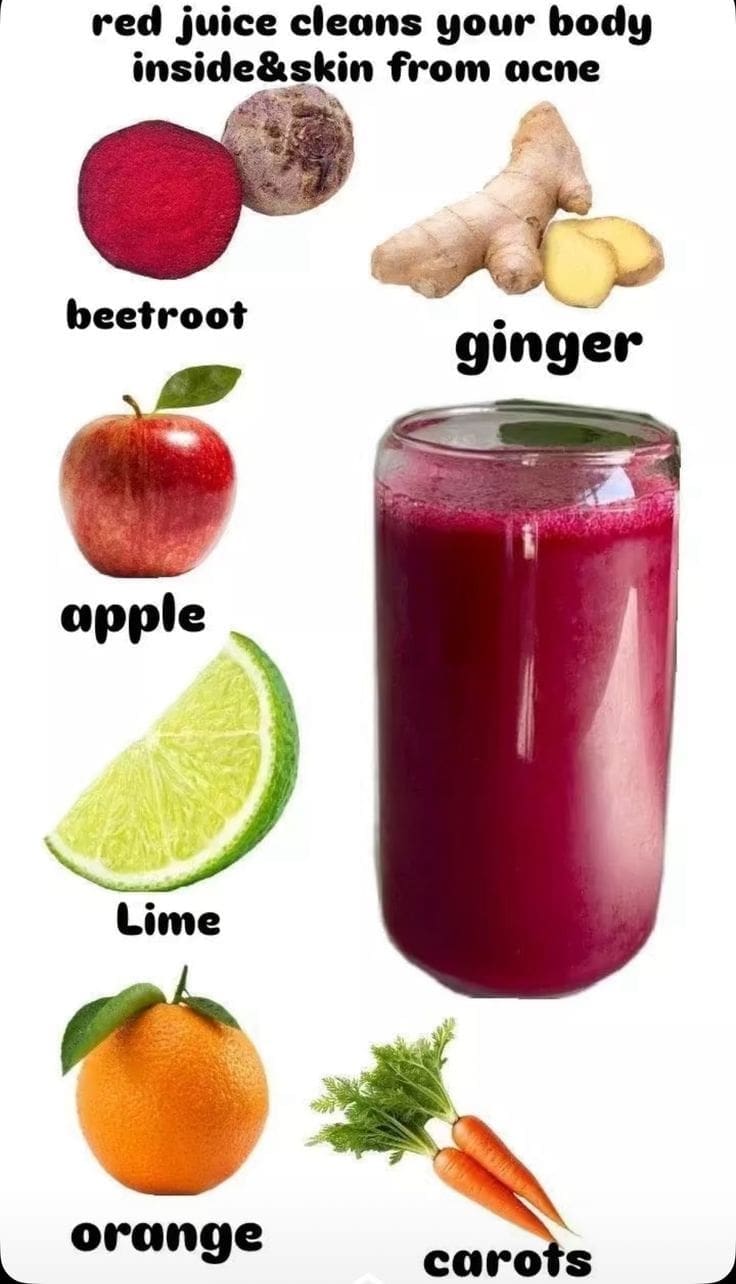 purchase, recurring costs include:
- Produce: The main recurring cost. Prices vary by season, source, and whether produce is organic.
- Cleaning supplies: Brush replacements, mild detergent, vinegar for descaling.
- Electricity and water: Small, but present. A typical juicer uses around 100–400W for a few minutes per session.
- Replacement parts: Filters, screens, or gaskets will need replacement occasionally.
By tracking these, you’ll calculate a realistic cost-per-serving.
Cost-per-serving comparison: homemade vs store-bought
Seeing numbers clarifies decisions. Below are typical ranges and a table comparing per-serving costs.
Typical per-serving costs
- Homemade green juice (kale, cucumber, celery, apple, lemon): $0.80–$2.00 per 12–16 oz depending on produce prices and juicer yield.
- Store-bought cold-pressed juice: $6–$9 per 12–16 oz on average.
- Bottled supermarket juice (pasteurized): $2–$5 per 12–16 oz, often with lower nutrient density or added sugars.
Example cost comparison table
| Juice Type | Typical Price per 12–16 oz | Notes |
|---|---|---|
| Homemade (budget ingredients) | $0.80–$1.50 | Seasonal produce, efficient juicer |
| Homemade (organic ingredients) | $1.50–$3.00 | Organic often costs more |
| Store-bought cold-pressed | $6.00–$9.00 | High-quality, convenience premium |
| Supermarket bottled | $2.00–$5.00 | Pasteurized, longer shelf life |
This table shows how even with mid-range organic produce, you often save by juicing at home.
Calculating your savings and ROI
You’ll want to know when the juicer pays for itself and what your monthly savings might be.
Example ROI calculation
Assume:
- Juicer cost: $300 (masticating)
- Weekly store-bought juices replaced: 3 bottles at $7 each = $21/week
- Homemade cost per juice: $2
- Weekly homemade cost: $6 Weekly savings = $21 – $6 = $15 Payback period = $300 / $15 = 20 weeks (~5 months)
You can adjust values based on your habits. If you replace more or pricier store-bought juices, your payback will be faster.
Annual savings estimate
If you save $15/week:
- Monthly savings ≈ $60
- Annual savings ≈ $780
Even after factoring in higher produce costs or occasional replacement parts, many people find a one-year savings substantial.
How yield affects cost-efficiency
How much juice you get from the same amount of produce matters a lot. Yield depends on produce type and juicer efficiency.
Yield examples and tips
- Apples: High yield (about 1.5–2 cups per pound).
- Oranges: Very high yield.
- Carrots: Good yield.
- Cucumbers/celery: Very high water content → high yield.
- Kale/spinach: Low juice volume alone; better combined with high-water produce. A masticating or twin-gear juicer yields significantly more from greens than a centrifugal model.
You’ll typically get more juice per dollar when using water-rich fruits/vegetables and a high-yield juicer.
Yield table (approximate juice yield per pound)
| Produce | Approx. Juice per 1 lb |
|---|---|
| Oranges | 2–2.5 cups |
| Apples | 1.5–2 cups |
| Cucumbers | 2.5–3 cups |
| Celery | 2–3 cups |
| Carrots | 1.5–2 cups |
| Kale | 0.5–1 cup (combined with water-rich produce) |
| Spinach | 0.5–1 cup (combined) |
Use this table to plan cost-per-glass and shopping lists.
Smart shopping to reduce produce cost
Buying produce strategically lowers your cost-per-serving. You’ll use a mix of buying seasonally, in bulk, using imperfect produce, and hunting for sales.
Buy seasonal and local
Seasonal produce is often cheaper and fresher. When you buy in season, you’ll also get better flavor and possibly higher nutrient content.
Buy in bulk and freeze extras
When certain items are cheap, buy in bulk. You can prep and freeze fruits and vegetables (except those that lose texture, like lettuce) for later juicing. Frozen produce can be cheaper and still nutritious.
Use imperfect produce and discounts
Stores and markets often discount “ugly” produce. For juicing, cosmetic imperfections don’t matter. You’ll save significantly by buying discounted produce.
Shop smart: list and compare
Create a weekly shopping list based on planned juices. Compare prices at farmers’ markets, bulk stores, and supermarkets. You’ll notice large price differences for the same items.
Planning your juicing menu
A plan reduces waste and saves money. You’ll prepare a menu that uses overlapping ingredients and accounts for storage limits.
Weekly menu planning
Plan 3–7 juices per week with a few staple recipes and one experimental juice. Use shared ingredients across recipes (e.g., apples, lemons, ginger) so nothing spoils before use.
Rotating staples
Have 2–3 staple juicing recipes that you make frequently. Staples reduce shopping complexity and let you buy certain items in bulk.
Example staples:
- Green Vitality: Cucumber, celery, green apple, spinach, lemon, ginger
- Carrot-Orange Immunity: Carrots, orange, turmeric, apple
- Beet Boost: Beet, carrot, apple, lemon
Maximizing juice yield and minimizing waste
Small practices increase yield and reduce the cost of wasted produce.
Prep techniques for maximum yield
- Cut produce into recommended sizes for your juicer to reduce strain and improve extraction.
- Alternate between soft and firm produce for better extraction in some centrifugal models.
- Re-process pulp (where feasible) through a second-step juicer or use a masticating juicer with higher efficiency.
Use the pulp
Pulp can be repurposed to avoid waste and add value:
- Add to soups, stews, or vegetable patties.
- Bake into crackers, muffins, or breads.
- Compost for garden use (or share with community gardens).
Using pulp reduces the need to discard valuable fiber and nutrients.
Storage and preservation: how to make juice last longer
Fresh juice is best consumed quickly, but you can preserve it for a few days with proper technique.
Best practices for short-term storage
- Store juice in airtight glass bottles, filling them to the brim to minimize oxygen exposure.
- Refrigerate immediately at 32–38°F (0–3°C).
- Consume within 24–72 hours; citrus and apple-based juices last longer than leafy green blends.
Techniques that extend shelf life
- Cold-press or masticate and use vacuum-sealed bottles when possible to slow oxidation.
- Add a squeeze of lemon or lime (ascorbic acid) to slow oxidation.
- Consider freezing in ice cube trays or small bottles for longer storage — thaw in the fridge overnight before drinking.
Short-term preservation methods reduce waste, letting you batch-produce when you find a good sale.
Nutritional considerations and cost-value balance
Juicing extracts vitamins, minerals, and phytonutrients, but reduces fiber. You’ll need to balance nutrition, cost, and personal health goals.
Nutrient density per dollar
Juicing concentrates vitamins like vitamin C, vitamin A (as beta-carotene), folate, and potassium. When you buy nutrient-dense items like carrots, beets, greens, and citrus, you often get more vitamins per dollar than with processed foods.
Replacing fiber
Since juicing removes much of the fiber, include whole fruits, vegetables, legumes, or smoothies in your diet to ensure you get adequate fiber. You’ll balance juicing with whole-food meals to maintain digestive health.
Allergies and sensitivities
Watch for high sugar load in fruit-heavy juices. If you’re managing blood sugar, favor vegetable-forward recipes and add lemon, lime, or herbs to enhance flavor without extra sugars.
Recipes that maximize savings and nutrition
Below are budget-oriented juice recipes that balance cost, yield, and nutrient content.
Green Budget Booster (high yield, low cost)
Ingredients:
- 1 large cucumber
- 2 celery stalks
- 2 green apples
- 1 handful spinach
- 1/2 lemon
This recipe uses water-rich base ingredients for a high yield and low cost.
Carrot Citrus Immunity (cheap and vitamin-packed)
Ingredients:
- 1.5 lbs carrots
- 2 oranges
- 1 apple (optional)
- 1/2-inch ginger
Carrots are inexpensive and loaded with beta-carotene, making this juice very cost-effective.
Beet & Apple Energy (root vegetable economy)
Ingredients:
- 1 medium beet
- 3 carrots
- 1 apple
- 1/2 lemon
Beets and carrots offer strong flavor and nutrients at low cost, especially when in season.
Bulk-friendly blended juice (for freezing)
Ingredients (per batch):
- 6 apples
- 1 cucumber
- 2 carrots
- 1 small lemon
Batch this recipe, pour into freezer-safe jars, and store for later. Thaw overnight in the fridge.
Juicer maintenance to protect your investment
A well-maintained juicer lasts longer and maintains performance, improving your cost efficiency.
Daily cleaning tips
- Clean immediately after use to prevent residue build-up.
- Disassemble parts, rinse pulp, and use a brush for the filter and mesh.
- Air-dry parts before reassembly.
Long-term maintenance
- Replace filters as recommended by the manufacturer.
- Lubricate gears and check gaskets for wear.
- Keep a log of part replacements to plan for future costs.
Good maintenance reduces unexpected replacement expenses.
Buying used or refurbished equipment
You can reduce upfront costs by buying used or refurbished juicers. This is often a smart choice if you’re cautious about how often you’ll use it.
What to check when buying used
- Cleanliness and odor (a strong smell may indicate wear).
- Motor function and unusual noises.
- All essential parts included and not cracked or warped.
- Availability of replacement parts from the manufacturer.
A refurbished unit from a reputable seller typically includes warranty and inspection, making it a safer choice.
Common mistakes that increase costs
Being aware of pitfalls prevents wasted money and effort.
Mistakes to avoid
- Using a low-yield juicer for mostly leafy greens — you’ll waste money on greens that don’t produce much juice.
- Throwing away pulp without repurposing it.
- Buying too many perishable items without a plan, leading to spoilage.
- Relying on fruit-only juices that spike sugar intake and reduce cost-effectiveness for nutrients.
Avoiding these mistakes keeps your juicing habit budget-friendly and sustainable.
Juicing for households and families
When more than one person drinks juice, per-serving cost drops further because you maximize the juicer’s use and can buy larger quantities.
Family-friendly strategies
- Make larger batches and store them properly.
- Rotate recipes for variety and shared ingredients.
- Use shared pulp in family meals to extend value.
If you have kids, involve them in choosing flavors and using pulp in baking — it’s a way to extend benefits and reduce perceived waste.
Using juicing as part of a broader budget wellness plan
Juicing is one tool among many for affordable health. Pair it with other cost-conscious practices.
Complementary practices
- Meal planning and batch cooking to reduce overall food costs.
- Growing a windowsill herb garden or container vegetables for juicing basics like herbs, spinach, and small tomatoes.
- Using frozen fruits and vegetables when fresh is expensive.
Combine practices to stretch your grocery budget while improving nutrition.
When juicing may not save money
It’s honest to acknowledge scenarios where juicing might not be economical.
Situations where juicing can be costly
- If you use mostly out-of-season, expensive organic produce.
- If you juice infrequently but keep a costly juicer that depreciates unused.
- If you frequently waste juice due to poor storage or planning.
If any of these match your habits, adjust your approach or consider alternatives like smoothies for fiber retention.
Alternatives and complements: smoothies and whole-food approaches
Smoothies retain fiber and can be more filling, often making them a viable alternative for cost-effective nutrition.
When to prefer smoothies
- If you want more satiety from a drink.
- If you want to retain all fiber for digestive and blood sugar management.
- If you have a blender already and don’t want to invest in a juicer.
Blending and juicing each have strengths; using both can add variety and balance to your diet.
Environmental and ethical considerations
You’ll want to factor in environmental impact and food ethics while saving money.
Waste reduction and sustainability
- Use pulp for cooking or compost it.
- Buy local to reduce transportation-related emissions and support local farmers.
- Consider organic for items on the Environmental Working Group’s “Dirty Dozen” list if pesticide exposure is a concern.
Sustainable choices can align with budget-friendly practices if you plan carefully.
Troubleshooting common juicing issues
You’ll likely face a few common problems; these quick fixes will save time and money.
Juice oxidizes too fast
- Use airtight, filled-to-the-top bottles.
- Add acid like lemon to slow oxidation.
- Use a slow masticating juicer for slower oxidation rates.
Low juice yield
- Try a masticating juicer or pre-press pulp through a second pass.
- Combine leafy greens with high-water fruits.
- Cut produce to manufacturer-recommended sizes.
Strong or unpleasant flavors
- Balance bitter greens with apple, pear, or carrot.
- Add citrus or fresh herbs to brighten flavors.
- Use mint or basil for a fresh twist.
Final checklist to start juicing affordably
A simple checklist helps you begin without wasting money.
- Choose the right juicer for your needs and budget (consider used/refurbished).
- Plan weekly menus that reuse ingredients.
- Buy seasonal, local, or discounted produce.
- Repurpose pulp in cooking or compost it.
- Store juice properly and batch when deals arise.
- Maintain your juicer to extend its lifespan.
Conclusion: is juicing worth it for your budget and health?
If you plan, buy smart, and maintain equipment, juicing can be an affordable way to boost nutrient intake and potentially save money compared with buying premium store juices. You’ll get the most savings when you juice regularly, use high-yield ingredients, and reduce waste by repurposing pulp. Balance juicing with whole foods to ensure you get fiber and sustained energy.
If you want, I can:
- Create a 4-week meal and juicing plan tailored to your budget and local produce.
- Compare juicer models available near you and recommend the best one for your needs.
- Build a printable shopping list that minimizes waste and maximizes savings.
Which would you like to do next?