
If you’re new to juicing or just want clearer answers, you’re not alone. These common juicing FAQs cover everything from ingredients and timing to storage and health benefits. By answering the most asked questions, this guide helps you juice with confidence and get the most out of every glass.
Common Juicing FAQs Answered
This guide answers the most frequently asked questions about juicing, helping you understand benefits, risks, equipment, recipes, storage, and best practices. You’ll get clear, practical information so you can make confident choices whether you’re just starting or have been juicing for a while.
What is juicing and how does it differ from blending?
Juicing extracts liquid from fruits and vegetables, separating the juice from the fiber (pulp). Blending keeps the whole fruit or vegetable intact, including fiber, creating smoothies rather than clear juices.
You’ll notice differences in texture, nutrient delivery, and how full you feel. Juices often allow faster absorption of vitamins and minerals, while smoothies offer more satiety due to retained fiber.
What are the main types of juicers and which should you choose?
There are several juicer types, each with pros and cons. Your choice depends on budget, time, preference for yield and nutrient retention, and the types of produce you plan to juice.
| Juicer Type | How it works | Pros | Cons | Best for |
|---|---|---|---|---|
| Centrifugal | High-speed spinning blade separates juice | Fast, affordable, widely available | Noisy, lower yield, more oxidation | Beginners, hard produce |
| Masticating (cold-press) | Slow auger crushes and presses produce | Higher yield, less oxidation, better for leafy greens | Slower, costlier, more parts to clean | Green juices, nutrient preservation |
| Triturating (twin-gear) | Two gears crush and press produce | Highest yield, excellent nutrient retention | Expensive, heavy, detailed cleaning | Serious juicers, wheatgrass, leafy greens |
| Citrus | Presses citrus halves | Very efficient for citrus, simple | Single-purpose | Fresh-squeezed orange, grapefruit juice |
| Hydraulic press | Mechanical pressing after grinding | Maximizes yield and nutrients | Commercial-level cost | Commercial juicing, cold-pressed bottles |
Consider how often you’ll use the juicer, whether you want to juice leafy greens often (masticating or triturating is better), and how much time you want to spend cleaning.
What are the main health benefits of juicing?
Juicing can boost your intake of vitamins, minerals, and phytonutrients quickly. It’s particularly useful for people who struggle to eat enough fruits and vegetables.
You’ll get concentrated nutrients that are easier to absorb when fiber is removed. Juicing may support hydration, provide antioxidants, and make high-vegetable combinations palatable.
Are there risks or downsides to juicing?
Juicing isn’t a magic solution and carries potential downsides if used improperly. You may miss out on fiber, which is essential for digestion and blood sugar regulation, and juices can be high in sugar if you rely on fruits too much.
If you replace meals with juice regularly, you could miss important macronutrients like protein and healthy fats. Also, some people experience blood sugar spikes, digestive changes, or nutrient imbalances.
Can juicing help with weight loss?
Juicing can support weight loss if it helps you reduce overall calorie intake and increase vegetable consumption. However, replacing whole meals with juice without accounting for calories, protein, and fats may be unsustainable.
You’ll get better long-term results by using juices to complement a balanced diet: include whole foods, lean proteins, healthy fats, and exercise rather than relying solely on juice cleanses.
What is a juice cleanse and should you try one?
A juice cleanse is a short-term plan where you consume only juices for a set period, often to “reset” eating habits. Cleanses vary from one day to several days.
If you choose a cleanse, ensure it’s safe for your health status and not too extreme. Short, well-planned cleanses can be fine for many people, but prolonged strict cleanses can cause nutrient deficiencies and may be a poor choice if you have medical conditions or take medications.
How much fruit and how much vegetable should be in each juice?
Aim to make most of your juice vegetables, with fruits used sparingly for sweetness and flavor. Vegetables lower sugar content and add beneficial compounds.
A good rule is 70–80% vegetables and 20–30% fruits in a typical juice. If you have diabetes or are watching sugar, prioritize leafy greens, cucumbers, celery, and herbs.
Are fruit juices high in sugar and bad for blood sugar?
Fruit juices can contain significant naturally occurring sugars and can raise blood glucose levels quickly, especially when fiber is absent. If you have diabetes or insulin resistance, you should be cautious.
You’ll lower the risk of blood sugar spikes by favoring vegetable-based juices, adding a small amount of low-sugar fruit, and pairing juice with a source of protein or fat if it’s replacing a meal.
Can juicing provide enough nutrients compared to whole fruits and vegetables?
Juices deliver many vitamins and minerals, and certain nutrients may be more bioavailable without fiber. However, juices lack fiber and some nutrients that are bound to the fiber matrix.
You’ll get a dense dose of micronutrients from juice, but for complete nutrition, combine juicing with a diet that includes whole fruits, vegetables, grains, proteins, and healthy fats.
How should you store fresh juice and how long does it last?
Fresh juice begins to oxidize and lose nutrients quickly, so store it in airtight containers in the refrigerator and consume it as soon as possible.
| Storage Method | Typical Shelf Life | Notes |
|---|---|---|
| Room temperature | Not recommended | Rapid nutrient loss and bacterial growth |
| Refrigerator (airtight, dark bottle) | 24–72 hours | Best within 24 hours for flavor and nutrients |
| Freezer | Up to 3 months | Thaw in fridge; texture and flavor change |
| Cold-pressed, vacuum-sealed commercial bottles | 3–7 days (refrigerated) | Often pasteurized or HPP-treated for safety and shelf life |
For maximum nutrient retention, drink fresh juice within 24 hours. If you must store longer, freezing is better than refrigeration for preserving nutrients, but flavor and texture will change.
What is HPP (High Pressure Processing) and does it matter?
HPP is a commercial method that uses high pressure to reduce pathogens and extend shelf life without heat. This preserves more nutrients and flavor compared with pasteurization.
You’ll find HPP juices in stores with longer shelf life and safer commercial handling. Home juicing can’t replicate HPP, so prioritize hygiene and rapid refrigeration.
Are homemade juices safe? What about bacteria and contamination?
Homemade juices are safe if you use clean produce, clean equipment, and proper storage. Wash produce thoroughly, sanitize juicer parts, and refrigerate juice promptly.
You’ll reduce contamination risk by removing damaged produce, using pasteurized ingredients when appropriate, and avoiding leaving juice at room temperature for extended periods.
Can you juice every day?
Juicing every day is possible, and many people include a daily glass of vegetable-forward juice in their routine. Balance is key: make sure you’re also eating whole foods and meeting protein, fat, and fiber needs.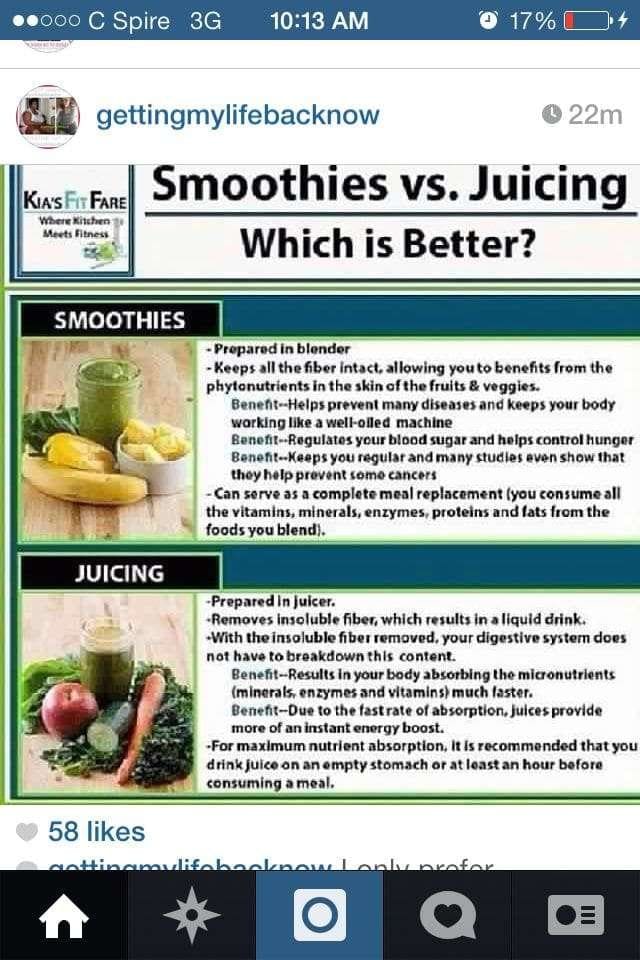
You’ll benefit most from daily juicing when you use it to supplement, not replace, a diverse diet. Monitor your energy, digestion, and any symptoms, and adjust as needed.
What are the best fruits and vegetables to juice?
Certain produce juiced well and taste great together. Leafy greens, cucumbers, celery, carrots, beets, apples, citrus, ginger, and herbs are common staples.
Choose a base of mild vegetables and add fruits for sweetness and flavor. Try combinations that pair leafy greens with apple or pear to balance bitterness.
Are greens like kale and spinach safe to juice?
Greens are nutritious and juicing them concentrates vitamins, minerals, and antioxidants. Some greens contain oxalates (e.g., spinach) which can be an issue for people prone to kidney stones if consumed excessively.
You’ll get strong nutrition from greens; rotate your greens, include low-oxalate choices like kale or collard greens occasionally, and drink a varied mix to reduce potential risks.
What about juicing beets — are there special considerations?
Beets are rich in nitrates that can support blood flow and exercise performance. They have an earthy flavor and high natural sugar, so balance them with greens and citrus.
You’ll also notice beet juice can temporarily change urine or stool color (pink or red) in some people — this is harmless. If you take blood pressure medication, consult your healthcare provider about significant beet consumption.
How do you incorporate protein and healthy fats with a juice-only meal?
Juices are low in protein and fat. If you plan a juice as a meal replacement, pair it with a small portion of protein and healthy fats — for example, a handful of nuts, a protein shake, Greek yogurt, or a hard-boiled egg.
You’ll stay fuller and maintain balanced blood sugar by adding protein and fat. Another option is to make a smoothie instead of a juice if you want one-bottle convenience and more macronutrients.
Can children drink fresh juice?
Children can enjoy small amounts of fresh juice, but whole fruits should be prioritized to ensure fiber intake. Limit juice for toddlers and young children due to sugar content and dental health concerns.
You’ll follow pediatric guidelines: for children under 1 year avoid juice, for ages 1–3 limit to 4 ounces per day, and for 4–6 limit to 4–6 ounces. Always dilute with water if needed and avoid frequent sipping throughout the day.
Can juicing interfere with medications or medical conditions?
Some juices can interact with medications or exacerbate health conditions. The classic example is grapefruit juice, which affects enzymes that metabolize many drugs. High-potassium juices may be risky if you have kidney disease.
You’ll consult your healthcare provider about major changes to diet, especially if you take blood pressure meds, blood thinners, or have chronic disease. Provide specifics about your medication list and planned juice consumption.
How do you clean a juicer properly?
Cleaning a juicer promptly after use reduces bacterial growth and makes the process easier. Disassemble parts, rinse pulp immediately, use a brush for mesh filters, and let parts air dry.
You’ll follow manufacturer instructions for deeper cleaning, including occasional soaking in warm soapy water or vinegar solution to remove stubborn residues.
Can you use frozen fruits and vegetables for juicing?
Frozen produce can be juiced in some juicers, especially high-powered blenders for smoothies. For centrifugal and masticating juicers, thawing may be necessary to avoid mechanical stress.
You’ll find frozen fruits add convenience and reduce waste. If you plan to freeze juice, leave some headspace for expansion and label with dates.
What can you do with leftover pulp?
Pulp has fiber and can be repurposed in many ways: add to soups, bake into crackers or muffins, compost, make veggie burgers, or incorporate into garden mulch.
You’ll reduce food waste and get extra nutrition by using pulp creatively. Many recipes exist for pulp crackers, energy balls, and savory patties.
How can you make juice taste better if it’s too bitter or grassy?
Balance bitterness with mild fruits, citrus, or sweet root vegetables. Adding cucumber, apple, pear, or a touch of carrots can round out strong flavors. Herbs and citrus zest also help.
You’ll experiment with small adjustments: a pinch of sea salt, a squeeze of lemon, or a small piece of ginger can improve flavor complexity without adding much sugar.
Is cold-pressed juice better than other fresh juices?
Cold-pressed juice (masticated and often HPP-treated) tends to retain more nutrients and has less oxidation because of slower, gentler processing. However, fresh juices from a good juicer can still be nutritious if consumed quickly.
You’ll weigh convenience, cost, and taste. Cold-pressed bottled juices offer ease but cost more and may contain preservatives unless HPP-treated; homemade cold-pressed juices require a suitable juicer and timely consumption.
How do you build balanced juicing routines for different goals?
Tailor juices to your goals: for energy and recovery add beets and citrus; for digestive support include ginger, fennel, and cucumber; for anti-inflammatory effects use turmeric, pineapple, and leafy greens.
You’ll rotate ingredients to cover a broad range of nutrients, keep portions reasonable, and combine juices with whole meals that supply protein and fat. Consider weekly plans rather than daily monoculture juices.
Can you grow wheatgrass or other microgreens for juicing?
You can grow wheatgrass, microgreens, and herbs in small spaces for juicing. These plants are nutrient-dense and can be harvested fresh for immediate use.
You’ll need proper light, clean water, and sanitary practices. Wheatgrass requires a triturating or masticating juicer for the best yield.
What are common beginner juicing mistakes and how can you avoid them?
Beginners often juice too much fruit, neglect pulp use, forget to add protein, and fail to clean equipment properly. You may also expect immediate dramatic results and get discouraged.
You’ll avoid these mistakes by starting with vegetable-forward recipes, planning balanced meals, cleaning immediately after juicing, and setting realistic goals. Start small to establish a sustainable habit.
How much does juicing cost compared to buying whole produce or store-bought juices?
Home juicing costs depend on produce prices, juicer investment, and waste management. Initially, juicing might seem more expensive due to equipment, but you can save by buying seasonal produce, using bulk produce, and reducing waste.
You’ll compare per-serving costs: a homemade green juice can cost less than premium cold-pressed bottles, but more than whole fruits if you consider fiber and satiety. Plan ahead to minimize expenses by buying in season and using scraps.
How do you read juice labels and choose store-bought juices wisely?
Look for ingredients list, added sugars, preservatives, pasteurization method, and whether the product is HPP-treated. Short ingredient lists with mostly vegetables and a minimal amount of fruit are preferable.
You’ll avoid juices labeled as “from concentrate” or with added sugars and syrups. Check calorie and sugar content to ensure it aligns with your dietary needs.
Can juicing help with athletic performance and recovery?
Some juices, particularly beetroot juice, have been studied for performance benefits due to nitrate content, which may enhance blood flow and endurance. Fruit and vegetable juices can also quickly replenish vitamins and antioxidants.
You’ll use performance-focused juices strategically: consume beetroot juice a few hours before endurance exercise, and add protein with a meal or supplement for recovery.
Are there environmental or sustainability concerns with juicing?
Juicing can generate pulp waste and use high amounts of single-use produce. You can minimize impact by using pulp for cooking or composting, buying local and seasonal produce, and choosing reusable storage.
You’ll reduce waste by planning recipes that use whole produce, sharing juices with friends, and supporting sustainable farmers to decrease food miles.
How do you create a basic starter recipe plan for a week?
A balanced starter plan includes a variety of vegetables and some fruits for palatability. Use leafy greens, cruciferous vegetables, roots, and citrus throughout the week.
Sample week plan:
- Day 1 morning: Kale, apple, cucumber, lemon, ginger
- Day 2 morning: Spinach, pear, celery, lime
- Midweek: Beet, carrot, apple, lemon
- Alternative: Carrot, orange, turmeric, black pepper
- Add a protein-rich snack after juice if used as a meal
You’ll rotate ingredients to prevent monotony and ensure a broad nutrient mix.
How do you transition from juicing to a long-term healthy diet?
Use juicing as a jumpstart, not a full-time replacement. Gradually reintroduce whole foods that supply fiber, protein, and healthy fats. Build habits like drinking a daily green juice while eating balanced meals.
You’ll focus on sustainable habits: regular vegetable intake, mindful eating, and combining juices with whole foods for lasting health benefits.
Final tips for safe, enjoyable, and effective juicing
- Prioritize vegetables over fruit to control sugar.
- Clean equipment immediately to prevent bacterial growth.
- Drink fresh juice within 24 hours when possible.
- Pair juices with protein and healthy fats if they replace meals.
- Rotate produce to minimize exposure to any specific compounds and broaden nutrient intake.
- Consult your healthcare provider if you have medical conditions or take medications.
You’ll find juicing a flexible tool that can increase your intake of nutrient-dense plants, refresh your routine, and support specific goals when used thoughtfully. If you want, you can request specific recipes, a shopping list, or a beginner juicing plan tailored to your dietary needs.
Disclaimer.
This content is for informational and educational purposes only and is not intended as medical advice. Always consult a qualified healthcare professional before making changes to your diet, especially if you have a medical condition, are pregnant, or are taking medication.
As an Amazon Associate, we earn from qualifying purchases