How To Meal Prep Juice For The Week focuses on preparing fresh, nutritious juices in advance so busy mornings stay simple and consistent. With the right planning, storage, and batching techniques, you can enjoy high-quality juice every day without daily prep.
Why Meal Prep Juice for the Whole Week?
Meal prepping juice saves you time and mental energy during busy mornings, so you can stick to healthy habits without a daily hassle. You’ll also gain better control over ingredients and portion sizes, which helps you meet nutrition goals consistently.
Benefits of Meal Prepping Juice
Prepping juices in advance offers multiple practical and health benefits that make it easier to maintain a juice habit. When you plan ahead, you reduce impulse purchases and minimize the chance that fresh produce will go to waste.
Time Savings
By batching tasks like washing, cutting, and juicing, you compress an entire week’s worth of effort into one or two sessions. That frees up time on weekdays and reduces morning stress.
Cost Efficiency
Buying produce in bulk and using it strategically tends to cost less per serving than single-serve purchases. When you plan recipes and reuse ingredients across juices, you cut grocery waste and save money.
Consistency and Nutrition
Having ready-to-drink juices makes it more likely you’ll consume nutrient-dense beverages regularly. You can design recipes to target specific nutrients like vitamin C, potassium, or iron.
Reduce Food Waste
Meal prepping encourages you to use every part of your produce that’s appropriate for juicing, and to freeze surplus juice rather than throw away imperfect fruit. This practice stretches resources and reduces trash.
Understanding Juice Types and Their Uses
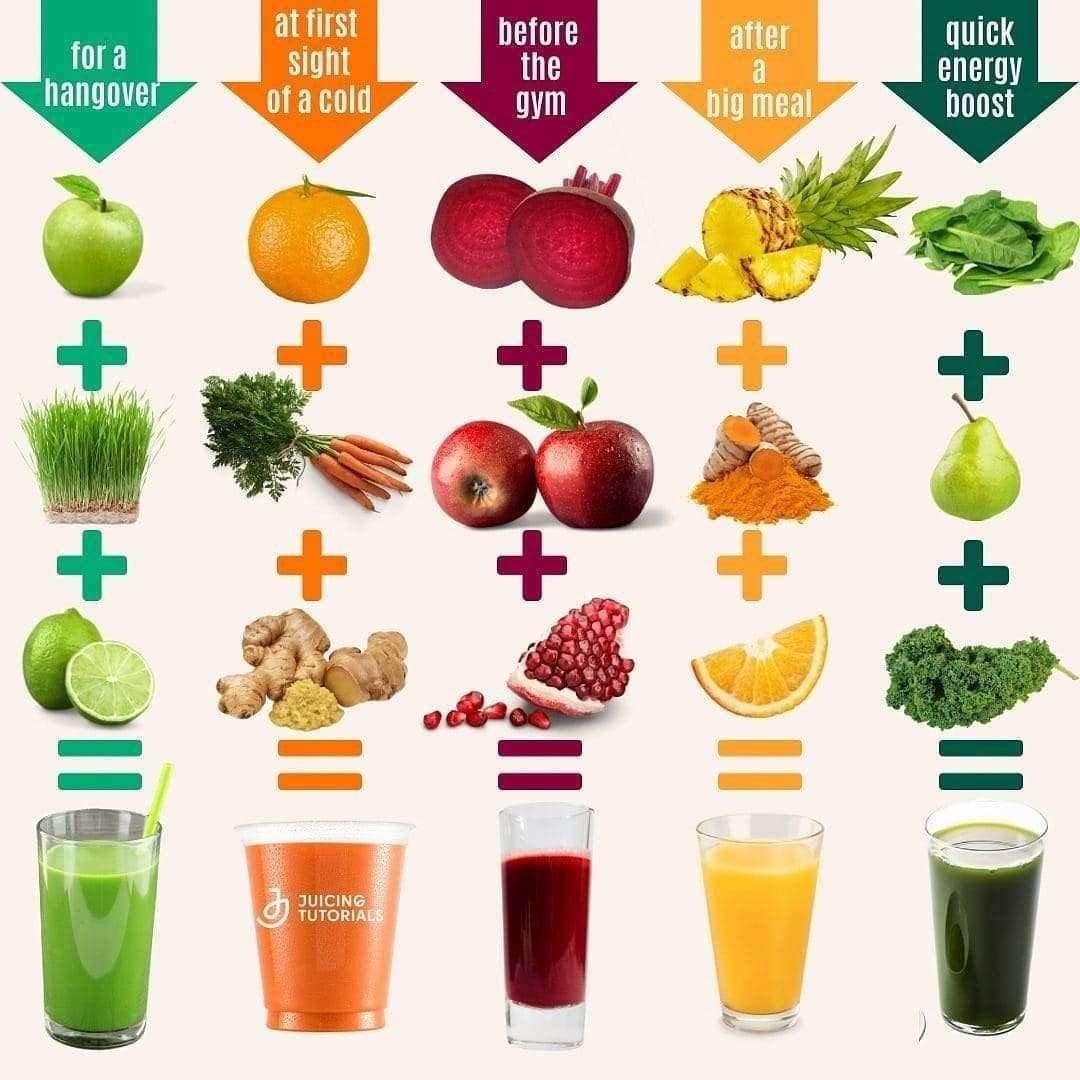
Not all juices are created equal, and knowing the differences helps you pick the right approach for a week-long prep. Consider which textures, flavors, and nutritional goals you want to prioritize when planning your menu.
Cleanses vs. Everyday Juices
A cleanse usually involves water-only or juice-only consumption for a short period and is structured around strict rules. Everyday juices are intended to complement meals and maintain balanced nutrition, so they’re easier to sustain for a long term.
Green Juices
Green juices emphasize leafy greens and low-sugar vegetables for a mineral- and chlorophyll-rich drink. They’re great for increasing vegetable intake without added fiber.
Fruit-Forward Juices
Fruit-forward juices taste sweeter and can be more calorie-dense due to natural sugars. These are satisfying and portable but should be consumed with an awareness of portion and sugar content.
Root and Vegetable Juices
Carrot, beet, and other root juices are rich in vitamins and antioxidants but often have earthy flavors you might want to balance with citrus or apple. They also provide natural nitrates and beta-carotene depending on the ingredient.
Smoothies vs. Juices
Smoothies blend whole fruits and vegetables, preserving fiber and making them more filling. Juices extract liquid and nutrients while leaving fiber behind, so they’re easier to digest but less satiating on their own.
Equipment You’ll Need
Having the right tools improves efficiency and keeps your juices tasting fresh. Choose equipment that fits how much you plan to make and how long you want the juice to last.
| Essential Equipment | Purpose |
|---|---|
| High-quality juicer (centrifugal or masticating) | Extracts juice efficiently; masticating juicers usually preserve more nutrients and last longer |
| Sharp knife and cutting board | For trimming and cutting produce into juicer-friendly sizes |
| Large bowls and colanders | For washing and draining produce |
| Measuring cups or kitchen scale | For consistent portioning and replicating recipes |
| Clean glass bottles or jars with tight lids | For storing prepared juice and minimizing oxidation |
| Funnel and mesh strainer (optional) | Helps transfer juice and remove pulp if desired |
| Optional Equipment | Purpose |
|---|---|
| High-speed blender | If you plan to make smoothies or blend and then strain to make juice |
| Vacuum sealer and pump | For oxygen-free storage to extend shelf life |
| Citrus juicer | Handy for quickly processing lemons and limes |
| Freezer-safe containers or ice cube trays | For freezing single-serve portions |
Each piece of equipment plays a role in speed, convenience, and preservation of quality, so pick what suits your routine and budget.
Choosing the Right Produce
The quality and variety of produce you choose determines flavor, nutrient density, and how long your juices will keep. Aim for fresh, firm produce and balance high-sugar and low-sugar items across the week.
Buying Seasonally and Locally
Seasonal produce tends to be fresher, more flavorful, and usually less expensive than out-of-season items. Buying locally reduces transit time so fruits and vegetables arrive at their peak, which helps your juices stay fresher longer.
Organic vs. Conventional
Organic produce reduces exposure to synthetic pesticides, which can matter when you’re juicing ingredients with edible peels. For budget reasons, you can follow a priority list (such as the Environmental Working Group’s recommendations) to decide which items to buy organic.
How Much to Buy (Shopping List Calculator)
Estimate quantities by deciding how many ounces or milliliters you want per serving and how many servings per week you’ll make. As a general rule, plan for 12–16 ounces (350–475 mL) per serving for juice if it’s a snack or addition to a meal, and 16–24 ounces (475–700 mL) if it’s replacing a meal.
| Item | Typical Yield per Item | Servings per Item (12–16 oz) |
|---|---|---|
| Apple (medium) | ~6–8 oz juice | 1/2–2/3 serving |
| Carrot (medium) | ~2–3 oz juice | 0.2–0.3 serving |
| Beet (medium) | ~3–4 oz juice | 0.25–0.33 serving |
| Cucumber (medium) | ~5–6 oz juice | 0.4–0.5 serving |
| Orange (medium) | ~4–5 oz juice | 0.3–0.4 serving |
Use this as a starting point and adjust based on your juicer’s efficiency and your preferred serving size.
Preparing Your Kitchen
Setting up a clean, organized workspace makes the entire meal-prep session faster and more pleasant. You’ll want one area for washing produce, another for cutting, and a final station for juicing and bottling.
Cleaning and Sanitizing Tools
Wash everything that touches produce with hot, soapy water and sanitize surfaces to reduce bacterial growth. Rinse and dry bottles thoroughly before filling to minimize residual moisture that speeds spoilage.
Prep Stations and Workflow
Arrange your stations so you can move quickly from washing to cutting to juicing without backtracking. Lay out bins for peelings and compost to keep your work area tidy and reduce cross-contamination.
Step-by-Step: How to Meal Prep Juices for the Week
A systematic process prevents waste, speeds production, and ensures consistent flavor across batches. Follow a sequence of planning, prepping, juicing, and storing to get the best results. Following a structured process shows exactly how to meal prep juice for the week without wasting time or ingredients.
Step 1: Plan Your Menu and Schedule
Decide the number of servings you need and which juices you’ll drink each day to avoid monotony. Consider alternating flavors and nutrient profiles so you get a variety of vitamins and minerals throughout the week.
Step 2: Prep and Wash Produce
Wash all produce under cold running water; use a brush for firmer vegetables like carrots and beets. Pat items dry or use a salad spinner for leafy greens to remove excess water that can dilute juice.
Step 3: Cut and Portion for Juicing
Cut larger items into pieces that match your juicer’s feed chute; this prevents jams and keeps the process steady. Portion ingredients into bowls or bags labeled for each juice to speed up the juicing step.
Step 4: Juice Efficiently
Work in batches based on ingredient type: juice leafy greens with firmer vegetables to achieve better yield, and alternate soft fruits with firm produce to push pulp through the machine. If using a masticating juicer, feed at a steady pace to maximize extraction.
Step 5: Bottle and Seal
Use glass bottles with tight-fitting lids and fill them to the top to minimize air space, which reduces oxidation. Label each bottle with the juice name and the date made so you can track freshness.
Step 6: Store Correctly (Fridge vs Freezer)
Store fresh juices in the coldest part of the fridge (back shelf) at or below 40°F (4°C) and consume within the recommended timeframe. If you need to keep juice longer than 3 days, freeze in suitable containers and thaw as needed.
| Storage Method | Typical Shelf Life | Notes |
|---|---|---|
| Fridge (unpasteurized) | 24–72 hours | Best consumed within 24–48 hours for peak flavor; some cold-pressed can last up to 72 hours |
| Fridge (add lemon/vitamin C) | 48–96 hours | Acid can slow oxidation, slightly extending life |
| Freezer | 2–6 months | Freeze in leaving headspace; thaw partially before drinking |
| Vacuum-sealed + cold storage | 5–7 days | Removes oxygen and prolongs freshness if done properly |
Best Bottles for Storing Juice
Choosing the right vessel helps preserve flavor and nutrient content while being convenient for daily use. Look for airtight, non-reactive containers in sizes that match your serving needs.
| Bottle Type | Pros | Cons |
|---|---|---|
| Glass bottles (wide-mouth) | Non-reactive, reusable, easy to clean | Breakable and heavier |
| Glass swing-top bottles | Airtight, stylish, reusable | More expensive and heavier |
| BPA-free plastic bottles | Lightweight and portable | Can retain odors and slightly permeable to oxygen |
| Stainless steel (double-walled) | Durable, insulated | May react with acidic juices if not lined; not transparent |
Glass bottles are the most popular choice because they won’t leach chemicals and are easy to sanitize. Choose sizes like 12 oz, 16 oz, and 24 oz depending on how you consume juice.
Extending Freshness: Cold-Pressed, Heat, and Additives
How you handle oxygen exposure and temperature has a big influence on how long your juice stays fresh. You can use natural techniques and minimal processing to extend shelf life without sacrificing nutrition.
Using Lemon or Lime Juice
Adding a small amount of lemon or lime juice introduces citric acid and vitamin C, which both slow oxidation. Use this sparingly to avoid significantly changing the flavor profile.
Vitamin C as Natural Preservative
Ascorbic acid powder can be dissolved into juice to preserve color and slow degradation. This method is common in commercial cold-pressed juices and can be used in small amounts at home.
Pasteurization and Quick Heat Methods
Tempering juice with brief, controlled heat (e.g., 140°F/60°C for a short time) can reduce microbial growth without fully pasteurizing and changing flavor dramatically. However, heat may reduce some heat-sensitive nutrients, so balance shelf-life needs with nutrient goals.
Freezing Juices: Tips and Thawing
Freezing is a reliable way to preserve juice for longer periods while retaining many nutrients and flavors. With correct technique, you can freeze portions for busy days and thaw them without losing too much quality.
- Freeze in small portions or ice-cube trays for single servings and ease of use.
- Leave headspace in containers because liquid expands when frozen; otherwise bottles can crack.
- Thaw in the refrigerator overnight or under cold running water to maintain texture and safety.
Thawing Times and Best Practices
Thawing in the fridge is slowest but safest for preserving flavor; do so overnight for most serving sizes. Once thawed, consume within 24 hours and do not refreeze.
| Container Size | Thawing Time (Fridge) | Thawing Time (Cold Water) |
|---|---|---|
| 4 oz (small cube) | 4–8 hours | 30–60 minutes |
| 12–16 oz | 12–18 hours | 1–2 hours |
| 24 oz | 18–24 hours | 2–3 hours |
Sample Weekly Meal Prep Plan
A practical weekly plan helps you rotate flavors, manage sugar intake, and ensure steady nutrient variety. Below is a sample 7-day plan with balanced recipes that you can batch-produce and store.
| Day | Juice | Main Ingredients | Serving Size |
|---|---|---|---|
| Monday | Green Detox | Kale, cucumber, green apple, lemon | 16 oz |
| Tuesday | Carrot Apple Ginger | Carrot, apple, ginger, lemon | 16 oz |
| Wednesday | Beet Citrus | Beet, orange, carrot, ginger | 16 oz |
| Thursday | Tropical Boost | Pineapple, mango, cucumber, lime | 16 oz |
| Friday | Berry Antioxidant | Strawberry, blueberry, apple, lemon | 16 oz |
| Saturday | Cucumber Mint | Cucumber, celery, green apple, mint | 16 oz |
| Sunday | Immunity Shot | Orange, lemon, turmeric, ginger | 4 oz shot |
Each recipe yields roughly 16 ounces per batch if you adjust quantities accordingly. Make larger quantities of the milder juices like green and cucumber for more servings, and smaller amounts of potent flavors like beet or turmeric.
Recipes and Prep Notes
For each recipe, wash and prepare ingredients, then juice in an order that maximizes yield (leafy greens paired with dense vegetables). Bottle immediately and label with the date.
- Green Detox: 2 cups kale, 1 large cucumber, 1 green apple, juice of 1 lemon. Yield ~16 oz. Prep time 10–15 minutes.
- Carrot Apple Ginger: 6 medium carrots, 1 apple, 1 inch ginger, juice of 1/2 lemon. Yield ~16 oz. Prep time 15–20 minutes.
- Beet Citrus: 1 medium beet, 2 oranges, 2 carrots, 1 inch ginger. Yield ~16 oz. Prep time 15–20 minutes.
- Tropical Boost: 1 cup pineapple chunks, 1/2 mango, 1/2 cucumber, juice of 1 lime. Yield ~16 oz. Prep time 10–15 minutes.
- Berry Antioxidant: 1 cup mixed berries, 1 apple, juice of 1/2 lemon. Yield ~16 oz. Prep time 10–15 minutes.
- Cucumber Mint: 2 cucumbers, 2 stalks celery, 1 green apple, handful mint. Yield ~16 oz. Prep time 10–15 minutes.
- Immunity Shot: 2 oranges, 1 lemon, 1 inch turmeric, 1 inch ginger. Yield ~4 oz. Prep time 5–10 minutes.
Batch similar recipes together to streamline juicing and reduce cleanup time.
Nutritional Considerations and Balancing Meals
Juices provide concentrated vitamins and minerals but are low in fiber, so you’ll want to pair them with whole foods or plan meals to keep you satisfied. Incorporate protein, healthy fats, and fiber during meals to balance blood sugar and fullness.
Fiber Loss and Pairing with Meals
Since juicing removes most fiber, consider pairing a juice with a handful of nuts, yogurt, or an egg to create a more balanced snack or meal replacement. You can also reserve pulp and add some back to your smoothies or use it in muffins and savory dishes.
Calorie and Sugar Awareness
Fruits contribute natural sugars, which can add up quickly in juice form. Monitor your daily sugar intake by opting for vegetable-forward juices and using fruit primarily as a flavoring agent rather than the main base.
Supplements and Protein Add-ins
If you want to make a juice more filling after juicing (transforming it into a smoothie-like meal), blend in collagen peptides, protein powder, or a spoonful of nut butter separately. Do not generally add powders before juicing, as they can clog equipment.
Food Safety and Shelf Life
Proper handling and storage are essential to prevent spoilage and bacterial growth. Always follow storage temperature guidelines and discard any juice that looks, smells, or tastes off.
Signs Juice Has Gone Bad
If a juice smells sour, has excessive foam, changes color dramatically, or tastes fermented, discard it immediately. Cloudiness and slight separation are normal, but strong off-odors are not.
Safe Storage Temperatures
Store juices in the refrigerator at or below 40°F (4°C). If you’re transporting juice, use an insulated bag with an ice pack to keep it cold and safe for consumption.
Troubleshooting Common Problems
Even with careful prep, problems can arise; knowing common solutions saves time and prevents waste. From separation to shorter-than-expected shelf life, many issues have simple fixes.
- Separation: Natural — shake before drinking. To reduce, store filled to the brim and refrigerate immediately.
- Foam: Caused by high-speed juicers or aeration from certain fruits; skim foam or refrigerate to reduce.
- Bitter or Off-Flavors: Use a splash of citrus or a sweeter fruit to balance bitterness. Remove any bruised produce before juicing.
- Short Shelf Life: Ensure bottles are sanitized, filled tightly, and refrigerated immediately; consider adding lemon or using vacuum sealing.
Cost and Time Estimate
Understanding the time and cost involved helps you decide whether weekly juice meal prep fits your routine. Below is a rough estimate for one week based on moderate consumption.
| Expense/Time | Typical Weekly Amount |
|---|---|
| Produce cost | $25–$50 (depending on organic, local, and fruit choices) |
| Bottles and storage supplies | $10–$40 (initial purchase amortized over time) |
| Active prep time | 1–2 hours (including washing, cutting, juicing, and cleaning) |
| Cleanup time | 30–45 minutes |
The first week often costs more because of equipment or bottle purchases, but subsequent weeks are mainly produce and time.
Eco-Friendly Tips: Reduce Packaging and Waste
You can make juicing more sustainable by choosing reusable bottles, composting pulp, and buying loose produce. Consider giving surplus pulp to neighbors, using it in recipes, or turning it into compost to close the loop.
Frequently Asked Questions
Below are answers to common concerns people have when prepping juice for a week.
How long can I keep cold-pressed juice in the fridge?
Cold-pressed juice typically keeps best for 24–72 hours in the fridge. The exact time depends on ingredients, how well bottles are sealed, and how cold your refrigerator is.
Can you freeze juice without changing flavor?
Freezing preserves many flavors and nutrients well, though texture can shift and subtle flavor changes may occur. Thaw slowly in the fridge and consume within a day for best results.
Is it okay to include leafy greens with fruit in every juice?
Yes, mixing leafy greens with fruit gives you a balance of vitamins without making the juice too bitter. Rotate greens to avoid monotony and ensure a broader nutrient profile.
Will juicing remove all fiber and benefits?
Juicing removes most insoluble fiber but retains vitamins, minerals, and phytonutrients. To get both fiber and nutrients, pair juices with whole foods or alternate with smoothies.
Are there any safety concerns with juicing at home?
The main concerns are bacterial contamination and oxidation. Clean all equipment thoroughly, refrigerate immediately, and use clean bottles to minimize risks.
How can I reduce the sugar content in my juices?
Focus on vegetables and low-sugar fruits, use citrus for brightness, and limit high-sugar fruits like mango, grape, and pineapple. Add cucumber, celery, and leafy greens to lower overall sugar per serving.
Final Tips for Success
Set aside a consistent prep time each week and make it part of your routine so it becomes second nature. Start small with a few favorite recipes, then expand your rotation once you’re comfortable with quantities and storage.
Conclusion
By planning, organizing your workflow, and choosing the right equipment and storage methods, you can have fresh, nutritious juice ready for your entire week. With a little practice, you’ll save time, reduce waste, and enjoy a variety of flavors that support your health goals.
Disclaimer
This content is for informational and educational purposes only and is not intended as medical advice. Always consult a qualified healthcare professional before making changes to your diet, especially if you have a medical condition, are pregnant, or are taking medication
As an Amazon Associate, we earn from qualifying purchases