
How to prep fruits and veggies for juicing doesn’t have to be time-consuming. With the right approach, you can wash, cut, and store your produce efficiently while keeping all the nutrients intact. These simple prep tips will help you save time, reduce waste, and enjoy smoother, fresher juices every day.
Why prepping quickly matters for juicing
Prepping fruits and vegetables efficiently saves you time and reduces waste, so you can drink more fresh juice without turning it into a chore. You’ll also get better texture, flavor, and nutrient extraction when you do a little smart prep before juicing.
How prep affects taste and nutrients
Proper prep helps you control bitterness, fiber content, and bitterness from seeds or pith, and can help preserve vitamins that start degrading after cutting. When you prep with speed and care, you avoid unnecessary oxidization and loss of freshness.
Basic tools and equipment to speed prep
Using the right tools is where much of your time savings comes from — the correct knife, peeler, and storage containers make a big difference. You don’t need a long list; a few quality basics will shave minutes off your routine every day.
Essential knives and cutting tools
A sharp chef’s knife, a paring knife, and a serrated knife are your core trio for most fruits and vegetables. A sharp knife is safer and faster; maintain it with regular honing and occasional sharpening.
Peelers, corers, and small gadgets
A Y-peeler, apple corer, and melon baller can speed things up especially for frequent tasks like peeling citrus, coring apples, or removing seeds. Consider a mandoline with a safety guard if you do a lot of slicing, but use it cautiously and slowly.
Juicer-specific accessories
If your juicer has a feed chute, pusher, or special screens, keep those clean and ready. Some models have dedicated attachments for leafy greens or citrus — use them to shorten prep time.
How to wash produce fast and effectively
Rinsing under cold water removes most dirt and reduces bacteria on the skin, which is usually enough for home juicing. For a deeper clean, use a gentle scrub brush on firmer produce and consider a short soak for waxy items.
Quick wash steps you can do in a sink
Fill the sink or a large bowl with cold water, add produce, and swirl for 20–30 seconds; for firmer items, rub under running water. Use a brush for potatoes, carrots, and melons; let delicate berries sit in a colander and rinse gently.
Safe washing solutions and myths
Plain water does a lot; vinegar or baking soda can help remove wax and pesticides but aren’t always necessary and can leave residues or flavors if not rinsed well. If you use a homemade wash, rinse thoroughly and avoid soaking porous fruits for long periods to prevent flavor alteration.
How to peel and trim quickly
Peeling and trimming selectively rather than universally will save you time and preserve nutrients found in skins. Some skins contain valuable fiber and micronutrients; consider leaving on edible skins when they won’t harm flavor or texture.
When to peel and when to keep the skin
Peel citrus, pineapple, and ginger, but leave apple, pear, cucumber, and beet skins on if they are clean and not waxed. For waxed produce, use a scrub brush or a light peel if the wax bothers you.
Quick peeling techniques
Use a Y-peeler for straight, fast strokes and a serrated peeler for soft fruits like kiwifruit. For citrus, a vegetable peeler lets you remove just the peel if you prefer less pith, which reduces bitterness.
Cutting and sizing for speed and efficiency
Size your pieces to match your juicer’s feed chute: larger chutes need less cutting, while small-chute juicers require more chopping. Aim for uniform pieces to maintain consistent extraction and prevent jams.
How to cut common fruits quickly
For apples and pears, cut into quarters and remove the core with a quick diagonal cut or an apple corer. For melons, cut in half, scoop seeds, slice into wedges, and remove rind with a chef’s knife in steady strokes.
How to cut vegetables quickly
For carrots and beets, trim the ends and cut into 1–2 inch pieces; with larger roots, halve or quarter lengthwise before chopping. For cucumbers, a quick slice into 2–3 inch chunks works; if your juicer’s chute is wide, you may only need to halve them.
Prepping different categories of produce
Different produce types need different approaches. Below are clear, practical steps for each category so you know exactly what to do when you open the fridge.
Soft fruits (berries, peaches, mangoes)
Soft fruits bruise easily, so handle them gently and don’t overwash. Remove stones and large stems, halve or pit as needed, and leave smaller berries whole; freezing is an option to extend shelf life.
Hard fruits (apples, pears)
Firm fruits give a lot of juice and are generally forgiving; core them if you prefer less pectin and then slice to match your juicer. Apples produce browning quickly — juice them soon after cutting or toss with a little lemon juice if storing.
Citrus (oranges, grapefruits, lemons, limes)
Peel citrus if you want less bitterness from the pith; if you like a brighter, more aromatic juice, you can remove just the outer zest and include some pith. For many juicers, segmenting or halving is enough — avoid running too much of the white pith through the machine if you dislike bitter notes.
Leafy greens and herbs (spinach, kale, parsley)
Roll leafy greens into tight bundles to feed them into the juicer rather than shoving loose leaves, which can jam small chutes. Trim long stems if they’re thick and tough; tender stems can be included for more nutrients.
Roots and cruciferous vegetables (carrots, beets, broccoli)
Trim dirt and ends, and cut into pieces small enough for your juicer. For tougher roots, cut thin slices or smaller chunks so the machine doesn’t stall; cruciferous vegetables like broccoli are best in moderation due to strong flavor.
Melons and watermelon
Remove seeds if they’re large and cut away the rind; the flesh is soft and juicer-friendly, so you can add large chunks. Use a melon baller or large scoop to speed up seed removal if necessary.
Tropical produce (pineapple, papaya, kiwi)
Remove tough rinds and large cores; for pineapple, slice off the top and bottom, remove the skin with a sharp knife, then core and slice. Kiwi is edible whole if unblemished, but halving or peeling speeds juice production and prevents fuzzy texture.
Table: Quick prep guide by produce
| Produce | Peel? | Remove seeds/pits? | Chop size for juice | Notes |
|---|---|---|---|---|
| Apple/Pear | Optional | Core recommended | Quarters | Can leave skin for fiber |
| Orange/Grapefruit | Optional (peeled if less bitter) | No | Halves/segments | Avoid thick pith for less bitterness |
| Pineapple | Yes | Core | Chunks | Remove tough core for smoother juice |
| Mango | Yes (or slice off cheeks) | Pit | Large chunks | Cutting around pit is fastest |
| Carrot | Optional (scrub) | No | 1–2 in pieces | Trim ends; freeze for later use |
| Beet | Optional (scrub) | No | 1–2 in pieces | Rub off root hairs; remove greens |
| Spinach | No | No | Bundled handfuls | Remove tough stems if present |
| Kale | Optional (remove stems) | No | Strips | Massage lightly if storing |
| Cucumber | Optional | No | Chunks | Peel if waxed |
| Watermelon | No | Seeds optional | Large wedges | Remove rind and seeds for cleaner juice |
Juicer types and how prep changes
Different juicers handle produce differently; tailoring your prep to the type of juicer speeds processing and improves yield. Knowing the strengths of your machine prevents overwork and saves time.
Centrifugal juicers (fast spin)
Centrifugal juicers work quickly but need smaller, more uniform pieces and are less efficient with leafy greens. Chop produce into thin strips or small chunks, and alternate hard items with softer ones to push material through.
Masticating (slow) juicers
Masticating juicers handle whole or larger pieces better and are gentler on produce, preserving nutrients and enzymes. You can feed in larger chunks and bundle leafy greens tightly to get better extraction with fewer jams.
Twin-gear (triturating) juicers
Twin-gear juicers produce excellent yields and handle a variety of textures but require consistent, smallish pieces for even crushing. Cut denser roots smaller and feed slowly; you’ll get a drier pulp and higher juice yield.
Blender + strainer method
If you use a blender and then strain through a nut milk bag or fine mesh, you can use larger pieces and retain more fiber. Chop into chunks that fit your blender jar and blend with a small amount of water to help extraction.
Batch prepping strategies
Batch prepping on a day off will save you time all week. You can do most of the washing, trimming, and chunking in one session and refrigerate or freeze prepped produce.
Weekend prep plan
Pick a block of time to wash, peel, core, and chop produce into labeled containers for the week. Use airtight containers or resealable bags, and add a little lemon juice to apples or pears to prevent browning if you plan to store them.
Freezing prepped produce
Freeze bananas, berries, and chunks of mango or pineapple in a single layer on a tray first, then transfer to freezer bags so they don’t clump. For juicing, frozen pieces can be juiced in many machines or briefly thawed for smoother feeding.
Vacuum sealing and marination
Vacuum sealing prepped produce extends freshness and reduces oxidation — ideal for leafy greens and cut fruits. If you plan to add flavor, you can lightly marinate fruit pieces in citrus or ginger and seal them for a short period.
Storage recommendations and shelf life
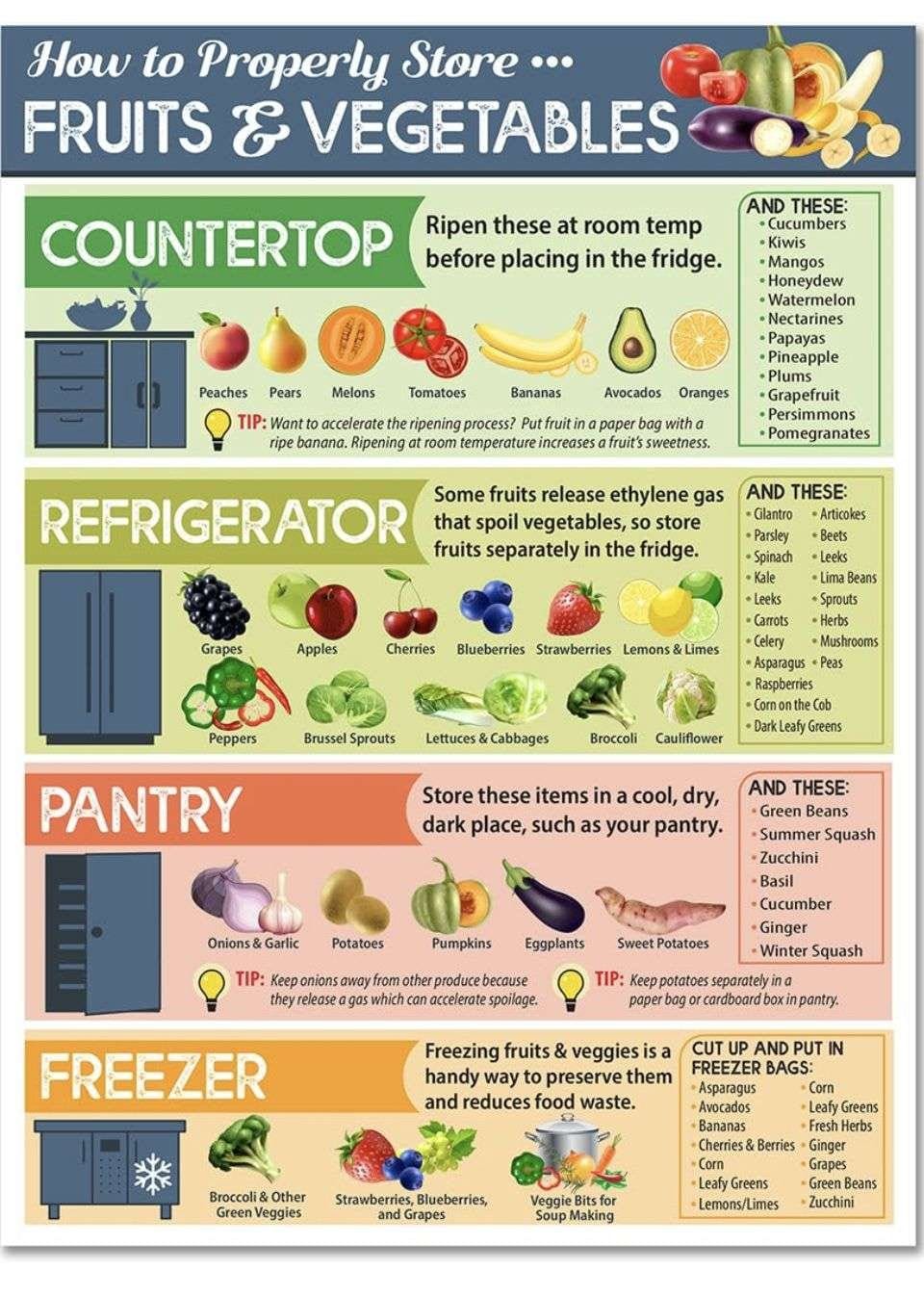
Knowing how long your prepped produce lasts prevents waste and keeps juice tasting fresh. Proper containers, temperatures, and minimal air exposure are key.
Refrigerator storage durations
Most prepped fruits and vegetables last 2–5 days in the fridge when stored properly, with root vegetables and whole apples tending to last longer. Leafy greens and herbs are more perishable and should be used within 2–3 days for best flavor.
Freezer storage durations
Frozen fruit chunks and root vegetables can last 3–6 months in the freezer. For best results, label with dates, and use airtight bags or containers to avoid freezer burn and flavor transfer.
Table: Storage quick reference
| Item | Fridge (prepped) | Freezer (prepped) |
|---|---|---|
| Leafy greens | 2–3 days | 3 months |
| Apples/pears (cut) | 3–5 days | 6 months |
| Carrots/beets (cut) | 4–7 days | 6 months |
| Berries | 2–3 days | 4–6 months |
| Pineapple/mango chunks | 3–4 days | 6 months |
Speed-focused workflows for mornings
A concise morning routine will get you a glass of fresh juice with minimal stress. With a few prep habits, you can go from fridge to glass in 5–10 minutes.
5–10 minute morning routine
Keep a small container of prepped produce in the fridge. Start the juicer, feed in the chunks or bundles, alternate hard and soft items, and strain if needed; while the juicer runs, clean one or two things to reduce post-juice cleanup.
Two-step prep for even faster mornings
If you can, prep everything the night before and lay out juicer parts so they’re dry and ready. Put small bowls for scraps nearby and have your drinking glass and storage lids at hand to streamline the process.
Time-saving hacks and shortcuts
Small techniques add up to big time savings over weeks of juicing. Use shortcuts without sacrificing quality by implementing a few habitual changes.
Fast tricks to reduce cutting
Buy produce with larger stems removed (pre-washed bags for spinach) and choose items that don’t require peeling often. Learn a few fast knife techniques (like a quick roll cut or batonnet) to speed slicing.
Use multipurpose prep
While washing apples, wash pears and citrus too so you finish a whole batch at once. Chop multiple items at one time on the same board and clean as you go to speed the entire workflow.
Keep a “juice station”
Designate a drawer or box with your most-used tools — peeler, paring knife, brush, bowls, and containers — so you don’t waste time looking for them. A tidy station makes the rhythm of juicing easier and faster.
Cleaning and maintenance for speed
A clean machine performs faster and gives better juice output. Keep juicer parts clean, and do a quick rinse immediately after juicing to cut down on lengthy scrubbing later.
Quick clean routine after juicing
Immediately disassemble and rinse the juicer components under warm water to prevent pulp from drying and sticking. Use a soft brush for mesh screens and let everything air dry before reassembly.
Deep cleaning schedule
Do a thorough clean with mild detergent at least once a week if you juice daily, including cleaning hard-to-reach parts and gasket areas. Inspect for wear and replace parts like screens or gaskets when efficiency declines.
Safety tips and sanitation
Food safety matters for fresh juice because nature doesn’t come with a safety guarantee. You’ll protect yourself with good hygiene and careful handling.
Knife and tool safety
Keep knives sharp and always cut on a stable board; curl your fingers inward when holding produce to protect fingertips. Use a vegetable guard on mandolines or consider a safer slicing tool if you aren’t confident.
Prevent cross-contamination
Store prepped produce separately from raw meat or strong-smelling foods. If you have cuts on your hands, use gloves while prepping to reduce infection risk and avoid contaminating produce.
Troubleshooting common juicing problems
Problems like bitter juice, clogging, or low yield are usually prep-related and easy to fix. Troubleshoot systematically by checking the produce, cut size, and juicer settings.
What to do when your juice tastes bitter
Check for pith or overripe produce, and reduce the amount of citrus pith or strong greens. Balancing with sweet fruits like apple or pineapple often mellows bitterness quickly.
How to handle jams and low yield
If your juicer stalls, stop and remove larger chunks to prevent motor strain. Alternate soft and hard produce, and consider smaller cuts for tough roots to increase yield.
Nutritional considerations during prep
How you prep influences fiber, enzyme retention, and nutrient availability — but most changes are minor relative to the benefits of drinking fresh juice. Keep nutrients high by minimizing exposure to air and heat.
Preserve vitamins and antioxidants
Cut produce as close to juicing time as possible to limit oxidation; storing vacuum-sealed or in airtight containers will slow down nutrient loss. Use cold juicing methods or masticating juicers to reduce heat exposure and preserve enzymes.
How much pulp to include
Including some pulp gives you fiber and fuller satiety but reduces smoothness. Adjust pulp retention according to your nutritional goals and taste preferences — many machines and strainers allow you to control this.
Sample prep schedules and juice recipes
Having templates makes the process predictable and fast. Use these examples to plan a week and adapt them to what you like and what’s in season.
Sample weekend batch schedule
- 60 minutes: Wash and dry all produce.
- 30 minutes: Peel, core, and chop into labeled containers.
- 15 minutes: Vacuum seal or store in airtight containers, label with dates.
Quick recipe ideas and prep notes
- Green Energizer: Apple (quartered), cucumber (chunked), kale (bundled), lemon (peeled) — feed in alternating pieces for balanced extraction.
- Morning Citrus Boost: Orange (peeled), grapefruit (peeled), carrot (trimmed) — segment citrus and cut carrots into 1–2 inch pieces.
- Beet-Apple Cleanse: Beet (scrubbed, trimmed), apple (quartered), ginger (peeled small chunk) — slice beet thin for quicker extraction.
Troubleshooting storage and taste changes
If prepped pieces taste off, check for signs of spoilage like slime, mold, or fermentation smell. Rotate older items to the front of the fridge and use clear labeling to avoid surprises.
Preventing off flavors
Store sensitive items like cut apples and avocados away from onions or pungent cheeses. Use airtight containers, and consume prepped produce within recommended timeframes.
Final checklist before you juice
A short checklist ensures you won’t forget small items that slow you down. Having a mental or printed checklist will reduce interruptions in your flow.
- Juicer assembled and clean.
- Produce washed, sorted, and prepped.
- Knife and peeler nearby.
- Juice container and pulp bin ready.
- Timer or habit plan (batch or daily).
- Quick clean bowl for rinsing parts as you juice.
Closing tips to keep juicing quick and enjoyable
If you build a few simple habits — like a weekly batch prep, a stocked juice station, and consistent cleaning — juicing will become a fast, rewarding part of your day. Keep experimenting with small workflow tweaks so the whole process feels easy and natural.
If you’d like, you can tell me what juicer you have and what fruits and vegetables you usually buy, and I’ll give you a personalized prep plan and a few tailored juice combos you can use right away.
Disclaimer
This content is for informational and educational purposes only and is not intended as medical advice. Always consult a qualified healthcare professional before making changes to your diet, especially if you have a medical condition, are pregnant, or are taking medication
As an Amazon Associate, we earn from qualifying purchases