
Mindfulness is about slowing down and being present, and juicing can naturally support this daily practice. Juicing and mindfulness work together by encouraging intentional habits, nourishment, and self-care. Turning juice preparation into a mindful routine can help create balance, calm, and consistency in everyday life.
Juicing And Mindfulness: Creating A Daily Practice
You can create a daily practice that combines juicing and mindfulness to help you feel energized, focused, and calm. This article guides you through the why, how, and what of building a sustainable routine that honors both nutrition and presence.
Why Combine Juicing and Mindfulness?
Combining juicing with mindfulness gives you a practical way to tune into your body while feeding it nutrient-rich liquids. When you move slowly, pay attention, and listen to your responses, juicing becomes more than nourishment — it becomes a tool for self-care.
Physical benefits of juicing
Juicing can provide concentrated vitamins, minerals, and phytonutrients in a form that’s easy to digest. If chosen carefully, juices deliver quick hydration and micronutrients that can support energy, immune function, and recovery.
Mental and emotional benefits of mindfulness
Practicing mindfulness helps reduce stress, improves attention, and cultivates emotional regulation. By integrating simple awareness practices into your juicing routine, you can slow down, reduce reactivity, and appreciate the moment.
How they complement each other
Mindfulness makes you more attuned to how foods affect your body and mood, and juicing offers a consistent, tangible ritual to anchor that attention. Together they form a habit loop: the juicing ritual cues mindful awareness, and mindful awareness helps you make better juicing choices.
Getting Started: Setting Intentions
A clear intention turns a routine into a meaningful practice. When you identify what you want to gain — more energy, calmer mornings, or better digestion — you can tailor both your juices and your mindfulness practices to support that aim.
Clarify your purpose
Ask yourself why you want to add this practice to your life and what success looks like for you. Your intention might be as simple as “feel grounded each morning” or as specific as “improve my morning energy without caffeine.”
Set realistic goals
Start with small, achievable commitments: 3–7 minutes of mindful juicing daily or a 14-day trial period. Small wins build confidence and make the habit more likely to stick.
Choose a time of day
Pick a consistent window that aligns with your schedule and energy cycles. Most people find morning rituals helpful because they set tone for the day, but you can schedule a mindful juice in the afternoon to reset or in the evening to unwind.
Equipment and Ingredients: Practical Basics
Choosing the right tools and ingredients makes your practice practical and enjoyable. You don’t need elaborate gear to begin; start with what you can realistically maintain.
Choosing a juicer: types compared
Different juicers produce different textures, nutrient retention, and cleanup times. Use the table below to decide which type matches your lifestyle and goals.
| Juicer Type | Pros | Cons | Best for |
|---|---|---|---|
| Centrifugal | Fast, affordable | Noisier, less nutrient extraction | Quick mornings, beginners |
| Masticating (cold-press) | Higher juice yield, preserves enzymes | Slower, more expensive | Nutrient-focused routines |
| Triturating (twin-gear) | High nutrient retention, good for leafy greens | Slowest, costliest | Serious juicing enthusiasts |
| Manual (hand press) | Very quiet, portable | Low yield, labor-intensive | Occasional juicers, travel |
Essential tools and storage tips
You’ll want a quality cutting board, a sharp chef’s knife, clean containers with lids, and a brush for cleaning filters. Store juice in airtight glass jars in the fridge and consume within 24–48 hours for best freshness.
Ingredient guide
Select ingredients that suit your taste and nutritional needs. The table below highlights common choices, what they offer, and how they affect flavor.
| Ingredient | Key nutrients | Flavor profile | Mindful tip |
|---|---|---|---|
| Kale | Vitamins A, C, K; calcium | Earthy, slightly bitter | Combine with sweet fruit to balance bitterness |
| Spinach | Iron, folate, magnesium | Mild, green | Use in blends for added nutrients without strong taste |
| Apple | Vitamin C, antioxidants | Sweet, crisp | Choose firm apples; they add natural sweetness |
| Celery | Hydration, potassium | Fresh, slightly bitter | Great base for morning hydration blends |
| Carrot | Beta-carotene, vitamin A | Sweet, bright | Pair with ginger for warming effect |
| Beet | Nitrates, folate | Sweet, earthy | Use sparingly if sensitive to sugar |
| Ginger | Anti-inflammatory compounds | Spicy, warming | Small amounts elevate digestion and presence |
| Lemon | Vitamin C, flavor enhancer | Tart, bright | Adds freshness and helps preserve juice |
Nutrition Considerations: What You Gain and What You Lose
Juices are a concentrated source of some nutrients but often lack the fiber and satiety provided by whole foods. It’s important to understand both the benefits and the limitations so you can design balanced daily practices.
Fiber, sugar, and calorie considerations
When fruit and vegetables are juiced, the fiber is largely removed, which can cause faster sugar absorption and less fullness. Monitor portions of high-sugar fruits and combine them with lower-sugar vegetables to manage blood sugar and caloric intake.
How to balance nutrients in your juices
Aim for a base of vegetables (greens, celery, cucumber), add a small portion of fruit for flavor, and include a bit of healthy fat or protein later in your mealtime to support satiety. For example, pair a juice with a handful of nuts, a boiled egg, or a small serving of Greek yogurt.
When to use whole foods instead
If your goal is long-term weight management, gut health, or sustained fullness, prioritize whole-food meals. Use juice as a supplement to your diet rather than a complete meal replacement unless you’ve planned a short cleanse with professional guidance.
Mindful Juicing: A Step-by-Step Practice
You can follow a repeatable sequence that brings awareness into every stage — from preparing ingredients to savoring the first sip. The structure makes the habit approachable and meaningful.
Preparing your space
Clear a small area of clutter and set up your juicer, ingredients, and a glass or jar. A tidy workspace helps you feel calm and reduces the chances of distraction during the ritual.
Sensory awareness during preparation
Notice colors, textures, smells, and sounds as you wash and chop produce. Pay attention to your breath and your body posture while you work. These simple observations anchor you in the present moment.
Mindful drinking and savoring
Before you take the first sip, pause and observe the aroma and the temperature of the juice. Sip slowly, taking a few breaths between mouthfuls, and notice taste shifts and internal responses such as changes in energy or digestive sensations.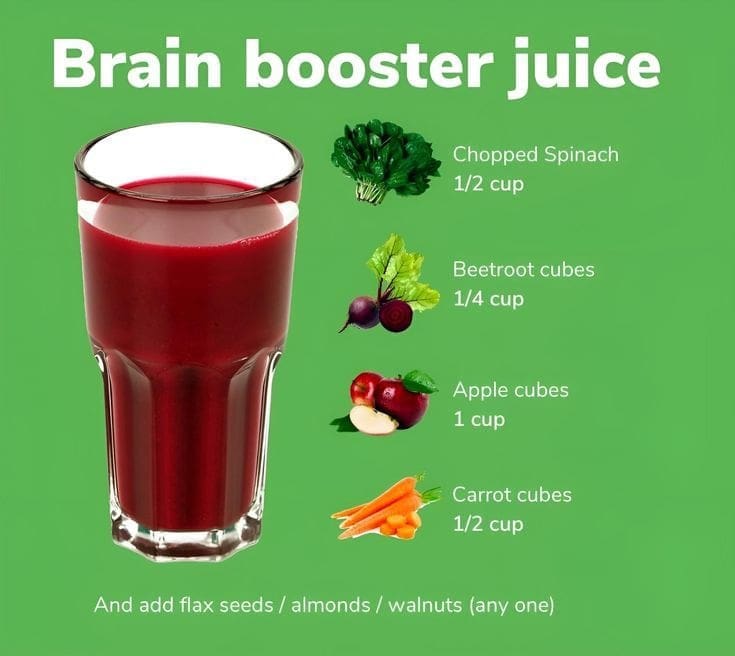
Short breathing practice to pair with the first sip
Try a 3-breath grounding cycle: inhale slowly through the nose for four counts, hold for two counts, then exhale through the mouth for six counts. Take one cycle before your first sip to center yourself and create a calm baseline.
Sample Daily Routines
You can choose a routine that fits the time you have and the outcome you want. Below are three practical templates to adapt to your schedule.
| Routine Type | Duration | Core elements |
|---|---|---|
| Quick Morning Reset | 5–10 minutes | Wash and juice 1–2 items, 2–3 mindful breaths, sip slowly |
| Balanced Morning Ritual | 20–30 minutes | Prep juice, short breathing or meditation (5–10 min), mindful journaling (5 min), eat small protein-rich snack |
| Evening Unwind | 10–20 minutes | Low-sugar vegetable juice, calming breathwork, gratitude reflection |
Morning quick 10-minute routine
Prepare a simple green juice, perform 3–4 deep breaths, and consume the juice slowly while standing or sitting comfortably. This short practice helps you anchor your day without consuming much time.
Full 30-minute ritual
Start with 5–10 minutes of gentle stretching or breathwork, prepare a complex juice blend, sit down to consume it mindfully while journaling briefly about how you want your day to feel. This longer ritual strengthens the mind-body connection and provides more reflective time.
Evening calming practice
If you prefer a nightly ritual, choose low-sugar vegetables like cucumber, celery, and a splash of lemon. Pair with a 5–10 minute breathing or gratitude practice to support restful sleep.
Recipes for Mindful Juicing
You’ll get the most from your practice when flavors excite you and ingredients support your intentions. Here are several recipes with mindful tips to help you stay present.
Green Morning Clarity
Ingredients and quantities are scalable to your glass size. Focus on gentle inhalations and chewless sipping to maintain mindfulness.
- 2 cups kale (or spinach)
- 1 apple (for sweetness)
- 1/2 cucumber
- 1/2 lemon, peeled
- Small piece of ginger (about 1/2 inch) Mindful tip: As you chop the apple, notice its crisp scent and the memory it brings up.
Citrus Calm
This blend is designed for emotional grounding and freshness. Use a slow, even pace when drinking.
- 2 oranges, peeled
- 1/2 grapefruit, peeled (optional)
- 1/2 lemon
- Small handful of mint Mindful tip: Close your eyes for one sip and identify the primary taste sensations.
Root Energizer
A hearty option with warming ginger; best for cooler mornings or days when you need a nutrient boost.
- 2 carrots
- 1 small beet (or 1/2 medium)
- 1 apple
- Small piece of ginger Mindful tip: Visualize your breath carrying warmth into your chest as you sip.
Beet Heart Support
Use in moderation because beets are higher in natural sugars and strong in flavor.
- 1 medium beet
- 2 carrots
- 1 apple or pear
- 1/2 lemon Mindful tip: Note any sensations of warmth or circulation change after drinking.
Carrot-Ginger Calm
A balanced, anti-inflammatory choice that is gentle on the stomach.
- 4 carrots
- 1 small apple
- 1/2 inch fresh ginger
- Optional pinch turmeric Mindful tip: Pay attention to how your mouth and throat feel after swallowing to increase body awareness.
Building Habit and Tracking Progress
Sustainable change happens with consistent repetition, good tracking, and small adjustments. Use simple tools to measure progress and stay motivated.
Habit stacking and cues
Attach the new practice to an existing habit you already do reliably, such as after brushing your teeth or as soon as you open the curtains. This cue-and-action pattern makes the new behavior easier to perform.
Journaling prompts
Keeping a short daily record helps you notice trends in mood, digestion, and energy. Below are practical prompts you can rotate.
| Prompt | How to use it |
|---|---|
| How do I feel 10 minutes after the juice? | Note energy and digestion |
| What flavors stood out? | Increase mindful awareness of taste |
| One small win today | Reinforce positive behavior |
| One adjustment for tomorrow | Promote iterative improvement |
Troubleshooting common obstacles
If cleanup feels burdensome, try prepping ingredients the night before or using a simpler recipe. If juices leave you hungry, add a small protein-rich snack or slightly increase vegetable portions. If you forget, set a gentle reminder on your phone linked to your cue habit.
Safety, Special Populations, and When to Consult a Professional
Certain populations and conditions require attention when adding concentrated juices to a routine. Safety and common-sense precautions help you benefit without unexpected risks.
Blood sugar concerns and medication interactions
If you have diabetes, hypoglycemia, or take medications affected by food (such as blood pressure or blood-thinning drugs), consult your healthcare provider before adding large amounts of fruit-based juices. Monitor blood sugar responses and prefer lower-sugar, vegetable-heavy blends.
Pregnancy, children, and elderly
Pregnant people and young children have unique nutritional needs; whole-food sources are often preferable. If you’re planning a substantial change during pregnancy or caring for someone elderly, check with a clinician to confirm suitability.
Food safety and storage
Fresh juice is perishable. Refrigerate in airtight glass containers and consume within 24–48 hours. Wash produce thoroughly, especially if you plan to include delicate leafy greens, and ensure your juicer is cleaned after each use.
Combining with Other Practices
Your mindful juicing routine can become a hub that supports additional healthy habits. Pairing small, complementary activities enhances long-term results without requiring much extra time.
Breathwork, movement, and gratitude
Add 3–5 minutes of controlled breathing or light movement before or after your juice to amplify the calming effect. Finish with a brief gratitude statement to shift focus toward positive intentions for the day.
Short guided sequences
A simple 5-minute sequence can include: three grounding breaths, one minute of neck and shoulder rolls, two minutes of mindful sipping while noticing taste, and one minute of recording a short affirmation. Repeating this sequence daily builds a strong anchor.
A 30-Day Starter Plan
A month gives you enough time to form a habit while allowing flexibility for adjustments. The plan below outlines progressive steps to build consistency.
| Week | Focus | Actionable goals |
|---|---|---|
| Week 1 | Establish routine | 5 minutes daily: one simple juice + 3 breathing cycles |
| Week 2 | Increase presence | 10 minutes daily: slightly more complex juice, add 2-minute journaling |
| Week 3 | Nutritional balance | Introduce protein/healthy fat pairing after juice 3x this week |
| Week 4 | Reflection and adjustment | Evaluate how you feel; refine recipes and timing based on notes |
How to assess progress
At the end of each week, review your journal entries for patterns in mood, energy, or digestion. Adjust timing, ingredients, or duration based on what you observe.
Scaling up or down
If you find the practice enriching, add more variety in recipes or extend your mindful moments. If it feels like a burden, simplify and reduce frequency until it becomes manageable and enjoyable again.
Frequently Asked Questions
Questions commonly arise when combining juicing with mindfulness. Here are clear answers to help you move forward confidently.
Will juicing replace meals?
Juicing can be a light meal or snack, but because it lacks fiber and sustained protein, it often doesn’t replace a balanced meal for long-term nutrition. Combine juices with whole-food proteins or healthy fats if you need sustained energy.
How often should I juice?
Start with 3–4 times per week to form habit and assess response, then adjust based on your goals and how your body reacts. Daily juicing can be fine if you maintain balance and variety.
Can juicing cause digestive upset?
Sudden increases in concentrated fruit or raw vegetable intake can cause bloating or loose stools for some people. Start with gentler blends, increase slowly, and pay attention to portion size.
Is store-bought cold-pressed juice the same as home-made?
Store-bought cold-pressed juices can be convenient and nutritionally dense, but they may be more expensive. Homemade juice allows you to control ingredients and freshness; however, ensure hygienic preparation.
How do I know if it’s working?
Track changes in your energy, mental clarity, mood, sleep, and digestion over weeks. Mindfulness outcomes are subtle and cumulative; you may notice improved focus and a calmer response to stress over time.
Final Tips and Encouragement
Create a ritual that you genuinely enjoy and that fits your life; consistency matters more than perfection. Approach the practice with curiosity, and let your juice-and-mindfulness routine become a gentle daily gift you give to yourself.
If you want, start tomorrow with one simple juice and three mindful breaths — notice what shifts, then adapt from there.
Disclaimer
This content is for informational and educational purposes only and is not intended as medical advice. Always consult a qualified healthcare professional before making changes to your diet, especially if you have a medical condition, are pregnant, or are taking medication
As an Amazon Associate, we earn from qualifying purchases