
Struggling with constant food cravings that derail your healthy eating goals? You’re not alone—and juicing to curb cravings might be the natural solution you’ve been searching for. Whether you’re battling sugar cravings, afternoon snack attacks, or emotional eating, juicing as a natural way to curb cravings offers a nutrient-dense strategy that addresses the root cause of your hunger. Unlike restrictive diets that leave you feeling deprived, fresh juices can satisfy your body’s nutritional needs while reducing the intense urges that lead to unhealthy choices. In this guide, we’ll reveal how specific juice combinations can help you take control of your cravings, balance your blood sugar, and finally break free from the cycle of constant hunger.
Juicing As A Natural Way To Curb Cravings
Juicing can be a flexible tool you use to manage cravings because it delivers concentrated nutrients and satisfying flavors quickly. This article gives you practical guidance on how to use juicing effectively, safely, and sustainably so it supports your habits rather than replacing balanced eating.
How cravings work
Understanding why cravings occur helps you make smarter choices when you turn to juicing. Cravings are not only about willpower; they are driven by biology, habits, and emotional signals that you can influence.
Types of cravings
You typically face sugar cravings, salty/snack cravings, carbohydrate cravings, or appetite-type hunger that signals true energy need. Identifying the type of craving you feel makes it easier to pick a juice or strategy that addresses the root cause.
Biological drivers
Cravings are influenced by blood sugar swings, neurotransmitters like dopamine, and hormones such as ghrelin and leptin that control hunger and fullness. Stress, sleep deprivation, and certain medications also change these signals and make you more susceptible to urges.
Why juicing can help curb cravings
Juicing concentrates vitamins, minerals, and phytonutrients that your body can absorb quickly, which may reduce the biological triggers behind cravings. You also get intense flavor variety and hydration that can satisfy sensory and physical needs that often lead to snacking.
Nutrient density and rapid absorption
When you juice, nutrients become more bioavailable because the plant cell walls are mechanically broken down, allowing quick uptake by your body. Faster delivery of vitamins and minerals — especially magnesium, chromium, and B vitamins — can help stabilize mood and glucose regulation.
Flavor variety and mouthfeel
A well-made juice gives you a burst of flavor, from sweet to tart to bitter, which can mimic the sensory satisfaction you seek in snacks. That sensory satisfaction can reduce the psychological urge to reach for processed sweets or chips.
Hydration and stomach volume
Juices provide water and electrolytes that expand stomach volume and can create a mild sense of fullness, lowering immediate snacking impulses. If you tend to confuse thirst with hunger, a hydrating vegetable-forward juice may be exactly what you need.
Phytochemicals and satiety
Phytonutrients like polyphenols and certain bitter compounds found in greens and herbs may influence satiety hormones and slow digestion enough to help you feel fuller longer. These compounds also modulate taste and metabolic responses in subtle ways that reduce the appeal of sugary foods.
What juicing does not do
Juicing is not a magic fix for cravings or a license to habitually consume large amounts of high-calorie fruit juices. Fresh fruit-only juices can spike blood sugar and may actually increase cravings later if you don’t balance them with fiber, protein, or fat.
Not a fiber substitute
Since most juicing removes the insoluble fiber from fruits and vegetables, you lose a key component that helps regulate digestion and glucose response. For sustained appetite control, you’ll often need to pair juices with fiber-rich foods or use blended options.
Not a guaranteed weight-loss tool
Juicing alone won’t automatically produce weight loss unless your overall calorie balance and eating habits support it. You should integrate juicing into a sensible meal plan and monitor total calorie intake.
Choosing ingredients to reduce cravings
Selecting the right ingredients is critical if your goal is to reduce cravings rather than just satisfy a sweet tooth. Prioritize low-glycemic vegetables, modest amounts of low-sugar fruits, and flavor-enhancing herbs that support metabolic balance.
Vegetables to prioritize
Leafy greens (spinach, kale), cucumbers, celery, and zucchini are low in sugar and high in minerals, making them great juice bases that don’t fuel sugar cravings. Adding cruciferous vegetables like broccoli and a small amount of beetroot can increase nutrient diversity without excessive sweetness.
Fruits to use sparingly
Apples, pears, and citrus offer sweetness and acidity but should be used in moderation because of their sugar content. Berries are typically lower in sugar and high in antioxidants, so a small portion can offer flavor without a big glucose hit.
Herbs and spices that help
Ginger, turmeric, mint, basil, and cinnamon add taste complexity and can influence digestion, inflammation, and blood sugar regulation. Cinnamon and ginger in particular help moderate blood sugar spikes and add warmth that reduces sweet cravings.
Protein and healthy fat additions
Juices are typically low in protein and fat, so pairing a juice with a small protein and healthy fat source (like Greek yogurt, a handful of nuts, or a protein shake) helps you achieve fullness. If you want a single on-the-go option, consider alternating juices with smoothies that include plant-based protein powder, chia seeds, or avocado.
Ingredient benefits at a glance
| Ingredient | Primary benefits for cravings | How to use |
|---|---|---|
| Spinach | Low-calorie, high in magnesium and iron which support blood sugar and mood | Juice as a base with cucumber and lemon |
| Cucumber | Hydrating, volume without sugar | Use as primary liquid to reduce sweetness |
| Celery | Electrolytes and mild flavor that distracts from snacks | Combine with apple or lemon |
| Ginger | Supports digestion and reduces nausea-related cravings | Small amounts add heat and satisfaction |
| Cinnamon | Slows glucose absorption and adds sweetness perception | Sprinkle or add to apple-based juices |
| Beet (small amounts) | Adds earthy sweetness and nitrates for circulation | Use as accent, not base |
| Lemon/lime | Adds acidity, enhances flavor without sugar | Squeeze into green juices |
| Berries | Low sugar, high antioxidants | Use sparingly for flavor and color |
| Avocado (blend) | Healthy fats for satiety when blended | Best in smoothies or creamed juices |
How to build effective juices
To make juices that help curb cravings, you aim for balance: low sugar, strong savory or tart notes, and occasional small amounts of fruit. Think about juices as part of a snack or meal rather than a standalone substitute for balanced eating.
Balancing sweetness and bitterness
Too much sweetness can mimic a sugary snack and reinforce cravings later, so balance fruit with bitter greens or tart citrus. Contrast is key: one sweet element combined with several savory/bitter components gives you satisfaction without promoting a sugar spike.
Adding fiber back in
If you rely on juicing frequently, add back soluble fibers like chia, ground flaxseed, or psyllium husk to slow digestion, or alternate juices with blended smoothies that retain whole-food fiber. Another option is to reserve the pulp and mix a spoonful into yogurt or a vegetable bowl.
Timing your juices
Use a juice as a pre-meal appetite controller (15–30 minutes before) or as an afternoon pick-me-up when cravings often strike. Avoid having a high-sugar juice right before bed, because it can disrupt sleep and increase nighttime cravings.
Portion sizes and caloric considerations
A juice serving sized to curb cravings is usually about 8–12 ounces and focused on vegetables rather than fruit. Pay attention to the overall caloric load — a fruit-heavy juice can equal a small meal in calories without the satiety.
Sample juices and their purposes
| Juice name | Ingredients (approx.) | Purpose | Best time |
|---|---|---|---|
| Green Stabilizer | Spinach, cucumber, celery, lemon, small green apple | Stabilize blood sugar, hydrate | Mid-afternoon |
| Bitter Balance | Kale, grapefruit, cucumber, ginger | Reduce sweet cravings, add bitter notes | Pre-meal |
| Berry Calm | Mixed berries, half beet, spinach, lemon | Antioxidant boost with lower sugar | Morning or snack |
| Citrus Spark | Grapefruit, lemon, carrot, turmeric | Energizing and tangy, counters fatigue cravings | Morning |
| Minty Veg | Romaine, cucumber, parsley, mint, lime | Refreshing, helps oral fixation on salty snacks | After meals |
| Protein Pair | Spinach, celery, cucumber + side Greek yogurt | Combines quick nutrients with protein for satiety | Any snack time |
Sample recipes
Below are detailed juice recipes that you can try. Each recipe is framed to address specific craving types while remaining practical for regular use.
Green Stabilizer (for afternoon sugar cravings)
Use this juice to get hydration and stable glucose without excess sweetness. Ingredients: 2 cups spinach, 1 medium cucumber, 2 celery stalks, 1/2 green apple, juice of 1/2 lemon. Instructions: Juice the greens and vegetables first, then add the apple and lemon for finishing flavor. Serve chilled.
Bitter Balance (for sweet-tooth control)
This juice focuses on bitter greens plus a small fruity component to keep it palatable. Ingredients: 1 cup kale, 1/2 grapefruit (peeled), 1/2 cucumber, 1 small piece ginger. Instructions: Alternate soft and fibrous items through the juicer to get a smooth texture. Drink 20 minutes before a meal to reduce overeating.
Berry Calm (for stress-related cravings)
Use berries and a little beetroot to provide antioxidants and a satisfying flavor without a lot of sugar. Ingredients: 3/4 cup mixed berries, 1/4 small beet, 1 cup spinach, squeeze of lemon. Instructions: Process berries first to extract color and flavor, then juice greens; combine and serve. Pair with a small handful of almonds if you need extra satiety.
Citrus Spark (for fatigue-triggered reaching)
Citrus adds brightness while carrots give steady sugars and beta-carotene to nourish light hunger. Ingredients: 1 grapefruit or 2 oranges, 2 small carrots, 1/2 inch turmeric root. Instructions: Juice and strain if you prefer less pulp; drink when you feel an energy slump. Add a pinch of black pepper to boost turmeric absorption.
Minty Veg (for salty snack cravings)
This refreshing green juice distracts your palate from wanting chips or pretzels. Ingredients: 2 romaine leaves, 1 cucumber, handful parsley, 6 mint leaves, juice of 1 lime. Instructions: Juice and chill; sip slowly to get the oral satisfaction you crave. The mint adds a cooling sensation that can reduce the urge for heavy, salty flavors.
Protein Pair (when you need lasting fullness)
Combine a vegetable juice with a protein-rich side to convert a momentary solution into sustained fullness. Ingredients (juice): 1 cup spinach, 1 celery stalk, 1/2 cucumber, lemon juice; Side: 1/2 cup plain Greek yogurt or 20 g protein powder in water. Instructions: Drink juice first, then eat the protein to provide slower-digesting amino acids and fat. This pairing helps keep blood sugar steady.
Integrating juicing into your day
You’ll get the best results when you use juices tactically rather than randomly. Think of juices as targeted helpers to manage known trigger times or behaviors.
Pre-meal juices to reduce overeating
Have a low-sugar green juice 15–30 minutes before a meal to reduce appetite and prevent overeating. The combination of hydration, flavor, and low-caloric volume acts as a buffer between you and impulsive choices.
Mid-afternoon anti-sugar juices
The mid-afternoon slump is a common time for sugar cravings; a hydrating, low-sweet juice with ginger or cinnamon can provide a cognitive and sensory pick-me-up without the crash. If you plan to combine juice with something else, choose a small protein or fat to follow the juice.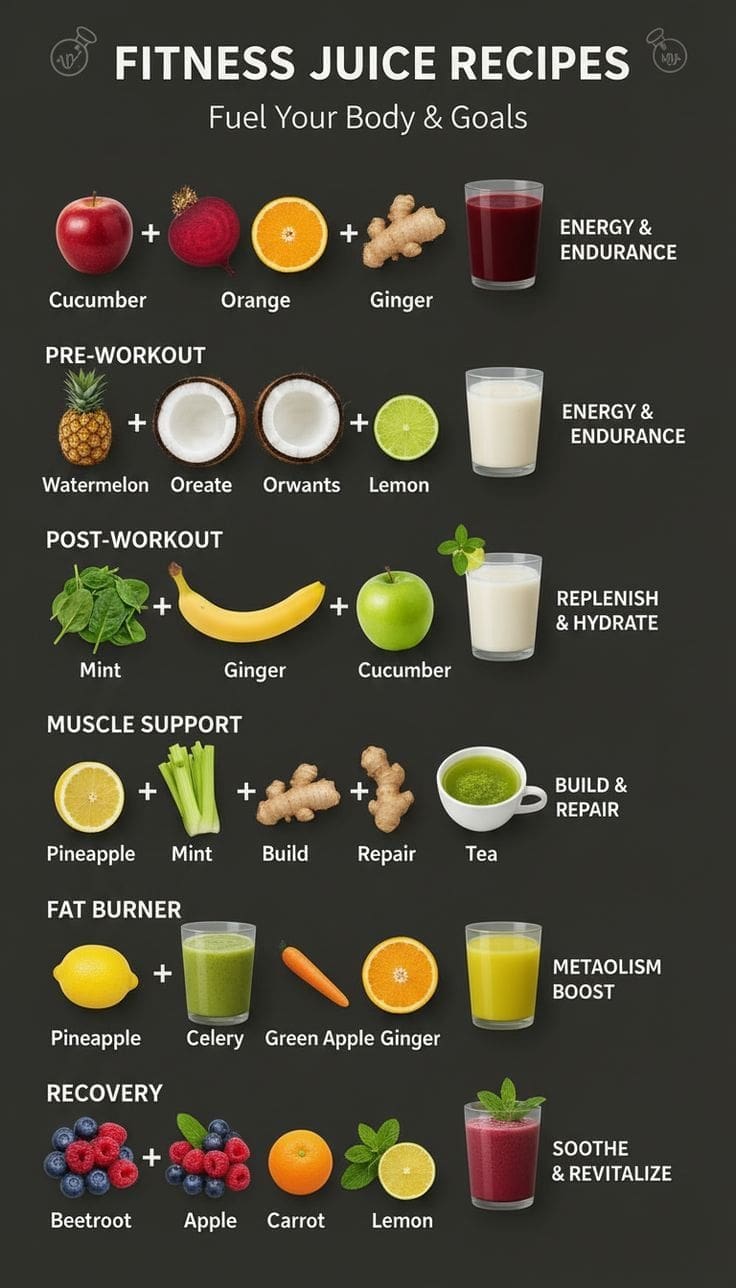
Post-workout replenishment
After exercise, you need carbohydrates to restore glycogen and some protein for repair; pair a modest fruit-containing juice with a protein source. This helps prevent post-exercise sugar-seeking behavior that comes from depleted glycogen stores.
Nighttime cravings and what to avoid
Avoid high-sugar fruit juices close to bedtime because they can raise blood sugar and potentially interfere with sleep and hormone rhythms. Instead, a small savory or herbal infusion or a blended vegetable smoothie with a bit of protein is a safer option.
Safety, risks, and who should be cautious
Juicing is safe for many people, but it has risks if you rely on high-sugar combinations, have medical conditions, or take certain medications. Be mindful of blood sugar impacts, total calories, and potential interactions with medications.
Blood sugar and diabetes
If you have diabetes or insulin resistance, fruit-heavy juices can cause rapid glucose spikes. Work with your healthcare provider to tailor juice choices and monitor blood sugar responses carefully.
Medications and nutrient interactions
Some herbs and concentrated vegetable intakes can interact with medications (for example, large amounts of leafy greens with blood thinners due to vitamin K). If you take prescription medication, check with your clinician before making significant changes to your intake of certain vegetables or herbs.
Dental health and acidity
Frequent exposure to acidic or sugary juices can erode tooth enamel over time. To protect dental health, drink juices with a straw, rinse with water afterward, and avoid prolonged sipping.
Food safety and storage
Fresh juice spoils quickly; store it in airtight containers in the refrigerator and consume within 24–48 hours for best quality. Use clean equipment and wash produce thoroughly to reduce contamination risk.
Measuring success and tracking cravings
Create simple metrics so you know whether juicing is helping your cravings rather than being a temporary fix. Track your energy, frequency of cravings, and how long you stay satisfied after consuming a juice.
Journaling and timing
Write down when cravings occur and what you consume to manage them so you can identify patterns and triggers. Over time you’ll learn which juice recipes and timings consistently reduce urges.
Adjusting ingredients based on response
If a juice causes mid-afternoon rebound hunger, reduce the fruit content and add more greens or pair with protein. Personalized tweaking is often necessary because everyone’s metabolic and sensory responses differ.
Combining juicing with other strategies
Juicing is most effective when it complements lifestyle changes like sleep, stress management, and exercise. It should be one tool among several in your toolbox rather than the only strategy.
Sleep, stress, and exercise
Poor sleep and high stress amplify cravings and reduce the effectiveness of dietary tweaks, including juicing. Prioritize good sleep hygiene, stress-reduction techniques, and regular physical activity to make your juice strategy more powerful.
Mindful eating and behavioral tricks
Use mindful eating techniques — pause before consuming, breathe, and assess your hunger level — in combination with juices to break habit-driven snacking. Behavioral strategies like keeping trigger foods out of sight and planning healthy alternatives amplify juicing benefits.
Common myths about juicing and cravings
There are many misconceptions that can derail your efforts, so it helps to separate fact from fiction. Understanding realistic outcomes prevents disappointment and helps you form sustainable habits.
“Detox” claims
The human body has organs (liver, kidneys, lungs) that detoxify naturally; juices can support nutrient intake but they do not “cleanse” you on their own. Use juices to improve nutrient density, not to chase unrealistic detox promises.
Juice cleanses for quick weight loss
Short-term juice cleanses can cause rapid weight change mostly from water and glycogen loss, not fat reduction, and may trigger rebound overeating. If you use a cleanse, do so under supervision and transition back to balanced meals slowly.
Practical tips and shopping list
Practical planning makes juicing easy and sustainable for you, so prepare a shopping list that supports variety without waste. Buying seasonally, using small fruit portions, and freezing surplus produce are smart strategies.
| Category | Items to buy | Notes |
|---|---|---|
| Greens | Spinach, kale, romaine | Rotate to prevent taste fatigue |
| Hydrating veg | Cucumber, celery, zucchini | Low sugar, high volume |
| Root veg | Carrot, small beet | Use sparingly for sweetness |
| Fruits | Apples, berries, citrus | Keep portions moderate |
| Herbs & spices | Ginger, turmeric, mint, basil, cinnamon | Add flavor and function |
| Extras | Lemon/lime, coconut water, apple cider vinegar | For acidity and electrolytes |
| Protein/fat complements | Greek yogurt, nuts, seeds, avocado | Pair with juice for satiety |
Troubleshooting: if juicing increases cravings
If you find your cravings worsen after starting to juice, don’t assume juicing is the wrong approach; small adjustments usually fix the issue. Consider reducing fruit, increasing greens and herbs, and pairing juices with protein or fiber.
Common causes and fixes
- Cause: Too much fruit → Fix: Replace fruit with cucumber or more greens.
- Cause: Drinking juice on empty stomach and feeling hungry later → Fix: Add protein or healthy fat soon after.
- Cause: Consuming juice constantly without meals → Fix: Use juice strategically at trigger times rather than all day.
Frequently asked questions
A short FAQ addresses common concerns you may have as you adopt juicing to manage cravings.
Q: How often should I juice to see results?
A: Start with 3–4 targeted juices per week and monitor your cravings and energy; increase or tweak based on how you feel.
Q: Can I use a blender instead of a juicer?
A: Yes — blending keeps fiber and often provides more sustained fullness, which may be better for long-term craving control.
Q: Are store-bought juices okay?
A: Be cautious; many commercially available juices have added sugars and lack freshness. Choose cold-pressed options with no added sugars or make your own when possible.
Q: Will juicing cause nutrient deficiencies?
A: If you replace balanced meals with juice long-term, deficiencies are possible; use juices to supplement a varied diet rather than replace it.
Final suggestions for success
Make small, consistent changes and view juicing as a targeted tactic in your bigger lifestyle plan to curb cravings. Pay attention to your body’s responses, pair juices with complementary foods when needed, and iterate recipes until you find what works best for your pattern of cravings and daily routine.
You now have a comprehensive framework for using juicing to manage cravings naturally. Try a few recipes, track your responses, and adjust ingredients and timing to make juicing a reliable ally in your efforts to feel more in control of your eating.