
Juicing for daily productivity is becoming a popular habit for people who want to stay energized and focused throughout the day. Fresh juices made from fruits and vegetables provide vitamins, minerals, and antioxidants that support overall health and mental clarity. By adding nutrient-rich juices to your daily routine, you may find it easier to maintain steady energy levels and stay productive.
How Juicing Supports Energy and Mental Focus
One of the main reasons people turn to juicing for daily productivity is the natural boost it can provide. Fresh juices contain essential nutrients that help support the body’s energy production and brain function. Ingredients like leafy greens, citrus fruits, and carrots are especially rich in vitamins that help maintain focus, reduce fatigue, and keep you feeling refreshed throughout the day.
The Role Of Juicing for Daily Productivity
Juicing for Daily Productivity can be an accessible, enjoyable habit that supports your energy, focus, and overall well-being when you use it thoughtfully. This article walks you through what juicing really does for your body and brain, how to use juices strategically across your day, and how to avoid common pitfalls so that juicing becomes a productivity tool rather than a quick sugar fix.
What juicing is and what it isn’t
Juicing is the process of extracting liquid from fruits and vegetables while typically removing most of the plant fiber. When you juice, you concentrate vitamins, minerals, and phytonutrients into a drinkable form. It isn’t the same as a whole-food serving because you lose the bulk of fiber and the slower digestion that comes with it. Understanding that distinction helps you use juices in ways that add value to your day without replacing balanced meals.
Juicing methods and how they affect quality
There are several common juicing methods, and each affects nutrient retention, yield, and convenience. Your choice of equipment can change how long a juice lasts, how much heat is generated during extraction, and how expensive and time-consuming the process is. The table below gives you a quick comparison so you can pick the right approach for your needs.
| Juicer Type | How it works | Pros | Cons |
|---|---|---|---|
| Centrifugal (fast) | Uses high-speed blades to shred produce and spin out juice | Fast, affordable, good for firm produce | Generates heat and foam, lower yield, can oxidize nutrients quickly |
| Masticating (slow) | Crushes and presses produce slowly | Higher yield, less heat, better preservation of enzymes | Slower, more expensive, slower cleanup |
| Twin-gear (Triturating) | Two interlocking gears press produce thoroughly | Maximizes yield and nutrient extraction, good for leafy greens | Expensive, slower, complex cleaning |
| Manual press | Hand-cranked or manual press for citrus/soft fruits | Simple, quiet, minimal oxidation for citrus | Labor-intensive, limited to certain fruits |
Nutrients you’ll get from juicing
Juices deliver a concentrated dose of water-soluble vitamins (like vitamin C and many B vitamins), minerals (such as potassium and magnesium), and a range of phytonutrients and antioxidants. Because fiber is mostly removed, the vitamins and minerals become easier for your body to access quickly. This faster absorption can support immediate metabolic needs, which is why many people feel alert after a nutrient-rich juice.
How juicing supports energy and focus
When you drink a nutrient-dense juice, your body receives a rapid supply of glucose along with vitamins and minerals that support cellular energy production. B vitamins and magnesium, for example, help convert food into usable energy, while antioxidants protect cells from oxidative stress that can impair cognitive function. If you combine juices thoughtfully so they don’t spike blood sugar too much, you can use them as a tool to stabilize energy and sharpen focus during work blocks.
Managing blood sugar and avoiding crashes
Because juices lack fiber, they can cause quicker rises in blood glucose compared with whole fruits or vegetable-based meals. To prevent energy crashes that reduce productivity, you should pair fruit-forward juices with protein, healthy fats, or fiber at meals or snacks. For example, have a small handful of nuts, Greek yogurt, or a hard-boiled egg with your juice to slow absorption and maintain steady energy.
Hydration and cognitive performance
Juices contribute to your daily hydration, and staying well-hydrated is one of the simplest ways to maintain cognitive performance. Mild dehydration can impair attention, short-term memory, and decision-making. Drinking water-rich juices, especially those with electrolyte-rich ingredients like cucumber, celery, or coconut water, can help you stay alert and responsive during extended work periods.
Bioavailability: why some nutrients are easier to access in juice
Juicing breaks down cell walls in plant tissues and can increase the bioavailability of certain nutrients. For example, beta-carotene from carrots and lycopene from tomatoes become more accessible when the plant matrix is disrupted. If you include a small amount of healthy fat with those juices (like a few walnuts or a spoon of flaxseed oil mixed into a smoothie rather than a juice), you further enhance absorption of fat-soluble nutrients.
Tradeoffs: fiber loss and how it affects digestion
While juicing concentrates nutrients, it removes most insoluble fiber that slows digestion and supports gut health. Without that fiber, nutrients can enter your bloodstream faster, which is sometimes beneficial for quick energy but less ideal for sustained fullness and long-term digestive health. You can pair juices with fiber-rich foods or reserve juicing for specific times (e.g., mid-morning, not as a meal replacement) to balance this tradeoff.
Best times to drink juice for productivity
Timing determines how a juice will affect your day. The optimal moments tend to be when you need a nutrient boost but don’t want a heavy meal. Morning, pre-workout, and mid-afternoon are common windows.
- Morning: A vegetable-forward juice can give you quick hydration and micronutrients to kickstart metabolism and cognition. Pair it with protein for sustained energy.
- Pre-workout: A small juice rich in natural sugars and minerals (like beet and apple) can provide quick fuel and improve blood flow during a workout.
- Mid-afternoon: When you experience the typical post-lunch slump, a low-sugar, high-vegetable juice can rehydrate and refresh you without causing a late-day spike in blood sugar.
Juices that support alertness and mental clarity
Certain ingredients stand out for supporting cognitive function and alertness. Leafy greens provide folate and magnesium; beets support blood flow via nitrates; citrus fruits deliver vitamin C; and ginger provides anti-inflammatory compounds that can improve circulation. Using combinations of these ingredients gives you a more rounded cognitive boost than any single item.
Recipes for productivity: quick, balanced juice ideas
Below are practical recipes you can try. Each one is designed to deliver specific benefits, like steady energy, improved blood flow, or hydration. Make adjustments to taste and portion size, and pair with a protein or healthy fat when needed.
| Recipe | Ingredients (approx.) | Benefit |
|---|---|---|
| Morning Green Energizer | 2 cups spinach, 1 green apple, 1 cucumber, 1/2 lemon, small piece ginger | High in B vitamins and magnesium; hydrating and mildly stimulating |
| Beet Focus Boost | 1 small beet, 1 carrot, 1 apple, 1/2 lemon | Nitrate-rich for blood flow and mental clarity |
| Citrus Wake-Up | 2 oranges, 1/2 grapefruit, 1 small turmeric piece | Vitamin C for immune support and alertness |
| Hydration Refresher | 1 cucumber, 2 celery stalks, 1/2 lemon, pinch salt | Electrolyte balance and gentle hydration |
| Anti-Fatigue Blend | 1 cup kale, 1 pear, 1/2 avocado (blend instead of juice), splash water | Nutrient-dense with healthy fats for sustained energy (blend option) |
Note: For recipes including avocado, blend rather than juice so you keep the healthy fats.
Juicing versus smoothies: when to choose each
Juicing and smoothies both make healthy ingredients consumable in portable forms, but they serve different needs. Juices are lighter and allow rapid intake of micronutrients. Smoothies retain fiber and can be a meal replacement because they include whole fruits, vegetables, and proteins. If you want quick hydration and a vitamin boost before a meeting, choose juice. If you need a filling breakfast that maintains steady energy for hours, choose a smoothie.
Potential drawbacks and how to mitigate them
There are drawbacks to juicing that could harm productivity if left unchecked. High-sugar juices can induce energy spikes and subsequent crashes. Frequent juicing without balancing meals can reduce fiber intake over time. Contamination and poor storage can also cause foodborne illness. You can mitigate these issues by:
- Preferring vegetable-dominant recipes
- Pairing juices with proteins or healthy fats
- Using fresh, properly washed produce
- Storing juice cold and consuming within 24–48 hours, ideally the same day
- Rotating juice ingredients to avoid overexposure to certain compounds (like nitrites from excessive beet consumption)
Safety considerations for special populations
If you have a medical condition, you should tailor juicing to your needs. People with diabetes must monitor carbohydrate intake carefully and prioritize low-sugar, vegetable-based juices paired with protein. Pregnant people should avoid unpasteurized store-bought juices and be cautious about certain high-oxalate greens if they have kidney stone risk. Children can enjoy small, diluted servings of vegetable-fruit juice, always with attention to sugar content. When in doubt, consult a healthcare provider.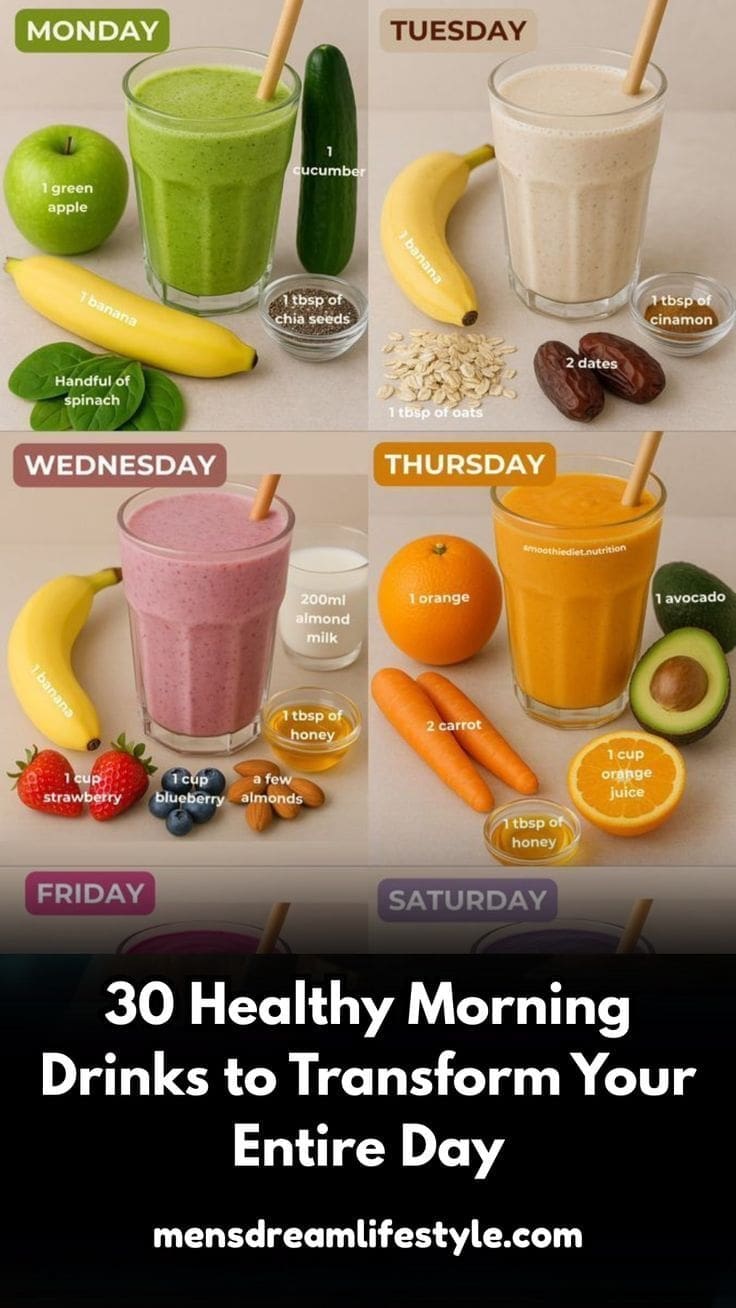
Combining juicing with a balanced diet
Juicing should complement, not replace, a varied and balanced diet. Treat juices as supplements that help you reach your daily fruit and vegetable goals or to fill short-term nutrient gaps. For a productive day, aim to include whole-food sources of protein, complex carbohydrates, and healthy fats at meals, using juice as an adjunct for hydration and micronutrients.
Practical tips for juicing at home
If you want juicing to be a consistent productivity aid, you should make it easy and efficient.
- Invest in a juicer that fits your lifestyle: centrifugal for speed, masticating for better quality, or a manual press for citrus.
- Clean equipment immediately after use to avoid buildup and loss of flavor.
- Use a produce wash and handle leafy greens carefully; consider blanching beets or ginger if you prefer milder flavor.
- Batch-prepare for convenience: store juice in airtight glass bottles in the fridge, leaving a little headspace to reduce oxidation.
- Freeze portions in ice cube trays for quick reconstitution in a glass of water if you want long-term storage.
How to read store-bought juice labels
If you buy pre-made juices, check the label for added sugars, preservatives, and pasteurization method. Cold-pressed and pasteurized juices can retain more nutrients but may still be high in sugar. Look for short ingredient lists and no added sweeteners. Be wary of juices labeled as “detox” or “cleanse” that promise rapid weight loss or extreme benefits—these claims are often unsupported and can be counterproductive.
Timing strategies for specific productivity goals
You can use juicing in targeted ways depending on what you’re trying to achieve:
- For morning cognitive clarity: have a vegetable-plus-citrus juice with a boiled egg for steady energy.
- Before a big meeting: choose a small beet-and-apple juice about 60 minutes before to support circulation and alertness.
- During long creative sessions: keep a hydrating, low-sugar juice nearby to sip, and combine with periodic snacks that include protein.
- To recover after intense work or exercise: a juice with banana, spinach, and a pinch of salt can restore electrolytes and replenish glycogen modestly.
Monitoring your response and adjusting
To know if juicing helps your productivity, track how you feel after different juices and at different times of day. Keep a simple log for two to four weeks noting the juice, time consumed, your energy levels, focus, and any digestive responses. This will help you identify which ingredients and patterns work best for your body and your work rhythm.
Avoiding overconsumption and maintaining balance
Even though juices can feel “healthy,” too much can lead to excess calories, unwanted sugar intake, and nutritional imbalances. Limit juicing to one or two servings per day unless you’re working with a nutrition professional who supports a different plan. Use whole fruits and vegetables in meals to maintain fiber levels and support long-term gut health.
Storing and preserving nutrient quality
To maximize nutrient retention, consume fresh juice as soon as possible. If you must store it, use dark glass bottles, fill them to the brim to minimize air exposure, refrigerate immediately, and consume within 24–48 hours. Cold-pressed and vacuum-packed juices last a bit longer but still lose some nutrient potency over time.
Juicing for athletes and high-demand schedules
If you lead an athletic or physically demanding life, juicing can be a useful tool for recovery and quick nutrient replenishment. Beets, cherries, and tart cherry juice have been studied for recovery and reduced muscle soreness. Mix juices with a recovery snack that includes protein and a little carbohydrate to promote muscle repair and sustained energy.
Environmental and cost considerations
Buying organic or local produce for juicing may reduce pesticide exposure and support local agriculture, but it can be more expensive. Some vegetables like carrots and spinach are cheaper sources of nutrients per serving compared with tropical fruits. You can also use pulped produce (the leftover fiber) in soups, baking, or compost to reduce waste and stretch your grocery budget.
Common myths about juicing and productivity
Myth: Juicing will instantly make you more productive. Reality: Juicing supplies quick-access nutrients, but productivity also depends on sleep, workload management, stress control, and regular nutrition. Myth: More juice is always better. Reality: Excessive juicing can contribute to sugar overload and nutrient imbalances. Myth: Juice cleanses reset the body. Reality: Short-term cleanses aren’t necessary for your liver or kidneys and can be counterproductive if they lead to nutrient restriction.
How to make a sustainable juicing habit
To weave juicing into your routine without making it a chore, start small. Pick a few recipes you enjoy, plan when they’ll best support your day, and create a simple prep ritual that you can repeat. Pair your juice habit with other productivity boosters like a consistent morning routine, short movement breaks, and prioritized tasks to see compound benefits.
Sample daily plan integrating juicing for peak productivity
Here’s a sample way to structure your day so juice supports your cognitive peaks and energy needs:
- Morning (upon waking): Glass of water, then a small vegetable-based juice with half a grapefruit and cucumber, paired with Greek yogurt or eggs. This gives you hydration, micronutrients, and protein for a focused morning work block.
- Mid-morning: If you need a boost, sip a hydrating juice with celery and apple. Pair with a handful of nuts if you feel hungry.
- Pre-lunch or pre-workout: A small beet-apple-ginger shot about 45–60 minutes before exercise or a challenging meeting to support circulation.
- Mid-afternoon slump: A low-sugar juice (spinach, lemon, celery) to rehydrate without causing a spike. Combine with a small protein snack.
- Evening: Avoid high-sugar juices close to bedtime; if you want a juice, choose calming ingredients like tart cherry (moderate) or a blended green smoothie with protein.
Measuring impact: productivity metrics to track
When testing whether juicing actually helps you, measure both subjective and objective markers. Subjective metrics include perceived energy, focus, mood, and digestive comfort. Objective measures might be number of focused work blocks completed, time to complete tasks, or sleep quality (as sleep affects productivity). Review trends over weeks and adjust juice types, timing, and pairings based on your findings.
Scientific context: what research supports juicing benefits?
Research supports the idea that increased fruit and vegetable intake improves cognitive function, mood, and overall health, all of which contribute to productivity. Certain ingredients have specific evidence: beetroot juice can enhance blood flow and exercise performance; antioxidant-rich fruits and greens support cognitive resilience. However, the majority of studies focus on whole foods rather than isolated juices, so you should view juice as one component of a larger dietary pattern that supports mental and physical performance.
Final checklist before you start juicing for productivity
Use this checklist to make your juicing habit practical and effective:
- Choose a juicer that fits your routine.
- Favor vegetable-dominant recipes with some fruit for taste.
- Pair juices with protein or healthy fats when needed to stabilize blood sugar.
- Monitor how different juices influence your energy and focus.
- Store juices properly and consume them promptly.
- Limit juicing to one or two servings per day unless advised otherwise.
- Consult a healthcare provider if you have chronic conditions, pregnancy, or special dietary needs.
Conclusion
If you use juicing intentionally—selecting nutrient-dense, mostly vegetable recipes; pairing them with protein and healthy fats; and timing them to support your workflow—you can make juice a practical ally in your productivity toolkit. Juicing offers a fast route to hydration, vitamins, and targeted phytonutrients that can sharpen focus, improve energy, and contribute to better performance. Pair that habit with a balanced diet, consistent sleep, and smart work strategies, and you’ll be giving yourself a sustainable, enjoyable boost toward more productive days.