
Iron plays an important role in supporting energy levels and oxygen transport in the body. This iron-rich juice recipe with spinach and beetroot combines plant-based ingredients known for their natural iron content. It’s a simple, refreshing way to support daily nutrition and overall wellbeing.
Iron-Rich Juice Recipe With Spinach And Beetroot
This juice blends the earthy sweetness of beetroot with the green nutrition of spinach to give you a flavorful way to boost your iron intake. You’ll also get supporting vitamins and minerals that help with iron absorption and overall wellness.
Why this juice works for iron
This combination brings non-heme iron from plant sources alongside vitamin C from optional citrus additions, which helps your body absorb more iron. Beetroot adds natural sweetness and nitrates that can benefit circulation and exercise performance, while spinach provides folate, magnesium, and a concentrated source of plant iron.
Benefits of Spinach and Beetroot
Spinach and beetroot each bring unique nutrients that make this juice more than just a refreshing drink. You’ll get iron, vitamin C (if you add citrus), folate, potassium, and nitrates that support cardiovascular health.
Both ingredients are rich in antioxidants and phytonutrients that help reduce oxidative stress. Together they make a nutrient-dense, low-calorie beverage that complements a balanced diet.
Iron content and bioavailability
The iron in spinach and beetroot is non-heme iron, which is less readily absorbed than heme iron from animal sources. You can increase absorption by pairing the juice with vitamin C–rich ingredients (like lemon or orange) and avoiding calcium-rich foods or beverages at the same time.
Keep in mind that oxalates in spinach can bind iron and reduce bioavailability, but the overall nutritional benefits still make spinach a valuable part of a plant-based iron strategy.
Who can benefit from this juice
You should consider this juice if you’re trying to increase your plant-based iron intake, if you’re active and want natural nitrate support, or if you prefer nutrient-dense drinks to processed options. It’s also useful as a fresh source of folate for women of childbearing age, though it should not replace prenatal vitamins if you are pregnant.
If you have a medical condition such as hemochromatosis (iron overload), are on medications that interact with nitrates or blood pressure, or have kidney stone concerns, consult your healthcare provider before adding this juice regularly.
Ingredients
Below is a clear list of ingredients for one batch of juice that serves approximately 2 people. You can scale up or down easily.
| Ingredient | Quantity | Notes / Substitutions |
|---|---|---|
| Fresh beetroot (medium) | 1-2 (about 200–300 g) | Use raw beets; roasted will reduce nutrient content |
| Fresh spinach (packed) | 3–4 cups (90–120 g) | Baby spinach is milder; kale works as a substitute |
| Apple (medium) | 1 | Adds sweetness; pear or cucumber can substitute |
| Lemon or orange | 1/2–1 | Adds vitamin C to boost iron absorption |
| Fresh ginger | 1–2 slices | Optional; adds warmth and helps digestion |
| Water (if blending) | 1/2 cup (120 ml) | Adjust for desired consistency |
| Optional: celery or carrot | 1 stalk / 1 small carrot | Adds flavor and liquid |
Why these ingredients
Beetroot brings iron, folate, and nitrates. Spinach brings concentrated plant iron, folate, and magnesium. Apple provides sweetness and additional vitamin C if you choose a variety high in vitamin C. Citrus is the most important addition for absorption, so include it if possible.
Equipment
You’ll need one of these depending on the method you choose.
- Juicer (centrifugal or masticating) — best for clear juice and maximum separation of fiber.
- High-speed blender — retains pulp for a smoothie-style drink; you can strain for a smoother juice.
- Fine mesh strainer, nut milk bag, or cheesecloth — if you blend and prefer a smoother texture.
- Knife and cutting board — for prepping produce.
- Citrus juicer or reamer — optional but handy.
Juicer vs blender: pros and cons
If you use a juicer, you’ll remove most solids and fiber, getting a concentrated nutrient drink and easier absorption of some nutrients but less fiber benefit. If you use a blender, you’ll keep fiber, which improves satiety and digestive health but slightly reduces how quickly iron is absorbed.
Recipe — Juicer Method (quick and smooth)
This method gives you a bright, clear juice with concentrated flavors and nutrients.
- Wash all produce thoroughly under running water. Scrub beets to remove dirt. Trim any wilted spinach leaves.
- Peel the beetroot if desired. You can leave the skin on if it’s very clean; peeling is optional depending on your preference.
- Core the apple and cut into pieces that will fit the juicer chute. Peel and section the orange or squeeze the lemon separately.
- Feed ingredients through the juicer: beetroot first, then apple, then spinach, finishing with citrus. Alternate leafy greens with firmer produce to help extraction.
- Stir the juice and taste. If you want it smoother or less earthy, add a splash of water or more citrus. Serve immediately over ice or chill briefly.
Notes for the juicer method
Juicing separates fiber into a dry pulp. Save the pulp to use in recipes like baked goods, soups, or as compost. Drink the juice soon after juicing for maximum nutrient retention, ideally within 30–60 minutes.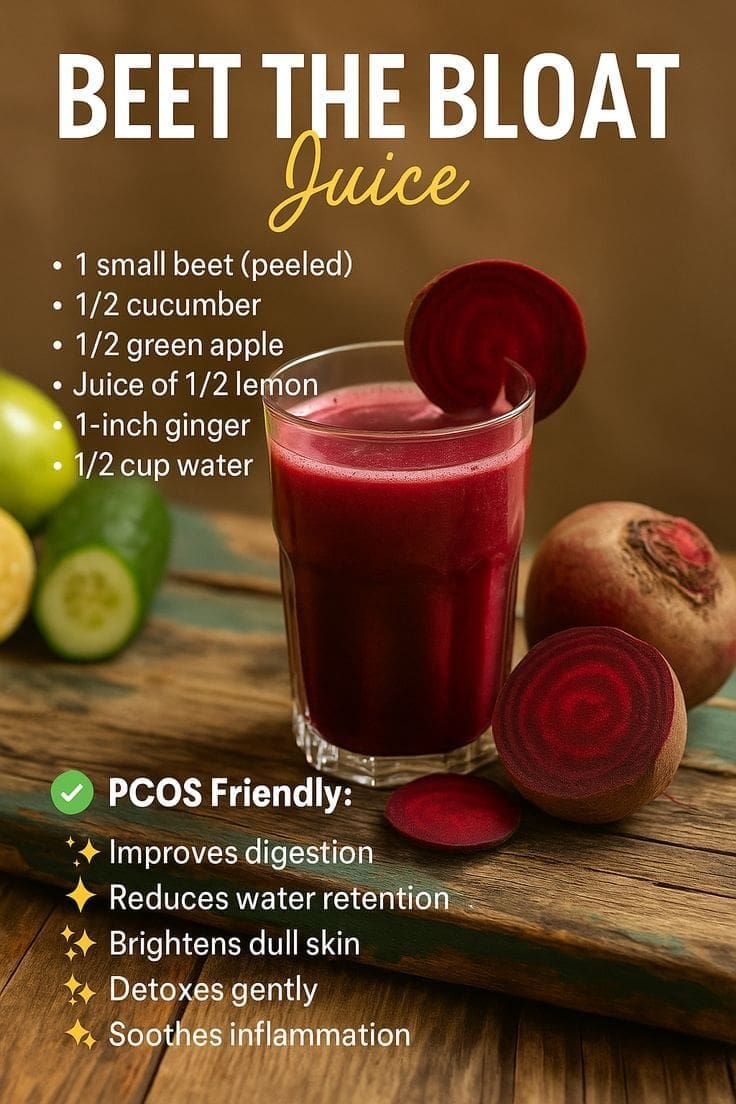
Recipe — Blender Method (fiber-rich smoothie/juice)
If you prefer keeping fiber and making a thicker juice or green smoothie, use a blender.
- Wash and prepare produce as above.
- Chop beetroot into small cubes to ease blending. If you’re concerned about texture, you can lightly steam or roast the beet, cool it, and then blend.
- Add spinach, apple, beetroot, ginger, and citrus to the blender. Add 1/2 cup water and ice if desired.
- Blend on high until smooth, 45–90 seconds depending on blender strength.
- If you prefer a thinner juice, strain through a fine mesh strainer, nut milk bag, or cheesecloth. Press the pulp to extract more liquid.
- Taste and adjust with more citrus, water, or a pinch of salt if needed. Serve immediately.
Notes for the blender method
Keeping fiber makes this more of a meal replacement or snack that aids fullness. Blended drinks can feel heavier, so adjust portion size based on your hunger and nutrition goals.
Serving size and timing
One batch yields about 2 cups (480–600 ml) depending on juicer/blender yield and produce size. You can drink a single cup as a nutrient boost or split it across two servings.
Drink this juice on an empty stomach or paired with a low-calcium snack to maximize iron absorption. Avoid having it immediately with dairy products or calcium-rich meals.
Nutritional estimate per serving
The following table gives approximate nutrient values for one serving (assuming 2 servings per batch). Values will vary with produce size and juicing method.
| Nutrient | Approximate per serving (1/2 batch) |
|---|---|
| Calories | 100–140 kcal |
| Iron | 2.5–4.0 mg |
| Vitamin C | 30–60 mg (higher with orange) |
| Folate | 60–120 mcg |
| Potassium | 400–600 mg |
| Fiber | 1–4 g (higher if blended) |
| Sugars (natural) | 12–20 g |
Interpreting these numbers
The iron amount is an estimate because plant iron varies with vegetable size, freshness, and processing. Vitamin C is key here: even moderate amounts significantly improve iron uptake. If you need precise tracking for medical reasons, consider nutritional analysis software or lab testing of your specific produce.
Daily iron needs
Your iron needs depend on age, sex, and life stage. Below is a helpful reference table to align your juice intake with typical requirements.
| Group | Recommended Daily Iron |
|---|---|
| Adult men (19–50) | 8 mg |
| Adult women (19–50) | 18 mg |
| Pregnant women | 27 mg |
| Breastfeeding women | 9–10 mg |
| Children (1–3) | 7 mg |
| Children (4–8) | 10 mg |
| Adolescents (9–13) | 8 mg |
| Adolescents (14–18 girls) | 15 mg |
| Adolescents (14–18 boys) | 11 mg |
Using the table
If you’re an adult woman of childbearing age, you’ll likely need more iron daily than a single serving provides. Use this juice as part of a broader eating plan that includes other iron-rich foods or supplements when advised by a healthcare professional.
Tips to maximize iron absorption
You can make the iron in your juice more available by using these simple strategies:
- Add a citrus fruit (lemon, lime, orange) to the recipe to increase vitamin C.
- Avoid consuming tea or coffee within one hour before or after drinking the juice because tannins inhibit iron absorption.
- Separate high-calcium foods (like dairy) by at least one hour from iron-rich meals or snacks.
- Combine the juice with other plant-based iron sources during the day for cumulative effect.
Foods and substances that reduce absorption
Calcium, polyphenols in tea and coffee, and phytates in whole grains and legumes can hinder iron uptake. You don’t need to avoid these entirely, but timing them away from your juice can help.
Foods to pair with the juice
Pair your juice with vitamin C–rich or protein-containing foods to make a balanced mini-meal:
- A handful of almonds or pumpkin seeds (not at the exact same time if you’re maximizing iron, due to calcium content in some nuts; consider timing).
- A small portion of hummus with whole-grain crackers (phytates in grains reduce absorption; offset with citrus timing).
- Greek yogurt is a good protein source but contains calcium, so have it an hour before or after the juice.
Pre- and post-workout use
If you exercise, drink this juice 30–60 minutes before light workouts for a nitrate boost, which may enhance blood flow and performance. For heavy endurance training, pair the juice with a carbohydrate-rich snack for sustained energy.
Safety and potential concerns
You should be aware of a few safety considerations before making this juice a daily habit.
- Beetroot can cause beeturia (pink or red urine/stool) in some people. This is harmless but can be startling.
- Beets and spinach are high in nitrates/oxalates, respectively. If you have a condition sensitive to nitrates (like those on nitrate medication) or a history of kidney stones, consult your clinician.
- Beetroot can lower blood pressure; if you take antihypertensive medication or feel dizzy after drinking a nitrate-rich drink, monitor your response and talk to your provider.
- If you have iron overload or hemochromatosis, avoid regular iron-boosting practices without medical oversight.
Interactions with medications
If you use blood pressure medications, blood-thinning agents, or drugs that interact with dietary nitrates, check with a healthcare professional before adding frequent beetroot intake to your routine.
Storage and make-ahead tips
Fresh juice is best consumed immediately, but here are ways to keep it fresh:
- Store in an airtight, opaque glass container (mason jar works well) and refrigerate. Use within 24–48 hours for best nutrient quality and flavor.
- To minimize oxidation, fill the jar to the top to reduce air exposure. Add a splash of lemon juice, which can help preserve color and vitamin C.
- Freeze excess juice in ice cube trays for single-portion thawing. Thawed juice may separate, so shake before drinking.
Reheating and reheating safety
Avoid heating fresh juice. Warmth accelerates nutrient breakdown and bacterial growth. Serve chilled or at room temperature.
Variations and flavor tweaks
You can adapt this base recipe to suit tastes and nutrient goals.
- For more vitamin C: add extra orange or a bit of pineapple.
- For anti-inflammatory boost: add turmeric and black pepper (black pepper enhances curcumin absorption).
- For digestive comfort: add more ginger or a pinch of cayenne to stimulate circulation.
- For sweeter flavor and extra beta-carotene: add carrot.
- For earthier, more savory notes: add parsley or celery.
Vegan and allergy considerations
This recipe is naturally vegan and gluten-free. If you add ingredients like honey, swap for maple syrup or omit for a vegan option. Watch for cross-contamination if you have severe allergies and use dedicated produce processing equipment.
Troubleshooting common problems
If the juice tastes too earthy or metallic, try these fixes:
- Add more citrus or a sweet apple to balance earthiness.
- Include a small amount of fresh pineapple; bromelain can help break down proteins and adds sweetness.
- Use baby spinach instead of mature spinach for a milder flavor.
If the juice separates after blending or sitting, simply stir or shake before drinking. Separation is natural and harmless.
Comparing juice to iron supplements
This juice is a food-based approach that gives you a mix of nutrients and lower risk of side effects typical of high-dose iron supplements (such as gastrointestinal upset). However, if you have clinically low iron (iron-deficiency anemia), a supplement or medical treatment may be necessary.
Always follow medical advice and laboratory guidance; foods complement but do not replace therapeutic doses when those are indicated.
Frequently asked questions (FAQs)
Q: Will this juice cure iron deficiency? A: This juice can help increase your iron intake, especially when combined with iron-friendly dietary practices, but it’s not a substitute for medical treatment if you have anemia. Test-based guidance from a clinician is the safest approach.
Q: Can children drink this juice? A: Older children can enjoy small portions. For toddlers, limit beetroot due to stronger flavors and potential for staining. Check with a pediatrician for infants.
Q: Is juicing better than blending? A: Juicing provides a concentrated, lighter beverage with less fiber and quicker absorption for some nutrients. Blending retains fiber, which improves fullness and supports digestion. Choose based on your goals.
Q: How often should I drink this juice? A: A few times per week is reasonable for many people. Daily use is fine for many adults but consult your healthcare provider if you have medical conditions or take medications.
Meal plan examples including this juice
Here are two short sample ideas for how to integrate the juice into a day:
- Morning option: One serving of spinach-beetroot juice, a bowl of oatmeal with sliced banana and a sprinkle of chia seeds. Drink juice 30–60 minutes before dairy or calcium-rich foods.
- Afternoon boost: Small serving of the juice with a chickpea salad. Pair the chickpeas later or include extra citrus to support iron absorption.
Use it as part of balanced meals
This juice works best as an enhancement to a varied diet. Combine it with whole grains, legumes, nuts, seeds, and lean protein sources to meet your daily iron and nutrient needs.
Frequently overlooked tips
- Rotate greens: Alternating spinach with other greens like kale and Swiss chard gives variety and reduces accumulation of any single compound (like oxalates) from one source.
- Buy seasonal and local when possible: Fresher vegetables often retain more nutrients.
- Buy organic if you’re concerned about pesticide residues on leafy greens, but washing thoroughly reduces most surface residues.
Final thoughts
This iron-rich juice with spinach and beetroot is an easy, tasty way to support your nutritional goals while enjoying a fresh beverage. Use the juicer or blender method depending on whether you prioritize fiber or a lighter drink, and add citrus for better iron absorption. Always tailor intake to your personal health needs and consult a professional if you have concerns like anemia, medication interactions, or chronic conditions.
If you’d like, I can customize a version of this recipe based on your taste preferences, dietary restrictions, or health goals. Which adjustments would you prefer?
Disclaimer.
This content is for informational and educational purposes only and is not intended as medical advice. Always consult a qualified healthcare professional before making changes to your diet, especially if you have a medical condition, are pregnant, or are taking medication.
As an Amazon Associate, we earn from qualifying purchases