Juicing and mental clarity are closely connected through key nutrients that support brain function. Fresh juices rich in antioxidants, vitamins, and minerals help reduce brain fog, boost focus, and maintain cognitive performance. With the right ingredients, juicing can be a natural way to keep your mind sharp and energized throughout the day.
The Link Between Juicing And Mental Clarity
You’re about to read a practical, evidence-informed guide to how juicing can influence your mental clarity. You’ll learn what juicing really does to your body and brain, which nutrients matter most, how to avoid common pitfalls, and how to create juices that support alertness, memory, and calm focus.
What is juicing?
Juicing is the process of extracting liquid and soluble nutrients from fruits and vegetables while leaving most of the insoluble fiber behind. You can use different types of juicers — centrifugal, masticating, and cold-press — and each method affects texture, nutrient retention, and shelf life differently. When you drink juice, you absorb vitamins, minerals, and phytonutrients more quickly than when you eat whole produce, which can lead to fast changes in energy and cognition.
Types of juicers and how they matter
Different juicers work in different ways, and the method you choose can influence the juice’s nutrient content, yield, and taste. You’ll want to match your device to your goals — whether that’s maximum nutrient retention, quick preparation, or a higher yield from leafy greens.
Table: Juicer types at a glance
| Juicer type | How it works | Pros | Cons |
|---|---|---|---|
| Centrifugal | High-speed spinning separates juice from pulp | Fast, affordable, easy to find | More heat and oxidation; less efficient with greens |
| Masticating (slow) | Crushes and presses produce slowly | Better nutrient retention, higher yield from greens | Slower, more expensive, more parts to clean |
| Cold-press (hydraulic) | Presses produce under high pressure | Excellent nutrient preservation, long shelf life | Expensive, slower, often used commercially |
What is mental clarity?
Mental clarity refers to a state where your thinking feels sharp, calm, and organized. It includes sustained attention, rapid processing speed, working memory, and the ability to switch tasks without confusion. Clarity isn’t only being alert — it’s also the absence of brain fog, fuzzy thinking, distractibility, and sluggish recall.
Key cognitive functions tied to clarity
You’ll notice improved mental clarity when basic cognitive systems work well: attention keeps you focused on tasks, working memory supports problem solving, executive function helps you plan and prioritize, and processing speed determines how fast you can react mentally. Nutrition influences each of these systems through energy availability, neurotransmitter synthesis, blood flow, and inflammation control.
Nutrients in juices that support brain function
Juices can be concentrated sources of nutrients that support the brain. You should know which nutrients promote neurotransmitter production, protect neurons, and improve cerebral blood flow. Below are the most relevant nutrients you’ll often get from juices and why they matter.
Table: Brain-supporting nutrients commonly found in juices
| Nutrient | Common juiced sources | How it supports mental clarity |
|---|---|---|
| Nitrates | Beetroot, celery | Converted to nitric oxide to improve blood flow to the brain |
| Vitamin C | Citrus, kiwi, strawberries | Antioxidant, supports neurotransmitter synthesis, reduces oxidative stress |
| Folate (B9) | Spinach, parsley, beet greens | Needed for methylation and neurotransmitter synthesis |
| Potassium | Banana (in smoothies), orange, beet | Supports cellular function, nerve signaling, and hydration balance |
| Magnesium | Leafy greens like spinach | Involved in neuronal stability and reducing overexcitability |
| Polyphenols / Flavonoids | Blueberries, apples, pomegranate | Antioxidant and anti-inflammatory effects; improve cognition |
| Carotenoids | Carrot, sweet potato | Antioxidant, supports neuronal health and ocular inputs to cognition |
| Vitamin K | Kale, spinach | Supports cerebral blood flow and vascular health |
Phytochemicals and brain health
You’ll find non-vitamin compounds like polyphenols, flavonoids, and betalains (in beets) in many juices. These compounds can reduce inflammation, protect neurons from oxidative damage, and enhance brain plasticity. Polyphenols from berries and pomegranate are particularly studied for their positive effects on memory and learning.
How juicing affects blood sugar and mental clarity
Juices often contain concentrated natural sugars that can raise blood glucose quickly. That spike can give you an immediate energy and focus boost, but it may be followed by a drop in glucose that leaves you feeling foggy or tired. How your body responds depends on the juice composition and whether you consume it with protein, fat, or fiber.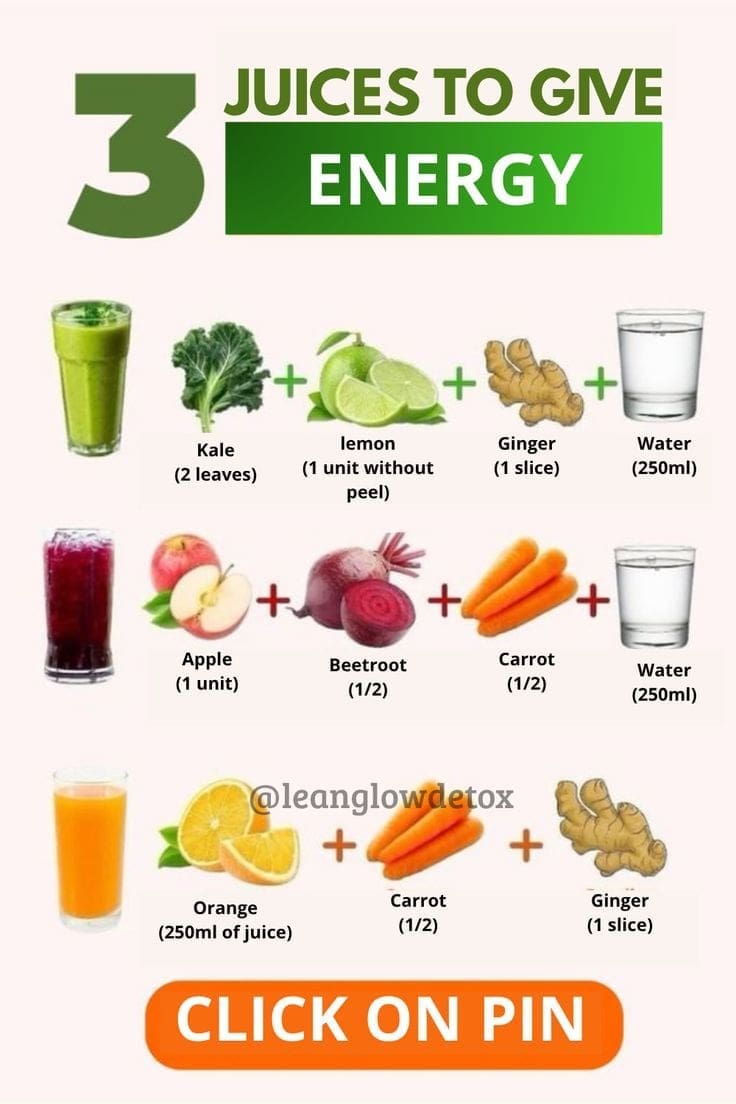
Managing sugar and avoiding crashes
You can prevent short-lived boosts followed by sluggishness by:
- Choosing lower-sugar produce (greens, cucumber, celery, lemon, lime).
- Adding small amounts of healthy fats or proteins (e.g., a spoonful of nut butter after drinking, or paired with Greek yogurt).
- Combining juice with fiber or a whole-food meal.
- Keeping portion sizes moderate — typically 4–8 ounces rather than a full 16-ounce serving if the juice is fruit-heavy.
Table: Common juicing ingredients and relative sugar content (general)
| Ingredient | Approx. sugar per 8 oz of juice* | Note |
|---|---|---|
| Apple | High | Sweet and palatable; raises glucose quickly |
| Orange | Moderate-high | Good vitamin C; watch portions |
| Carrot | Moderate | Contains natural sugars but provides carotenoids |
| Beet | Moderate | High in nitrates; moderate sugar |
| Spinach | Low | Minimal sugar; rich in folate and magnesium |
| Cucumber | Very low | Hydrating and low in sugar |
| Celery | Very low | Low-calorie, nitrate content varies |
| *Values vary by produce weight and juicer efficiency. |
Short-term effects of juicing on cognition
When you drink a nutrient-rich juice, some effects can appear quickly:
- Immediate hydration, which supports attention and mood.
- Rapid glucose availability that can enhance alertness within 15–30 minutes.
- Some phytonutrients can acutely increase cerebral blood flow (notably beet nitrates) leading to improved attention and processing speed.
How long short-term effects last
Short-term boosts usually last a few hours. The duration depends on the sugar content, your metabolic state, and whether you followed the juice with other macronutrients. If you want sustained focus, plan your juices as part of a balanced meal strategy rather than your only nutritional source.
Long-term effects of regular juicing
Over weeks and months, consistent intake of vegetable- and fruit-based juices can influence long-term brain health. The potential benefits you might observe include reduced systemic inflammation, improved endothelial function (blood vessel health), and better nutrient status for vitamins and antioxidants.
Mechanisms for long-term improvements
You’ll benefit long-term through:
- Reduced oxidative stress on neurons from antioxidants.
- Better vascular health from nitrates and polyphenols, supporting blood flow to the brain.
- Improved nutritional sufficiency (e.g., folate and vitamin C), which supports neurotransmitter production and myelin maintenance.
Note that long-term benefits depend on juice composition and overall dietary pattern. Juicing cannot fully substitute for a diet rich in whole vegetables, whole grains, lean proteins, and healthy fats.
Best juices and ingredients for mental clarity
You’ll get the most reliable cognitive benefits by focusing on juices that combine nitrates, antioxidants, low sugar, and anti-inflammatory compounds. Below are some high-impact ingredient combinations and why they work.
Table: Targeted juice blends for mental clarity
| Juice name | Key ingredients | Cognitive benefits |
|---|---|---|
| Beet Boost | Beet, apple, lemon, ginger | Nitrates for blood flow, vitamin C, anti-inflammatory ginger |
| Green Focus | Spinach, cucumber, celery, green apple | Folate, magnesium, low sugar, hydrating |
| Blueberry Memory | Blueberries, beet, lemon | Polyphenols + nitrates for memory and blood flow |
| Carrot Calm | Carrot, orange, turmeric, black pepper | Carotenoids, vitamin C, anti-inflammatory curcumin (with pepper to aid absorption) |
| Citrus Zing | Grapefruit or orange, lime, ginger | Vitamin C, fast energy, anti-inflammatory ginger |
Example recipe: Beet Boost (mental clarity juice)
You’ll need:
- 1 small beet (washed, trimmed)
- 1 medium apple (for palatability)
- 1/2 lemon (peeled)
- 1-inch piece of ginger
Why it works: Beets supply nitrates that convert to nitric oxide, improving cerebral blood flow. Lemon adds vitamin C and bright flavor, apple moderates bitterness, and ginger reduces inflammation and supports digestion.
How to incorporate juicing into your routine safely
Juicing can be a part of your routine without compromising other aspects of your health if you follow some basic guidelines. You’ll want to think about frequency, portion size, pairing with meals, and variety.
Practical tips for safe integration
- Limit fruit-heavy juices to 4–8 ounces and prioritize vegetable-based blends.
- Keep at least one solid meal or snack with protein and healthy fat near your juice to stabilize glucose.
- Rotate ingredients to avoid accumulating excess of a single compound (e.g., oxalates from spinach).
- Use juicing as a supplement to whole foods, not a replacement for balanced meals.
Risks and precautions
Juicing has benefits, but it isn’t free from risks. You should consider blood sugar effects, medication interactions, dental health, and loss of dietary fiber.
Key concerns to watch
- Blood sugar spikes: If you have diabetes or insulin resistance, fruit juices can be problematic unless managed carefully. Test your blood sugar and consult with a healthcare provider.
- Medication interactions: High-vitamin K juices (kale, spinach) can interfere with blood-thinning medications like warfarin. If you take anticoagulants, check with your clinician.
- Dental erosion: Acidic or sugary juices can damage tooth enamel. Use a straw, rinse with water, or wait before brushing.
- Nutrient imbalance: Relying solely on juice can lead to inadequate protein, essential fats, and fiber intake.
- Gastrointestinal issues: Removing fiber can change gut transit and microbiome composition. Some people may experience changes in bowel habits.
Juicing vs. whole fruits and vegetables
You’ll want to weigh the benefits of juicing against the advantages of whole foods. Juicing is not inherently superior; it provides convenience and concentrated nutrients but loses fiber and satiety.
Table: Juicing vs. blending vs. whole produce
| Feature | Juicing | Blending (smoothies) | Whole fruits/vegetables |
|---|---|---|---|
| Fiber | Low | High (if whole) | High |
| Absorption speed | Fast | Moderate | Slowest |
| Satiety | Lower | Higher | Highest |
| Nutrient concentration | Can be high per oz | High if whole ingredients used | Variable based on portions |
| Convenience | Quick to drink | Quick to drink | Requires chewing and preparation |
Making a smart choice
If your goal is sustained energy and fullness, pairing blended or whole-food options with proteins and fats is often better. Use juicing strategically — for a morning nitrate boost, a quick vitamin hit, or to increase vegetable intake when you struggle to eat enough greens.
Combining juicing with other lifestyle factors
Juicing will have greater impact when combined with sleep hygiene, regular movement, stress management, and cognitive stimulation. You’ll notice better mental clarity if nutritional improvements are part of a holistic approach to health.
Simple lifestyle pairings that enhance cognitive benefits
- Sleep: Aim for consistent, restorative sleep to allow nutrition to support neural repair and consolidation.
- Exercise: Cardiovascular exercise complements nitrate-rich juices by improving vascular health.
- Stress management: Practices like breathing, mindfulness, or short breaks reinforce the brain benefits of better nutrition.
- Hydration: Many juices contribute to hydration, but you still need water throughout the day.
Monitoring effects and measuring mental clarity
If you’re experimenting with juicing, it’s useful to track how you feel and measure objective markers where possible. You’ll get clearer answers if you change one variable at a time.
Ways to track changes
- Subjective journaling: Note alertness, mood, focus, and sleep quality daily.
- Cognitive tests: Use simple online attention or memory tests to record changes.
- Physiological markers: Monitor blood pressure (nitrates can lower it), fasting glucose, or basic bloodwork for inflammation markers if possible.
- Consistency: Try a 2–4 week period of consistent juicing to assess effects, then evaluate.
Troubleshooting common juicing problems
You’ll encounter taste, storage, and digestive issues sometimes. Here are practical fixes:
- Too sweet: Add more greens, cucumber, or lemon to cut sugar.
- Bitter greens: Mix in apple, pear, or a splash of orange to balance bitterness.
- Quick spoilage: Store cold, use within 24–48 hours, and consider adding lemon to reduce oxidation.
- Stomach upset: Start with smaller portions and increase slowly; include ginger for settling.
Sample 7-day juicing plan focused on mental clarity
This plan offers daily morning juices with moderate portions to support cognition while encouraging whole-food meals for satiety. Each juice is approximately 6–8 ounces.
Day 1: Beet Boost (beet, apple, lemon, ginger) — nitrate and vitamin C start. Day 2: Green Focus (spinach, cucumber, celery, green apple) — folate and hydration. Day 3: Blueberry Memory (blueberries, beet, lemon) — polyphenols and nitrates. Day 4: Carrot Calm (carrot, orange, turmeric, black pepper) — carotenoids and curcumin. Day 5: Citrus Zing (grapefruit/orange, lime, ginger) — vitamin C and alertness. Day 6: Kale Refresher (kale, cucumber, green apple, lemon) — vitamin K, folate, magnesium. Day 7: Root Renew (beet, carrot, apple, lemon) — balanced nitrates and carotenoids.
Pair each juice with a protein-rich breakfast or mid-morning snack such as Greek yogurt with nuts, a small omelet, or a protein smoothie to prevent sugar crashes.
Frequently asked questions
Q: How soon will you notice improvements in mental clarity? A: You might notice a short-term boost within 30–90 minutes from hydration and glucose, and vascular effects from nitrates can show within hours. Longer-term changes in inflammation and nutrient status typically require weeks to months.
Q: Can juicing help with brain fog from poor sleep? A: Juicing can help acutely by improving hydration and providing antioxidants, but sleep quality has the strongest effect on chronic brain fog. Use juice as a supplement alongside improved sleep habits.
Q: Are there specific juices to avoid if you’re on medication? A: Yes. Juice high in vitamin K (kale, spinach) can interact with warfarin. Also be cautious with grapefruit if you take certain medications. Always check with your healthcare provider.
Q: Is juicing better than eating whole vegetables for brain health? A: Not better in all ways. Juicing increases nutrient bioavailability and convenience but removes fiber and reduces satiety. Use both methods depending on your goals.
Q: How should you store juice? A: Store in the refrigerator in an airtight container and consume within 24–48 hours. Cold-pressed juices can keep slightly longer due to reduced oxidation, but fresher is generally better.
Q: Can kids or older adults benefit from juicing? A: They can, but tailor portions and ingredients. Young children shouldn’t replace meals with juice; older adults should consider medication interactions and blood sugar sensitivity.
Practical shopping list for clarity-focused juicing
You’ll want a mix of leafy greens, low-sugar vegetables, a few fruits for palatability, and spices/herbs for anti-inflammatory effects.
- Beets (small)
- Spinach and/or kale (rotate)
- Cucumber
- Celery
- Carrots
- Apples (preferably tart varieties)
- Citrus (lemon, lime, orange)
- Blueberries or other berries (use in moderation; can be frozen)
- Ginger and turmeric root
- Parsley or cilantro (for folate and flavor)
- Black pepper (to activate turmeric)
Final considerations and actionable takeaways
You should view juicing as a targeted tool, not a cure-all. It can give you immediate hydration, concentrated antioxidants, and nitrates that together support short-term and long-term mental clarity. To maximize benefits and reduce risks:
- Prioritize vegetable-based juices and keep fruit content moderate.
- Pair juices with protein and healthy fats when possible.
- Rotate ingredients and monitor for medication interactions.
- Use juicing alongside good sleep, exercise, and stress management.
- Track your cognitive changes with a journal or simple tests.
If you have underlying health conditions such as diabetes, cardiovascular disease, kidney issues, or are on medications affected by dietary vitamins or grapefruit, consult your healthcare provider before starting a regular juicing regimen. By combining thoughtful juicing choices with a balanced lifestyle, you’ll give your brain reliable nutritional support and a better chance at sustained mental clarity.
Disclaimer
This content is for informational and educational purposes only and is not intended as medical advice. Always consult a qualified healthcare professional before making changes to your diet, especially if you have a medical condition, are pregnant, or are taking medication
As an Amazon Associate, we earn from qualifying purchases