
Combining proper nutrition with regular movement is key to long-term health. Juicing and exercise work together by providing easily absorbed nutrients that support energy, recovery, and performance. When timed correctly, fresh juices can complement workouts and help your body get the most out of physical activity.
How To Combine Juicing With Exercise For Best Results
This article shows you how to pair juicing and exercise effectively so your performance, recovery, and overall health improve. You’ll get practical guidance on timing, recipes, nutrient balance, and safety so you can make juicing work for your specific fitness goals.
Why Combine Juicing and Exercise?
You’ll want to know how juicing can influence energy levels, recovery, and nutrient intake around workouts. Juicing can be a concentrated, quick way to deliver vitamins, minerals, and carbohydrates that support exercise, especially when whole-food intake is limited.
Benefits of Using Juices Around Workouts
Juices can provide rapid hydration and quickly absorbed carbohydrates to fuel high-intensity sessions. They can also deliver antioxidants and micronutrients that may support recovery and reduce oxidative stress after challenging workouts.
Limitations and Things to Watch For
Juices often lack fiber and may be calorie-dense depending on ingredients, which means they aren’t always a complete meal replacement. You’ll need to plan your juice compositions and timing to avoid energy crashes or insufficient protein for muscle repair.
Understanding Your Goals and Nutritional Needs
Before you design a juicing plan, you should be clear about what you want to achieve with your exercise program. Different goals—fat loss, muscle gain, endurance, or general health—require different macronutrient and calorie strategies.
Matching Juicing to Your Fitness Goals
If you’re aiming for endurance, you’ll prioritize carbohydrate-rich juices for glycogen replenishment and quick fuel. For strength or hypertrophy, you’ll need to ensure adequate protein and overall calories; juicing alone rarely provides enough protein, so you’ll combine it with protein sources.
Calculating Your Daily Energy and Macronutrient Needs
You should estimate your daily calorie needs based on activity level, age, sex, and body composition goals. Once you know your calorie target, allocate appropriate portions to carbohydrates, proteins, and fats, then decide how juices will contribute to those totals.
Timing: When to Drink Juices for Best Performance
Timing matters because the body’s nutrient priorities change before, during, and after exercise. You’ll want to schedule juices to optimize fuel availability and recovery processes.
Pre-Workout Juices: When and Why
Consume a carbohydrate-focused juice about 30–90 minutes before moderate to intense workouts to boost blood glucose and delay fatigue. Keep portions moderate (200–350 ml) and avoid excessive sugar if you’re prone to gastrointestinal upset.
During-Workout Juices: Endurance and Long Sessions
During long endurance sessions lasting over 60–90 minutes, simple carbohydrate drinks can help maintain blood glucose. You can use diluted fruit juice or homemade electrolyte juices to provide continuous energy without heavy stomach load.
Post-Workout Juices: Recovery and Replenishment
After exercise, your body needs carbohydrates to replenish glycogen and protein to repair muscle. Juices rich in carbohydrates and micronutrients are excellent for immediate glycogen restoration, but you should pair them with a protein source within 30–60 minutes for optimal recovery.
What to Put in Your Juices: Ingredients and Their Roles
Choosing the right ingredients will determine whether your juice fuels performance or just tastes good. You’ll focus on carbohydrate sources, electrolytes, anti-inflammatory compounds, and occasionally protein-boosting additions.
Carbohydrate Sources for Quick Energy
Fruits like bananas, apples, oranges, and grapes provide rapidly absorbed sugars to fuel exercise. Root vegetables like beets and carrots also supply carbohydrates plus beneficial nitrates and antioxidants.
Electrolytes and Hydration
Cucumber, celery, coconut water, and a pinch of salt can supply electrolytes such as potassium and sodium that help maintain fluid balance during exercise. You should include electrolytes especially for longer workouts or sessions in heat.
Antioxidants and Anti-Inflammatory Ingredients
Berries, spinach, kale, ginger, and turmeric offer antioxidants and anti-inflammatory compounds that may support recovery. These won’t replace rest or proper nutrition but can complement your recovery strategy.
Protein and Fat Considerations
Juices are low in protein and healthy fats unless you add targeted ingredients; consider pairing a post-workout juice with a protein shake or adding a scoop of unflavored protein powder to thicker juice blends rather than pure juiced liquids. Small amounts of nut butter or avocado are better in smoothies than juices because juicers separate solids and liquids.
Juicing vs Blending: Which Is Better for Your Workout?
You’ll see both methods used, but they serve different nutritional goals. Juicing extracts liquids and separates fiber, while blending retains fiber and whole-food components.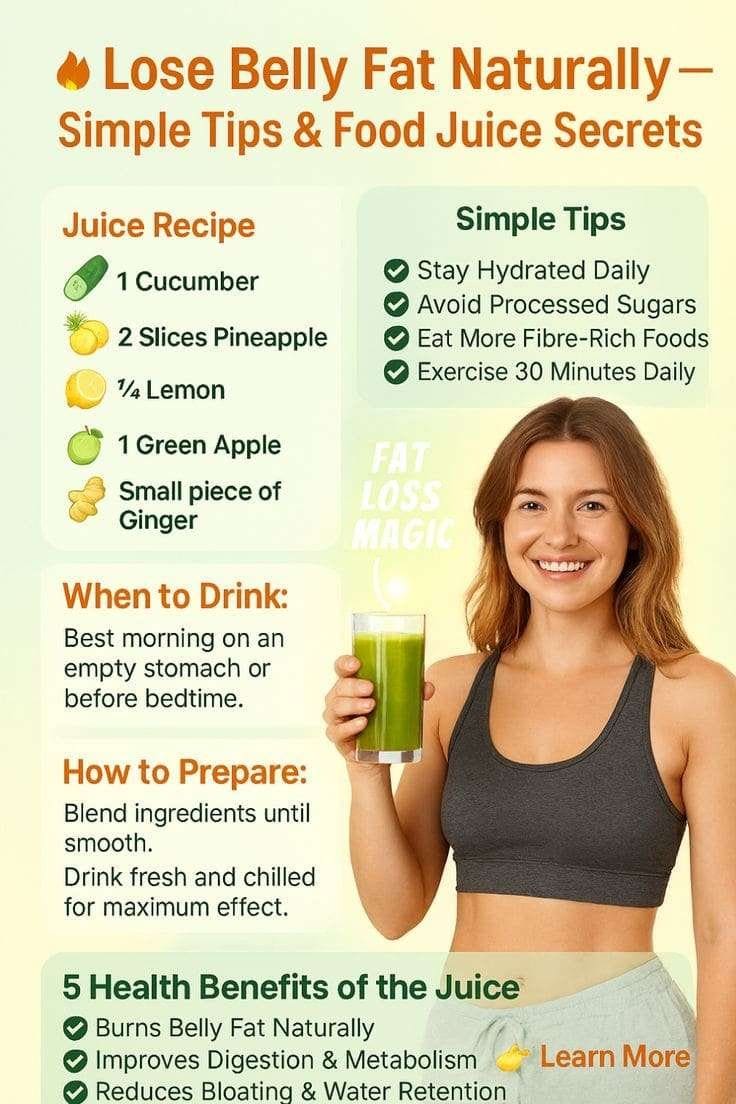
Pros and Cons of Juicing
Juicing delivers concentrated nutrients quickly and is easy to digest, which can be useful before or during workouts. However, you’ll lose fiber and may experience faster blood sugar spikes, so you should use juices thoughtfully.
Pros and Cons of Blending
Blended smoothies keep fiber and tend to be more filling and balanced, which makes them better meal replacements for post-workout recovery or when you need sustained energy. They’re not always ideal for immediate pre-workout fuel if you prefer faster digestion.
Sample Juice Recipes for Different Training Needs
Here are practical recipes designed for pre-workout, during-workout, and post-workout scenarios. Each recipe focuses on specific nutrients and provides guidance on portion sizes.
| Purpose | Ingredients | Key Benefits | Suggested Portion |
|---|---|---|---|
| Pre-Workout Energy Booster | 1 medium apple, 1 small beet, 1 carrot, 1/2 lemon, pinch of ginger | Quick carbs, nitrates for blood flow, vitamin C | 250–300 ml, 30–60 min before |
| Endurance In-Session Hydrator | 300 ml coconut water, 1/2 cup watermelon juice, pinch of sea salt | Electrolytes, easily absorbed sugars | 150–250 ml every 20–30 min |
| Post-Workout Recovery Juice | 1 banana (mashed then blended), 1 cup orange juice, 1/2 cup pineapple, handful spinach | Carbohydrates, vitamin C, potassium, antioxidants | 300–400 ml plus 20–30 g protein |
| Anti-Inflammatory Recovery | 1 apple, 1/2 cucumber, 1 inch turmeric, 1 inch ginger, 1/2 lemon | Anti-inflammatory compounds, hydration | 250–350 ml after cool-down |
Notes on Portions and Combining with Protein
You’ll notice some recipes blend ingredients for texture; if using a juicer, you’ll need to adjust texture and consider pairing with a protein shake. For post-workout recovery, add at least 20 grams of protein from a separate source if your juice doesn’t contain protein.
Sample Daily Schedule: Juicing Around Different Workouts
This schedule gives you examples for morning cardio, midday strength sessions, and evening classes, showing when juices fit best.
| Training Time | Pre-Workout | During Workout | Post-Workout |
|---|---|---|---|
| Morning fasted cardio (30–45 min) | Small 150–200 ml fruit juice 20–30 min before if needed | Not usually necessary | 300–400 ml recovery juice + protein shake |
| Midday strength (60–75 min) | 250–300 ml carb-rich juice 45–60 min prior | Sip electrolyte juice if long | Recovery juice + solid protein-rich meal within 60 min |
| Evening group class (45–90 min) | 200–300 ml juice 30–45 min before | Small sips if class >60 min | Anti-inflammatory juice + balanced dinner with protein |
Adjusting Volume Based on Intensity and GI Tolerance
You should tailor volumes to your intensity level and stomach sensitivity. If you experience bloating or discomfort, reduce the volume and increase the time gap before exercise.
Combining Juices with Solid Foods and Supplements
Juices work best when integrated into an overall dietary plan rather than used in isolation. You’ll pair juices with protein, healthy fats, and whole foods when appropriate.
Pairing Post-Workout Juice with Protein Sources
After resistance training, pair a juice with whey, pea, or soy protein shakes, Greek yogurt, cottage cheese, or a small chicken/egg-based meal. This combination supports muscle protein synthesis and glycogen replenishment.
Using Supplements Safely with Juices
You can mix most powdered supplements into thicker juice blends or smoothies. Be cautious with stimulant-containing pre-workout supplements and concentrated nitrate supplements. If you take medications, especially for blood pressure or blood thinning, consult a healthcare provider before using concentrated beet or green juices.
Practical Tips for Making and Storing Juices
You’ll find juicing effective when you follow some simple prep and storage rules to preserve nutrients and reduce food waste.
Best Practices for Juicing and Storage
Juice immediately for maximum nutrient potency; store in sealed glass containers in the fridge for up to 24–48 hours to minimize oxidation. Use a vacuum-sealed bottle if you must store longer and consume chilled.
Hygiene and Equipment Care
Clean your juicer right after use to avoid bacterial growth and residue buildup. Disassemble and rinse filter components and blades; use a brush and mild soap for thorough cleaning.
Safety Considerations and Contraindications
Certain populations need to be cautious with juicing, and you should know when to limit or modify juice intake.
Who Should Be Careful with Juices
If you have diabetes, kidney disease, or take medications like blood thinners, you should consult a healthcare provider before consuming concentrated juices. High sugar content in some juices can affect blood glucose control and kidney load.
Signs You Need to Modify Your Approach
If you experience frequent digestive upset, irregular blood sugar readings, or unwanted weight gain, adjust your juices’ composition and timing. Also, watch for changes in energy, sleep, or performance that suggest the current strategy isn’t optimal.
Special Considerations for Different Training Styles
Your sport or training modality changes what you need from juices. You’ll tailor juice composition for endurance, strength, HIIT, or weight loss goals.
Endurance Athletes
You’ll benefit from steady carbohydrate availability and electrolyte replacement during long sessions. Use diluted fruit juices and coconut water during prolonged efforts, and focus on quick carbs immediately post-run or ride.
Strength and Power Athletes
Your priority is protein and calories in the post-workout window to support muscle repair. Use juices primarily for carbohydrate replenishment and antioxidants, and always pair with quality protein and a balanced meal.
HIIT and Short Intense Workouts
These sessions require both quick carbs and recovery protein. Small pre-workout juices can boost sprint performance, while post-workout protein is crucial for adaptations and recovery.
Evidence: What Research Says About Juicing and Exercise
You should understand the scientific rationale and limitations behind juicing strategies. Research supports the roles of carbohydrates, electrolytes, and certain nutrients, but many claims around juicing are broader than the evidence.
Carbohydrates and Performance
Studies consistently show that consuming carbohydrates before and during prolonged exercise improves performance and delays fatigue. Juices are a practical source of quickly absorbable sugars when whole foods aren’t feasible.
Beets and Nitrate-Rich Juices
Beet juice has evidence supporting improved endurance and efficiency through nitrate pathways that enhance blood flow. However, effects vary by individual and training status, and benefits are more pronounced in submaximal endurance efforts.
Common Myths and Misconceptions
You’ll encounter marketing claims that aren’t fully supported by evidence. Knowing myths helps you make choices based on facts, not hype.
Myth: Juices Detoxify Your Body
While juices provide antioxidants and hydration, your liver and kidneys perform detoxification; juices can’t replace organ function. Use juices to support a healthy diet rather than relying on them for “cleansing.”
Myth: Juices Always Help Weight Loss
Juices can be calorie-dense and lack fiber, which may hinder satiety and promote overeating if they replace balanced meals. Weight loss depends on creating a calorie deficit, so count juice calories toward your daily total.
Tracking Progress and Adjusting Your Plan
You’ll monitor performance, recovery, body composition, and how you feel to see if your juice+exercise plan is working. Small adjustments based on objective and subjective data will optimize results.
Metrics to Track
Track workout performance (times, reps, RPE), body composition, energy levels, sleep quality, and any GI symptoms. Use a training log or app to correlate juice timing and composition with performance outcomes.
How to Make Adjustments
If performance or recovery doesn’t improve, increase protein intake post-workout, reduce sugar concentration, or alter timing. You may also switch from pure juice to blended smoothies to improve satiety and nutrient density.
Cost, Time, and Sustainability Considerations
Juicing can be time-consuming and expensive if you use many produce items daily. You’ll want to balance cost, environmental impact, and time with your health goals.
Reducing Waste and Cost
Buy seasonal produce, freeze portions for later juicing, and repurpose pulp in cooking or composting to get the most value. Making juices in batches and using nutrient-dense ingredients can also reduce costs.
Environmental and Practical Tips
Choose local produce when possible and use reusable glass bottles. Consider investing in a quality juicer to minimize waste and improve yield, and plan recipes around what’s on sale.
Frequently Asked Questions (FAQs)
This section answers common practical concerns you may have about juicing and exercise. Each answer helps you apply the guidance to daily routine.
Can Juicing Replace Meals?
Juices rarely provide enough protein and fiber to be a complete meal for active individuals, especially after resistance training. Use juices as supplements or in combination with balanced meals and protein sources.
How Much Juice Is Too Much?
Consuming large volumes of high-sugar juice every day can lead to excess calorie intake and blood sugar issues. Keep serving sizes moderate, include vegetables, and balance with whole foods and protein.
Is It Better to Make Juice at Home or Buy Store-Bought?
Home juicing gives you control over ingredients, freshness, and cost, while cold-pressed store-bought juices can be convenient but more expensive. Check labels for added sugars and preservatives when purchasing.
Sample 7-Day Plan Combining Juicing and Exercise
This sample plan gives you a week-long example that pairs different juice types with varied workouts. You’ll adjust portions and ingredients according to your caloric needs.
| Day | Workout | Pre-Workout Juice | Post-Workout Strategy |
|---|---|---|---|
| Mon | Morning 30-min run | 200 ml apple-beet juice 30 min before | 300 ml orange-banana juice + 20 g protein |
| Tue | Strength (full body) | 250 ml carrot-apple juice 45 min before | Recovery juice + chicken or protein shake |
| Wed | Rest or light yoga | No pre-workout juice needed | Anti-inflammatory turmeric juice with snack |
| Thu | HIIT session | 200 ml watermelon-coconut water 30 min before | Recovery juice + balanced meal within 60 min |
| Fri | Long bike ride (90 min) | Small mixed fruit juice 60 min before | During: sips of electrolyte juice; Post: carb-protein combo |
| Sat | Strength (upper body) | 250 ml apple-ginger juice 45 min before | Post: smoothie with protein and oats |
| Sun | Active recovery walk | Optional small juice for energy | Light anti-inflammatory juice and nutrient-rich meals |
How to Personalize the Plan
Adjust portion sizes, carb content, and timing according to workout intensity, body weight, and personal tolerance. Substitute ingredients for allergies and preferences while keeping the nutrition balance.
Final Tips to Succeed with Juicing and Exercise
Small consistent habits give you the best results. You’ll focus on nutrient timing, pairing juices with protein when needed, and listening to how your body responds.
Key Takeaways
Use juices for quick carbohydrates, hydration, and micronutrients around workouts, but don’t rely on them for protein or fiber. Time your juices to match your training, pair them with protein for recovery, and tailor composition to your sport and goals.
Getting Started Checklist
- Define your fitness goals and calorie needs.
- Choose juices for pre-, during-, and post-workout use.
- Pair post-workout juices with a protein source.
- Monitor performance and adjust timing and composition.
- Keep hygiene and storage best practices in mind.
If you follow this guidance, you’ll increase the likelihood that juicing enhances your training rather than undermines it. Try a few recipes, track how you feel, and adjust until you find the combination that works best for your body and your goals.
Recommended Book:
Move Better, Live Better: Simple daily mobility routines for longevity
Disclaimer
This content is for informational and educational purposes only and is not intended as medical advice. Always consult a qualified healthcare professional before making changes to your diet, especially if you have a medical condition, are pregnant, or are taking medication
As an Amazon Associate, we earn from qualifying purchases