Stress affects both the mind and body, making proper nutrition more important than ever. Juicing for stress management helps deliver key vitamins, minerals, and antioxidants that support the nervous system and promote balance. When paired with healthy lifestyle habits, fresh juices can be a simple and natural way to support calmer, more focused days.
How Juicing Helps With Stress Management
You’ll find that juicing can be a practical, enjoyable strategy to support your stress management toolkit. This article explains how specific nutrients in juices, simple daily rituals, and mindful preparation can work together to help calm your body and soothe your mind.
Why Stress Management Matters
Managing stress matters because chronic stress affects your physical health, mental clarity, and emotional resilience. When you prioritize stress management, you reduce long-term risks like cardiovascular disease and mental health decline while improving daily functioning.
The impact of chronic stress on your body
Chronic stress triggers prolonged release of stress hormones like cortisol and adrenaline, which can raise blood pressure, disrupt sleep, and impair immune function. You may notice physical symptoms like headaches, digestive issues, muscle tension, and persistent fatigue when stress becomes chronic.
Mental and emotional consequences
Your thinking, mood, and motivation are all vulnerable to ongoing stress, which can lead to anxiety, depression, brain fog, and difficulty concentrating. Managing stress can help restore your emotional balance, improve decision-making, and increase your capacity to cope with life’s demands.
What Is Juicing?
Juicing extracts liquid from fruits and vegetables, concentrating vitamins, minerals, and plant compounds into a drinkable form. It’s different from eating whole produce: juices deliver nutrients quickly, can be easier on digestion for some people, and provide a convenient way to increase your intake of greens and other stress-relieving foods.
Types of juicing
You can use centrifugal juicers, masticating (slow) juicers, or cold-press methods; each preserves nutrients differently and affects texture and shelf life. Cold-pressed or masticating juicers typically retain more nutrients and produce less heat, which may help preserve delicate enzymes and antioxidants.
Juice vs smoothies
Smoothies blend whole fruits and vegetables, keeping fiber intact, while juices remove most solids and fiber. If you have digestive sensitivity or want rapid nutrient absorption, juice can be useful; if you want more satiety and fiber, smoothies are a better fit.
| Feature | Juice | Smoothie |
|---|---|---|
| Fiber content | Low | High |
| Nutrient density per volume | High | Moderate |
| Digestion speed | Faster | Slower |
| Satiety | Lower | Higher |
| Best for | Quick nutrient uptake | Sustained fullness |
Nutrients in Juices That Help Reduce Stress
Certain vitamins, minerals, and antioxidants common in juices support systems involved in stress response and mood regulation. When you choose the right ingredients, you give your body building blocks that may help regulate hormones, reduce inflammation, and support brain function.
Vitamin C
Vitamin C is abundant in citrus fruits, kiwi, and many leafy greens, and plays a role in lowering cortisol responses to stress. You’ll also benefit from vitamin C’s antioxidant properties, which protect cells from oxidative stress linked to chronic psychological strain.
B vitamins (B6, B12, folate)
B vitamins support energy metabolism and neurotransmitter synthesis, helping your body produce serotonin and dopamine, which influence mood. Juices with beets, leafy greens, and certain fruits can supply these vitamins, though B12 usually requires animal foods or fortified sources.
Magnesium
Magnesium is a mineral that helps regulate the nervous system, muscle relaxation, and sleep quality, all of which are crucial under stress. Juicing leafy greens, cucumber, and certain seeds (if you incorporate them) can contribute to your magnesium intake, supporting relaxation and mood stability.
Potassium
Potassium helps balance electrolytes, supports cardiovascular function, and can influence blood pressure responses under stress. Ingredients like spinach, beet greens, cucumbers, and bananas (in smoothies) provide potassium that can help your body respond better to stressors.
Antioxidants and phytochemicals
Flavonoids, betalains, carotenoids, and polyphenols found in berries, beets, carrots, and leafy greens combat oxidative stress and inflammation. These plant compounds not only protect cells but may also support cognitive function and mood regulation when consumed regularly.
| Nutrient/Compound | Common Juice Sources | Potential Stress-Related Benefit |
|---|---|---|
| Vitamin C | Orange, grapefruit, kiwi, kale | Lowers cortisol spike; antioxidant protection |
| B vitamins | Beet greens, spinach, parsley | Neurotransmitter support; energy metabolism |
| Magnesium | Spinach, swiss chard, cucumber | Muscle relaxation; sleep support |
| Potassium | Beetroot, spinach, celery | Electrolyte balance; blood pressure regulation |
| Polyphenols/Flavonoids | Berries, apples, cherries | Anti-inflammatory; cognitive support |
How Juicing Affects Stress Physiology
Juicing may influence the physiological pathways that determine how you feel under pressure by delivering nutrients that interact with hormones, inflammation, and metabolic processes. Although juicing won’t eliminate stressors, it can help optimize the biological systems that shape your stress responses.
Cortisol regulation
Certain nutrients like vitamin C and magnesium can help modulate cortisol release and reduce exaggerated stress responses. When you consume these nutrients regularly through juices, you may notice improved resilience to acute stressors.
Blood sugar stabilization
Ingredients that combine low-glycemic vegetables with small amounts of fruit help maintain stable blood glucose, which is crucial because blood sugar spikes and crashes can intensify anxiety and irritability. By keeping your juices balanced, you reduce the risk of reactive mood swings tied to glucose fluctuations.
Inflammation reduction
Chronic inflammation is linked to mood disorders and heightened stress sensitivity, and anti-inflammatory compounds in many fruits and vegetables can support systemic balance. Regular intake of antioxidant-rich juices may help lower inflammatory markers over time.
Gut-brain axis and microbiome
While juicing removes fiber, it still delivers polyphenols and micronutrients that feed your gut microbes indirectly and support gut lining health. A healthier gut environment can communicate more positive signals to your brain, which may contribute to better mood regulation and stress resilience.
Psychological Benefits of Juicing
Beyond the biochemical effects, juicing offers psychological gains through routine, sensory experience, and the sense that you are taking proactive steps to care for yourself. Those intangible benefits can be powerful contributors to reduced perceived stress.
Ritual and mindful practice
Preparing and drinking fresh juice can become a calming ritual that provides structure and a moment of pause in your day. When you make juicing a mindful habit, you get the combined benefits of nutrition and a short, restorative break.
Sense of control and empowerment
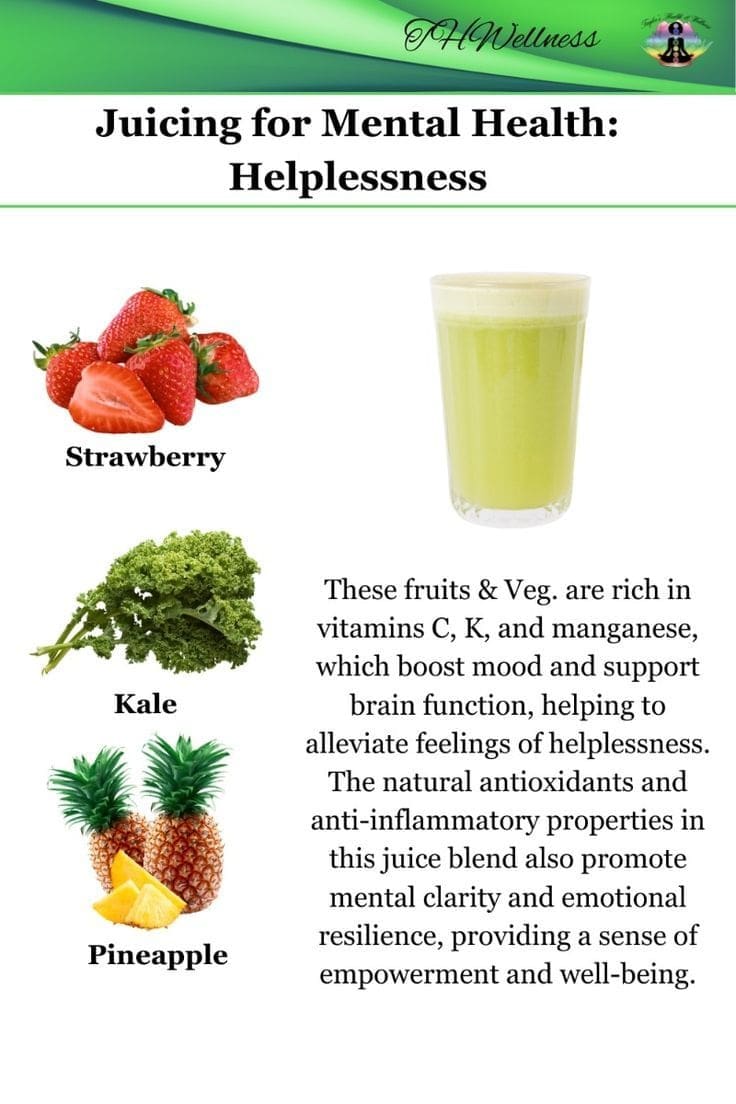
Choosing to nourish yourself with fresh ingredients gives you a feeling of agency during stressful times, which can counteract helplessness. That sense of control often translates into more confidence and better coping strategies in other areas of life.
Best Ingredients to Juice for Stress Relief
Some fruits and vegetables are particularly suited to stress relief because they contain the vitamins, minerals, and phytochemicals that support your nervous system and mood. Mixing these ingredients thoughtfully can maximize both taste and benefit.
Leafy greens (spinach, kale, swiss chard)
Leafy greens are rich in magnesium, folate, and a range of antioxidants that support nervous system function. You’ll find that a small handful added to most juices boosts nutrient density without overpowering flavor.
Citrus fruits (orange, grapefruit, lemon)
Citrus fruits deliver vitamin C and a bright flavor that can lift mood and reduce perceived stress. Use citrus to balance earthier greens or root vegetables and to add freshness to your juices.
Berries (blueberries, strawberries, raspberries)
Berries are high in polyphenols and vitamin C, and they add natural sweetness with a lower glycemic impact than many tropical fruits. Including a small portion of berries can increase antioxidant content and improve flavor.
Beets and beetroot juice
Beets contain betalains and nitrates that support blood flow and may improve exercise performance and cognitive function. You’ll find beets pair well with apple, ginger, or carrot for a vibrant, nutrient-rich drink.
Ginger
Ginger offers anti-inflammatory and digestive support, and its warming, spicy note can be very comforting when you’re stressed. A small piece of ginger can help settle the stomach and enhance circulation.
Turmeric
Turmeric contains curcumin, a potent anti-inflammatory compound, and tastes great when paired with black pepper (to improve absorption) and citrus. You can add a small amount of fresh turmeric root to juices for a mood and inflammation-supporting boost.
Cucumber and celery
Cucumber and celery are hydrating vegetables with electrolytes and a subtle flavor that balances sweeter fruits. Their cooling and hydrating properties are especially helpful when stress affects your sleep or you feel tense.
Carrots
Carrots are rich in beta-carotene and provide a naturally sweet base that complements greens and roots. You’ll appreciate carrots for adding body and a nutrient-dense sweetness to many juice combinations.
Apples and pears
Apples and pears add natural sweetness, polyphenols, and pectin (if you use smoothies) while helping balance tart or bitter greens. In juice form, they provide soluble nutrients and familiar flavors that make green juices more approachable.
Herbs (mint, basil, parsley)
Fresh herbs bring aromatics and phytochemicals that can enhance the calming effect of your juice, with mint offering cooling relief and parsley boosting vitamins and minerals. You’ll find that small quantities go a long way toward improving flavor and adding micronutrients.
Sample Juice Recipes for Stress Management
Below are several recipe ideas that combine calming flavors with targeted nutrients. Each recipe gives a balance of vegetables and fruit to avoid sharp blood sugar spikes while maximizing stress-supporting compounds.
Green Calm Juice
Ingredients: 1 cucumber, 2 cups spinach, 1 green apple, 1/2 lemon, small piece of ginger. This juice blends hydrating cucumber and spinach for magnesium and potassium with a touch of apple for sweetness and lemon for vitamin C. Ginger adds warming, soothing properties and aids digestion.
Bright Citrus Relief
Ingredients: 2 oranges, 1/2 grapefruit, 1 carrot, small piece of turmeric, pinch of black pepper. This combination provides a high dose of vitamin C to support cortisol regulation and a dash of turmeric for anti-inflammatory benefit. Carrot adds sweetness and carotenoids that support brain health.
Beet & Berry Balance
Ingredients: 1 small beet, 1/2 cup blueberries, 1 apple, 1/2 lemon. Beets offer nitrates for improved blood flow and cognitive support while berries bring polyphenols and antioxidants. Lemon brightens the flavor and provides additional vitamin C.
Soothing Green & Mint
Ingredients: 2 cups kale, 1 cucumber, 1 pear, handful of mint. Kale and cucumber hydrate and supply minerals, pear adds a gentle sweetness, and mint calms the nervous system with soothing aromatics. This juice is refreshing and easy on the stomach.
Anti-Inflammatory Golden Juice
Ingredients: 2 carrots, 1 orange, small piece of turmeric, small piece of ginger, pinch of black pepper. Carrots and orange offer beta-carotene and vitamin C, while turmeric and ginger provide anti-inflammatory support that can reduce stress-related inflammation. Black pepper enhances turmeric absorption.
Hydration Booster
Ingredients: 1 cucumber, 1 celery stalk, 1 green apple, handful of parsley, 1/2 lime. This light, hydrating juice replenishes electrolytes and supplies vitamins with a clean flavor profile. Parsley adds iron and B vitamins to support energy and mood.
Morning Focus Juice
Ingredients: 1 apple, 1/2 beet, 1 cup spinach, 1/2 lemon, small piece of ginger. This recipe balances beets for circulation, spinach for magnesium and folate, and apple for natural sweetness to make a palatable morning pick-me-up. Lemon and ginger help wake your palate and digestion.
Calming Chamomile-Infused Juice (no chamomile juicing)
Ingredients: 1 pear, 1 cucumber, 1/2 lemon; steep a tea bag of chamomile in warm water, cool, then combine with juice. Chamomile isn’t juiced, but a small infusion added to chilled juice can lend calming effects and a soothing aroma. This approach combines juicing benefits with herbal relaxation.
How to Incorporate Juicing into Your Daily Routine
You don’t need to overhaul your life to add juicing; small, consistent habits make the biggest difference in the long run. Use juicing strategically to support meals, breaks, or morning routines without making it a stressful chore.
Morning routines
A nutrient-dense juice in the morning can be a gentle way to break a fast and provide quick vitamins and hydration. Pair it with a small protein or a handful of nuts to avoid a mid-morning blood sugar dip.
Pre- or post-work breaks
Drinking a calming juice during a mid-afternoon break can reset your energy and focus, especially if stress peaks at work. Choose lower-sugar, vegetable-forward blends to sustain steadier energy.
Workday tips
If you want to include juice during the workday, keep a small cooler or insulated bottle on hand, and prepare juice the night before using refrigerated, airtight containers if you can’t drink it immediately. Prioritize combinations that stay stable for 24–48 hours if you need to prepare ahead.
Travel and portability
For travel, pre-portion juice concentrates or bring whole ingredients for blending where possible; consider a portable blender for smoothies that retain fiber and satiety. You can also freeze small batches of juice in ice cube trays and thaw them into water or tea for a quick boost.
Safety, Precautions, and When to See a Professional
Juicing has many benefits, but it’s not right for everyone and can interact with medications or health conditions. You should check with a healthcare provider before making dramatic changes to your diet, especially if you have chronic illness, are pregnant, or take medications.
Interactions with medications
Some juices, like grapefruit juice, can interfere with how medications are metabolized and may increase drug levels in your body. Always check with your provider or pharmacist about potential interactions before regularly consuming certain juices.
Blood sugar concerns and diabetes
Because juicing concentrates sugars without fiber, it can spike blood glucose in susceptible people. If you have diabetes or insulin resistance, prioritize vegetable-heavy recipes, consult your clinician, and monitor blood sugar response.
Allergies and sensitivities
You should be aware of food allergies and sensitivities when creating juice recipes; one concentrated ingredient can trigger a strong reaction. Start with small quantities when trying new ingredients and stop if you notice adverse effects.
Balance with whole foods
Juices are best used to complement a balanced diet rather than replace whole meals consistently. Whole fruits and vegetables provide fiber and fullness that are essential for long-term digestive and metabolic health.
Juicing Myths and Misconceptions
There are many myths around juicing that can lead you to unreasonable expectations or potential pitfalls. Understanding the facts helps you use juicing in a safe, effective, and realistic way.
Juices will “detox” your body completely
Your liver and kidneys are the primary detox organs, and while juices can support these systems with nutrients, they don’t replace organ function. Use juices to support overall health and healthy detox pathways, but be wary of claims that a few days of juice can erase toxins entirely.
Juices always cause weight loss
Juices can reduce calorie intake temporarily, but they aren’t a guaranteed long-term weight loss solution and can lead to nutrient gaps if used as extreme diets. Sustainable weight management depends on balanced diet, activity, sleep, and stress management, with juice as a supportive component.
Juicing removes all fiber, so it’s bad
While juicing removes much of the fiber, it also makes some nutrients more bioavailable and digestible for people with certain digestive issues. Balance your diet with whole fruits, vegetables, and fiber-rich foods to maintain gut health.
More juice equals better results
More juice doesn’t necessarily mean better outcomes; excessive fruit juices can increase sugar intake and displace other nutrient needs. Focus on quality, variety, and balance rather than sheer volume.
Research Evidence: What Studies Say
Research suggests that diets rich in fruits and vegetables are associated with lower stress and improved mood, and some studies indicate specific nutrients like vitamin C, magnesium, and certain polyphenols support stress physiology. Direct studies on juicing as a standalone intervention are fewer, and results can vary based on the composition of the juice and individual differences.
You should interpret research cautiously: many studies are observational, small, or short-term, and individual responses differ. Use juicing as a complementary approach backed by general nutrition science rather than as an isolated cure.
Measuring Your Stress Improvements
To know whether juicing helps you, track both objective measures and subjective experiences over time. Combining methods gives you a fuller picture of how dietary changes are influencing your stress and well-being.
Objective measures (HRV, cortisol tests)
Tools like heart rate variability (HRV) devices and periodic salivary cortisol tests can show physiological changes related to stress resilience. These methods are useful but can be influenced by many factors, so view them as part of a broader assessment.
Subjective measures (journaling, mood tracking)
Regular journaling, mood scales, and stress questionnaires can help you see trends in how you feel day-to-day and whether your juice routine is helping. Note changes in sleep quality, energy levels, mood swings, and digestion after you add juicing consistently.
Troubleshooting Common Problems
If your juice tastes too bitter, gives you stomach upset, or feels like a chore, there are practical fixes to help you stick with the habit. Addressing common issues early will improve your chances of creating a lasting, beneficial routine.
Juice tastes bitter or too green
Balance bitter greens with sweeter apples, pears, or carrots, and add citrus to brighten flavors. You can also reduce the amount of intense greens and increase milder ones like spinach or romaine.
Stomach upset
If juice upsets your stomach, reduce the portion size, drink it more slowly, or blend instead of juicing to retain fiber. Ginger and fennel can help soothe digestion when added in small amounts.
Cost and waste
To manage cost and reduce waste, buy seasonal produce, use leftover pulp in recipes (baked goods, soups, veggie burgers), and plan recipes around overlapping ingredients. Freezing small portions of juice or ingredients can also help you make the most of your purchases.
Tips for Sustainable Juicing
Sustainability and practicality make juicing easier to maintain. Little habits around ingredient selection, equipment care, and recipe planning will keep juicing affordable, enjoyable, and eco-friendly.
Using pulp
Pulp is full of fiber and can be reused in muffins, soups, veggie patties, or as an addition to yogurt. Incorporating pulp into other recipes reduces waste and preserves the benefits of the whole produce.
Buying seasonal and local
Seasonal, local produce tends to be fresher, more flavorful, and often more affordable, which improves both nutrition and taste. You’ll also support sustainable agriculture by choosing local where possible.
Cleaning and maintenance
Clean your juicer promptly after each use to prevent buildup and preserve flavor quality. Regular maintenance extends the life of your equipment and saves time long-term.
Final Thoughts
Juicing can be a valuable part of your stress management strategy when used thoughtfully and as a complement to sleep, movement, social connection, and professional care. Focus on vegetable-forward, balanced recipes, combine juices with fiber or protein when needed, and listen to how your body responds.
If you incorporate juicing alongside other healthy habits and monitor both how you feel and objective markers when appropriate, you’ll be able to judge whether this practice supports your personal stress management goals. When in doubt, consult a healthcare provider or registered dietitian to tailor juicing to your medical needs and lifestyle.
Disclaimer
This content is for informational and educational purposes only and is not intended as medical advice. Always consult a qualified healthcare professional before making changes to your diet, especially if you have a medical condition, are pregnant, or are taking medication
As an Amazon Associate, we earn from qualifying purchases