
Knowing how to balance fruit and vegetable ratios in juice can make all the difference between a healthy drink and a sugar overload. Getting the mix right helps you enjoy great flavour while keeping your juice packed with nutrients, not just sweetness. With a few easy tips, you can build tasty blends that nourish your body and keep your taste buds happy.
Tips For Boosting Juice Nutrition With Superfoods
This article gives practical, evidence-based ways to add superfoods to your juices so they become more nutrient-dense and targeted to your goals. You’ll find clear pairings, safety notes, recipes, and a simple plan to help you get started without wasting ingredients or time.
Why add superfoods to your juice?
Superfoods are nutrient-rich ingredients that can increase the vitamin, mineral, antioxidant, and phytonutrient content of your drinks. By adding small amounts of these powerhouses, you enhance the health benefits of a single serving without dramatically changing flavor or caloric load.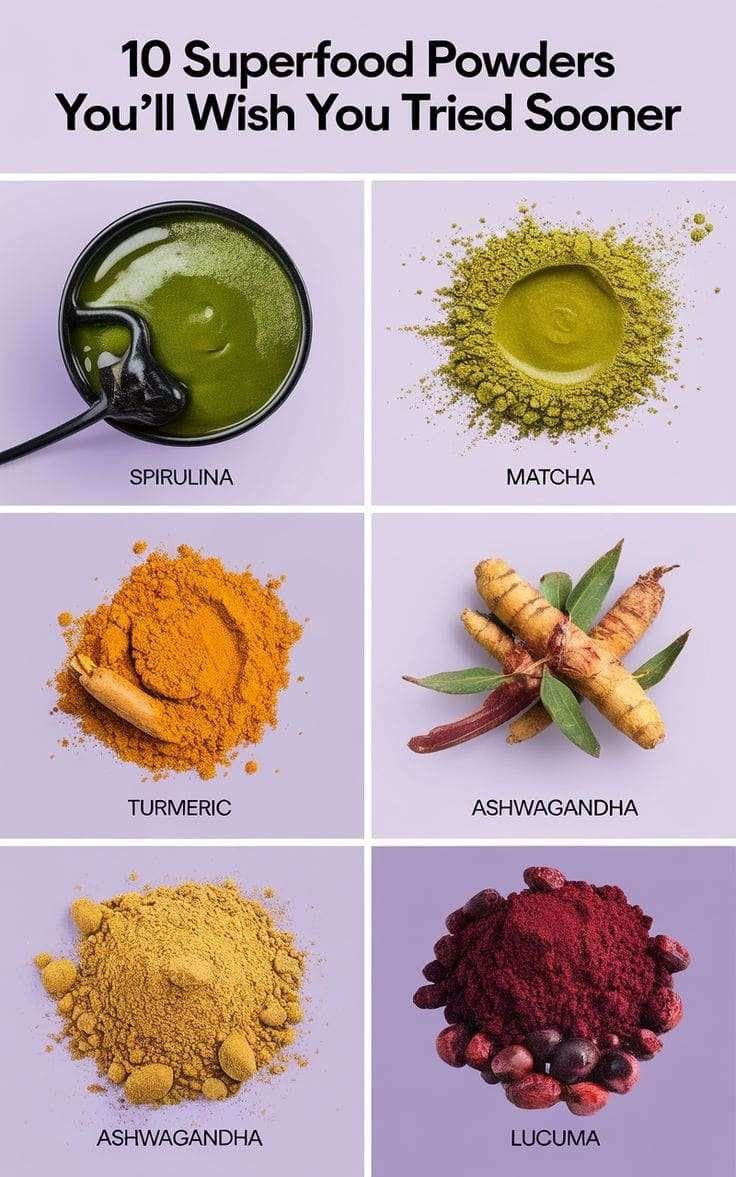
What counts as a superfood for juicing?
For juicing, superfoods include concentrated powders, sprouts and grasses, seeds, nutrient-dense fruits and berries, roots and spices, and algae or leaf powders. These are chosen for high nutrient density and compatibility with liquid preparations.
Best Superfoods to Add to Juice
Below is a practical list of superfoods that work well in juices, with key nutrients and suggested amounts. Use these as starting points and adjust quantities to suit your taste and tolerance.
| Superfood | Key Nutrients | Flavor Profile | Suggested amount per 12–16 oz juice | Notes |
|---|---|---|---|---|
| Spirulina | Protein, B12 precursors, iron, chlorophyll | Strong, vegetal, slightly sea-like | ¼–1 tsp powder | Start small — strong taste; great for green juices |
| Chlorella | Chlorophyll, iron, vitamin C (in some blends) | Earthy, green | ¼–½ tsp powder | Choose broken-cell chlorella for absorption |
| Wheatgrass | Chlorophyll, vitamins A/C/E/K, minerals | Grassy, sweet | 1–2 oz fresh juice or ½–1 tsp powder | Use fresh for highest enzymes; freezer storable |
| Barley grass | Vitamins, minerals, antioxidants | Mildly sweet-green | 1–2 oz fresh juice or ½ tsp powder | Less bitter than wheatgrass for some palates |
| Matcha | Caffeine, L-theanine, catechins | Umami, vegetal, mildly bitter | ½–1 tsp powder | Use for energy-focused juices; stir well |
| Turmeric | Curcumin (anti-inflammatory) | Warm, slightly bitter | ½–1 tsp fresh or powder | Combine with black pepper for absorption |
| Ginger | Gingerols (anti-inflammatory), vitamin C | Spicy, warm | ½–1 inch fresh root | Adds zip and supports digestion |
| Beetroot | Nitrates, folate, potassium | Sweet-earthy | 1–3 oz fresh juice | Great for blood pressure and endurance |
| Berries (acai, goji, camu camu) | Antioxidants, vitamin C | Tart to sweet | 1–2 tbsp powder or ¼–½ cup fresh | Choose unsweetened powders |
| Flaxseed | ALA omega-3, fiber | Mild, nutty | 1 tbsp ground | Ground is better than whole for absorption |
| Chia seeds | Omega-3, fiber, protein | Neutral; gel-like | 1 tbsp soaked or 1 tsp dry | Pre-soak if you prefer smoother texture |
| Hemp seeds | Omega-3/6, protein | Nutty, creamy | 1 tbsp | Great for adding creaminess and plant protein |
| Moringa | Vitamins A/C/E, iron, calcium | Mildly bitter-green | ¼–1 tsp powder | Nutrient-dense — small amounts go far |
| Lucuma | Beta-carotene, B vitamins, fiber | Sweet, caramel-like | 1 tsp–1 tbsp powder | Use as natural sweetener in fruit juices |
| Baobab | Vitamin C, fiber, antioxidants | Tart, citrusy | 1 tsp–1 tbsp powder | Adds tang and vitamin C |
| Aloe vera | Polysaccharides, enzymes | Mild, slightly bitter | 1–2 tbsp gel (inner leaf) | Use edible inner gel only; cleanse well |
| Cacao nibs/powder | Magnesium, iron, flavonoids | Chocolate, bitter | 1 tsp–1 tbsp powder | Use raw cacao for antioxidants |
| Maca | B vitamins, copper, magnesium | Malty, earthy | ½–1 tsp powder | Good for balancing hormones and stamina |
How to choose your superfood additions
Decide on your goal first: energy, immunity, digestion, anti-inflammation, beauty, or recovery. Then pick one or two superfoods that align with that goal and pair them with fruits or veggies that complement their flavor. Keeping additions modest prevents overpowering taste and reduces risk of adverse effects.
How to Pair Superfoods with Fruits and Vegetables
Thoughtful pairings improve flavor and nutrient synergy so your juice is both palatable and powerful. Below are pairing ideas organized by goal to make it easier for you to mix and match.
| Goal | Suggested superfoods | Base fruits/veggies | Why it works |
|---|---|---|---|
| Energy | Matcha, maca, cacao | Banana, apple, carrot | Natural sugars plus L-theanine or adaptogens for steady energy |
| Immunity | Camu camu, baobab, ginger | Orange, carrot, beet | High vitamin C plus anti-inflammatory ginger |
| Anti-inflammatory | Turmeric, moringa | Pineapple, cucumber, celery | Bromelain from pineapple enhances turmeric effects |
| Detox & alkalizing | Wheatgrass, chlorella | Kale, cucumber, lemon | Chlorophyll and alkalizing veggies support cleansing |
| Digestion | Ginger, aloe vera, chia | Pear, apple, fennel | Soothing and fiber to support gut motility |
| Skin & beauty | Baobab, cacao, flaxseed | Berries, spinach, cucumber | Antioxidants + healthy fats for skin health |
| Recovery & muscle | Hemp, spirulina, beet | Cherry, pineapple, spinach | Protein plus nitrates and anti-inflammatories for recovery |
How to taste-test pairings
Make small test servings when you combine a new superfood with a juice base — about 4–6 ounces. Taste and adjust: add citrus to brighten, a touch of lucuma or banana for sweetness, or a pinch of sea salt to round flavors.
Juicing vs Blending: Which is Better for Superfoods?
Both methods work well but serve different purposes. Juicing extracts liquid and most vitamins but removes most fiber, while blending retains fiber and results in a thicker, more filling beverage.
When to choose juicing
Choose juicing when you want rapid nutrient absorption, a lighter drink, or you want to consume larger volumes of greens without a heavy texture. Juices are ideal for quick nutrient boosts and for people who prefer smoother, less fibrous drinks.
When to choose blending
Choose blending when you want a meal-replacement, increased satiety, or to maintain fiber for blood sugar control. Smoothies also let you include seeds, nut butters, and whole fruits whose texture would be undesirable in a juice.
Combining both approaches
You can combine juicing and blending by using fresh juice as a base for a blended superfood smoothie. This gives you the intense flavor and concentrated nutrients of juice plus the fiber and creaminess from blended ingredients.
| Method | Pros | Cons |
|---|---|---|
| Juicing | Rapid absorption, smooth mouthfeel, concentrated vitamins | Low fiber, can spike blood sugar, less satiating |
| Blending | Retains fiber, more filling, versatile textures | Denser calories, may be harder to digest for some |
Practical Tips for Adding Superfoods Without Wasting Them
Small amounts go a long way with many superfoods, so use measured servings and build up gradually. Store powders in airtight, cool, dark places to prevent oxidation and rancidity.
How to measure and portion superfoods
Use a small kitchen scale or measuring spoons for powders and seeds to maintain consistency. Mark a daily or weekly “superfood planner” in your kitchen to avoid under- or over-using expensive ingredients.
How to reduce bitterness or strong flavors
Pair bitter superfoods (spirulina, chlorella, moringa) with sweeter fruits like apple, pear, or mango, and add citrus or a touch of lucuma to smooth the flavor. Spices such as cinnamon or a small piece of fresh ginger can also help balance intensity.
Dosage, Timing, and Safety Considerations
Not all superfoods are safe in large amounts or for everyone, so be mindful of dosage, drug interactions, allergies, and life stage considerations. Small, regular amounts are usually preferable to large single doses.
General dosage guidelines
Start with the lower end of suggested amounts and monitor how you feel for a few days before increasing. For powders, ¼–1 tsp is often adequate for potent algae or leaf powders; 1 tbsp is reasonable for seeds or sweet fruit powders.
Interactions and contraindications
Some superfoods affect blood clotting (e.g., high-dose turmeric) or interact with medications like blood thinners and diabetes drugs. If you take medication or are pregnant, breastfeeding, or have a chronic condition, consult your healthcare provider before starting a superfood regimen.
| Ingredient | Common cautions |
|---|---|
| Turmeric | May amplify blood thinners; large amounts can upset stomach |
| Ginger | Can thin blood in high doses; monitor if on anticoagulants |
| Spirulina/Chlorella | Risk of contamination if sourced poorly; avoid if you have phenylketonuria (some algae products) |
| Flax/Chia | High fiber can interfere with medication absorption if taken at same time |
| Matcha | Contains caffeine; adjust if sensitive or pregnant |
| Baobab/Camu camu | High vitamin C — generally safe but acidic |
Allergies and food sensitivities
Always test a small amount of a new superfood if you have history of sensitivity to seeds, algae, or tropical fruits. If you notice rash, GI distress, swelling, or breathing difficulty after trying a new ingredient, stop and seek medical help if severe.
Preparing and Storing Nutrient-Dense Juice
Freshness matters: many vitamins and phytonutrients degrade quickly after exposure to air, heat, and light. Use proper tools and storage to maximize nutrient retention.
Best practices for juicing and blending
Cold-press or masticating juicers preserve more nutrients than high-speed centrifugal units, though both are useful. When blending, use the shortest time necessary and avoid overheating the motor area to protect heat-sensitive compounds.
How to store juice
Store juice in airtight glass bottles, fill to the brim to minimize oxygen exposure, and refrigerate immediately. Use within 24–48 hours for best nutrient and flavor preservation; add lemon or lime to slow oxidation if needed.
Freezing and batching
Freeze single-serving portions in ice cube trays, then store cubes in freezer bags for easy use in smoothies. Fresh wheatgrass and many leafy powders can be frozen in small portions to extend shelf life without losing much nutrition.
Recipes: Boosted Juice and Smoothie Ideas
Below are practical recipes that combine superfoods with juice or blended bases. Each recipe provides a balanced flavor and target benefit.
1) Green Chlorophyll Refresher (anti-inflammatory, detox)
Ingredients: 2 cups cucumber juice, 1 green apple, 1 oz wheatgrass juice or 1 tsp powder, ¼ tsp spirulina, juice of ½ lemon, pinch of sea salt. Instructions: Juice cucumber and apple, stir in wheatgrass, spirulina, and lemon. Serve chilled — lemon brightens flavor and helps absorption.
2) Immunity Citrus Shot (immune support)
Ingredients: 4 oz orange juice, 1 tsp camu camu powder, ½ inch fresh ginger, ½ tsp baobab powder. Instructions: Mix ingredients and whisk until smooth. Drink as a small shot in the morning for vitamin C and antioxidants.
3) Anti-Inflammatory Golden Juice (inflammation relief)
Ingredients: 1 apple, 1 carrot, ½ inch turmeric root or ½ tsp turmeric powder, ½ inch ginger, pinch of black pepper, squeeze of lime. Instructions: Juice apple and carrot, add turmeric and ginger, and finish with lime and black pepper to enhance curcumin uptake.
4) Morning Matcha Energy Smoothie (sustained energy)
Ingredients: 1 banana, 1 cup spinach, 1 tsp matcha, 1 tbsp hemp seeds, 1 cup almond milk (or juice base). Instructions: Blend until smooth to get steady caffeine energy with protein and healthy fats.
5) Berry Antioxidant Boost (skin & immunity)
Ingredients: 1 cup mixed berries, ½ cup beet juice, 1 tsp lucuma powder, 1 tbsp ground flaxseed, water to thin. Instructions: Blend berries and beet juice, stir in lucuma and flax for antioxidants and omega-3s that support skin health.
6) Recovery Cherry-Beet Juice (post-workout)
Ingredients: 1 cup tart cherry juice, 2 oz beet juice, 1 tbsp cacao powder, 1 tsp maca powder. Instructions: Mix juices and powders well for natural anti-inflammatory and muscle recovery support.
7) Digestion Soother (gut-friendly)
Ingredients: 1 pear, 1 small fennel bulb, 1 tbsp aloe vera gel, ½ inch ginger. Instructions: Juice or blend, keeping texture smooth. Aloe helps soothe the gut lining while fennel and ginger assist digestion.
8) Chocolate Mint Mood Smoothie (mood & focus)
Ingredients: 1 frozen banana, 1 cup spinach, 1 tsp raw cacao, ½ tsp maca, few mint leaves, water or almond milk to blend. Instructions: Blend until creamy. Cacao offers magnesium and flavonoids while maca supports stamina.
9) Supergreen Protein Shake (meal replacement)
Ingredients: 1 cup blended spinach/kale with 8 oz cold water, 1 tbsp hemp seeds, 1 tbsp chia seeds (pre-soaked), 1 tsp moringa, 1 small apple for sweetness. Instructions: Blend until smooth for a nutrient-rich, filling shake that supports sustained energy.
10) Tropical Gut Cleanser (skin & detox)
Ingredients: ½ cup pineapple juice, ½ cup coconut water, 1 tsp baobab powder, 1 tbsp chia (soaked), 1 squeeze lime. Instructions: Combine and stir or lightly blend. This supports digestion and provides vitamin C and electrolytes.
Storage and Cost-savings Strategies
Superfood powders and small amounts can be expensive, but cost per serving is often low. Buy in bulk when possible, split between trusted brands, and rotate the ones you use most.
How to extend shelf life
Store powders in airtight containers in a cool, dark place and use within recommended dates. Buy small batches of perishable items like fresh wheatgrass and freeze in ice cube trays for later use.
Budget substitutions
If a specialty powder is too costly, swap it with a similar but less expensive whole food: hemp seeds instead of a commercial protein blend, or frozen berries instead of exotic berry powders.
Frequently Asked Questions
These are common concerns people have when adding superfoods to their juices.
Will adding superfoods make my juice taste bad?
Not necessarily — much depends on the ingredient and amount. Start with small quantities and pair with complementary fruits or citrus to mask strong flavors.
How often should I drink superfood-enhanced juice?
Daily use in small amounts is fine for most people, but rotating ingredients helps avoid overexposure to a single compound. Aim for variety across meals and weeks.
Can children have superfood-enhanced juices?
Many superfoods are safe for children in small amounts, but avoid stimulants like matcha in young kids and always check for allergies. Consult a pediatrician for children under two or if you have concerns.
Are there long-term downsides to taking superfood powders?
Overuse or high doses might cause nutrient excesses, interactions, or contamination risks if products aren’t tested. Choose third-party tested brands and consult a healthcare provider if you take chronic medications.
Is it better to take superfoods with food or on an empty stomach?
This depends on the superfood. Fat-soluble nutrients (e.g., curcumin from turmeric) are better absorbed with some healthy fats, while others (like vitamin C from camu camu) can be taken on an empty stomach. Adjust based on comfort and your goals.
How do I verify the quality of superfood powders?
Look for third-party testing, certificates of analysis, organic certification if possible, and transparent sourcing. Read reviews and choose brands that provide batch testing results.
A Simple 7-Day Plan to Add Superfoods to Your Routine
This plan helps you start slowly and build consistent habits without overwhelm.
Day 1: Add ½ tsp spirulina or ¼ tsp chlorella to a small green juice to test tolerance.
Day 2: Make a turmeric-ginger shot after breakfast with black pepper.
Day 3: Blend a morning smoothie with 1 tbsp hemp seeds and 1 tsp cacao.
Day 4: Try a camu camu or baobab citrus shot for vitamin C.
Day 5: Swap one juice for a protein-rich hemp or flaxseed smoothie.
Day 6: Use wheatgrass or barley grass in small fresh-shot amounts.
Day 7: Pick your favorite two additions and incorporate them into a balanced juice or smoothie for the day.
How to track effects
Keep a short daily log of what you consumed, your energy levels, digestion, mood, and sleep quality. This helps you identify which superfoods help you the most.
Final practical tips
Focus on small, sustainable changes rather than dramatic boosts that are hard to maintain. Use high-quality ingredients, measure amounts, rotate the superfoods you use, and listen to your body.
Summary
By combining thoughtful pairings, sensible dosages, and proper preparation and storage, you’ll make juices that are flavorful, nutritionally superior, and tailored to your needs. Start small, be consistent, and enjoy the benefits as your routine becomes part of your healthy lifestyle.
Disclaimer.
This content is for informational and educational purposes only and is not intended as medical advice. Always consult a qualified healthcare professional before making changes to your diet, especially if you have a medical condition, are pregnant, or are taking medication.
As an Amazon Associate, we earn from qualifying purchases