
Juicing for mental clarity is a simple and natural way to keep your mind focused and alert. Fresh juices packed with antioxidants, vitamins, and minerals nourish your brain and improve concentration. With the right blends, you can reduce brain fog, boost mental energy, and support better overall cognitive function.
Juicing For Mental Clarity — an introduction
Juicing For Mental Clarity focuses on using freshly made vegetable and fruit juices to support cognitive function, alertness, and emotional steadiness. You’ll find that the right combination of ingredients can offer vitamins, minerals, antioxidants, and hydration that help your brain perform better.
Juicing isn’t a magic bullet, but when you use it intelligently—paired with balanced meals, sleep, movement, and stress management—it can be a powerful tool in your mental wellness toolbox. Below you’ll get science-informed reasons, practical recipes, safety considerations, and a realistic plan you can use right away.
What is juicing?
Juicing extracts the liquid from fruits and vegetables, concentrating water-soluble nutrients like vitamin C, B vitamins, minerals, and many phytonutrients. Unlike smoothies, juicing removes most fiber, delivering a smoother, faster-absorbing beverage that can be convenient and hydrating.
You should consider juicing as a way to increase rapid nutrient intake and hydration, especially when you need quick mental uplift or want to add more vegetables and beneficial compounds to your routine.
Juicing versus smoothies
Juices give you concentrated nutrients and rapid absorption but lack most of the fiber found in whole fruits and blended smoothies. Smoothies retain fiber, which supports fullness and slower digestion.
If you need quick mental clarity—such as when you have a demanding meeting or brain-intensive task—juices can be useful. If you want more sustained energy and satiety, a smoothie or whole-food meal is often preferable.
How juice may improve mental clarity
Understanding the mechanisms helps you choose ingredients intentionally rather than relying on trendy combinations. Several physiological pathways link fresh juice components to cognitive benefits.
Juices can affect blood sugar, inflammation, hydration, blood flow, antioxidant status, neurotransmitter synthesis, and gut health. Each of these factors influences attention, reaction time, mood, and memory.
Blood sugar stabilization and cognitive performance
Your brain requires a steady supply of glucose. Sudden spikes and crashes can create brain fog and irritability, while stable blood sugar helps sustain focus.
When juicing, keep fruit proportion moderate and include vegetables, leafy greens, and small amounts of protein or fat at meals to reduce rapid blood sugar swings. You can also drink juice with protein-rich foods to minimize peaks and troughs.
Reducing inflammation for clearer thinking
Chronic inflammation is linked to cognitive impairment and reduced mental clarity. Many vegetables and fruits—especially berries, leafy greens, turmeric, and ginger—contain anti-inflammatory compounds that can support cognitive health over time.
Regular intake of these anti-inflammatory nutrients can help you feel mentally sharper by reducing the low-level inflammation that interferes with neurotransmission.
Hydration and electrolyte balance
Even mild dehydration can impair cognitive performance, diminishing attention, working memory, and mood. Juices contribute to fluid intake and often provide electrolytes like potassium and magnesium that support neural function.
Cucumber, celery, coconut water additions, and watermelon juices are especially hydrating and helpful when you need quick mental recovery from dehydration-related fog.
Antioxidants and brain protection
Oxidative stress damages brain cells and contributes to cognitive decline. Antioxidants such as vitamin C, flavonoids, and carotenoids (found in citrus, berries, carrots, and leafy greens) help neutralize free radicals and support long-term brain health.
Regular juicing that emphasizes antioxidant-rich ingredients can contribute to reducing oxidative damage to neurons and synapses.
Nitrates, nitric oxide, and cerebral blood flow
Vegetables high in dietary nitrates—like beets, arugula, and celery—can boost nitric oxide production. Nitric oxide widens blood vessels, improving blood flow to the brain and muscle tissue.
You may notice improved mental alertness and faster reaction times when you use nitrate-rich juices before mentally demanding tasks or workouts.
Gut-brain axis and microbiome support
Polyphenols and prebiotic compounds in certain fruits and vegetables feed healthy gut bacteria, which in turn produce signaling molecules influencing mood and cognition. While juicing reduces some fiber, it still provides polyphenols and soluble compounds that support gut health.
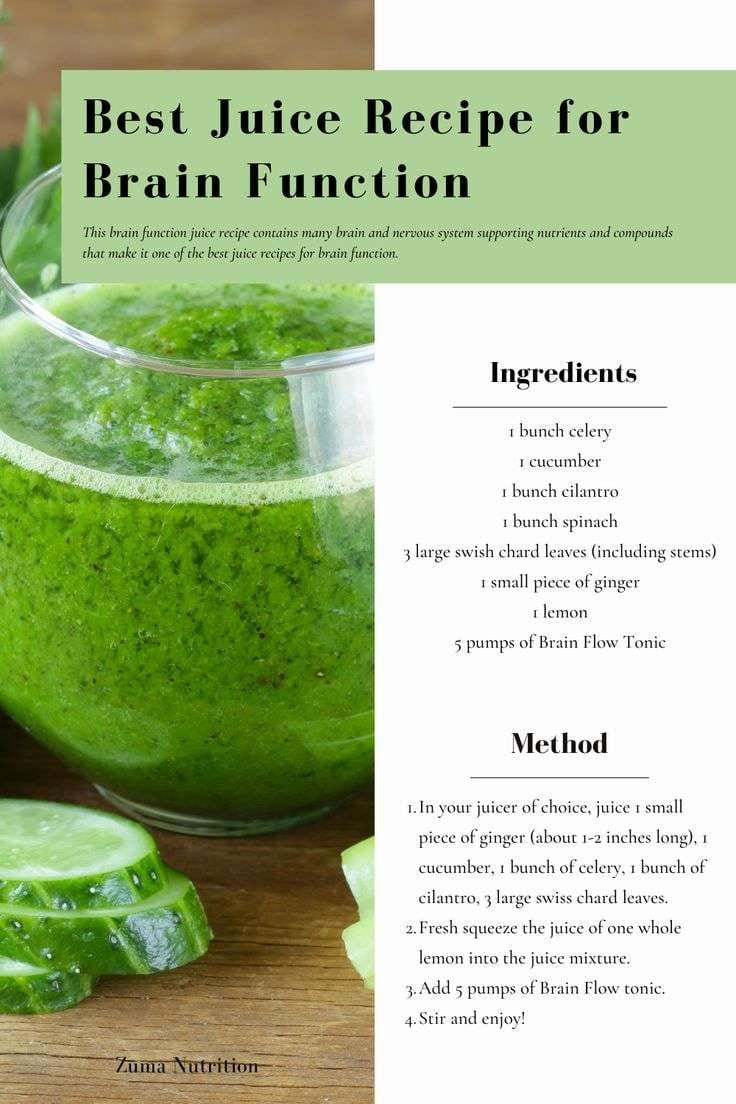
Rotating ingredients and occasionally including some pulp or prebiotic foods alongside your juices helps maintain a balance that benefits your microbiome and mental clarity.
Vitamins and neurotransmitter synthesis
B vitamins (especially B6, B9/folate, and B12) and vitamin C play direct or cofactor roles in neurotransmitter production—serotonin, dopamine, and norepinephrine—influencing mood, motivation, and concentration. Minerals like magnesium and zinc also support neurotransmission.
Regularly incorporating produce rich in these nutrients into your juices helps supply the substrates your brain needs for optimal signaling.
Key ingredients for mental clarity
Choosing the right ingredients is the core of an effective juicing routine. Below you’ll find the highest-impact fruits, vegetables, and botanicals to emphasize.
Leafy greens, beets, citrus, berries, herbs, turmeric, ginger, cucumber, celery, apples, and carrots are all excellent choices. Each brings unique nutrients: nitrates, antioxidants, vitamins, and anti-inflammatory compounds.
To make ingredient selection easier, refer to the table comparing common juice ingredients and their key brain-related nutrients.
| Ingredient | Key nutrients/compounds | Why it helps mental clarity |
|---|---|---|
| Spinach / Kale | Folate (B9), vitamin K, magnesium, nitrates | Supports neurotransmitter synthesis, blood flow, and bone/brain health |
| Beets | Dietary nitrates, betalains, potassium | Improves cerebral blood flow and reduces oxidative stress |
| Blueberries / Mixed berries | Anthocyanins, vitamin C, polyphenols | Strong anti-inflammatory and antioxidant effects supporting memory |
| Apples | Polyphenols, vitamin C | Antioxidants that support cognition and moderate sweetness |
| Carrots | Beta-carotene (pro-vitamin A) | Antioxidant support for neural tissues |
| Citrus (orange, lemon, grapefruit) | Vitamin C, flavonoids | Antioxidant and mood-supporting vitamin C |
| Cucumber | Water, potassium | Hydration and electrolytes for neural function |
| Celery | Nitrates, apigenin | Anti-inflammatory, supports blood flow |
| Ginger | Gingerols | Anti-inflammatory, supports digestion and circulation |
| Turmeric | Curcumin (add black pepper for absorption) | Potent anti-inflammatory and neuroprotective effects |
| Parsley / Cilantro / Mint | Vitamins A/C/K, polyphenols | Flavor and micronutrients; some support detox pathways |
| Green tea (cold-brewed) | L-theanine, catechins, small caffeine | Calm alertness—promotes focus without jitteriness |
| Coconut water | Potassium, electrolytes | Hydration and electrolyte balance |
Juicing recipes for mental clarity
Below are practical, flavorful juice recipes designed to support alertness, reduce fog, and boost sustained focus. Quantities are for one serving (about 12–16 oz depending on your juicer).
You’ll see a mix of energizing morning blends, mid-afternoon clarity boosters, and calming evening-friendly options.
Morning Focus Green
Instructions produce a sharp, nutrient-dense start to your day. You’ll get nitrates, folate, and vitamin C.
- 2 cups spinach
- 1 small cucumber
- 2 stalks celery
- 1 green apple
- 1/2 lemon (peeled)
- small piece of ginger (1/2 inch)
This juice offers a low-sugar, nutrient-rich boost that supports steady energy and concentration.
Beet Brightness
This juice supports blood flow and may help cognitive performance. Pair with a small protein-rich snack.
- 1 small beet (peeled)
- 2 carrots
- 1 apple (for sweetness)
- 1/2 inch ginger
Beets deliver nitrates for nitric oxide production, which enhances cerebral circulation and may improve focus.
Berry Antioxidant Blast
High in polyphenols, this option supports memory and protects the brain from oxidative stress.
- 1 cup blueberries (fresh or thawed)
- 1/2 cup strawberries
- 1/2 lemon (peeled)
- 1 small apple
Berries concentrate anthocyanins, which are linked to sharper cognition and slower age-related decline.
Citrus Clarity
A refreshing, vitamin C–rich juice that gives mental brightness and mood uplift.
- 2 oranges (peeled)
- 1 grapefruit (peeled) — optional
- 1 small carrot
Citrus supports antioxidant defenses and helps you feel alert in the morning.
Turmeric-Ginger Anti-Fog
This spicy, anti-inflammatory blend helps when you feel sluggish from systemic inflammation.
- 1 large carrot
- 1 orange (peeled)
- 1 inch turmeric root (or 1 tsp turmeric powder)
- 1/2 inch ginger
- pinch of black pepper (for curcumin absorption)
Adding black pepper increases curcumin uptake, improving anti-inflammatory effects.
Calm Focus Green Tea Refresher
Combines L-theanine and light caffeine for focused calmness without jittery spikes.
- 1 cup cold-brewed green tea (base)
- 1 cucumber
- 1/2 apple
- small handful mint
This is great when you need calm, steady concentration for reading or creative work.
Hydration Booster
Use this after exercise or during high-heat days to restore electrolytes and mental sharpness.
- 1 cup coconut water
- 1 cucumber
- 1/2 lemon (peeled)
- small piece of ginger
Coconut water and cucumber rehydrate and replenish electrolytes quickly.
Cleansing (Gentle) Green
A green-dominant juice that keeps sugar low while giving concentrated micronutrients.
- 2 cups kale
- 1/2 cucumber
- 2 stalks celery
- 1/2 green apple
- 1/2 lemon (peeled)
This juice is low in sugar and high in vitamins and minerals that support ongoing cognitive function.
Evening Soother (low sugar)
A calming, low-sugar option that helps wind down without spiking blood sugar.
- 1 small beet (optional for low amount)
- 1/2 cucumber
- 1/2 cup spinach
- 1 small apple (optional)
- small sprig of mint
Lower sugar content helps prevent late-night blood sugar fluctuations that can disrupt sleep and next-day cognition.
You can mix and match these recipes or adjust fruit-to-vegetable ratios to manage sweetness and blood sugar response. Save pulp for soups, muffins, or compost rather than discarding it.
How to juice safely and effectively
Juicing requires attention to safety, hygiene, and smart ingredient choices. These tips help you preserve nutrients and avoid common pitfalls.
Wash produce thoroughly to remove dirt, waxes, and residues. If you use conventional produce, consider peeling or selecting organic for the items on the Environmental Working Group’s “Dirty Dozen” list. Keep your juicer clean to prevent bacterial growth and rancidity.
Choosing a juicer
Centrifugal juicers are fast and less expensive, but they produce more heat and slightly less nutrient-preserving juice. Masticating (cold-press) juicers extract juice more gently, often yielding higher nutrient retention and longer shelf life.
If you plan frequent juicing and want higher juice quality, a masticating juicer is worth the investment. For occasional use, a good centrifugal model can suffice.
Storage and shelf life
Fresh juice is best consumed immediately to benefit from maximum nutrients and flavor. If you must store juice, use an airtight, opaque glass bottle and keep refrigerated; consume within 24–48 hours. Some cold-pressed juices can be safe for up to 72 hours, but vitamin C and certain phytonutrients decline over time.
Label bottles with date and time and perform a smell/taste check before drinking. If juice smells off, sour, or has an odd texture, discard it.
How much juice and when to drink it
Portion size and timing matter—especially if you have goals around mental clarity and blood sugar control. Aim for 8–16 ounces per serving as a guideline. For some people, smaller, more frequent servings (4–8 oz) provide steady benefits without sugar spikes.
Best timing options:
- Morning: A low-sugar green juice or beet-based drink can provide quick alertness for start-of-day tasks.
- Pre-task: Drink a nitrate-rich or mildly caffeinated (green tea-based) juice 30–60 minutes before intense cognitive work for improved focus.
- Mid-afternoon: A hydrating, antioxidant-rich juice can counteract the slump without causing sleep disruption.
- Avoid large fruit juices late at night to prevent blood sugar disruptions and sleep problems.
Pair juices with protein or healthy fats at meals to moderate blood sugar. For example, drink juice with Greek yogurt, nuts, or a small boiled egg.
Sample 7-day juicing plan for mental clarity
This realistic plan incorporates one focused juice daily while keeping whole foods central to your diet. It emphasizes variety and moderation.
| Day | Juice | Purpose |
|---|---|---|
| Day 1 | Morning Focus Green | Start the week with folate, nitrates, and hydration |
| Day 2 | Beet Brightness (mid-morning) | Improve blood flow before a heavy cognitive day |
| Day 3 | Berry Antioxidant Blast (afternoon) | Protect against oxidative stress and reduce fog |
| Day 4 | Turmeric-Ginger Anti-Fog (morning) | Anti-inflammatory boost for sluggishness |
| Day 5 | Citrus Clarity (morning) | Vitamin C and mood lift for productivity |
| Day 6 | Calm Focus Green Tea (pre-study/work) | L-theanine + mild caffeine for focused calm |
| Day 7 | Hydration Booster (after activity) | Rehydrate and reset electrolytes for mental recovery |
This plan keeps juices as complements to meals rather than replacements. You’ll get targeted support on high-demand days without compromising nutrition.
Potential risks and contraindications
While juicing has benefits, there are important risks and interactions to consider. Use caution if you have chronic conditions or take certain medications.
High-sugar fruit juices can spike blood glucose—be cautious with diabetes or insulin resistance. Leafy green juices are high in vitamin K and can interact with blood-thinning medications like warfarin. Grapefruit and some citrus may interact with multiple drugs by affecting liver enzymes. Beets are high in oxalates and nitrates; excessive intake can be problematic for people with kidney stones or certain cardiovascular medications.
Discuss major changes to your diet with your healthcare provider, especially if you have chronic disease, are pregnant, nursing, or on medication.
| Condition / Situation | Juicing considerations |
|---|---|
| Diabetes / insulin resistance | Limit high-fruit juices; pair with protein/fat; monitor glucose |
| Kidney disease / history of kidney stones | Limit high-oxalate juices (e.g., spinach, beet greens) and consult nephrologist |
| Blood thinners (warfarin) | Leafy greens high in vitamin K can affect INR; coordinate with provider |
| Certain medications (statins, calcium channel blockers) | Grapefruit can alter drug metabolism—avoid or consult clinician |
| Pregnancy / breastfeeding | Avoid extreme juicing cleanses; ensure balanced nutrients and food variety |
| Young children | Juice is not a substitute for whole foods; limit portion sizes and sugar |
| Allergies / histamine intolerance | Some fermented or aged juices may aggravate; watch individual triggers |
Comparing juicing with whole foods and smoothies
Juicing offers rapid absorption of water-soluble nutrients but removes most insoluble fiber, which affects satiety and blood sugar control. Smoothies retain fiber and are generally more filling, which can reduce overeating later.
If sustained concentration and energy are your goal, pairing a juice with a small whole-food snack or choosing a smoothie may be more practical. A hybrid approach—juice for quick, concentrated nutrients and smoothies for meal replacements—serves many people well.
Tips to maximize benefits and minimize downsides
These practical strategies help you get the most cognitive support from juicing without unwanted effects.
- Favor vegetables over fruit to keep sugar low and steady.
- Add a splash of lemon or lime to stabilize vitamin C and flavor.
- Use small amounts of healthy fat (like a spoon of chia seeds added to a small smoothie or eating nuts alongside your juice) to slow absorption.
- Rotate ingredients to minimize exposure to potential allergens or excess of one compound.
- Reuse pulp in soups, baking, or dehydrated crackers to preserve fiber and reduce waste.
- Add a pinch of sea salt or a bit of coconut water to very low-sodium juices for electrolyte balance.
- If you take curcumin (turmeric), add black pepper or fat to increase absorption.
Common myths about juicing
There’s a lot of hype around juicing; some claims are exaggerated. Understanding myths will keep your expectations realistic.
- Myth: Juicing detoxes your body completely. Fact: Your liver and kidneys do most detoxification. Juice supports these organs with nutrients but doesn’t replace healthy organ function.
- Myth: Juicing alone will cause lasting weight loss. Fact: Juicing can create short-term calorie deficits, but sustainable weight loss requires long-term diet and lifestyle changes.
- Myth: More juice is always better. Fact: Excessive juice—especially high-sugar blends—can harm blood sugar control and offer diminishing returns.
Use juicing as a targeted adjunct to overall healthy habits rather than as a cure-all.
Research summary: what the evidence says
Research supports several pathways through which juicing ingredients may benefit cognition. Nitrate-rich vegetables have been shown to increase nitric oxide and improve blood flow, which may translate to better short-term cognitive performance. Polyphenol-rich foods like berries are associated with improvements or preservation of memory and executive function in observational and some randomized studies. Hydration status clearly affects attention and working memory.
However, many juicing studies focus on single ingredients (like blueberries or beets) rather than broad juicing regimens, so effects can vary. Long-term benefits likely depend on consistent intake of diverse, nutrient-dense foods, not short-term cleanses.
Practical shopping and prep list
Having a planned shopping list and simple prep routine makes juicing sustainable. Fresh herbs, lemons, leafy greens, beets, carrots, cucumbers, apples, and berries are staples for a mental clarity-focused juicing rotation.
Prep tips:
- Clean and chop produce when you bring it home to reduce morning friction.
- Freeze berries for extended shelf life and cold texture.
- Store juices in opaque glass bottles in the fridge to reduce nutrient loss.
- Keep a small notebook to track how different juices make you feel—this helps personalize your routine.
Storage, yield, and cost considerations
Juicing can be cost-effective if you use seasonal produce and repurpose pulp. However, fresh produce can be expensive if you need large quantities daily. Track your consumption and start with 1 serving/day to assess benefits before increasing frequency.
Cold-press juicers usually yield more juice per item, which can improve cost-per-glass over time compared to centrifugal models.
Practical next steps: how to start this week
- Choose one or two recipes above to try this week—start with a low-sugar green juice and a berry-based option.
- Buy just enough produce for 2–3 days to avoid waste while you assess how your body responds.
- Drink your first juice 20–40 minutes before a mentally demanding activity and note how you feel.
- Pair juices with a protein or healthy fat at meals to support steady blood sugar.
- If you have medical conditions or take medication, check with your healthcare provider before making major juicing changes.
Final recommendations
Juicing For Mental Clarity can be a practical, enjoyable addition to your routine when used thoughtfully. Focus on vegetable-forward recipes, hydrate well, and pair juices with whole-food proteins or fats to avoid blood sugar swings. Rotate ingredients to maximize nutrient variety and minimize exposure to any single compound.
Experiment with the recipes provided and keep a simple log of what helps your cognition the most. If you want, try the 7-day plan as a low-commitment way to assess the effects. With attention to safety and consistency, juicing can be a bright, refreshing way to support your mental clarity.
Disclaimer.
This content is for informational and educational purposes only and is not intended as medical advice. Always consult a qualified healthcare professional before making changes to your diet, especially if you have a medical condition, are pregnant, or are taking medication.
As an Amazon Associate, we earn from qualifying purchases.