
Juicing for Skin Health — Why It’s So Popular
Juicing for Skin Health is one of the fastest-growing health searches in 2026. People want visible skin improvements without complicated diets or unrealistic routines. This guide keeps it simple, with practical recipes, a 7-day cleanse, a 30-day plan, and clear safety tips so you can start straight away.
Most readers are looking for quick recipes, real benefits, and easy plans they can follow without overthinking. That includes things like a 7-day juice cleanse or a 30-day juicing plan. This guide focuses on what actually works—simple ingredients, balanced recipes, and steps you can stick to.
There is also growing interest in nutrient-rich drinks that support overall health. Research shows diets higher in antioxidants may help support skin elasticity and reduce signs of ageing. At the same time, keeping sugar intake under control is important, which is why balanced, low-sugar juices matter.
All recipes in this guide are designed to be practical and easy to make at home. You’ll find simple combinations, clear instructions, and realistic routines. We also include a full set of recipes, a 7-day cleanse, a structured 30-day plan, and essential safety guidance to help you stay consistent.
What is Juicing for Skin Health
Juicing for Skin Health is the process of extracting liquid nutrients from fruits and vegetables to deliver vitamins, antioxidants, and anti-inflammatory compounds that support healthy skin.
It focuses on simple, nutrient-dense ingredients that help the skin from within:
- Nutrient-rich — provides vitamins like vitamin C and carotenoids that support skin repair and brightness
- Anti-inflammatory — ingredients like ginger and turmeric may help reduce redness and irritation
- Hydration and energy — fluids and electrolytes support skin hydration and overall vitality
Cold-pressed juicing works differently from standard centrifugal juicers. It uses slow pressure to extract juice, which reduces heat and oxidation. This helps preserve more nutrients and often results in a fresher taste.
In simple terms, cold-pressed juice keeps more of what your body—and skin—actually benefits from.
How Juicing for Skin Health Helps Your Skin
Juicing for Skin Health supports your skin from the inside by delivering nutrients that help with repair, hydration, and overall balance.
Here’s how it works:
- Gut–skin connection — better nutrient intake can support gut balance, which may reduce inflammation that shows up on the skin
- Antioxidants — help protect the skin from damage caused by free radicals and daily exposure
- Vitamin C — supports collagen production, which helps keep skin firm and supports repair
- Hydration — fluids and potassium help maintain skin moisture and elasticity
- Lower inflammation — ingredients like ginger may help calm redness and irritation
The key is consistency. Simple, balanced juices used regularly can support healthier-looking skin without overcomplicating your routine.
The Science Behind Juicing for Skin Health
Juicing for Skin Health works best when you focus on key nutrients that directly support skin repair, hydration, and protection. The most important ones are vitamin C, carotenoids, antioxidants, nitrates, and anti-inflammatory compounds.
Research shows diets high in antioxidants and phytonutrients are linked to improved skin elasticity and reduced water loss from the skin over time. The goal is simple—get consistent, balanced intake rather than relying on one ingredient.
Key Nutrients for Juicing for Skin Health
- Vitamin C — supports collagen production and skin repair; citrus-based juices can provide a strong daily boost
- Vitamin A (carotenoids) — found in carrots and spinach; helps support the skin barrier and overall skin health
- Nitrates (beetroot) — improve circulation, helping deliver nutrients to the skin more effectively
- Polyphenols — found in berries and grapefruit; help protect against environmental damage
- Anti-inflammatory compounds — ingredients like ginger help reduce redness and support calmer skin
The Gut–Skin Connection
Juicing for Skin Health can also support the gut, which plays a role in how your skin looks and feels. More plant nutrients can help balance the gut and reduce inflammation.
However, most juices remove fibre. That’s why a mix of juicing and blending (keeping some pulp) can be more effective for overall results.
Ingredient Map for Better Skin Results
Use a mix of these ingredients across your weekly routine:
- Spinach — beta-carotene and lutein for skin repair
- Cucumber — hydration and skin support
- Beetroot — circulation and nutrient delivery
- Grapefruit — vitamin C and antioxidants
- Ginger — anti-inflammatory support
- Cayenne pepper — boosts circulation
What Actually Works
Juicing for Skin Health is not about one “magic” recipe. Results come from:
- Consistency (4–12 weeks minimum)
- Balanced ingredients (not all fruit)
- Pairing with a simple, healthy diet
Done properly, it supports clearer, more hydrated, and healthier-looking skin over time.
Juicing for Skin Health — Cold-Pressed vs Smoothies and Blending
Juicing for Skin Health often comes down to one question: juice or smoothie? Both work, but they serve different purposes. Here’s the simple breakdown so you don’t overthink it.
Comparison (Pros and Cons)
Cold-pressed juicing
- Pros — higher concentration of vitamins and nutrients per serving, lower heat and oxidation
- Cons — most fibre removed, faster sugar absorption
Centrifugal juicing
- Pros — quick and affordable
- Cons — more heat and air exposure, slightly lower nutrient retention
Smoothies (blending)
- Pros — keeps fibre (around 4–6g per 12 oz), more filling, better for blood sugar control
- Cons — less concentrated nutrients per sip
Simple Example
- A green smoothie (spinach, apple, half banana): ~4–6g fibre per 12 oz
- The same ingredients as juice: <1g fibre per 8–12 oz
That’s the key difference—fibre vs concentration.
Meal Replacement Rule (Keep It Simple)
For Juicing for Skin Health:
- Most juices = 150–250 kcal → not a full meal
- To replace a meal: aim for 300–400 kcal + 15–20g protein
If you’re drinking juice:
- Pair it with protein (Greek yoghurt, protein shake, eggs)
If you want something filling:
- Go with a smoothie instead
What to Use (No Nonsense)
- For skin nutrients and quick absorption → juice
- For fullness and blood sugar control → smoothie
- Best approach → use both depending on the day
Equipment Note
A good cold-pressed juicer makes a difference. Models like the NutriPro handle both leafy greens and harder ingredients like beetroot, giving better yield and less waste compared to standard centrifugal machines.
How to Make Juicing for Skin Health (Cold-Pressed)
These Juicing for Skin Health recipes are simple, balanced, and ready in 5–8 minutes. Each one is designed to support skin hydration, nutrients, and consistency without overcomplicating things.
7 Quick Recipes for Juicing for Skin Health
1. Green Glow
Spinach (2 cups), cucumber (1), ½ grapefruit
- Prep: 5 minutes
- Benefits: hydration + vitamin C for skin support
2. Beet Bright
Beetroot (1 small), carrot (1), ginger (½ inch)
- Prep: 6 minutes
- Benefits: circulation + anti-inflammatory support
3. Spicy Citrus
Grapefruit (1), ½ orange, ginger (½ inch), pinch cayenne
- Prep: 6 minutes
- Benefits: vitamin C + improved blood flow
4. Cucumber Aloe
Cucumber (1.5), aloe juice (2 tbsp), pear (1 small)
- Prep: 5 minutes
- Benefits: soothing hydration (gentle option)
5. Carrot Turmeric Glow
Carrot (3), ½ apple, turmeric (½ inch)
- Prep: 6 minutes
- Benefits: antioxidants + skin barrier support
6. Berry Antioxidant
Blueberries (½ cup), spinach (1 cup), lemon (¼)
- Prep: 5 minutes
- Benefits: high antioxidants for skin protection
7. Green Protein Boost
Kale (1 cup), cucumber (1), celery (1 stalk), pea protein (1 scoop)
- Prep: 6–8 minutes
- Benefits: more filling + supports daily intake
How to Make Juicing for Skin Health (Cold-Pressed)
Step 1 — Wash
Rinse all ingredients under cold water and dry
Step 2 — Prep
Chop into smaller pieces; peel only when needed
Step 3 — Feed
Add leafy greens first, then harder ingredients and fruit
Step 4 — Press
Run the juicer slowly to reduce heat and preserve nutrients
Step 5 — Store
Keep in a sealed glass jar in the fridge
- Best within 24 hours
- Maximum 48 hours
Keep It Simple
- Rotate recipes through the week
- Don’t overload on fruit
- Stick to consistency over perfection
Juicing for Skin Health Storage Tips and Nutrition Guide
Proper storage matters for Juicing for Skin Health. It helps preserve nutrients and keeps your juice fresh for longer.
Storage Tips for Juicing for Skin Health
- Use opaque glass bottles to reduce light exposure
- Fill containers to the top to limit air and oxidation
- Store in the fridge at below 4°C
- Drink within 24 hours (maximum 48 hours)
For lower sugar needs:
- Reduce fruit content
- Increase cucumber and leafy greens
- Keep recipes balanced and simple
Nutritional Snapshot (Per 12 oz)
Green Glow
- ~120 kcal
- 12g sugar
- 55mg vitamin C
- <1g fibre
Beet Bright
- ~140 kcal
- 13g sugar
- 8mg vitamin C
- ~1g fibre
- Supports circulation
Spicy Citrus
- ~150 kcal
- 18g sugar
- 80mg vitamin C
- <1g fibre
Keep It Practical
Juicing for Skin Health works best when:
- You store it properly
- You don’t overload on sugar
- You stay consistent
Juicing for Skin Health 7-Day Cleanse and 30-Day Plan
Juicing for Skin Health can be done in two simple ways depending on your goal: a short 7-day reset or a structured 30-day plan. Both focus on consistency, balanced intake, and realistic results.
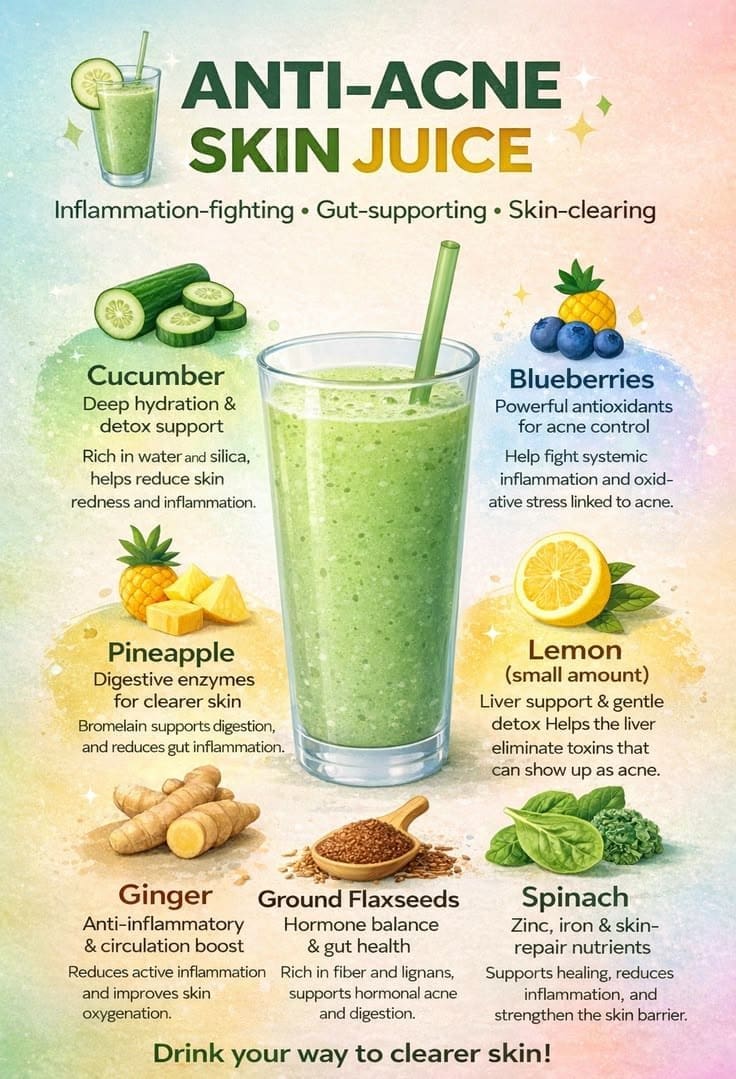
7-Day Juice Cleanse (Simple Hybrid Approach)
This is not extreme. You still eat—just cleaner and more controlled.
Daily structure:
- 2 juices (morning + mid-afternoon)
- 2 small balanced meals (300–400 kcal each)
- Total intake: ~1200–1400 kcal/day
Juice portions:
- 300–350 ml (10–12 oz) per serving
What to expect:
- Better hydration
- Slight improvement in skin clarity
- Possible weight drop (1–4 lbs depending on starting point)
Safety checks:
- Monitor energy levels (1–10 scale)
- Stop if you feel dizzy or unwell
- If diabetic → monitor blood sugar daily
30-Day Juicing for Skin Health Plan
A more realistic long-term approach that builds habits.
Days 1–7 (Starter Phase):
- 1 juice per day
- Regular meals (lean protein, veg, whole foods)
- Take baseline skin photos
Days 8–21 (Build Phase):
- 1–2 juices per day
- Add a protein smoothie a few times per week
- Track skin, energy, and sleep
Days 22–30 (Balance Phase):
- Reintroduce more fibre (smoothies, whole fruit)
- Assess results and adjust routine
What to Track (Keep It Simple)
- Skin photos (Day 0, 7, 14, 30)
- Hydration (glasses per day)
- Energy levels (1–10)
- Digestion and regularity
- Changes in skin (acne, redness, glow)
Important Cautions
Juicing for Skin Health is generally safe, but extra care is needed if you:
- Have diabetes
- Take blood-thinning medication
- Are pregnant or nursing
- Are underweight
Also be aware:
- Grapefruit can interact with certain medications
Bottom Line
- 7-day cleanse = quick reset
- 30-day plan = real results
- Consistency beats extremes every time
Juicing for Skin Health Techniques for Beginners and Equipment Guide
Juicing for Skin Health doesn’t need fancy setups. Keep it simple—good ingredients, basic prep, and the right routine matter more than anything else.
Beginner Checklist for Juicing for Skin Health
Buy:
- Spinach
- Cucumber
- Beetroot
- Grapefruit
- Ginger
- Carrots
- Apples
Tools:
- Cold-press juicer (e.g. NutriPro)
- Sharp chef’s knife
- Glass storage jars
Prep:
- Wash everything properly
- Peel citrus if waxed
- Chop harder ingredients into small pieces
Cold-Pressed Juicing Tips (What Actually Works)
- Use a slow feed rate to reduce heat and preserve nutrients
- Make batches of 500–1000 ml for efficiency
- Feed leafy greens first
- Alternate soft and hard ingredients
- Add cucumber or apple with greens to improve juice yield
Simple tweaks like this can increase yield by 10–20% and save waste.
Juicing for Skin Health Time-Saving Tips for Busy People
Juicing for Skin Health doesn’t need to take up your whole day. A simple batch routine saves time and keeps you consistent.
What works:
- Batch juice once or twice per week
- Store in 8 oz glass jars or ice cube trays
- Freeze extras and defrost overnight in the fridge
Simple plan:
- Prepare 3 juices on Sunday (e.g. Green Glow, Beet Bright, Spicy Citrus)
- Label and rotate through the week
This can save 15–20 minutes each morning and makes it easier to stay consistent.
H2: Juicing for Skin Health vs Diet — Weight Loss, Energy and Gut Health
Juicing for Skin Health can support results, but it’s not a replacement for a balanced diet. Use it as a tool, not the whole strategy.
Weight Loss (Keep Expectations Real)
- Short-term juice plans can lead to 2–6 lbs loss in 1–2 weeks
- Most of this comes from calorie reduction and water loss
- Without proper diet habits, weight often returns
Long-term results come from combining juicing with proper meals.
Energy Boost (Use It Smartly)
Juices provide quick energy from natural carbs and electrolytes.
- Pre-workout: small juice (100–150 ml) 30–60 mins before
- Post-workout: combine juice with 15–20g protein
Metabolism Support (Small but Useful)
- Ginger and cayenne may slightly increase metabolism
- Effects are modest (~2–5% increase)
- Helpful, but not a magic fix
Gut Health and Cholesterol
- Juicing increases nutrient intake
- But most juices remove fibre, which is key for gut health
For better results:
- Combine juicing with whole foods or smoothies
- Fibre helps with digestion and cholesterol balance
Bottom Line
- Juicing for Skin Health = support tool
- Not a full diet replacement
- Best results = juice + balanced meals + consistency
Juicing for Skin Health Nutritional Breakdown and Guidelines
Juicing for Skin Health works best when you follow simple serving rules and avoid common mistakes. This keeps things safe, balanced, and effective.
Serving and Quantity Guidelines
- Standard serving: 250–350 ml (8–12 oz)
- Daily use:
- 1 juice/day → maintenance
- 2–3 juices/day → short-term cleanse only
Meal Replacement Rules
Only replace a meal if your drink includes:
- 300–400 kcal
- At least 15g protein
Most juices alone don’t meet this—so don’t treat them as full meals unless you add extras.
Juicing for Skin Health Safety and Who Should Avoid Cleanses
- Diabetics — juices can affect blood sugar levels quickly
- Pregnant or nursing — restrictive plans are not suitable
- Underweight or history of eating disorders — cleanses can make things worse
- On certain medications — grapefruit can interact with some drugs (especially statins)
Extra Guidance
- For sensitive stomachs (e.g. gastritis):
- Use cucumber, pear, or diluted juices
- Avoid citrus during flare-ups
- For blood sugar control:
- Use mostly green vegetables
- Limit fruit
- Consider blended drinks (more fibre = steadier levels)
Juicing for Skin Health FAQs
What juice is good for gastritis?
Use low-acid options like cucumber, diluted pear, and small amounts of aloe vera. Avoid citrus during flare-ups.
What is the best green juice for diabetics?
Stick to low-sugar greens like spinach and cucumber. Limit fruit and monitor blood sugar closely.
Can juicing help lower cholesterol?
Juicing can support overall diet changes, but fibre is key. Blended drinks or whole foods are more effective.
Can diabetics do a juice cleanse?
Juice-only cleanses are not recommended without medical supervision. Use low-sugar, fibre-rich options instead.
How often should I juice for skin health?
Start with 1 juice per day (250–350 ml). Short-term plans may use 2–3 juices daily for up to 7 days.
Juicing for Skin Health Key Takeaways
- Start with 1 juice per day (250–350 ml) using simple recipes
- Keep juices balanced (not all fruit)
- Cold-pressed juice = more nutrients, but low fibre
- For meals → add protein or use blended versions
- Track progress with weekly photos and energy levels
- Store properly and drink within 24–48 hours
Continue Your Juicing for Skin Health Journey
If you want a simple, structured plan with more recipes, check this out:
Juicing for Skin Health: Natural Juice Recipes for Clear, Healthy Skin and a Natural Glow
Disclaimer.
This content is for informational and educational purposes only and is not intended as medical advice. Always consult a qualified healthcare professional before making changes to your diet, especially if you have a medical condition, are pregnant, or are taking medication.
As an Amazon Associate, we earn from qualifying purchases