
Juicing for detox is a natural way to support your body’s cleansing processes. By using nutrient-rich fruits and vegetables, you can flush out toxins, reduce inflammation, and feel more energized throughout the day.
Juicing For Detox
Juicing for detox is a popular approach that people use to support their bodies while reducing processed foods and increasing nutrient intake. You’ll find that juicing can be designed to fit short-term cleanses or long-term lifestyle changes, depending on your goals and health needs.
What “detox” means in practical terms
Detox often refers to supporting your body’s natural elimination systems — liver, kidneys, lymphatic system, skin, and lungs — to process and remove waste products. When you think about detox, you should focus on reducing dietary stressors and supplying nutrients that support these organs rather than expecting a magical purge.
Why you might choose juicing as a detox method
You might choose juicing because it gives you an easy way to increase the density of vitamins, minerals, and phytonutrients in a liquid format that’s quick to consume. It also removes fiber from whole foods, which can make digestion less demanding for a short period and can be gentler if you’re aiming for a reset.
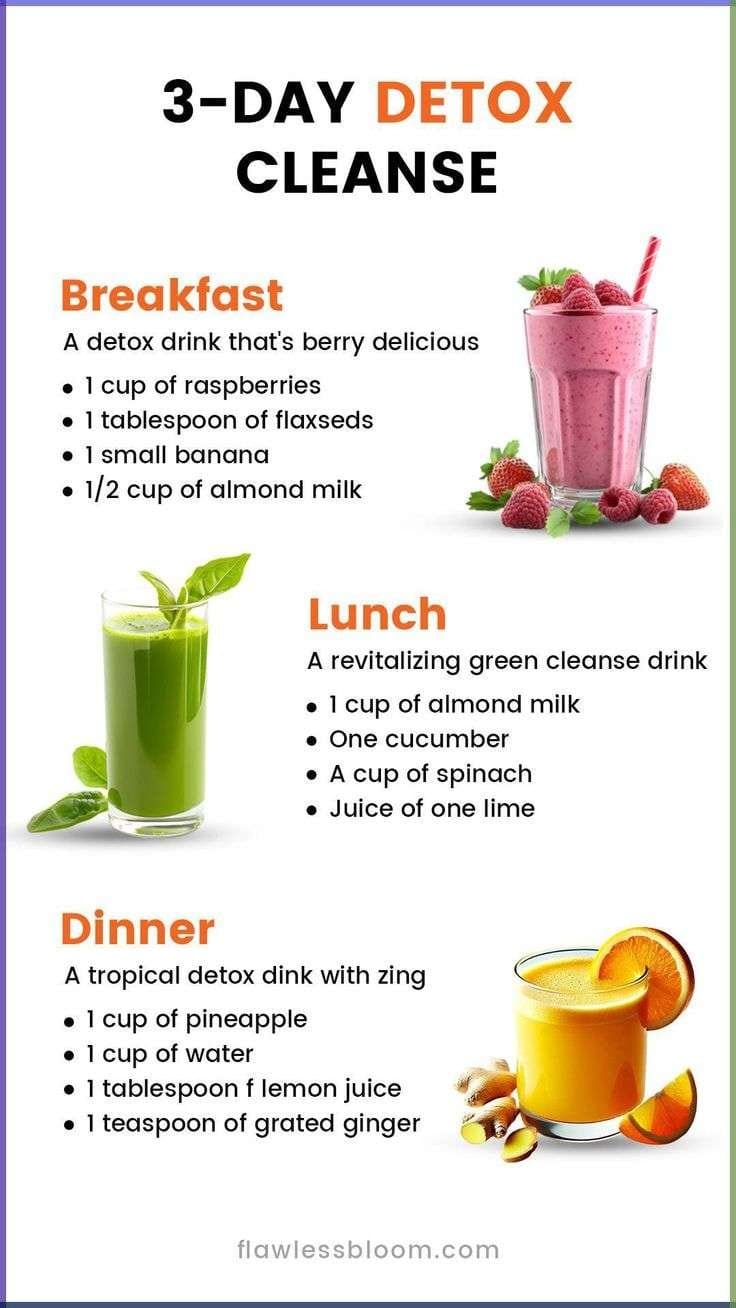
Benefits of juicing for detox
Juicing can offer immediate improvements in how you feel and may support longer-term habits that benefit health. You’ll often notice higher vegetable intake, more hydration, and simpler meal planning when you incorporate juices into your routine.
Increased intake of vitamins and antioxidants
Juices made from leafy greens, beets, carrots, and citrus fruits deliver concentrated vitamins like A, C, and K, and antioxidants such as flavonoids and carotenoids. These compounds play roles in reducing oxidative stress and supporting cellular repair processes in your liver and other tissues.
Hydration and electrolyte balance
Because juices are largely water, they help you stay hydrated while offering electrolytes like potassium and magnesium. Proper hydration supports your kidneys and helps facilitate the elimination of waste, which is central to a detox approach.
Reduced intake of processed foods and sugar
A structured juicing plan often replaces processed snacks and sugary beverages with whole-food juices, reducing added sugars and unhealthy fats. That reduction can lower inflammatory markers and give your digestive system a break from heavy foods.
Risks and limitations of juicing for detox
Juicing is not risk-free, and it’s important to understand what it can and cannot do. You should approach juicing with caution if you have certain medical conditions, are pregnant, or are taking medications that can interact with high doses of certain nutrients.
Nutrient gaps and fiber loss
When you juice, you remove most of the insoluble fiber from fruits and vegetables, which reduces the beneficial effects of fiber on satiety and gut motility. Over time, this can lead to blood sugar spikes from fruit juices and less support for the gut microbiome, so you’ll want to balance juices with whole-fiber foods.
Potential for blood sugar spikes
Fruit-heavy juices can deliver a large amount of sugar in a small volume, which may cause rapid rises in your blood glucose and insulin levels. If you have diabetes or insulin resistance, you should tailor juices to be lower in fruit and higher in vegetables and healthy fats.
Interactions with medications and conditions
Certain foods used in juices — for example, grapefruit — can interfere with drug metabolism and increase the risk of adverse effects. You should consult a healthcare professional if you take medication for blood pressure, cholesterol, blood thinners, or other chronic conditions before starting a juice protocol.
Types of juicing approaches
There isn’t a single way to use juicing for detox. You can choose from short-term juice fasts, juice-enhanced meals, or long-term juicing as part of a balanced diet. Each method has different goals and safety considerations.
Short-term juice fasts (1–7 days)
Short-term juice fasts involve consuming mostly or only fresh juices for a limited number of days to reduce calorie and solid food intake. You might feel lighter and more energized during a short fast, but you should avoid extended fasting without medical supervision.
Juice-enhanced eating plans
Juice-enhanced plans combine juices with whole-food meals and snacks so you get fiber and sustained energy. This is a more balanced and sustainable approach that helps incorporate the benefits of juicing without creating nutrient deficiencies or extreme caloric restriction.
Long-term juicing as part of daily routine
Some people drink one or two nutrient-dense juices daily as part of a healthy routine. This approach often focuses on vegetable-forward juices with moderate fruit and occasional additions like healthy fats or plant-based protein to maintain balance.
How juicing supports detox organs
You should understand how specific nutrients in juices can support organs that handle detoxification. The liver, kidneys, and skin especially benefit from hydration and certain antioxidants and compounds found in common juicing ingredients.
Liver support
Compounds like sulforaphane from cruciferous vegetables (e.g., kale, broccoli sprouts) and antioxidants from beets and berries help support liver-phase enzymes involved in detoxification. You’ll want to include sulfur-rich vegetables and colorful plants to support liver conjugation and elimination pathways.
Kidney support
Potassium and other electrolytes found in many vegetable juices support kidney function and fluid balance. Adequate hydration and avoidance of excessive protein or sodium help keep the kidneys functioning optimally as you support detox.
Improving circulation and lymphatic drainage
Juices high in nitrates, such as beet juice, can help improve blood flow and oxygen delivery, supporting tissue oxygenation and waste removal. Increased circulation and gentle movement (like walking or light yoga) help your lymphatic system work better alongside juicing.
What to expect during a juice detox
You should anticipate both positive and transient effects while on a juice detox. Symptoms can range from improved clarity to temporary fatigue or headaches as your body adjusts.
Early adjustments (first 1–3 days)
During the initial days, you might experience headaches, mood swings, or sugar cravings as your body adapts to lower calorie intake and fewer stimulants like caffeine. These effects often resolve after a few days as your body acclimates.
Mid-detox (days 4–7)
You may notice improved energy, reduced bloating, and clearer skin as inflammation decreases and hydration increases. Make sure to monitor your energy levels and adjust caloric intake if you feel lethargic or lightheaded.
Reintroduction phase
After a short juice detox, you should reintroduce whole foods gradually, starting with light, fiber-rich foods like steamed vegetables, salads, and gentle proteins. This helps prevent digestive upset and reestablishes normal gut motility.
Essential ingredients and their detox benefits
Choosing the right ingredients will determine the nutrient profile and health effects of your juices. You should aim for predominantly vegetables, some fruit for flavor, and specific additions that enhance nutrient absorption.
Leafy greens (kale, spinach, swiss chard)
Leafy greens are low in sugar and high in vitamins A, C, K, and folate, along with minerals like magnesium and iron. These greens provide chlorophyll, which may support detoxification processes and freshen breath naturally.
Cruciferous vegetables (broccoli, cabbage, kale)
Cruciferous vegetables contain sulfur compounds and glucosinolates, which support liver detoxification enzymes. Including these vegetables in juices or smoothies can fortify liver phase 2 detox pathways.
Beets and carrots
Beets are rich in betalains and nitrates, which support liver function and circulation. Carrots supply beta-carotene, a precursor to vitamin A, and are gentle on digestion while providing a sweet balance to tougher vegetables.
Citrus fruits (lemon, lime, grapefruit — use caution)
Citrus fruits contribute vitamin C, which assists antioxidant defenses and the regeneration of other antioxidants. Remember that grapefruit can interact with certain medications, so check with your provider before including it regularly.
Ginger and turmeric
Ginger supports digestion and can reduce nausea, while turmeric contains curcumin, an anti-inflammatory compound that may support liver health. Both can add flavor and therapeutic benefits when used in small amounts.
Herbs (parsley, cilantro, mint)
Fresh herbs are high in micronutrients and can freshen flavor; parsley and cilantro also contain compounds that some people find helpful for binding certain environmental contaminants. Herbs add variety and trace nutrients to keep juices interesting and nutrient-rich.
Juicer types and how to choose one
Selecting the right juicer affects nutrient retention, yield, and convenience. You’ll want to weigh cost, noise, cleaning time, and the types of produce you’ll juice most often.
Centrifugal juicers
Centrifugal juicers are faster and typically less expensive, using high-speed spinning blades to separate juice from pulp. They produce juice quickly, but heat and oxidation can reduce some sensitive nutrients and shorten shelf life.
Masticating (cold-press) juicers
Masticating juicers operate at slower speeds and crush produce to extract juice, preserving more nutrients and producing a richer yield. These are often quieter and better for leafy greens and wheatgrass, but they cost more and can be slower to process produce.
Triturating (twin-gear) juicers
Twin-gear juicers provide very high yield and preserve nutrients well by slowly grinding and compressing produce. They’re typically the most expensive, require more maintenance, and are favored by avid juicers who want maximum quality.
Blender vs juicer
A high-speed blender retains all fiber and creates a whole-food beverage (a smoothie) rather than a juice. You should use a blender if you want the benefits of fiber and a more filling drink, while a juicer is best when you want concentrated nutrients and gentler digestion.
How to prepare produce for juicing
Proper preparation ensures food safety, optimal yield, and a cleaner-tasting juice. You should focus on washing, trimming, and choosing the right produce for your device.
Washing and cleaning
Always wash produce thoroughly under running water to remove dirt, bacteria, and residues. For leafy greens and herbs, soak and rinse repeatedly until water runs clear to remove grit.
Peeling, core, and chop
For large or waxed produce like citrus and apples, you may peel or thoroughly wash before juicing, and core items like apples to avoid bitter seeds. Chop produce into sizes suitable for your juicer’s feed chute to prevent jams and increase efficiency.
Storage and freshness
Use produce as soon as possible for maximum nutrient content; most juices are best consumed within 24–48 hours if refrigerated. If you must store juice, fill glass jars to the top to limit oxidation and keep refrigerated.
Sample juice recipes and their benefits
Below are practical, balanced juice recipes that emphasize vegetables, contain moderate fruit, and include supportive ingredients for detox. You’ll find each recipe includes key benefits to help you choose according to your goals.
| Juice Name | Ingredients (approx for 16 oz) | Key benefits |
|---|---|---|
| Green Cleanser | 4 cups spinach, 1 cucumber, 1 green apple, 1 lemon, small piece ginger | High in vitamin K and C, hydrating, gentle taste |
| Liver Support | 1 beet, 2 carrots, 1 apple, 1/2 lemon, 1-inch turmeric | Supports liver enzymes, antioxidant-rich, anti-inflammatory |
| Morning Energizer | 2 oranges, 2 carrots, 1/2-inch ginger, 1/2 lemon | Vitamin C boost, gentle natural sugars for energy |
| Veggie Power | 2 stalks celery, 1 cucumber, 1 handful parsley, 1 green apple | Electrolyte support and diuretic effect from celery |
| Anti-Inflammatory | 1 cucumber, 2 carrots, 1-inch turmeric, pinch black pepper | Reduces inflammation and supports digestion |
Tips for modifying recipes
If you are sensitive to sugar, reduce or omit fruit and increase green vegetables and cucumber. You can also add a small scoop of plant-based protein powder or a tablespoon of flaxseed oil to a juice post-extraction for added satiety and healthy fats.
How to design a juicing detox plan
A good plan considers your current health, caloric needs, and objectives. You’ll want to pick a duration, balance juice types, and plan reintroduction phases to protect your metabolism and gut health.
Duration and goals
Decide whether you want a short reset (1–3 days) or a longer, structured plan (up to 7 days). Shorter plans are less disruptive and reduce the risk of nutrient deficiencies, while longer plans require more careful monitoring.
Daily structure
Aim for 4–6 servings of juices per day spaced 2–3 hours apart to sustain energy and hydration. Include at least one higher-vegetable juice and limit fruit-heavy juices to once or twice daily.
Reintroduction strategy
After the detox phase, gradually reintroduce whole foods starting with cooked vegetables and light proteins, then progress to raw fruits and nuts over several days. This helps your digestive system acclimate and reduces the likelihood of bloating or discomfort.
Sample 7-day gentle juice-enhanced plan
This plan integrates juices with small whole-food meals each day, providing nutrients while making the program sustainable. You should adapt portions and ingredients to your caloric needs and dietary restrictions.
Day 1–2: Focus on green and hydrating juices, one light salad or steamed veggies for lunch.
Day 3–4: Add nutrient-dense root vegetables like beets and carrots; include a small portion of lean protein at dinner.
Day 5–6: Include anti-inflammatory juices with turmeric and ginger; keep meals light and plant-forward.
Day 7: Transition back to regular meals starting with cooked vegetables, a whole grain, and a lean protein.
Example daily schedule
- Morning: 16 oz Green Cleanser juice plus water.
- Mid-morning: Light snack or small salad if needed.
- Lunch: 12–16 oz Veggie Power juice and a small portion of steamed vegetables.
- Afternoon: 12 oz Anti-Inflammatory or Liver Support juice.
- Evening: Light dinner (broth-based soup or steamed vegetables with fish or legumes).
Who should avoid juicing detoxes or use caution
Juicing is not suitable for everyone; you should take precautions if you fall into high-risk categories. Always consult a healthcare professional if you have chronic health conditions.
People with diabetes or blood sugar issues
If you have diabetes or prediabetes, fruit-heavy juices can destabilize your blood sugar levels. Opt for vegetable-centric juices and monitor your glucose if you attempt any juice regimen.
Pregnant or breastfeeding individuals
During pregnancy and lactation you need consistent calories and a variety of nutrients to support fetal and infant development. Extended juice fasting can lead to inadequate calorie and nutrient intake, so consult your provider.
People on certain medications
Medications such as blood thinners, blood pressure drugs, and statins can be affected by high doses of certain foods or sudden dietary changes. Talk to your doctor before beginning a juicing protocol if you take prescription medications.
Safety tips and practical advice
To keep your detox safe and effective, you’ll want to manage expectations, listen to your body, and maintain balanced nutrition. Small preparations go a long way toward success.
Stay hydrated and monitor electrolytes
Drink plain water between juices and consider adding a pinch of sea salt to a glass of water if you feel dizzy, which may indicate low sodium from reduced food intake. You can also include coconut water in moderation for natural electrolytes.
Get enough calories for your activity level
If you’re physically active or have high energy needs, include higher-calorie juices or a small healthy snack to avoid fatigue and muscle loss. Add nuts, seeds, or a small portion of lean protein in the evening for recovery.
Clean and maintain your equipment
Clean your juicer after each use to prevent bacterial growth and off-flavors. Regularly check seals, blades, and strainers to ensure safe operation and consistent juice quality.
Common myths and misconceptions
There are several myths surrounding detox juicing. You should be aware of what juicing can realistically do and where claims go beyond current scientific understanding.
Myth: Juices will “flush out” toxins instantly
No juice will magically remove all toxins overnight; your liver and kidneys perform detoxification continuously. Juices can support these organs with nutrients and hydration, but they are not a cure-all.
Myth: Extended juicing cleanses are always healthier
Long-term juice-only diets can cause nutrient deficiencies, loss of muscle mass, and metabolic slowdown if not properly supervised. Balance and reintroduction of whole foods are important for sustainable health.
Frequently asked questions (FAQ)
Answering typical concerns can help you make informed decisions and use juicing safely and effectively. You should read these answers and consult a professional for personalized guidance.
How often can you juice?
You can juice daily by including one or two vegetable-centric juices in your routine, or you can do intermittent short-term cleanses a few times per year. Balance frequency with whole-food intake to maintain fiber and protein needs.
Can juicing help with weight loss?
Juicing can support short-term weight loss by reducing caloric intake and eliminating processed foods, but long-term weight management depends on sustainable lifestyle changes and balanced nutrition. Combine juicing with healthy meals and physical activity for lasting results.
What about fiber loss when juicing?
Since most insoluble fiber is removed during juicing, consider adding blended smoothies, chia seeds, or consuming whole fruits and vegetables between juices to maintain fiber intake. Reintroduce fiber gradually after a juice cleanse to avoid digestive upset.
Shopping list and pantry essentials
Having the right ingredients on hand will make juicing simple and consistent. You should stock up on a variety of vegetables, some fruits for sweetness, and supportive herbs and spices.
| Category | Staples |
|---|---|
| Greens | Spinach, kale, Swiss chard, parsley |
| Vegetables | Cucumber, celery, carrots, beets, broccoli |
| Fruits | Apples, lemons, limes, small amounts of berries |
| Roots & spices | Ginger, turmeric, black pepper |
| Extras | Coconut water, cayenne, raw honey (sparingly) |
Tips for buying produce
Buy organic when possible for produce you consume frequently in juice, as juicing concentrates compounds found on the outer layers. Prioritize organic for leafy greens, apples, and root vegetables if budget allows.
Tracking results and adjusting the plan
You should measure success by how you feel, not just by immediate weight changes. Track energy levels, sleep quality, digestion, and mood to determine whether the juicing approach is working for you.
Keep a simple journal
Record what you drink, how you feel, and any symptoms like headaches or dizziness. Over time, patterns will emerge that help you tailor juices to your needs.
Make small adjustments
If you feel low on energy, add more calories or a protein source. If you experience bloating, reduce cruciferous vegetables temporarily and reintroduce them in cooked form later.
Troubleshooting common issues
If you experience unpleasant symptoms, there are practical steps you can take to reduce discomfort and make the detox more sustainable. You should be proactive in adjusting the plan and seeking help when needed.
Headaches and fatigue
These are common during the first days and may be related to caffeine withdrawal, low caloric intake, or dehydration. Increase water intake, include a light snack, and taper caffeine rather than cutting it abruptly.
Upset stomach or bloating
Reduce high-FODMAP or cruciferous vegetables and favour cooked vegetables for a few days if you have sensitive digestion. Add ginger to your juices to soothe nausea and support digestion.
Final considerations and long-term strategy
Juicing can be a helpful tool in your health toolkit when used sensibly and combined with whole-food nutrition. You should view juicing as one part of a broader strategy that includes varied foods, movement, and adequate sleep.
Make juicing sustainable
Rather than extreme cleanses, aim for moderate, vegetable-forward juices combined with whole foods. This approach is easier to maintain and more likely to produce lasting benefits.
Consult professionals when needed
If you have chronic health conditions or take medications, speak with a registered dietitian or healthcare professional before starting a juice detox. Personalized guidance ensures safety and helps you meet your unique nutritional needs.
Conclusion
If you approach juicing with realistic expectations and practical planning, it can support your body’s natural detox systems by increasing nutrients and hydration while reducing processed foods. You should tailor the approach to your lifestyle, monitor how you feel, and use juicing as part of a balanced, sustainable health plan rather than a quick fix.
Recommended Book:
Detox Juicing for Beginners: Simple Cleanse Juice Recipes for Energy, Digestion and Daily Wellness
As an Amazon Associate, we earn from qualifying purchases
Disclaimer
This content is for informational and educational purposes only and is not intended as medical advice. Always consult a qualified healthcare professional before making changes to your diet, especially if you have a medical condition, are pregnant, or are taking medication