
What Juicing Does for Your Liver is a question many people ask when considering a juice cleanse or detox program. While some claims suggest that juicing can remove toxins and completely cleanse the body, the reality is more complex. Understanding what juicing does for your liver starts with knowing how the liver naturally processes waste and supports overall health. This guide explores what juicing does for your liver, separates fact from fiction, and explains how fresh juices can fit into a healthy lifestyle without relying on unrealistic detox claims.
What Juicing Actually Does for Your Liver
What Juicing Actually Does for Your Liver is a question many people ask when considering a juice cleanse or detox program. Marketing claims often suggest that certain juices can flush toxins from the body or dramatically improve liver health, but the reality is more nuanced.
Understanding What Juicing Actually Does for Your Liver starts with understanding the liver itself. Your liver already works around the clock to process nutrients, filter substances, and support many essential functions throughout the body. While fresh juices can provide vitamins, minerals, and plant compounds, they do not replace the liver’s natural role.
In this guide, we’ll explore What Juicing Actually Does for Your Liver, separate common detox myths from established facts, and explain how fresh juice may fit into a healthy lifestyle. By the end, you’ll have a clearer understanding of What Juicing Actually Does for Your Liver and what realistic benefits you can expect from juicing.
What Juicing Actually Does for Your Liver
What Juicing Actually Does for Your Liver is often misunderstood. While many detox programs claim that juice can cleanse or flush toxins from the liver, that’s not how the liver works.
The Short Answer
Fresh juice does not detox your liver in the way many marketing claims suggest. Your liver already performs its own natural detoxification processes every day.
What fresh juice can do is provide vitamins, minerals, antioxidants, and plant compounds that may support overall health as part of a balanced diet.
What Juicing May Support
- Increased fruit and vegetable intake.
- Improved hydration.
- Greater intake of certain vitamins and antioxidants.
- Healthier eating habits when replacing less nutritious drinks.
What Juicing Cannot Do
- Remove toxins directly from the liver.
- Cure liver disease.
- Replace medical treatment.
- Instantly repair years of poor dietary habits.
The Bottom Line
When discussing What Juicing Actually Does for Your Liver, it’s important to separate realistic benefits from marketing promises. Fresh juice can be part of a healthy lifestyle, but the liver already has its own highly effective systems for processing and removing waste from the body.
How Juicing May Affect Liver Function
When discussing What Juicing Actually Does for Your Liver, it’s helpful to understand the basic ways nutrition can influence overall liver health.
1. Increased Fruit and Vegetable Intake
Many juice recipes contain fruits and vegetables that people may not otherwise consume regularly. This can increase the intake of vitamins, minerals, and plant compounds.
2. Changes to Daily Eating Habits
Some people use fresh juice to replace sugary drinks or less nutritious snacks. These changes may support broader healthy lifestyle habits.
3. Additional Antioxidants
Fruits and vegetables contain antioxidants that help protect cells from everyday stress. Many fresh juices provide these compounds in a convenient form.
4. Hydration Support
Because fresh juice contains a high water content, it can contribute to daily fluid intake when consumed as part of a balanced diet.
5. Supportive, Not Curative
Perhaps the most important point when discussing What Juicing Actually Does for Your Liver is that juice supports overall nutrition rather than directly detoxifying the liver. Healthy liver function depends on many factors, including diet, exercise, sleep, hydration, and overall lifestyle habits.
The Key Takeaway
What Juicing Actually Does for Your Liver is often much less dramatic than marketing claims suggest. Fresh juice may help support healthy eating patterns and increase nutrient intake, but it does not act as a special detox treatment or replace the liver’s natural functions.
What the Research Says
Research into What Juicing Actually Does for Your Liver is still limited. While some studies suggest that diets rich in fruits and vegetables may support overall health, there is little evidence that juicing alone can dramatically improve liver function or “detox” the body.
What Studies Suggest
Researchers have explored the effects of fruit- and vegetable-rich diets on various aspects of health. These studies often show benefits associated with increased produce consumption, healthy weight management, and improved dietary habits.
What We Still Don’t Know
Many studies are short-term and involve small groups of participants. Because of this, it can be difficult to determine whether any observed benefits come from juicing itself or from broader lifestyle changes that often accompany it.
What Experts Agree On
Most health experts agree that the liver already performs its own natural detoxification processes. While fresh juices can be part of a nutritious diet, they should not be viewed as a cure for liver conditions or a substitute for medical care.
The Bottom Line
Current evidence does not support the idea that juice cleanses can detox the liver. However, fresh juices may help increase fruit and vegetable intake, which can contribute to overall health when combined with a balanced lifestyle.
Ingredients That May Support Liver Health
When discussing What Juicing Actually Does for Your Liver, it’s important to focus on the nutrients found in fruits and vegetables rather than detox claims.
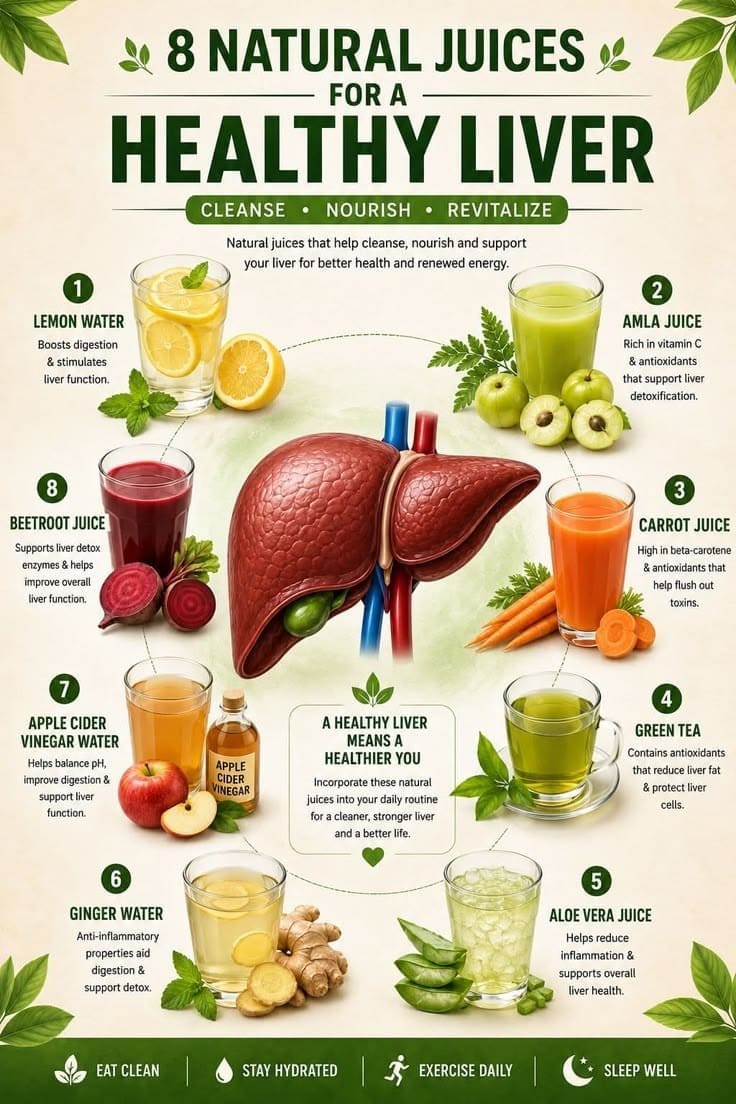
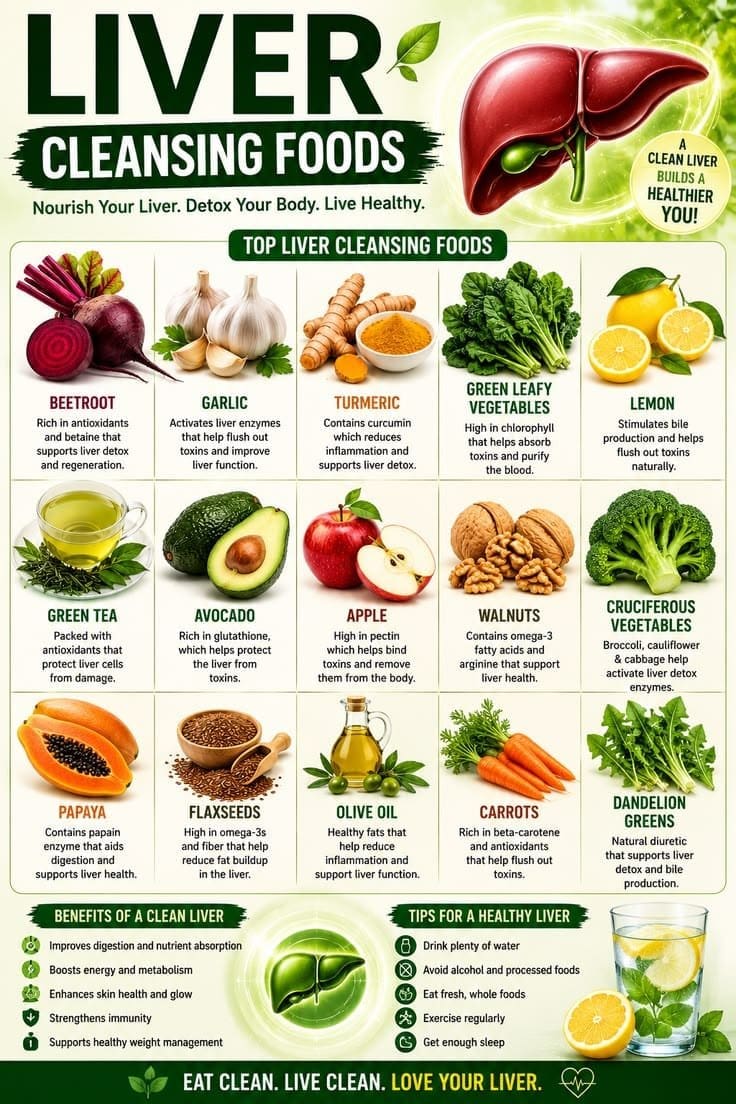
Beetroot
Beetroot is often included in liver-support recipes because it contains naturally occurring plant compounds and antioxidants. Its earthy flavor pairs well with apples, carrots, and citrus fruits.
Citrus Fruits
Oranges, lemons, and grapefruits are popular additions to fresh juices. They provide vitamin C and add a bright, refreshing flavor to homemade blends.
Leafy Greens
Ingredients such as spinach, kale, and cucumber are commonly used in green juices. They can help increase vegetable intake and are a staple in many healthy juice recipes.
Ginger and Turmeric
These ingredients are frequently included in wellness shots and juice recipes. Their bold flavors make them popular additions to fresh juices and smoothies.
Carrots
Carrots provide natural sweetness and are one of the most common ingredients used in homemade juices. They pair well with both fruits and vegetables.
Simple Juice Ideas
Beet and Apple Juice
A classic combination that balances the earthy flavor of beetroot with the sweetness of apple.
Green Juice
A blend of leafy greens, cucumber, and a touch of fruit for flavor.
Citrus and Ginger Juice
A refreshing option that combines citrus fruits with fresh ginger.
Carrot and Apple Juice
One of the most beginner-friendly juice combinations thanks to its naturally sweet taste.
A Balanced Perspective
When considering What Juicing Actually Does for Your Liver, remember that no single ingredient can detox or cleanse the liver. Fresh juices can be a convenient way to enjoy a variety of fruits and vegetables, but they work best as part of an overall healthy lifestyle rather than as a quick fix.
When Juicing May Not Be the Right Choice
While fresh juice can be part of a healthy lifestyle, it’s important to understand that it isn’t suitable for everyone.
Watch Out for Excess Sugar
Some fruit-based juices can contain large amounts of natural sugar. Drinking these regularly may not align with everyone’s health goals, especially when vegetables are limited.
Medication Interactions
Certain fruits, including grapefruit, may interact with medications. If you take prescription medications, check with your healthcare provider or pharmacist before making significant dietary changes.
Juice Cleanses Are Not for Everyone
Extended juice-only cleanses can be difficult to maintain and may not provide the balance of nutrients found in a varied diet. Most people benefit more from including fresh juice alongside healthy meals rather than relying on juice alone.
People Who Should Take Extra Care
Speak with a healthcare professional before starting a juicing routine if you:
- Have diabetes or blood sugar concerns.
- Are pregnant or breastfeeding.
- Have a liver condition or another chronic health condition.
- Take prescription medications that may interact with certain foods.
Listen to Your Body
If a particular juice recipe makes you feel unwell, adjust the ingredients or stop using it. Fresh juice should complement a healthy lifestyle, not make you feel worse.
The Bottom Line
Understanding What Juicing Actually Does for Your Liver also means understanding its limitations. Fresh juice can be a nutritious addition to a balanced diet, but it is not risk-free, and it should never replace medical advice or treatment when health concerns are present.
How Long Does It Take to Notice a Difference?
When discussing What Juicing Actually Does for Your Liver, it’s important to have realistic expectations. Fresh juice is not a quick fix, and noticeable changes usually depend on your overall diet and lifestyle.
The First Few Days
Some people report feeling more hydrated and motivated to make healthier food choices after adding fresh juice to their routine.
After Several Weeks
When fresh juice is part of a balanced diet, people may notice improvements in their overall eating habits and consistency with fruit and vegetable intake.
Long-Term Results
Meaningful health improvements typically come from sustainable lifestyle habits rather than any single food or drink. Regular physical activity, quality sleep, balanced nutrition, and maintaining a healthy weight all play important roles in supporting liver health.
Set Realistic Expectations
One of the biggest misconceptions about What Juicing Actually Does for Your Liver is that results should be immediate. In reality, lasting health changes usually develop gradually over time through consistent healthy habits.
The Bottom Line
Fresh juice can be a helpful addition to a healthy lifestyle, but it should be viewed as one piece of the puzzle rather than a standalone solution for liver health.
Juicing vs Whole Foods: Which Is Better for Liver Health?
When discussing What Juicing Actually Does for Your Liver, it’s helpful to compare juicing with other approaches to healthy eating.
Juicing
Fresh juice can be a convenient way to increase your intake of fruits and vegetables. Many people enjoy juicing because it makes it easier to consume a wider variety of produce.
Pros
- Convenient and easy to consume.
- Encourages fruit and vegetable intake.
- Can be a refreshing alternative to sugary drinks.
Cons
- Removes much of the fiber.
- May contain more natural sugar than expected.
- Should not replace balanced meals.
Whole Foods
Whole fruits and vegetables provide the same nutrients along with the fiber that naturally occurs in the food.
Pros
- Retains fiber.
- Often more filling.
- Supports balanced eating habits.
Cons
- May require more preparation.
- Some people find it harder to eat large amounts of produce.
What About Detox Programs?
Many detox programs claim to cleanse or reset the body. However, your liver already performs its own natural detoxification processes. Fresh juice can be part of a healthy lifestyle, but it is not a substitute for medical care or a proven detox treatment.
Which Option Wins?
For most people, whole fruits and vegetables should form the foundation of a healthy diet. Fresh juice can be a useful addition, but it works best alongside balanced meals rather than replacing them.
The Bottom Line
When considering What Juicing Actually Does for Your Liver, whole foods generally offer the greatest overall nutritional value because they retain fiber and provide a more complete eating experience. Juicing can still play a role, but it should be viewed as a supplement to healthy eating rather than a replacement for it.
A Simple 14-Day Juicing Plan
If you’d like to explore What Juicing Actually Does for Your Liver, a balanced approach is usually the safest and most sustainable option.
Days 1–5: Start Simple
Begin by adding one fresh juice each day alongside your normal meals.
Popular combinations include:
- Beet and apple
- Carrot and orange
- Cucumber and spinach
- Apple and ginger
Focus on consistency rather than making dramatic changes.
Days 6–10: Add More Variety
Experiment with different fruits and vegetables to increase variety.
Try including:
- Leafy greens
- Citrus fruits
- Carrots
- Beets
- Ginger
- Turmeric
Continue eating balanced meals and avoid replacing all food with juice.
Days 11–14: Build Long-Term Habits
By this stage, focus on creating a routine you can maintain.
Simple ideas include:
- A fresh juice with breakfast.
- A green juice as an afternoon refreshment.
- Using juice as a way to increase vegetable intake.
General Tips
- Drink plenty of water throughout the day.
- Include a variety of fruits and vegetables.
- Continue eating balanced meals.
- Listen to your body’s response.
- Choose a routine that feels sustainable.
The Goal
The purpose of this plan is not to detox the liver. Instead, it is designed to help you increase your intake of fruits and vegetables and develop healthier habits over time.
When considering What Juicing Actually Does for Your Liver, long-term consistency is far more important than any short-term cleanse or restrictive program.
When to Speak With Your Doctor
Most healthy adults can enjoy fresh juice as part of a balanced diet. However, it may be a good idea to speak with your healthcare provider before making significant dietary changes if you:
- Have a liver condition.
- Have diabetes or blood sugar concerns.
- Are pregnant or breastfeeding.
- Take prescription medications.
- Have any chronic health condition that requires ongoing medical care.
Your healthcare provider can help you determine whether a juicing routine is appropriate for your individual circumstances.
Conclusion: What Juicing Actually Does for Your Liver
What Juicing Actually Does for Your Liver is often much less dramatic than detox marketing claims suggest. Fresh juice does not cleanse the liver or remove toxins from the body. Instead, it can be a convenient way to increase your intake of fruits and vegetables as part of a healthy lifestyle.
While certain ingredients such as beets, citrus fruits, leafy greens, ginger, and carrots are popular choices in homemade juices, no single juice can replace balanced nutrition, regular exercise, quality sleep, and other healthy habits that support overall wellbeing.
Simple Next Steps
- Add one fresh juice to your routine a few times per week.
- Focus on a variety of fruits and vegetables rather than a single “superfood.”
- Continue eating balanced meals that include whole foods.
- Stay hydrated and maintain healthy lifestyle habits.
- Speak with your healthcare provider if you have a medical condition or concerns about dietary changes.
Final Thoughts
When it comes to What Juicing Actually Does for Your Liver, the evidence points to a simple conclusion: fresh juice may support healthy eating habits, but it is not a miracle detox. The best approach is to view juicing as one part of a balanced lifestyle rather than a quick fix for liver health.
Recommended Book
Detox Juicing for Beginners: Simple Cleanse Juice Recipes for Energy, Digestion and Daily Wellness
Why We Recommend It
This beginner-friendly guide focuses on fresh juice recipes and practical wellness habits rather than extreme detox claims. It introduces simple ingredients, easy-to-follow recipes, and sustainable ways to add more fruits and vegetables to your diet. Readers interested in What Juicing Actually Does for Your Liver will appreciate its balanced approach to juicing as part of an overall healthy lifestyle rather than a miracle cure or quick-fix cleanse.
Frequently Asked Questions
Does juicing detox your liver?
No. One of the biggest misconceptions about What Juicing Actually Does for Your Liver is that juice can cleanse or detox the liver. In reality, your liver already performs its own natural detoxification processes. Fresh juice may support healthy eating habits, but it is not a detox treatment.
How long does it take to notice benefits from juicing?
Results vary from person to person. Some people notice improvements in their overall eating habits and hydration within days, while broader health benefits typically depend on consistent lifestyle choices over time.
Can juicing harm the liver?
For most healthy people, moderate juicing can be part of a balanced diet. However, excessive juice consumption or restrictive juice-only cleanses may not be suitable for everyone. If you have a medical condition or take prescription medications, speak with your healthcare provider before making significant dietary changes.
What juices are commonly associated with liver health?
Popular ingredients include beetroot, leafy greens, citrus fruits, carrots, ginger, and turmeric. These ingredients are frequently used in homemade juice recipes because they contain a variety of vitamins and plant compounds.
Can juicing cure fatty liver disease?
No. Fresh juice is not a cure for fatty liver disease or any other liver condition. Medical advice, healthy lifestyle habits, and professional care remain important for managing liver-related health concerns.
Is juicing safe while taking medication?
Some fruits and ingredients may interact with certain medications. If you take prescription medicines, check with your healthcare provider or pharmacist before starting a regular juicing routine.
Do I need a juice cleanse to support liver health?
No. Most people can enjoy fresh juice as part of a balanced diet without following a restrictive cleanse. Consistent healthy habits are generally more important than short-term detox programs.
What Juicing Actually Does for Your Liver?
Fresh juice can help increase your intake of fruits and vegetables and support healthy eating habits. However, it does not remove toxins from the liver or replace the body’s natural detoxification processes.
Key Takeaways
- What Juicing Actually Does for Your Liver is often misunderstood. Fresh juice does not detox or cleanse the liver, as the liver already performs its own natural detoxification processes.
- Fresh juice can be a convenient way to increase your intake of fruits and vegetables as part of a balanced lifestyle.
- Ingredients such as beetroot, leafy greens, citrus fruits, carrots, ginger, and turmeric are commonly used in liver-support recipes.
- Whole fruits and vegetables remain important because they provide fiber that is largely removed during the juicing process.
- The best results come from consistent healthy habits, including balanced nutrition, regular physical activity, adequate sleep, and proper hydration.
- Juicing can be a useful addition to a healthy diet, but it should not be viewed as a miracle detox or a replacement for medical care.
Disclaimer: This content is for informational and educational purposes only and is not intended as medical advice. Always consult a qualified healthcare professional before making changes to your diet, especially if you have a medical condition, are pregnant, or are taking medication.
As an Amazon Associate, we earn from qualifying purchases.