
Introduction — Juice Fasting for Beginners
Juice fasting for beginners is one of the most searched wellness topics for good reason — it promises a clean reset, more energy, clearer skin, and a straightforward way to flood your body with nutrients without the complexity of a full diet overhaul. But starting juice fasting without the right guidance can leave you feeling worse, not better.
This juice fasting for beginners guide covers everything you need to start safely: which juices to drink, how long to fast, what to realistically expect day by day, and how to approach juice fasting if you’re managing a health condition like high blood pressure or high cholesterol. Whether you’re planning a one-day reset or a full seven-day juice fast, the information here will help you do it properly.
What Is Juice Fasting?
Juice fasting means replacing some or all solid meals with fresh fruit and vegetable juices for a set period — typically one to seven days — while maintaining adequate fluid and electrolyte intake. Juice fasting differs from simply adding juice to your diet, and it’s not the same as blending or making smoothies, because the juicing process removes most of the fibre, which changes how your body digests and absorbs nutrients.
Done correctly, a short juice fast can give your digestive system a rest, increase your intake of vitamins, minerals, and antioxidants, and help break unhealthy eating patterns. Done poorly, juice fasting can cause blood sugar swings, fatigue, and in some cases, dangerous interactions with medication.
Five things to know before you start juice fasting:
- Who it’s for: Adults in general good health who have been cleared by a clinician — not those who are pregnant, on unstable medications, or managing uncontrolled diabetes.
- What you’ll be drinking: Three to five vegetable-forward juices per day, focused on nitrates, greens, and low-sugar fruits.
- How long to fast: Beginners should start with one to three days. Four to seven days is suitable for those with some experience. Avoid repeated long fasts without medical supervision.
- How much to drink: Aim for two to three litres of fluid per day, including water alongside your juices.
- When to stop: If you experience dizziness, heart palpitations, significant blood sugar drops, or feel unwell — stop and eat something. Juice fasting is not worth pushing through at the expense of your health.
Five things to know before you start:
- Who it’s for: Adults in general good health who have been cleared by a clinician — not those who are pregnant, on unstable medications, or managing uncontrolled diabetes.
- What you’ll be drinking: Three to five vegetable-forward juices per day, focused on nitrates, greens, and low-sugar fruits.
- How long to fast: Beginners should start with one to three days. Four to seven days is suitable for those with some experience. Avoid repeated long fasts without medical supervision.
- How much to drink: Aim for two to three litres of fluid per day, including water alongside your juices.
- When to stop: If you experience dizziness, heart palpitations, significant blood sugar drops, or feel unwell — stop and eat something. Juice fasting is not worth pushing through at the expense of your health.
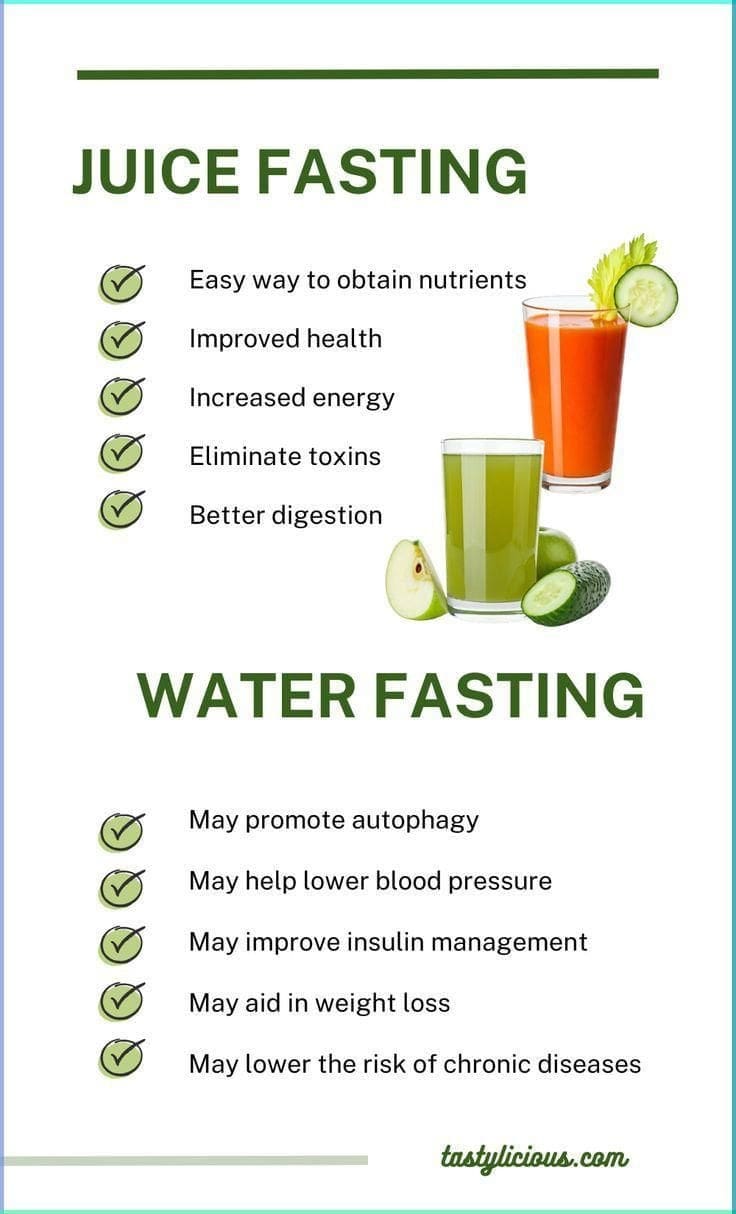
The Science Behind Juice Fasting — Does It Actually Work?
The evidence on juice fasting is honest rather than dramatic. Short-term juice fasting of one to three days has been shown to increase antioxidant levels, reduce inflammatory markers, and support short-term weight loss — primarily through caloric restriction rather than any detoxification effect. The idea that juice fasting “detoxes” the liver or kidneys is not supported by clinical evidence; your liver and kidneys handle detoxification continuously and don’t need a juice fast to function.
What juice fasting for beginners does do well is act as a pattern interrupt. For people who rely heavily on processed food, alcohol, or excess sugar, a structured juice fast can reset taste preferences, reduce cravings, and serve as a practical entry point into a healthier overall diet.
What the research shows about juice fasting:
- Short juice fasts of one to three days are associated with modest reductions in body weight and waist circumference in small studies
- Nitrate-rich juices such as beetroot have shown consistent systolic blood pressure reductions of around 3–6 mmHg in clinical trials
- Polyphenol-rich juices from pomegranate and berries show improvements in endothelial function and modest LDL reductions over four to twelve weeks
- Fibre loss during juice fasting reduces satiety and can cause blood sugar spikes in fruit-heavy blends — vegetable-forward recipes reduce this risk significantly
Best Juices for a Beginner Fast — Ingredients and Recipes
The foundation of any effective juice fasting for beginners plan is keeping sugar low and nutrient density high. The following recipes are designed specifically for those new to juice fasting and cover the most common goals: energy, blood pressure support, digestion, and skin health.
Green Morning Juice
A gentle, alkalising start to the day that delivers potassium, magnesium, and chlorophyll without a sugar spike.
You’ll need: Spinach, cucumber, celery, green apple (half only), and a squeeze of lemon.
Method:
- Wash all ingredients thoroughly
- Chop into pieces suitable for your juicer
- Juice the spinach and celery first, then cucumber, then apple
- Finish with a squeeze of fresh lemon
- Serve immediately or refrigerate in an airtight glass bottle for up to 24 hours
Why it works: Spinach and celery deliver potassium and natural nitrates; cucumber adds hydration and dilutes the sugar from apple; lemon brightens the flavour and adds vitamin C.
Beetroot Blood Pressure Blend
The strongest evidence-backed juice for cardiovascular support during a juice fast.
You’ll need: Raw beetroot, carrot, orange (half), and a small piece of fresh ginger.
Method:
- Wash and peel the beetroot; scrub the carrots
- Chop into small pieces to fit your juicer chute
- Juice the beetroot first, then carrots, then orange and ginger
- Stir well and consume within six to twelve hours for maximum nitrate activity
Why it works: Beetroot provides concentrated dietary nitrates that convert to nitric oxide and support vasodilation. Clinical trials consistently report systolic blood pressure reductions of 3–6 mmHg with regular intake. Ginger adds anti-inflammatory compounds and improves the flavour significantly.
Frequency during a juice fast: Once daily, ideally mid-morning.
Gut Reset Green Juice
Gut Reset Green Juice
Ideal for days two and three of juice fasting when digestion slows and the body needs support.
You’ll need: Kale, cucumber, celery, lemon, and a small piece of fresh turmeric or ginger.
Method:
- Wash everything thoroughly
- Juice the kale first to maximise extraction, then celery, then cucumber
- Add lemon and turmeric last
- Dilute with a small amount of water if the flavour is too strong
Why it works: Kale provides magnesium, vitamin K, and antioxidants. Turmeric’s active compound curcumin has well-documented anti-inflammatory properties. This is a low-sugar, high-nutrient combination that supports the liver and digestive system during a juice fast.
Your 7-Day Juice Fasting Plan for Beginners
This juice fasting for beginners plan is structured in phases so your body adjusts gradually. If at any point during your juice fast you feel unwell, dizzy, or experience heart palpitations, stop and eat a small whole-food meal.
- Days 1–2 — Preparation and Introduction: Don’t go straight into a full juice fast. In the two days before you begin, reduce caffeine, alcohol, processed food, and meat. Start replacing one meal per day with a green juice. This reduces the shock to your system and significantly reduces headaches and fatigue on day one of the fast.
- Days 3–4 — The Juice Fast Begins: Replace all meals with three to five juices spread throughout the day. Keep a gap of two to three hours between each juice. Drink plenty of water in between — aim for at least two litres alongside your juices. Expect some fatigue and mild hunger on day three; this typically eases by day four as the body adapts to juice fasting.
- Days 5–6 — Deepening the Reset: Energy usually returns by day five for most people new to juice fasting. This is the stage where many beginners report clearer skin, improved sleep, and reduced bloating. Continue with your juice schedule and introduce herbal teas — peppermint and ginger work well — to manage any remaining hunger.
- Day 7 — Breaking the Juice Fast: This is arguably the most important day of your juice fasting plan. Do not break a juice fast with a large meal. Start with fruit, then move to raw vegetables, then lightly cooked food by the evening. Reintroducing heavy food too quickly after juice fasting can cause significant digestive discomfort.
Juice Fasting for Specific Goals
-
Juice fasting for beginners looks different depending on what you’re trying to achieve. Here’s how to tailor your juice fast to your specific goal.
-
For weight loss: Juice fasting creates a caloric deficit, which produces short-term weight loss. Most of the initial loss is water weight. To make the results last beyond the juice fast, use it as a springboard into a whole-food, plant-rich diet rather than returning to previous eating habits immediately.
- For high blood pressure: Focus your juice fasting recipes on beetroot, celery, spinach, and pomegranate. Avoid high-fruit blends which can spike blood sugar and add unnecessary sugar load. If you’re on antihypertensive medication, monitor your blood pressure twice daily and consult your GP before starting a juice fast longer than one day.
- For clearer skin: Cucumber, lemon, and green leafy juices are the most consistently reported skin-supporting combinations during a juice fast. The improvements most people notice are likely linked to increased hydration and micronutrient intake rather than any specific detox effect.
- For better sleep and stress: Magnesium-rich juices — spinach, kale, and celery — support nervous system function and may improve sleep quality during and after juice fasting. Avoid high-sugar fruit juices in the evening as these can disrupt blood sugar and interfere with sleep.
Juice Fasting Safety — Who Should Be Careful
Juice fasting is not suitable for everyone. The following groups should speak to a GP or clinician before attempting any juice fast:
- People taking blood pressure medication, blood thinners, or statins
- Those managing type 1 or type 2 diabetes
- Pregnant or breastfeeding women
- Anyone with a history of eating disorders
- Seniors over 65, particularly those on diuretics or with kidney concerns
Grapefruit warning: Grapefruit interacts with a wide range of medications including statins and calcium-channel blockers. Avoid it entirely during a juice fast unless your pharmacist has confirmed it’s safe.
Signs to stop juice fasting immediately: Dizziness, fainting, heart palpitations, severe headache, significant blood sugar drops, or any feeling of serious unwellness. Break the juice fast with a small amount of food and seek medical advice if symptoms persist.
Juicer Guide — What You Need for a Juice Fast
A juice fast puts more demand on your juicer than occasional juicing. When juice fasting for beginners, you’ll be using your juicer three to five times per day, so reliability and ease of cleaning matter as much as performance.
Masticating juicers are the better choice for juice fasting for beginners. They extract more juice from leafy greens and beetroot — typically 10–20% more than centrifugal models — and the juice keeps for longer, up to 72 hours refrigerated, which means you can batch-make morning and evening rather than juicing five times a day.
Centrifugal juicers are faster and easier to clean but produce juice that degrades more quickly and extracts less from greens and soft produce. If you already own one, it will work for a juice fast — just juice fresh each time rather than storing.
What else you’ll need for juice fasting:
- Airtight glass bottles for storage
- A blood pressure monitor if you’re juice fasting for cardiovascular reasons
- A digital kitchen scale for consistent recipe quantities
- A notebook or simple app for logging how you feel each day during your juice fast
Frequently Asked Questions
Is juice fasting safe for beginners?
Juice fasting for beginners is generally safe when kept to one to three days. Longer juice fasts carry more risk and should be approached with medical guidance, particularly if you take any regular medication or have an existing health condition.
How much weight can you lose on a juice fast?
Most people lose between one and three kilograms over a three to seven day juice fast, though much of this is water weight. Sustainable fat loss requires dietary changes beyond the juice fast itself.
Can I exercise during a juice fast?
Light exercise such as walking or gentle yoga is fine during juice fasting for beginners. Avoid high-intensity training during the first few days as your caloric intake will be significantly reduced. Listen to your body and rest if you feel lightheaded or fatigued.
What can I drink besides juice during a fast?
Water, herbal teas, and coconut water in small amounts are all suitable during a juice fast. Avoid caffeinated drinks, alcohol, and fizzy drinks throughout.
Will juice fasting lower my blood pressure?
Nitrate-rich juices such as beetroot have clinical evidence supporting modest blood pressure reductions of around 3–6 mmHg. However, juice fasting for beginners alone is not a treatment for hypertension — it should complement, not replace, medical care and prescribed medication.
Key Takeaways
- Start juice fasting for beginners with one to three days before attempting a longer fast — your body needs time to adjust and shorter juice fasts carry significantly less risk
- Keep juice fasting recipes vegetable-forward and low in sugar; fruit-heavy juices spike blood sugar and reduce the effectiveness of your fast
- Drink two to three litres of fluid per day including water alongside your juices throughout the juice fast
- Break your juice fast gradually — reintroducing solid food too quickly causes digestive discomfort and undoes much of the benefit
- If you’re on any medication, speak to your GP before starting juice fasting for beginners — a juice fast can interact with blood pressure drugs, statins, and diabetes medication
Recommended Reading
If you’d like to explore juicing beyond a beginner fast, Juice Fasting for Beginners: A Practical Guide to Your First Juice Fast takes you through everything in one practical guide — from your first one-day reset to a full seven-day plan with recipes, shopping lists, and day-by-day guidance.
Disclaimer
This content is for informational and educational purposes only and is not intended to provide medical advice, diagnosis, or treatment. Always consult your physician or qualified healthcare provider before making changes to your diet, supplements, medications, or health routine. Never disregard professional medical advice or delay seeking it because of something you read here.
As an Amazon Associate, we earn from qualifying purchases.