Juicing for Athletes — What You Need to Know
Juicing for Athletes is a practical way to increase the intake of vitamins, minerals, antioxidants, and hydration-supporting nutrients that can complement an active lifestyle. Whether your goal is endurance, recovery, or overall performance, fresh juices can be an easy addition to a balanced nutrition plan. This guide explores the best ingredients, simple recipes, preparation tips, and ways to make Juicing for Athletes part of your training routine.
Juicing for Athletes: Who This Guide Is For
Juicing for Athletes is a practical way to support training, recovery, hydration, and overall performance through nutrient-rich fruits and vegetables. Whether you’re an endurance athlete, strength trainer, recreational runner, cyclist, or active fitness enthusiast, fresh juice can be a useful addition to a balanced nutrition plan.
Many athletes use fresh juices to increase their intake of vitamins, minerals, antioxidants, and naturally occurring nutrients that support an active lifestyle. When combined with proper training, hydration, recovery, and balanced meals, Juicing for Athletes can help you maintain a consistent approach to performance nutrition.
In this guide, you’ll discover the best ingredients for Juicing for Athletes, easy recipes, preparation tips, juicer options, and practical ways to include fresh juice in your training routine.
Why Athletes Use Juicing
Juicing for Athletes is often used to support performance, recovery, hydration, and overall wellness. Many fruits and vegetables contain nutrients that can complement an active lifestyle and help athletes maintain a balanced nutrition plan.
Supporting Performance
Certain ingredients, such as beetroot, are popular among athletes because they are commonly included in pre-workout juice recipes. Many endurance athletes use beetroot-based juices as part of their training nutrition strategy.
Antioxidants and Recovery
Colourful fruits and vegetables contain antioxidants that help support recovery after exercise. Ingredients such as berries, cherries, citrus fruits, carrots, and leafy greens are frequently used in Juicing for Athletes because of their nutrient content.
Hydration and Daily Nutrition
Fresh juices can also contribute to hydration while providing vitamins and minerals from whole-food ingredients. Combining a variety of fruits and vegetables helps create balanced recipes that fit easily into an athlete’s routine.
Consistency Matters
Juicing for Athletes works best when it complements a well-rounded approach to training that includes proper nutrition, hydration, recovery, sleep, and regular exercise. Fresh juice is most effective as part of an overall performance plan rather than as a stand-alone solution.
Top Recipes for Juicing for Athletes
Pre-Workout Beetroot Juice
Ingredients
- 1 small beetroot
- 1 apple
- Juice of ½ lemon
Why it works
A popular pre-workout juice that combines natural sweetness with ingredients commonly used by endurance athletes.
Post-Workout Cherry Recovery Juice
Ingredients
- Tart cherries
- Pineapple
- Small piece of fresh ginger
Why it works
A refreshing recovery juice that fits well into a post-training nutrition routine.
Green Hydration Juice
Ingredients
- Cucumber
- Celery
- Lemon
- Handful of spinach
Why it works
Provides a light and refreshing option that can be enjoyed throughout the day.
Citrus Performance Juice
Ingredients
- Orange
- Carrot
- Lemon
Why it works
Combines bright flavours with nutrient-rich ingredients that are easy to include in an active lifestyle.
Tropical Recovery Juice
Ingredients
- Pineapple
- Orange
- Cucumber
Why it works
A simple juice that combines hydration with naturally sweet fruit flavours.
Simple Green Athlete Juice
Ingredients
- Kale
- Cucumber
- Celery
- Green apple
Why it works
A vegetable-forward recipe that works well as part of a balanced Juicing for Athletes routine.
Berry and Pomegranate Juice
Ingredients
- Mixed berries
- Pomegranate
- Apple
Why it works
A colourful juice that adds variety and antioxidant-rich ingredients to your nutrition plan.
For Juicing for Athletes, focus on recipes that support training, hydration, energy, and recovery rather than trying to solve multiple unrelated health concerns with a single juice.
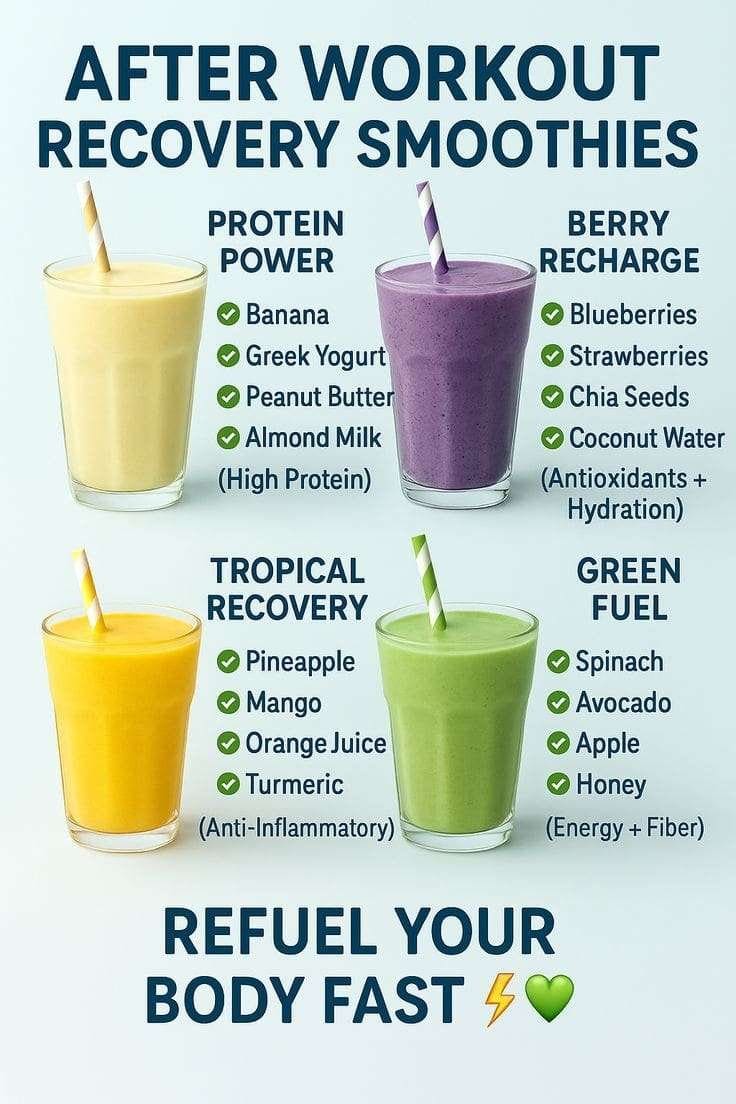
Juicing vs Smoothies and Whole Foods
When it comes to Juicing for Athletes, each option has its own advantages depending on your goals and training schedule.
Fresh Juice
- Quick and convenient.
- Easy to consume before or after training.
- Provides vitamins, minerals, and nutrients from fruits and vegetables in a concentrated form.
Smoothies
- Retain the fibre from fruits and vegetables.
- Can be combined with protein-rich ingredients.
- Often more filling than juice alone.
Whole Foods
- Provide natural fibre and a wide range of nutrients.
- Support a balanced long-term nutrition plan.
- An important part of any athlete’s diet.
Which Option Is Best?
For Juicing for Athletes, fresh juice can be a useful choice when you want a light, easy-to-drink option around training sessions. Smoothies are often preferred when additional calories and protein are needed, while whole foods remain the foundation of a balanced nutrition plan.
Many athletes use a combination of all three depending on their goals, training schedule, and personal preferences.
How to Start Juicing for Athletes
If you’re new to Juicing for Athletes, keep the process simple and focus on consistency rather than complexity.
1. Choose Your Goal
Decide whether your main focus is energy, hydration, endurance, recovery, or overall nutrition.
2. Start with One or Two Recipes
Pick a couple of simple juices that fit your training routine and learn what ingredients you enjoy most.
3. Choose a Juicer
Select a juicer that matches your budget and how often you plan to make fresh juice.
4. Begin with Small Servings
Start with modest portions and gradually make adjustments based on your preferences and training schedule.
5. Time Your Juice Around Training
Many athletes enjoy fresh juice before workouts for energy or after training as part of their recovery routine.
6. Pay Attention to Your Routine
Notice how your chosen juices fit into your overall nutrition and training plan.
7. Stay Consistent
The benefits of Juicing for Athletes are most likely to come from regular use alongside balanced meals, hydration, recovery, and proper training.
Simple Beginner Schedule
Training Days
- Pre-workout: Beetroot-based or citrus-based juice.
- Post-workout: Cherry, pineapple, or recovery-focused juice.
Rest Days
- Green vegetable-based juice.
- Focus on hydration and balanced nutrition.
Juicing for Athletes works best when it supports an already healthy training routine rather than replacing balanced meals or whole foods.
Choosing a Juicer for Juicing for Athletes
The right juicer can make Juicing for Athletes more convenient and easier to maintain as part of a regular training routine.
Masticating Juicers
- Work well with leafy greens and vegetables.
- Operate more slowly and quietly.
- Popular among people who juice regularly.
Centrifugal Juicers
- Fast and easy to use.
- Often a good choice for beginners.
- Suitable for making juice quickly before or after training.
Cleaning Tips
- Rinse the juicer soon after use.
- Clean all removable parts thoroughly.
- Allow components to dry before storing.
- Follow the manufacturer’s maintenance instructions.
Storage Tips
Fresh juice is best consumed soon after preparation. If necessary, store it in a sealed container in the refrigerator and enjoy it within 24 hours for the best flavour and freshness.
On-the-Go Convenience
Athletes with busy schedules can prepare juice ahead of time and store it in a portable bottle for use before training, after workouts, or while travelling.
For Juicing for Athletes, the best juicer is the one that fits your routine and encourages consistent use.
Nutrition Science Behind Juicing for Athletes
Juicing for Athletes is often used to increase the intake of vitamins, minerals, antioxidants, and other nutrients that support an active lifestyle. Many fruits and vegetables contain naturally occurring compounds that athletes include in their nutrition plans to help support performance and recovery.
Antioxidants and Recovery
Exercise places demands on the body, making recovery an important part of any training programme. Ingredients such as berries, cherries, pomegranate, citrus fruits, and leafy greens are popular choices because of their antioxidant content.
The Importance of Balance
While fresh juice can be a useful addition to an athlete’s routine, it works best alongside balanced meals, proper hydration, and adequate recovery. Whole foods remain an important source of fibre and long-term nutrition.
A Practical Approach
For Juicing for Athletes, consistency is often more important than chasing the latest trend. Including a variety of fruits and vegetables throughout the week can help create a balanced approach to sports nutrition and recovery.
Juicing for Athletes should be viewed as a complement to a healthy training programme rather than a replacement for balanced meals and whole foods.
How to Integrate Juicing into Your Training Routine
Juicing for Athletes works best when it supports an existing training and nutrition plan rather than replacing balanced meals.
Before Training
Many athletes enjoy fresh juice before workouts as a light and convenient source of nutrition. Beetroot and citrus-based juices are popular options before endurance sessions.
After Training
Recovery-focused juices made with ingredients such as cherries, berries, pineapple, and ginger can be a refreshing addition after exercise.
Keep Portions Sensible
Fresh juice should complement your overall nutrition plan. Enjoy it alongside balanced meals that include protein, healthy fats, and whole-food carbohydrates.
A Simple Two-Week Approach
Week 1
- Choose one pre-workout juice recipe.
- Choose one recovery-focused juice recipe.
- Use them consistently around your training sessions.
Week 2
- Continue with the recipes you enjoyed most.
- Experiment with additional green or hydration-focused juices.
- Focus on consistency and how the juices fit into your routine.
Focus on the Big Picture
Juicing for Athletes is most effective when combined with structured training, quality sleep, proper hydration, and balanced nutrition. Fresh juice should support your performance goals rather than replace the fundamentals of a healthy athlete lifestyle.
Shopping List, Preparation Tips and Storage
Juicing for Athletes is easier when you keep a small selection of versatile ingredients on hand throughout the week.
Basic Shopping List
Vegetables
- Beetroot
- Carrots
- Cucumbers
- Celery
- Spinach
- Kale
Fruits
- Oranges
- Apples
- Pineapple
- Tart cherries
- Pomegranate
Extras
- Lemon
- Lime
- Ginger
Time-Saving Preparation Tips
- Wash and prepare produce in advance.
- Store ingredients in containers for quick access.
- Prepare enough ingredients for several days at a time.
- Keep simple recipes on rotation to save time.
Storage Tips
Fresh juice is best enjoyed soon after preparation. If you need to make it ahead of time, store it in a sealed container in the refrigerator and consume it within 24 hours for the best flavour and freshness.
Travel-Friendly Ideas
Athletes with busy schedules can prepare juice in advance and store it in a portable bottle for use before training, after workouts, or while travelling.
For Juicing for Athletes, a simple routine is often easier to maintain than constantly changing ingredients and recipes.
Real-World Experiences with Juicing for Athletes
Athletes often use fresh juice as part of a broader nutrition and recovery strategy. While individual results vary, many people include juices in their routines to support hydration, recovery, and overall performance.
Endurance Athletes
Cyclists, runners, and other endurance athletes frequently use beetroot, citrus, and green vegetable juices as part of their training nutrition plans.
Strength and Fitness Athletes
Athletes focused on strength training often include fruit and vegetable juices alongside balanced meals and recovery nutrition.
Active Lifestyle Athletes
Recreational athletes and fitness enthusiasts commonly use fresh juice as a convenient way to increase their intake of fruits and vegetables while maintaining an active lifestyle.
Juicing as Part of a Balanced Plan
Juicing for Athletes works best when combined with structured training, quality recovery, hydration, and a balanced diet. Fresh juice should complement these habits rather than replace them.
The most effective approach is usually the simplest one: choose a few recipes you enjoy, use them consistently, and make them part of your overall training routine.
Conclusion and Next Steps
Juicing for Athletes can be a simple and practical way to support performance, recovery, hydration, and overall nutrition. By incorporating a variety of fruits and vegetables into your routine, you can create fresh juices that complement your training and help support an active lifestyle.
Getting Started
- Choose one or two recipes that match your training goals.
- Start with simple ingredients and flavours you enjoy.
- Find a juicer that fits your schedule and budget.
- Use fresh juice alongside balanced meals and proper hydration.
- Stay consistent and make juicing part of your regular routine.
Whether you’re training for endurance events, building strength, or simply maintaining an active lifestyle, Juicing for Athletes works best when combined with structured training, quality recovery, and healthy nutrition habits.
The most effective approach is often the simplest: choose a few favourite recipes, enjoy them regularly, and make them part of your long-term training plan.
Frequently Asked Questions
Is Juicing for Athletes good for performance?
Juicing for Athletes can be a useful addition to a training routine by providing vitamins, minerals, antioxidants, and hydration-supporting nutrients from fruits and vegetables. It works best when combined with balanced nutrition and consistent training.
What are the best ingredients for Juicing for Athletes?
Popular ingredients include beetroot, tart cherries, citrus fruits, pomegranate, berries, spinach, kale, cucumber, celery, carrots, and ginger. Many athletes use a variety of ingredients to support different training goals.
When should athletes drink fresh juice?
Many athletes enjoy fresh juice before training for energy and hydration or after exercise as part of their recovery routine. The best timing depends on individual preferences and training schedules.
Are smoothies or juices better for athletes?
Both can be useful. Fresh juices are light and easy to consume, while smoothies retain fibre and can include additional ingredients such as protein sources. Many athletes use both depending on their goals.
Can Juicing for Athletes replace balanced meals?
No. Juicing for Athletes should complement a balanced diet rather than replace whole foods. Fresh juice is most effective when used alongside proper meals, hydration, recovery, and training.
Key Takeaways
- Juicing for Athletes can support performance, recovery, hydration, and overall nutrition.
- Beetroot, cherries, citrus fruits, berries, leafy greens, and cucumber are popular ingredients for athlete-focused juices.
- Fresh juice works best as a complement to balanced meals and a structured training programme.
- Both masticating and centrifugal juicers can be effective depending on your needs and routine.
- Consistency is more important than complicated recipes or extreme approaches.
- Juicing for Athletes is most effective when combined with proper training, recovery, hydration, and healthy nutrition habits.
Recommended Book
Juicing for Athletes: Fuel Performance, Speed Recovery & Support Endurance Naturally
If you’re looking to take Juicing for Athletes beyond the basics, this practical guide explores nutrient-rich juice recipes designed to complement an active lifestyle. From pre-workout energy blends to post-exercise recovery drinks, it provides simple ideas for incorporating fresh juices into a balanced training and nutrition routine.
Disclaimer: This content is for informational and educational purposes only and is not intended as medical advice. Always consult a qualified healthcare professional before making changes to your diet, especially if you have a medical condition, are pregnant, or are taking medication. As an Amazon Associate, we earn from qualifying purchases.
As an Amazon Associate, we earn from qualifying purchases.