
Juicing for Thyroid Health: A Practical Guide
Juicing for Thyroid Health is becoming a popular way to incorporate more nutrient-rich fruits and vegetables into a balanced lifestyle. Fresh juices can provide vitamins, minerals, and antioxidants from a variety of ingredients commonly included in thyroid-friendly eating plans. While juice should complement rather than replace a healthy diet, Juicing for Thyroid Health can be a convenient way to enjoy a wider range of produce and support overall wellness. In this guide, you’ll discover ingredients, recipes, preparation tips, and practical advice for making Juicing for Thyroid Health part of your daily routine.
Introduction: Who This Guide Is For
Juicing for Thyroid Health is a topic many people explore when looking for practical ways to include more nutrient-rich fruits and vegetables in their daily routine. Common questions include which ingredients to use, which foods to limit, and whether fresh juice can play a supportive role as part of a balanced lifestyle.
While fresh juice is not a treatment for thyroid conditions, it can be a convenient way to increase your intake of vitamins, minerals, and antioxidants from a variety of fruits and vegetables. The key is choosing ingredients wisely and understanding how they fit into an overall healthy diet.
In this guide, you’ll discover the best ingredients for Juicing for Thyroid Health, simple recipes, preparation tips, juicer recommendations, and practical advice for building balanced juice combinations. You’ll also learn about common considerations surrounding thyroid-friendly ingredients and how to make informed choices when adding fresh juice to your routine.
Whether you’re completely new to juicing or looking to refine your approach, this guide provides straightforward information to help you make Juicing for Thyroid Health part of a healthy lifestyle.
How Thyroid Function Links to Diet, Nutrients, and Everyday Health
Your thyroid produces hormones that help regulate metabolism, energy production, body temperature, and overall wellbeing. Common thyroid-related markers include TSH, free T4, and free T3. Several nutrients play important roles in normal thyroid function, including iodine, which is needed for thyroid hormone production, and selenium, which helps support hormone conversion and antioxidant activity.
When key nutrients are lacking, some people may experience symptoms such as fatigue, low energy, difficulty concentrating, changes in mood, or hair thinning. This is one reason many people explore Juicing for Thyroid Health as a way to increase their intake of nutrient-rich fruits and vegetables.
Antioxidants are also important. Thyroid tissue naturally produces oxidative by-products during hormone production, and antioxidant-rich foods may help support overall cellular health. Ingredients commonly used in Juicing for Thyroid Health, such as citrus fruits, carrots, beets, spinach, and ginger, provide a variety of vitamins, minerals, and plant compounds that contribute to a balanced diet.
Here are three nutrient goals often associated with thyroid-friendly eating patterns:
- Iodine: Around 150 mcg per day for most healthy adults.
- Selenium: Around 55 mcg per day from food sources.
- Antioxidant-rich produce: Include a variety of colourful fruits and vegetables throughout the week.
Juicing for Thyroid Health works best when fresh juices are combined with balanced meals that provide protein, fibre, and other essential nutrients.
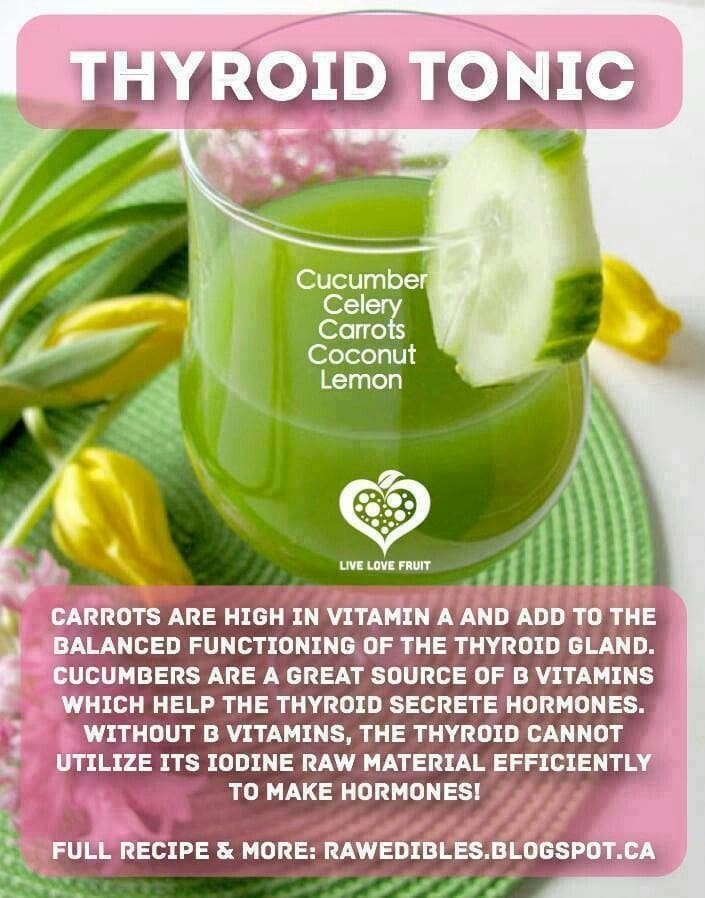
Does Juicing Actually Help Thyroid Health? Evidence, Myths, and Limitations
Many people explore Juicing for Thyroid Health as a way to increase their intake of fruits and vegetables, antioxidants, and other nutrients that support overall wellbeing. While fresh juice can be a convenient addition to a balanced diet, it is important to understand what it can and cannot do.
Current evidence suggests that the main benefits of Juicing for Thyroid Health come from increasing the intake of nutrient-rich plant foods and antioxidants. Fresh juices can make it easier to consume a wider variety of vegetables and fruits, helping support a healthy eating pattern.
However, juice alone is not a treatment for thyroid conditions. There is limited evidence that juicing by itself directly improves thyroid hormone levels or resolves thyroid disorders.
Common Myths
- Myth: Juicing cures hypothyroidism.
Reality: Fresh juice can support a healthy diet but is not a cure for thyroid conditions. - Myth: Juice fasting resets the thyroid.
Reality: There is no reliable evidence that juice fasting permanently improves thyroid function. - Myth: More juice always means better results.
Reality: Balance is important, and excessive juice consumption may increase sugar intake while reducing dietary fibre.
Important Limitations
Fruit-heavy juices can contain significant amounts of natural sugar, while juicing removes much of the fibre found in whole fruits and vegetables. For this reason, Juicing for Thyroid Health is generally most effective when used alongside balanced meals rather than as a replacement for them.
A practical approach is to view Juicing for Thyroid Health as one part of an overall healthy lifestyle that includes nutritious food choices, regular physical activity, quality sleep, and appropriate medical care when needed.
Key Ingredients for Thyroid-Friendly Juices
When it comes to Juicing for Thyroid Health, the best ingredients are typically nutrient-rich vegetables and fruits that can be incorporated into a balanced diet. Focusing on a variety of ingredients helps create juices that are both nutritious and enjoyable.
Ingredients to Include
Beets
A popular ingredient in many juice recipes that adds natural sweetness and vibrant colour.
Spinach
Provides vitamins, minerals, and antioxidants that support overall nutrition. Rotating greens regularly can help create variety in your diet.
Carrots
Rich in beta-carotene and commonly used in thyroid-friendly juice blends.
Kale
A nutrient-dense leafy green that works well in vegetable-forward juices when used in sensible portions.
Celery
Hydrating, low in sugar, and easy to combine with other vegetables.
Sea Vegetables
Can contribute iodine, but should be used carefully and in small measured amounts.
Selenium Sources
Selenium is an important nutrient often associated with thyroid health, but it is difficult to obtain in significant amounts from juice alone. Many people choose to include selenium-rich foods such as Brazil nuts, eggs, yogurt, fish, or cottage cheese as part of their overall diet.
Ingredients to Limit
Excess Fruit Juice
Large amounts of apple, grape, pineapple, or orange juice can significantly increase sugar intake.
Very Large Amounts of Raw Cruciferous Vegetables
Kale, cabbage, and bok choy can be enjoyed as part of a balanced diet, but moderation and variety are sensible approaches.
Repeated High-Oxalate Combinations
Using the same spinach and beet combinations every day may not suit everyone, so rotating ingredients can be beneficial.
A Simple Formula
For Juicing for Thyroid Health, a practical approach is to combine:
- One leafy green
- One root vegetable
- One hydrating vegetable
- One flavour enhancer such as lemon or ginger
This creates balanced, easy-to-enjoy juices while encouraging ingredient variety throughout the week.
7 Proven Juicing Recipes for Thyroid Health (step-by-step — quick recipes for daily use)
Here’s a simple recipe framework for daily Juicing for Thyroid Health:
Prep ingredients: wash, peel if needed, and cut into juicer-safe pieces.
Juice in order: soft leaves first in a masticating juicer, hard produce first in many centrifugal models.
Pour and drink: serve immediately or chill for up to 24 hours in an airtight glass jar.
Each recipe below gives exact ingredients, timing, yield, and who it’s best for. To keep sugar moderate, each one centers on vegetables. Most people find 200–300 ml servings easy to incorporate into a balanced diet, especially when paired with a protein-rich snack.
Beet-Spinach Energy Booster
Ingredients: 100 g cooked beet or 1 small raw beet, 30 g spinach, 1 medium carrot (70 g), optional 50 ml water, and 15 ml lemon juice.
Yield: about 250–300 ml
Calories: about 70
Sugar: about 8 g
Steps: For a masticating juicer, feed spinach first, then carrot, then beet, then lemon. For a centrifugal juicer, alternate beet and carrot pieces with spinach to keep the pulp moving. Stir in water if you want a lighter drink.
This is one of the most popular Juicing for Thyroid Health recipes because it combines several nutrient-rich ingredients in a simple, vegetable-forward blend. Spinach provides iron and folate, carrots contribute beta-carotene, and lemon adds vitamin C. The result is a refreshing juice that fits easily into a balanced diet while helping increase your intake of vegetables.
Swap: If your centrifugal juicer struggles with spinach, replace half the spinach with romaine.
This Juicing for Thyroid Health recipe combines carrots, kale, celery, and lemon in a nutrient-rich blend. Carrots provide beta-carotene, while kale contributes vitamins K and C. The vegetable-forward ingredients help create a balanced juice that fits easily into a healthy eating routine.
This light, refreshing Juicing for Thyroid Health recipe combines hydrating vegetables with fresh ginger and lime. Its low sugar content makes it a simple option for anyone looking to increase their vegetable intake while enjoying a mild, easy-to-drink juice.
This Juicing for Thyroid Health recipe combines citrus, spinach, cucumber, and carrot to provide a variety of vitamins, minerals, and antioxidants. The blend offers a fresh flavour while helping increase overall fruit and vegetable intake as part of a balanced diet.
Ginger, turmeric, carrot, cucumber, and lemon come together in this refreshing Juicing for Thyroid Health blend. Ginger and turmeric provide bold flavour, while carrot adds natural sweetness and cucumber helps create a lighter texture. The result is a simple juice that adds variety and nutrient-rich ingredients to a balanced eating plan.
For most Juicing for Thyroid Health recipes, masticating juicers are often preferred because they extract juice efficiently from leafy greens such as spinach, kale, celery, parsley, and herbs. Since many thyroid-friendly juice recipes rely on these ingredients, a masticating juicer can make it easier to create consistent vegetable-forward juices with less waste.
Safety, drug interactions, and how to juice smart (risks and mitigation)
Some juice ingredients may affect individuals differently depending on their health status, medications, and overall diet. If you take prescription medications or have an existing medical condition, speak with your healthcare provider before making significant changes to your diet or juicing routine.
Juicing versus whole fruits & vegetables: what the science and our analysis say
Juicing can raise produce intake quickly, but whole produce still wins in several ways. A typical 300 ml juice made from carrots, cucumber, celery, and apple may lose 4 to 8 grams of fiber compared with eating the same produce whole. That fiber helps satiety, bowel regularity, cholesterol control, and slower blood sugar rise.
Still, juice has one useful edge: convenience. Some people who won’t eat a large salad will drink a spinach-cucumber-celery blend in minutes. Juicing for Thyroid Health works best when you use juice strategically as part of a balanced diet rather than relying on it exclusively. It can be a practical way to increase vegetable intake and add more variety to your daily nutrition.
Whole fruits and vegetables are better when your goals are weight control, long-term cholesterol management, or constipation prevention. Clinical diet studies over 4 to 12 weeks generally show stronger weight and lipid improvements from whole-food eating patterns than from juice-centered plans alone. Glycemic load is usually lower with whole produce because chewing and fiber slow absorption.
The practical rule is simple:
Use juice for a nutrient boost.
Use whole produce for fullness, fiber, and long-term metabolic support.
Pair juices with protein or healthy fat to improve staying power.
That balance keeps Juicing for Thyroid Health realistic and safer.
Weekly plan and shopping list for Juicing for Thyroid Health
If you want a simple Juicing for Thyroid Health routine, a structured weekly plan can help you stay consistent and reduce food waste. Rotating a small selection of thyroid-friendly recipes throughout the week also makes shopping, preparation, and meal planning much easier.
7-day sample plan:
Mon: Beet-Spinach Energy Booster, mid-morning, 250 ml
Tue: Anti-Inflammatory Ginger-Turmeric Juice, afternoon, 250 ml
Wed: Carrot-Kale Hair & Bone Blend, lunch side, 250 ml
Thu: Celery-Cucumber Stress & Sleep Calm, early evening, 250 ml
Fri: Beet-Spinach Energy Booster, mid-morning, 250 ml
Sat: Citrus-Spinach Cholesterol Support, breakfast side, 250 ml
Sun: Anti-Inflammatory Ginger-Turmeric Juice, lunch side, 250 ml
Weekly shopping list: 1.5 kg carrots, 500 g spinach, 4 small beets, 2 bunches celery, 4 cucumbers, 1 bunch kale, lemons/limes, oranges, 100 g ginger, and 50 g turmeric.
Timing tips matter. Morning juices can fit easily into a daily routine, while lighter vegetable-forward juices may be preferred later in the day. Consistency is more important than perfect timing, so choose a schedule that works with your lifestyle.
If budget is tight, swap spinach for romaine, fresh turmeric for extra ginger, and beets for carrots plus lemon. You can also chop and freeze celery, cucumber, and beet portions for later use, though leafy greens are generally best used fresh.
Expert insights, case studies, and who to consult
Expert insights, case studies, and who to consult
Dr. Norman W. Walker is often mentioned in juicing history because he helped popularize vegetable juicing in the 20th century. While many of his ideas encouraged greater vegetable consumption, modern research supports using juice as part of a balanced diet rather than as a treatment for thyroid disorders.
Current nutrition and endocrine guidance generally agrees on two key points. First, significant dietary changes should be discussed with a healthcare professional if you have an existing thyroid condition or take thyroid medication. Second, juice should complement a balanced eating plan that includes adequate protein, iodine, selenium, healthy fats, and fiber-rich foods.
Who should you consult? Start with your primary care clinician or endocrinologist if you take thyroid medication, have a history of kidney stones, are pregnant, or are considering juice fasting. A registered dietitian can also help you create a balanced nutrition plan that supports your thyroid health while meeting your individual dietary needs.
Conclusion: Final thoughts on Juicing for Thyroid Health
Start Juicing for Thyroid Health with a plan you can maintain long term rather than a restrictive cleanse. We recommend five practical steps:
Buy the basics: carrots, spinach, celery, cucumbers, beets, lemon, and ginger.
Choose your juicer: masticating for leafy greens or centrifugal for convenience.
Try a few recipes: Beet-Spinach Energy Booster, Carrot-Kale Hair & Bone Blend, and Anti-Inflammatory Ginger-Turmeric Juice.
Monitor your progress: pay attention to energy levels, digestion, and how easily you maintain healthy eating habits.
Speak with your healthcare provider if you have a thyroid condition, take thyroid medication, or plan to make significant dietary changes.
Potential benefits include increasing vegetable intake, adding more antioxidants to your diet, and replacing sugary beverages with more nutrient-dense options. Potential drawbacks include reduced fiber compared with whole produce and excess sugar if fruit-heavy recipes are used too often.
The key takeaway is simple: Juicing for Thyroid Health works best when it supports an overall healthy diet. Focus on consistency, variety, and balanced nutrition for the most sustainable long-term results.
Frequently Asked Questions
What juices are good for thyroid health?
Vegetable-forward juices made with ingredients such as spinach, carrots, celery, cucumber, ginger, and small amounts of beetroot can fit well into a balanced thyroid-friendly diet. These ingredients provide vitamins, minerals, and antioxidants while keeping sugar levels relatively moderate.
Can juicing improve thyroid function?
Juicing for Thyroid Health can help increase vegetable intake and provide antioxidant-rich nutrients, but it does not cure hypothyroidism or replace prescribed medication. Juice works best as part of a balanced diet that also includes adequate iodine, selenium, protein, and regular medical care.
Should I drink juice if I take thyroid medication?
Many people can enjoy juice while taking thyroid medication, but timing matters. Levothyroxine is commonly taken on an empty stomach, so follow your healthcare provider’s advice regarding food and drink timing to help ensure proper medication absorption.
What ingredients should I avoid in thyroid juices?
Most ingredients can be enjoyed in moderation, but very large amounts of fruit juice may increase sugar intake. It is also sensible to avoid relying heavily on any single ingredient and instead rotate a variety of vegetables as part of a balanced eating pattern.
Is juicing better than eating whole fruits and vegetables?
Juicing can be a convenient way to increase vegetable intake, but whole fruits and vegetables provide more fiber and are generally better for fullness, digestion, and long-term dietary balance. Many people find that combining both approaches works well.
Key Takeaways
Juicing for Thyroid Health can be a practical way to increase vegetable intake and add more antioxidants to your diet.
Vegetable-forward recipes are generally preferred because they provide nutrients while keeping sugar levels moderate.
Juicing should complement a balanced diet that includes adequate protein, iodine, selenium, healthy fats, and fiber-rich foods.
Medication timing matters, so follow your healthcare provider’s guidance if you take thyroid medication.
Whole fruits and vegetables remain important for fiber, digestion, satiety, and overall long-term health.
Recommended Book Title:
Juicing for Thyroid Health: A Beginner’s Guide to Nutrient-Rich Juices for Energy, Hormone Balance, and Everyday Wellness
Disclaimer
This content is for informational and educational purposes only and is not intended as medical advice. Always consult a qualified healthcare professional before making changes to your diet, especially if you have a medical condition, are pregnant, or are taking medication.