
Anti-inflammatory power of green juices explained begins with understanding the nutrients found in leafy greens and other fresh vegetables. Rich in antioxidants, vitamins, minerals, and plant compounds, green juices may help support the body’s natural response to inflammation while contributing to overall health and wellness.
Anti-Inflammatory Power of Green Juices Explained: How They Work
Inflammation is the body’s natural response to injury, infection, or stress. In the short term, it helps support healing and recovery. However, chronic low-grade inflammation can persist for months or even years and has been linked to a variety of health concerns. Researchers often monitor inflammation using biomarkers such as C-reactive protein (CRP), interleukin-6 (IL-6), and tumor necrosis factor-alpha (TNF-α).
Anti-inflammatory power of green juices explained begins with the wide range of beneficial plant compounds found in leafy greens, herbs, and vegetables. Ingredients such as spinach, kale, parsley, celery, and cucumber provide polyphenols, flavonoids, carotenoids, vitamin C, and vitamin K. Other popular additions, including ginger and turmeric, contribute bioactive compounds that may help support the body’s natural inflammatory response and protect against oxidative stress.
Dietary nitrates also play an important role. Vegetables such as spinach, arugula, celery, and beetroot contain natural nitrates that the body can convert into nitric oxide. This compound helps support healthy blood flow and blood vessel function, which may indirectly contribute to better overall inflammatory balance.
Current research suggests that the strongest evidence relates to how these nutrients influence biological pathways associated with inflammation. While green juice alone is not a cure or treatment for disease, increasing vegetable intake through nutrient-dense juices may support overall wellness when combined with a balanced diet and healthy lifestyle. Studies have reported improvements in inflammatory biomarkers, antioxidant status, and markers of oxidative stress when people regularly consume more vegetables as part of a broader healthy eating pattern.
The key takeaway is that green juices work best as a complement to an overall nutrient-rich diet rather than a standalone solution. Their anti-inflammatory potential comes from the combination of vitamins, minerals, antioxidants, and plant compounds that help support the body’s natural processes and long-term health.
Key Anti-Inflammatory Ingredients to Prioritize in Green Juices
Choosing the right ingredients is one of the most important factors when making green juices. Anti-inflammatory power of green juices explained comes down to combining nutrient-dense vegetables, herbs, and spices that provide antioxidants, vitamins, minerals, and beneficial plant compounds while keeping added sugars to a minimum.
Kale is a popular choice because it contains vitamin C, vitamin K, and glucosinolates, which are plant compounds that may help support the body’s natural defense systems.
Spinach provides vitamin C, dietary nitrates, and other antioxidants that support overall health. While highly nutritious, spinach is also naturally high in oxalates, which may be a consideration for some individuals.
Parsley adds flavor while supplying vitamin C, vitamin K, and plant compounds such as apigenin. A small handful can significantly boost the nutritional value of a green juice.
Celery contributes dietary nitrates and beneficial plant compounds while providing a mild flavor that blends well with other vegetables.
Cucumber is often included to add volume, hydration, and a refreshing taste without significantly increasing sugar content.
Ginger is valued for its gingerol compounds and its ability to add a pleasant spicy flavor to green juice recipes.
Turmeric contains curcumin, a compound widely studied for its potential anti-inflammatory properties. Many people pair turmeric with a small amount of black pepper to enhance absorption.
Lemon helps brighten flavor while contributing vitamin C and antioxidants.
Apple can be used in moderation to improve taste and add natural sweetness. It also contains beneficial polyphenols, although it increases the overall sugar content of the juice.
One of the most discussed ingredient combinations is turmeric and black pepper. Black pepper contains piperine, which may enhance the body’s ability to absorb curcumin from turmeric, making this pairing a popular addition to anti-inflammatory juice recipes.
Ingredient selection should also take individual health needs into account. People with a history of kidney stones may prefer lower-oxalate vegetables such as kale, romaine lettuce, bok choy, cucumber, or parsley instead of relying heavily on spinach. In addition, celery may trigger allergic reactions in some individuals, making it important to choose ingredients that suit your personal health requirements.
For most people, the best approach is to combine a variety of leafy greens, herbs, and vegetables to create a nutrient-rich juice that supports overall wellness while fitting comfortably into a balanced diet.
Evidence Review: Human Trials, Biomarkers, and Limitations
Research into green juices and inflammation continues to grow, but the evidence is best described as promising rather than conclusive. Anti-inflammatory power of green juices explained is supported by studies showing that vegetable-rich diets, antioxidant-rich foods, and certain plant compounds may help improve markers associated with inflammation. However, the strength of the evidence varies depending on the ingredients used, study design, and overall dietary patterns.
Many clinical studies have focused on nutrient-rich vegetables, nitrate-containing foods, ginger, turmeric, and other plant-based ingredients commonly found in green juices. These studies have frequently reported improvements in inflammatory biomarkers, antioxidant status, and cardiovascular health indicators. Researchers have also observed benefits related to blood vessel function and reductions in oxidative stress when participants consume greater amounts of vegetables as part of a balanced diet.
One consistent finding across nutrition research is that diets rich in vegetables, fruits, herbs, and other whole plant foods are associated with healthier inflammatory profiles. This supports the idea that green juices may be a convenient way to increase vegetable intake for people who struggle to consume enough greens through meals alone.
Despite these encouraging findings, several limitations should be considered. Many nutrition studies involve relatively small groups of participants and often last only a few weeks. This makes it difficult to determine whether short-term improvements lead to meaningful long-term health outcomes.
Another challenge is that researchers frequently study overall dietary patterns rather than green juice in isolation. Participants may improve multiple aspects of their diet at the same time, making it difficult to determine how much of the benefit comes specifically from the juice itself.
It is also important to remember that inflammatory biomarkers are only one measure of health. Improvements in laboratory markers do not automatically guarantee reduced disease risk, and the overall impact depends on many lifestyle factors.
Current evidence suggests that green juices can be a useful addition to a healthy eating pattern, particularly when they help increase daily vegetable consumption. However, they work best alongside other proven lifestyle habits such as regular physical activity, adequate sleep, stress management, and a balanced diet rich in whole foods.
The most realistic conclusion is that green juices may support a healthy inflammatory response, but they should be viewed as part of a broader wellness strategy rather than a standalone solution.
Step-by-Step Method to Make Potent Anti-Inflammatory Green Juice
Anti-inflammatory power of green juices explained is not only about choosing healthy ingredients but also about how you prepare, combine, and store them. Following a simple process can help maximize flavor, freshness, and nutritional value.
1. Choose Nutrient-Dense Ingredients
Start with a combination of leafy greens, hydrating vegetables, and flavorful additions. A balanced recipe may include cucumber, celery, kale, parsley, ginger, and lemon. This combination provides vitamins, minerals, antioxidants, and beneficial plant compounds while keeping sugar levels relatively low.
2. Wash and Prepare Produce
Thoroughly rinse all fruits, vegetables, and herbs under running water before juicing. Remove damaged leaves, trim stems when needed, and cut larger ingredients into pieces that fit comfortably into your juicer or blender.
3. Decide Whether to Keep the Fiber
If you prefer a traditional juice, use a juicer to separate the liquid from the pulp. If blood sugar management and fiber intake are priorities, consider using a blender instead and consuming the entire mixture. Keeping the fiber may help promote fullness and support digestive health.
4. Use the Right Equipment
Both cold-press and centrifugal juicers can produce nutritious juice. Cold-press machines generally operate at lower speeds and may help preserve delicate nutrients, while centrifugal juicers are often faster and more convenient for daily use. The best choice is the one that fits your lifestyle and encourages consistent use.
5. Include a Source of Healthy Fat
Some beneficial compounds found in vegetables are fat-soluble, meaning they are absorbed more effectively when consumed with dietary fat. Consider enjoying your green juice alongside avocado, nuts, seeds, or another healthy fat source as part of a balanced meal.
6. Drink Fresh Whenever Possible
Freshly prepared juice typically offers the best flavor and quality. If you need to store it, place the juice in an airtight glass container, fill it as close to the top as possible, and refrigerate promptly. Consuming it within a day helps maintain freshness.
7. Adjust Flavor Naturally
If your juice tastes too bitter, add more cucumber or a squeeze of lemon. Fresh herbs such as mint can provide a refreshing flavor without increasing sugar content. If you prefer a sweeter taste, use a small amount of green apple while keeping overall fruit content moderate.
Sample Anti-Inflammatory Green Juice
- 1 cucumber
- 2 celery stalks
- 2 cups kale or parsley
- 1 small piece fresh ginger
- Juice of 1 lemon
Blend or juice the ingredients until smooth and serve immediately. This simple recipe provides a nutrient-rich foundation that can easily be customized to suit your taste preferences.
By focusing on fresh vegetables, moderate fruit content, and proper preparation techniques, you can create green juices that support a healthy diet and complement an overall anti-inflammatory lifestyle.
Top Anti-Inflammatory Green Juice Recipes
Anti-inflammatory power of green juices explained becomes much easier to apply when you have practical recipes to follow. The recipes below focus on nutrient-dense vegetables, herbs, and spices that provide antioxidants, vitamins, minerals, and beneficial plant compounds while keeping added sugars moderate.
1. Kale Ginger Lemon Green Juice
Ingredients
- 2 cups kale
- 1 cucumber
- 2 celery stalks
- 1 small piece fresh ginger
- Juice of 1 lemon
Key Nutrients
- Vitamin C
- Vitamin K
- Glucosinolates
- Gingerols
Best For
A refreshing morning juice that provides a strong nutritional boost to start the day.
2. Spinach Cucumber Apple Green Juice
Ingredients
- 2 cups spinach
- 1 cucumber
- 2 celery stalks
- 1 small green apple
- Juice of 1 lemon
Key Nutrients
- Dietary nitrates
- Vitamin C
- Antioxidants
- Polyphenols
Best For
A balanced juice that offers natural sweetness while increasing vegetable intake.
3. Celery Turmeric Lemon Juice
Ingredients
- 4 celery stalks
- 1 cucumber
- Small piece fresh turmeric root
- Small piece fresh ginger
- Juice of 1 lemon
- Pinch of black pepper
Key Nutrients
- Curcumin
- Gingerols
- Plant antioxidants
Best For
People looking to include turmeric and ginger in their daily wellness routine.
4. Parsley Celery Cucumber Juice
Ingredients
- 1 cup fresh parsley
- 1 cucumber
- 2 celery stalks
- Juice of 1 lemon
Key Nutrients
- Apigenin
- Vitamin C
- Vitamin K
- Flavonoids
Best For
Beginners who prefer a mild, refreshing flavor profile.
5. Green Detox Smoothie
Ingredients
- 2 cups kale
- 1 cucumber
- ½ avocado
- Handful of parsley
- Small piece fresh ginger
- Water as needed
- Juice of 1 lemon
Key Nutrients
- Fiber
- Healthy fats
- Carotenoids
- Antioxidants
Best For
Supporting fullness and maintaining the natural fiber found in whole vegetables.
6. Mint Lemon Green Refresher
Ingredients
- 2 cups romaine lettuce
- 1 cucumber
- Handful of fresh mint
- Juice of 1 lemon
- Optional alfalfa sprouts
Key Nutrients
- Polyphenols
- Vitamin C
- Plant antioxidants
Best For
A light and refreshing option during warmer weather.
7. Beet and Greens Recovery Juice
Ingredients
- 1 small beetroot
- 2 cups kale
- 1 cucumber
- 2 celery stalks
- Small piece fresh ginger
- Juice of 1 lemon
Key Nutrients
- Dietary nitrates
- Betalains
- Gingerols
- Antioxidants
Best For
A nutrient-rich juice that combines leafy greens with beetroot for added variety.
Tips for Better Results
The most effective green juice is often the one you enjoy enough to make consistently. Recipes built around cucumber, celery, kale, parsley, ginger, and lemon tend to offer a balance of flavor and nutrition that is easy to maintain as part of a regular routine.
For the best quality, drink green juice immediately after preparation whenever possible. If you need to store it, use an airtight glass container and keep it refrigerated. Fresh juice generally tastes best when consumed within 24 hours.
Remember that green juices work best as part of a balanced diet rich in vegetables, fruits, lean proteins, healthy fats, and other whole foods.
Green Juice vs Smoothie: Which Is Better for Inflammation?
Anti-inflammatory power of green juices explained often leads to another common question: should you choose green juice or a green smoothie? While both can be nutritious, they offer different benefits depending on your health goals, appetite, and dietary preferences.
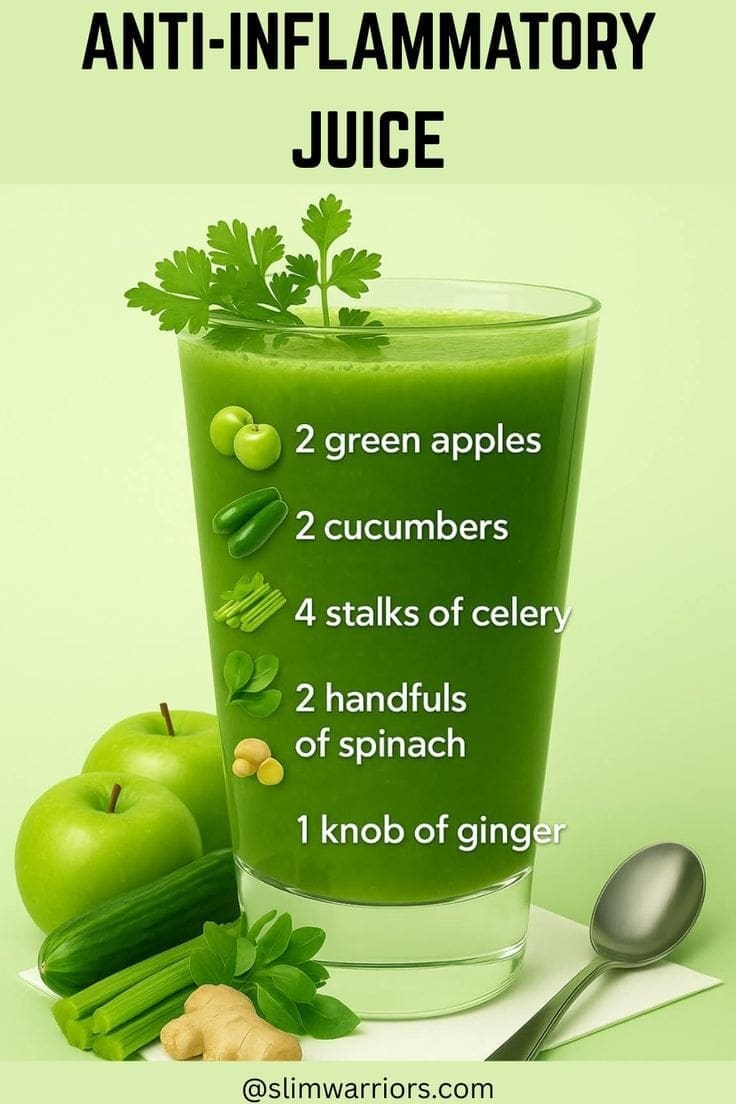
Green Juice Benefits
Green juice removes most of the fiber while concentrating the vitamins, minerals, and plant compounds found in vegetables. This allows you to consume a larger quantity of greens in a relatively small serving.
Green juice may be a good choice if you:
- Want a concentrated source of vegetables
- Prefer a lighter drink
- Have difficulty eating enough greens
- Enjoy juice before exercise or physical activity
- Want a quick and convenient nutrient boost
Because the fiber is largely removed, green juice is generally easier to digest and can deliver nutrients rapidly.
Green Smoothie Benefits
Green smoothies retain the fiber from fruits and vegetables because the entire ingredient is blended rather than juiced. Fiber supports digestion, promotes fullness, and helps slow the absorption of naturally occurring sugars.
Green smoothies may be a better choice if you:
- Want greater satiety between meals
- Are focused on blood sugar management
- Prefer a more filling snack or meal replacement
- Want to increase overall fiber intake
- Are looking to support digestive health
Many people also add ingredients such as avocado, Greek yogurt, seeds, or protein powder to create a more balanced and satisfying drink.
Which Is Better for Inflammation?
Both green juices and green smoothies can support an anti-inflammatory eating pattern when made primarily from vegetables and low-sugar ingredients. The best option often depends on your individual needs.
If your primary goal is increasing vegetable intake in a simple and convenient way, green juice can be an excellent addition to your routine. If you are also focused on fullness, digestive health, and blood sugar balance, a green smoothie may provide additional benefits because it retains the natural fiber.
A Balanced Approach
For many people, there is no need to choose one exclusively. Green juice can provide a concentrated serving of vegetables, while green smoothies can offer a more complete and filling option on other days. Including both in a balanced diet allows you to enjoy the unique benefits of each.
The most important factor is consistency. Whether you choose juice, smoothies, or a combination of both, regularly consuming a variety of vegetables is one of the most effective ways to support overall health and wellness.
Risks, Interactions, and Who Should Avoid or Modify Green Juices
While green juices can be a nutritious addition to many diets, they are not suitable for everyone. Anti-inflammatory power of green juices explained should also include an understanding of the potential risks, interactions, and situations where ingredient choices may need to be adjusted.
Vitamin K and Blood-Thinning Medications
Many leafy greens commonly used in green juices, including kale and parsley, are naturally rich in vitamin K. This nutrient plays an important role in blood clotting and may affect certain anticoagulant medications.
If you take blood-thinning medications, it is important to maintain a consistent intake of vitamin K-rich foods rather than making sudden, significant changes to your diet. Always speak with your healthcare provider before introducing daily green juices if you are taking prescription anticoagulants.
Oxalates and Kidney Stone Risk
Some greens, particularly spinach and beet greens, contain naturally occurring oxalates. For individuals with a history of calcium oxalate kidney stones or certain kidney conditions, consuming large amounts of high-oxalate foods may not be appropriate.
Lower-oxalate alternatives include:
- Kale
- Romaine lettuce
- Bok choy
- Cucumber
- Cabbage
- Parsley
Choosing a variety of greens rather than relying heavily on a single ingredient may help create a more balanced approach.
Blood Sugar Considerations
Green juices can contain varying amounts of natural sugar depending on the ingredients used. Adding large quantities of fruit may increase the overall sugar content and may not be ideal for individuals monitoring blood glucose levels.
To help keep sugar levels moderate:
- Focus on vegetables as the primary ingredients
- Use fruit sparingly
- Choose lower-sugar options when possible
- Pair green juice with a balanced meal or snack containing protein and healthy fats
Dental Health
Many green juice recipes include lemon or other acidic ingredients that can contribute to enamel wear over time.
To help protect your teeth:
- Drink acidic beverages in a reasonable timeframe rather than sipping continuously
- Use a straw when appropriate
- Rinse your mouth with water afterward
- Wait before brushing your teeth following acidic drinks
Pregnancy and Food Safety
Pregnant individuals should pay close attention to food safety when preparing green juices. Always wash produce thoroughly before use and ensure ingredients are fresh and properly stored.
Extra care should be taken with raw sprouts and other ingredients that may carry a higher risk of contamination.
Digestive Sensitivity
People new to green juices or those with sensitive digestive systems may find it helpful to begin with milder ingredients such as:
- Cucumber
- Celery
- Parsley
- Romaine lettuce
Starting slowly allows your body to adjust before experimenting with stronger flavors and larger quantities of greens.
When to Speak With a Healthcare Professional
It is advisable to consult a healthcare professional before making significant dietary changes if you:
- Take prescription medications
- Use blood-thinning medications
- Have diabetes or blood sugar concerns
- Have kidney disease or a history of kidney stones
- Are pregnant or breastfeeding
- Have a chronic medical condition
For most healthy individuals, green juices can be enjoyed as part of a balanced diet. The key is choosing ingredients that fit your personal health needs while maintaining a varied and nutrient-rich eating pattern.
Practical Planning: How Often to Drink Green Juice and a 7-Day Plan
Anti-inflammatory power of green juices explained is most effective when it becomes part of a consistent routine rather than an occasional health kick. Regular intake of nutrient-rich vegetables can help support overall wellness, but long-term habits matter far more than short bursts of extreme juicing.
How Often Should You Drink Green Juice?
For most people, moderation is the best approach. Green juice works well as a supplement to a balanced diet rather than a replacement for whole foods.
Maintenance Approach
- Enjoy one serving of green juice two to four times per week.
- Focus on a variety of vegetables and herbs.
- Continue prioritizing whole foods, including fruits, vegetables, lean proteins, healthy fats, and fiber-rich foods.
Short-Term Wellness Boost
- Drink one serving daily for several days while also improving overall dietary habits.
- Emphasize vegetables, hydration, quality sleep, and regular physical activity.
- Avoid relying solely on juice for nutrition.
Research suggests that consistency is often more important than consuming large quantities. A simple routine that fits your lifestyle is more likely to deliver lasting benefits than an aggressive plan that is difficult to maintain.

Cost Considerations
Homemade green juice is often the most budget-friendly option and allows complete control over ingredients. Buying produce in season and using simple recipes built around cucumber, celery, kale, parsley, and lemon can help reduce costs while maintaining nutritional value.
Store-bought cold-pressed juices may offer convenience, but they are often significantly more expensive than preparing fresh juice at home.
7-Day Anti-Inflammatory Juice Plan
Day 1
Kale Ginger Lemon Green Juice
Pair with:
- Oatmeal
- Fresh berries
- Walnuts
Day 2
No Juice Day
Focus on:
- Mixed greens
- Chickpeas
- Olive oil
- Whole grains
Day 3
Parsley Celery Cucumber Juice
Pair with:
- Eggs
- Whole-grain toast
- Fresh fruit
Day 4
Green Detox Smoothie
Include:
- Kale
- Avocado
- Cucumber
- Parsley
- Lemon
Day 5
Celery Turmeric Lemon Juice
Pair with:
- Salmon
- Roasted vegetables
- Whole grains
Day 6
No Juice Day
Focus on:
- Beans
- Vegetables
- Fruit
- Healthy fats such as extra-virgin olive oil
Day 7
Beet and Greens Recovery Juice
Enjoy alongside:
- A balanced meal
- Regular physical activity such as a walk or light exercise
Make It Sustainable
The best anti-inflammatory routine is one you can follow consistently. Choose recipes you genuinely enjoy, rotate ingredients for variety, and focus on building long-term eating habits rather than chasing quick results. Green juices can be a helpful tool, but they work best when combined with an overall healthy lifestyle built around whole foods and regular movement.
7-Day Green Juice Shopping List and Budget Guide
Planning ahead makes it much easier to stay consistent with healthy habits. Anti-inflammatory power of green juices explained is not only about choosing the right ingredients but also about making your routine affordable, practical, and sustainable.
Shopping List for One Person (7 Days)
Leafy Greens and Herbs
- Kale
- Parsley
- Spinach
- Romaine lettuce
- Fresh mint
- Alfalfa sprouts
Vegetables
- Celery
- Cucumbers
- Beetroot
- Fresh ginger
- Fresh turmeric root
Fruit and Healthy Fats
- Lemons
- Green apple
- Avocado
This combination provides enough variety to prepare multiple green juice recipes throughout the week while supplying a wide range of vitamins, minerals, antioxidants, and plant compounds.
Estimated Cost Per Serving
| Option | Estimated Cost |
|---|---|
| Homemade Basic Green Juice | $1.50–$2.50 |
| Homemade Premium Organic Green Juice | $3.00–$4.50 |
| Store-Bought Cold-Pressed Juice | $6.00–$10.00 |
Homemade juice is generally the most cost-effective option and allows you to control ingredient quality, sugar content, and recipe variations.
Money-Saving Tips
- Buy produce that is in season whenever possible.
- Use cucumber and celery as affordable base ingredients.
- Freeze extra herbs to reduce waste.
- Purchase larger quantities of commonly used vegetables when practical.
- Store produce correctly to maximize freshness.
- Rotate recipes to use ingredients efficiently throughout the week.
Building a Sustainable Routine
Green juices are most effective when they complement a balanced dietary pattern rather than replace meals. Pairing green juices with nutrient-dense foods such as vegetables, fruits, legumes, whole grains, healthy fats, and lean protein sources can help support long-term wellness.
A simple, affordable routine built around fresh produce and consistent healthy habits is often more beneficial than expensive juice programs or restrictive short-term cleanses. The goal is to make vegetable consumption easier and more enjoyable while supporting an overall healthy lifestyle.
Little-Known Issues Many Green Juice Articles Overlook
Anti-inflammatory power of green juices explained goes beyond ingredients and recipes. If you drink green juice regularly, there are a few practical considerations that are often overlooked but can make a meaningful difference to your overall experience and health.
Pesticide Residues on Produce
Leafy greens and fresh herbs are among the most commonly used ingredients in green juices. Because these foods are consumed frequently and often in larger quantities, proper washing is important.
To help reduce surface residues:
- Rinse produce thoroughly under running water.
- Remove damaged outer leaves when appropriate.
- Dry produce before storing.
- Wash herbs and leafy greens carefully before use.
If you choose to buy some organic produce, many people prioritize leafy greens and fresh herbs because they are used frequently in juice recipes. However, a diet rich in vegetables remains beneficial regardless of whether produce is conventional or organic.
The Gut Microbiome and Fiber
Green juices provide vitamins, minerals, antioxidants, and plant compounds, but most traditional juicing methods remove much of the natural fiber found in vegetables.
Fiber plays an important role in:
- Supporting digestive health
- Feeding beneficial gut bacteria
- Promoting regular bowel movements
- Supporting feelings of fullness
Because smoothies retain the fiber from fruits and vegetables, they may offer additional benefits for individuals focused on gut health. For this reason, many people choose a combination of green juices and green smoothies throughout the week.
Nutrient Changes and Health Monitoring
When people significantly increase their intake of leafy greens and vegetables, nutrient levels within the body may change over time. While this is often a positive result of improved dietary habits, it can be relevant for individuals who undergo regular medical monitoring.
People taking medications that interact with vitamin K or those managing chronic health conditions should maintain open communication with their healthcare provider when making substantial dietary changes.
Rotating Ingredients Matters
Using the same ingredients every day may increase exposure to naturally occurring compounds found in specific vegetables. Rotating greens throughout the week helps create a more varied nutrient profile while reducing reliance on any single ingredient.
Good options to rotate include:
- Kale
- Romaine lettuce
- Parsley
- Bok choy
- Cucumber
- Celery
- Cabbage
Variety can help improve both nutritional balance and flavor.
Focus on the Bigger Picture
The benefits of green juice are most noticeable when they support an overall healthy lifestyle. Regular vegetable intake, physical activity, quality sleep, hydration, and balanced meals all contribute to long-term wellness.
While green juice can be a valuable tool for increasing vegetable consumption, it works best as part of a broader nutrition strategy rather than as a standalone solution. Paying attention to produce quality, fiber intake, ingredient variety, and personal health considerations can help you get the most from your green juice routine.
Conclusion
Anti-inflammatory power of green juices explained comes down to one simple fact: green juices can be a convenient way to increase your intake of nutrient-rich vegetables that support overall health and a healthy inflammatory response. While they are not a cure-all, they may complement a balanced diet by providing antioxidants, vitamins, minerals, and beneficial plant compounds found in ingredients such as kale, parsley, celery, cucumber, lemon, ginger, and turmeric.
The greatest benefits are likely to come when green juices are used as part of a broader healthy lifestyle that includes nutritious meals, regular physical activity, quality sleep, hydration, and stress management. Consistency matters far more than extreme juicing routines or expensive cleanses.
If you’re new to green juices, start with one or two simple recipes that fit your taste preferences. Focus on vegetable-heavy ingredients, keep fruit content moderate, and experiment with different combinations until you find options you enjoy drinking regularly. Small, sustainable habits are often the most effective approach for long-term success.
Recommended Book
Want more recipes, meal plans, and practical juicing tips?
Check out our Green Juice Recipe eBook, packed with easy-to-follow recipes, ingredient guides, and step-by-step plans to help you make healthy green juices at home.
Frequently Asked Questions
Do green juices reduce inflammation?
Green juices may help support a healthy inflammatory response because they contain antioxidants, vitamins, minerals, and plant compounds found in vegetables and herbs. Their benefits are most noticeable when combined with an overall healthy diet and lifestyle.
How often should I drink green juice?
Many people enjoy green juice several times per week as part of a balanced eating pattern. The ideal frequency depends on your dietary habits, health goals, and personal preferences.
Are homemade green juices better than store-bought options?
Homemade green juices give you greater control over ingredients, freshness, and sugar content. Store-bought juices can still be convenient, but it is important to check ingredient lists and nutrition labels.
Can green juices affect medications?
Certain ingredients, particularly vitamin K-rich leafy greens, may interact with some medications. If you take prescription medications or have a medical condition, consult your healthcare provider before making significant dietary changes.
Are smoothies or juices better?
Both can be healthy options. Smoothies retain the natural fiber found in fruits and vegetables, while juices provide a concentrated source of nutrients. The best choice depends on your individual goals and preferences.
Key Takeaways
- Green juices can help increase vegetable intake and support overall wellness.
- Leafy greens, herbs, ginger, turmeric, lemon, and cucumber are popular ingredients for anti-inflammatory juice recipes.
- Vegetable-heavy recipes are generally preferable to high-sugar juice blends.
- Smoothies provide more fiber, while juices offer a concentrated source of nutrients.
- Green juices work best as part of a balanced lifestyle that includes healthy eating, exercise, sleep, and stress management.
- People taking medications or managing health conditions should consult a healthcare professional before starting a regular juicing routine.
Disclaimer
This content is for informational and educational purposes only and is not intended as medical advice. Always consult a qualified healthcare professional before making changes to your diet, especially if you have a medical condition, are pregnant, breastfeeding, or taking medication.
As an Amazon Associate, we earn from qualifying purchases.