
This heart-healthy beetroot and carrot juice is a nutrient-rich blend designed to support cardiovascular wellness. Beetroot is known for supporting healthy circulation and blood flow, while carrot adds antioxidants and natural sweetness, making this juice both functional and enjoyable.
Heart-Healthy Beetroot And Carrot Juice Recipe
This recipe combines two vegetables that are easy to find and naturally rich in nutrients that support cardiovascular health. You’ll get information on why this juice is good for your heart, how to make it, variations, storage tips, safety considerations, and practical ways to add it to your routine.
Why this juice supports heart health
The combination of beetroot and carrot brings together nitrates, antioxidants, vitamins, and minerals that can support healthy blood vessels and circulation. You’ll benefit from compounds that help relax blood vessels, reduce oxidative stress, and supply important micronutrients that keep your cardiovascular system functioning well.
Key heart-supporting compounds
Beetroot is high in dietary nitrates, which your body converts to nitric oxide — a molecule that helps dilate blood vessels and can lower blood pressure. Carrots add beta-carotene (a precursor to vitamin A), potassium, and additional antioxidants, which help protect blood vessels and support overall cardiovascular function.
Nutritional highlights and what they do for you
Understanding the main nutrients in this juice helps you see how it supports your heart and overall health. Below are the primary nutrients and a brief explanation of their roles.
| Nutrient | Source (beetroot or carrot) | How it helps your heart |
|---|---|---|
| Dietary nitrates | Beetroot | Convert to nitric oxide to help dilate blood vessels and lower blood pressure. |
| Potassium | Both, especially carrots | Helps regulate blood pressure by balancing sodium and aiding vascular function. |
| Antioxidants (betalains, carotenoids) | Beetroot (betalains), carrot (beta-carotene) | Reduce oxidative stress and inflammation in blood vessels. |
| Folate (Vitamin B9) | Beetroot | Supports homocysteine metabolism — high homocysteine can be a cardiovascular risk factor. |
| Vitamin C | Often added via lemon or present in small amounts | Enhances antioxidant protection and can support nitric oxide stability. |
| Dietary fiber | Mostly lost in juicing | Helps with cholesterol and glycemic control when included in whole foods; juice contains less fiber. |
Approximate nutrition per serving (1 glass — about 350–400 ml)
Below is an estimated nutrient breakdown for a typical serving made with 2 medium beets and 3 medium carrots, without added sugar. Exact values will vary by size and juicer efficiency.
| Item | Amount (approx.) |
|---|---|
| Calories | 140–190 kcal |
| Carbohydrates | 30–40 g (mostly natural sugars) |
| Fiber | 1–3 g (much lower than whole vegetables) |
| Protein | 2–3 g |
| Fat | <1 g< />d> |
| Potassium | 800–1,100 mg |
| Vitamin A (as beta-carotene) | High — provides a large percentage of daily needs |
| Folate | 40–80 mcg |
| Vitamin C | 10–20 mg |
| Nitrates | Varies widely — often high in beetroot juice |
You’ll notice the juice is nutrient-dense but relatively high in natural sugars for a liquid. Portion control is important, especially if you monitor blood sugar.
Recipe: Heart-Healthy Beetroot and Carrot Juice
This straightforward recipe gives you a fresh, bright juice that emphasizes heart-supporting ingredients. It’s designed for home juicers but includes blender alternatives.
Ingredients:
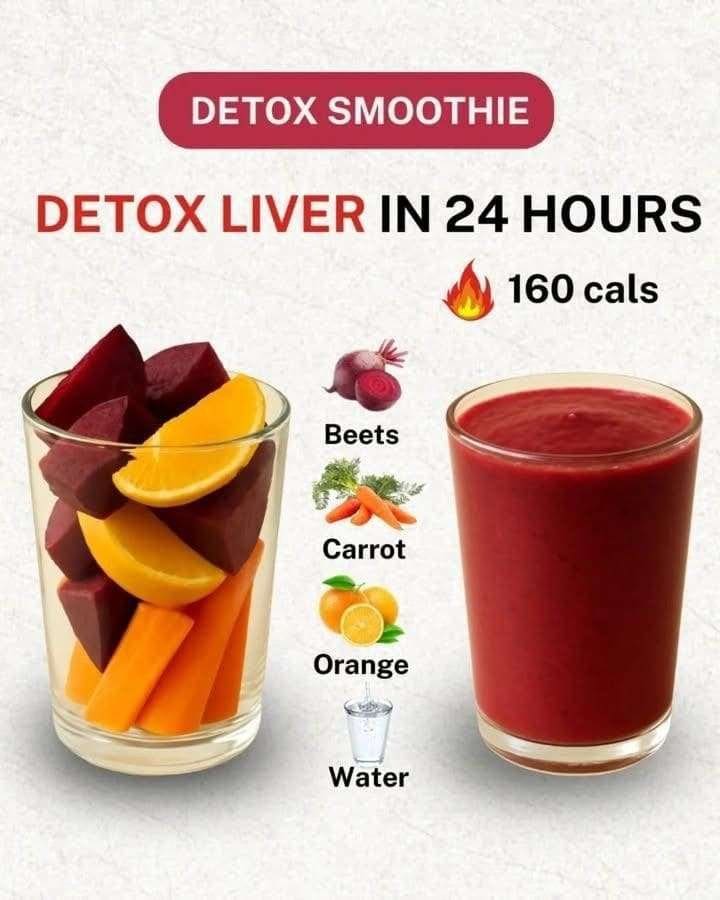
- 2 medium raw beetroots (about 200–250 g total), scrubbed and trimmed
- 3 medium carrots (about 250–300 g total), scrubbed and trimmed
- Juice of half a lemon (optional — adds brightness and vitamin C)
- 1-inch piece fresh ginger (optional — for flavor and anti-inflammatory benefits)
- 1/4 cup water (only if needed for blender method)
- Ice (optional, for serving)
Yield: Approximately 1 large glass (350–400 ml) depending on juicer efficiency. Prep time: 5–10 minutes. Total time: 10–15 minutes.
Instructions for a juicer
- Prepare the vegetables by washing thoroughly and trimming ends. You’ll want clean produce so the juice tastes fresh and is safe.
- Cut beets and carrots into sizes that fit your juicer’s feed chute. If your beets are large, halve or quarter them.
- Turn on your juicer and feed the vegetables slowly, alternating between beets and carrots to help extract evenly. Adding lemon at the end prevents too much oxidation and brightens flavor.
- Stir the juice and taste. Add ginger or a squeeze more lemon if desired. Serve immediately over ice or store briefly (see storage tips).
You’ll get the most nitrates and vitamins when you use raw vegetables and drink the juice soon after making it.
Instructions for a blender (no juicer)
- Chop beets and carrots into small pieces so your blender can process them. For very powerful blenders, larger pieces are okay.
- Add the vegetables to the blender with about 1/4 cup water to help blend smoothly. Add lemon and ginger if using.
- Blend at high speed until completely smooth.
- Pour the blended mixture through a fine-mesh sieve, nut milk bag, or cheesecloth to separate the juice from the pulp. Press or squeeze to extract as much liquid as possible.
- Taste and adjust lemon or ginger. Serve immediately.
Blending then straining retains more of the flavor but still reduces fiber relative to the whole vegetables.
Tips to maximize heart benefits
How you prepare and consume this juice affects its potency and benefits. Small choices can help you get the most out of each glass.
- Drink raw and fresh: Fresh juice typically has the highest concentration of nitrates and vitamins, which can degrade over time. You’ll get more active compounds if you drink it within a few hours.
- Keep beets raw or lightly cooked: High heat can reduce nitrates and destroy some antioxidants. If you prefer cooked beets, roast briefly and cool before juicing to preserve more nutrients than boiling.
- Pair with vitamin C: Adding lemon or a splash of orange juice can help protect nitric oxide and boost antioxidant action. You’ll also improve flavor balance.
- Monitor portions: Because juice is concentrated, stick to 6–8 ounces per serving to avoid excessive sugar intake while still benefiting from nitrates.
- Use fresh, firm produce: Fresher vegetables have higher nutrient content. Soft or aging beets and carrots may yield less juice and fewer beneficial compounds.
How often should you drink it?
Daily consumption can be beneficial for blood pressure and vascular health for many people, but it’s wise to rotate with other vegetable juices and whole-food sources. You’ll likely see short-term blood pressure reductions within hours of consumption and more sustained benefits with regular use over weeks, but individual responses vary.
Variations and flavor ideas
You can adjust this recipe to match your taste and health goals without losing heart benefits. Here are safe and tasty options.
- Lemon-ginger: Add lemon and fresh ginger for brighter flavor and an anti-inflammatory boost. This is a classic pairing that many people enjoy.
- Apple addition: A green apple adds natural sweetness and polyphenols but increases sugar slightly. Use a small apple if you want sweetness with minimal added sugar.
- Celery and cucumber: These lower-sugar vegetables add volume and hydration, creating a lighter taste while maintaining potassium content.
- Turmeric twist: A small pinch of fresh or powdered turmeric adds anti-inflammatory compounds. Pair with a dash of black pepper to improve turmeric absorption.
- Spicy kick: A small slice of jalapeño can add a spicy note and a metabolism-supporting effect; use sparingly to avoid overwhelming the juice.
Each variation changes the flavor and nutrient profile slightly, so choose what fits your palate and health needs.
Juicer vs Blender — choose what fits your lifestyle
Both tools can make a great juice, but your choice affects fiber, texture, and waste. Use the table below to decide which method is best for you.
| Method | Pros | Cons |
|---|---|---|
| Juicer | Produces smooth juice, less pulp, quick extraction, often higher nitrate concentration in liquid | Requires special equipment, creates pulp waste, cleans can be time-consuming |
| Blender + Strain | Uses common kitchen tool, retains more flavor, pulp can be repurposed, easy to clean | Requires straining step, can be more work, results vary by blender power |
You’ll get a clearer juice with a juicer and more flexibility and reuse options with a blender.
Storage and shelf life
Knowing how to store your juice helps preserve nutrients and flavor. Juice degrades, so store wisely.
| Storage method | Time at best quality | Notes |
|---|---|---|
| Refrigerated in airtight container | Up to 24–48 hours | Store in dark glass or stainless steel; fill container to top to reduce air exposure. |
| Frozen (in ice-cube trays or airtight containers) | Up to 3 months | Thaw in fridge and stir well before drinking; texture and some nutrients change after freezing. |
| Room temperature | Not recommended | Rapid nutrient loss and bacterial growth risks — avoid leaving juice out. |
You’ll find the freshest nutrient content when you drink the juice soon after making it. If you must store, airtight and chilled is best.
Safety, cautions, and interactions
This juice is generally safe for most people, but certain conditions and medications require caution. Knowing potential risks helps you enjoy the juice safely.
- Blood pressure medication: Because beetroot juice can lower blood pressure, be cautious if you’re taking antihypertensive drugs. You’ll want to monitor blood pressure more closely and consult your healthcare provider before making juice a daily habit.
- Kidney stones and oxalates: Beetroots contain oxalates, which can contribute to kidney stones in susceptible people. If you have a history of calcium oxalate stones, talk with your clinician about whether regular beet consumption is appropriate.
- Blood sugar concerns: Juice concentrates sugars, so if you have diabetes or prediabetes, monitor your glycemic response and control portion sizes. You may choose to dilute the juice or include it as part of a meal to reduce glucose spikes.
- Nitrate medication interactions: While dietary nitrates from beets are different from nitroglycerin and other nitrate drugs, you should still discuss significant dietary nitrate intake with your prescribing clinician, particularly if you use drugs that can affect blood pressure or nitric oxide pathways.
- Beeturia and discoloration: Some people notice red or pink urine or stools after consuming beets — this is harmless (known as beeturia) but can be surprising. It’s not typically a medical concern but worth noting so you don’t worry unnecessarily.
If you’re pregnant, breastfeeding, on prescription meds, or dealing with chronic illnesses, check with your healthcare provider before making any dietary change a daily habit.
Evidence summary: what research says
A growing body of research supports beetroot’s role in cardiovascular health, particularly for blood pressure reduction and endothelial function. Studies indicate that dietary nitrates from beetroot juice can increase nitric oxide bioavailability, improve vasodilation, and reduce systolic and diastolic blood pressure in both short-term and longer-term interventions.
Carrots contribute antioxidants and potassium, supporting vascular health and helping to manage blood pressure and oxidative stress. While juice studies sometimes show mixed results due to variability in doses and participant characteristics, regular consumption of nitrate-rich vegetable juice is associated with measurable improvements in vascular markers for many people. You’ll get more consistent results when this juice is part of an overall heart-healthy eating pattern.
Practical tips for buying and storing produce
Choosing the right beets and carrots improves both flavor and nutrient content. You’ll want to pick firm, brightly colored vegetables without bruises or soft spots.
- Pick firm beets with smooth skin and a deep color; small to medium beets are often sweeter. Avoid beets with sprouting greens or large cracks.
- Choose bright, crisp carrots with a good orange color and minimal green tops. Young carrots tend to be sweeter and more palatable raw.
- Store beets and carrots in the refrigerator’s vegetable crisper, wrapped loosely in a perforated plastic bag or in an airtight container to keep them fresh longer. Removing greens helps prolong shelf life.
Using fresh produce increases juice yield and nutrient concentration.
How to integrate the juice into your meals
Adding this juice to your routine can be simple and flexible. You’ll find it pairs well with various meals and daily habits.
- Morning routine: Enjoy a small glass (4–6 oz) before breakfast or with your meal to get a morning boost of nitrates and antioxidants. Drinking with or after a protein-rich meal can blunt any rapid blood sugar rise from the juice’s sugars.
- Pre-workout: Drinking 30–90 minutes before exercise may enhance blood flow and endurance for some people. The nitric oxide pathway can support better oxygen delivery to muscles.
- Midday refresh: Use the juice as an afternoon pick-me-up to avoid caffeinated beverages. It’s hydrating and nutrient-rich without the jitters from caffeine.
- Meal pairing: Pair with whole grains, lean proteins, and fiber-rich vegetables to make a heart-healthy plate. This helps maintain blood sugar control and maximize cardiovascular benefits.
Try different timings to see how your body responds and which time of day you enjoy it most.
Sample 3-day plan including the juice
This small sample shows how to include the juice across multiple days while keeping meals balanced. Adjust portions and ingredients to match your energy needs and health goals.
| Day | Morning | Lunch | Snack | Dinner |
|---|---|---|---|---|
| Day 1 | 1 glass (6 oz) beetroot-carrot juice + Greek yogurt with berries | Quinoa salad with mixed greens and grilled salmon | Apple + handful of almonds | Stir-fried vegetables with tofu and brown rice |
| Day 2 | Smoothie with spinach, banana, and almond milk; 4 oz juice on the side | Whole-grain wrap with turkey, avocado, and veggies | Veggie sticks + hummus | Baked chicken breast, roasted sweet potato, steamed broccoli |
| Day 3 | Oatmeal with walnuts and cinnamon + 6 oz juice | Lentil soup and mixed greens salad | Cottage cheese with pineapple | Grilled fish, quinoa, roasted Brussels sprouts |
You’ll notice juice works well when paired with protein and fiber to maintain stable blood sugar and satiety.
Environmental and waste-reduction ideas
Juicing can create pulp waste, but you can turn that pulp into useful items to reduce waste. Reusing pulp helps you get more value from your produce and reduces environmental impact.
- Add pulp to soups, stews, or veggie burgers as a fiber-rich binder. You’ll enhance texture and add nutrients.
- Mix pulp into muffins or bread for moisture and color. Many recipes successfully replace part of the flour with vegetable pulp.
- Compost pulp or use it in garden soil if you have a garden. It provides organic matter and helps soil health.
- Dehydrate pulp to make vegetable chips or crackers. This concentrates flavor and creates a shelf-stable snack.
You’ll reduce waste and create new ways to enjoy your vegetables.
Cleaning and maintenance tips for your equipment
Proper cleaning keeps your juicer or blender performing well and prevents microbial growth. You’ll extend equipment life and avoid lingering food tastes by cleaning promptly.
- Rinse parts immediately after juicing to prevent pulp from drying and sticking. Warm water loosens fibers and makes full cleaning easier.
- Use a small brush (often included with juicers) to clean filters and mesh screens thoroughly. A toothbrush can help reach crevices.
- For stubborn stains from beet pigments, soak parts in a solution of warm water and a little baking soda or vinegar before washing. This helps lift stains without harsh chemicals.
- Follow manufacturer guidelines for disassembly, dishwasher safety, and lubrication of moving parts. Regular maintenance prevents breakdowns.
You’ll maintain hygiene and performance by making cleaning a quick part of your routine.
Frequently asked questions (FAQs)
You likely have practical questions about taste, frequency, and safety. Here are common inquiries with clear answers.
Q: How much juice should I drink daily? A: Start with 4–8 ounces (120–240 ml) per day and monitor your blood pressure and blood sugar. You can increase or decrease based on how you feel and your clinician’s advice.
Q: Will the juice dramatically lower my blood pressure? A: It can lower blood pressure for many people, particularly if you consume nitrate-rich beet juice regularly, but effects vary. Don’t stop prescribed medication without talking to your healthcare provider.
Q: Can I have this juice if I’m diabetic? A: You can, but watch portions and combine with protein or fiber to stabilize blood sugar. Check your levels to see how the juice affects you personally.
Q: Why did my urine turn pink after drinking the juice? A: That’s called beeturia and is harmless in most people; it affects a fraction of the population and is linked to beet pigments. If you have other symptoms, consult a provider.
Q: Is juicing better than eating whole vegetables? A: Both have benefits. Whole vegetables provide fiber that supports cholesterol and glycemic control, while juice offers a concentrated dose of nitrates and vitamins; balance both approaches.
You’ll find personal monitoring and sensible portions are your best strategies.
Troubleshooting common issues
Making juice at home is simple, but a few common issues may arise. These troubleshooting tips help you get consistent results.
- Juice tastes too earthy or strong: Add lemon, apple, or cucumber to balance the earthy beet flavor. A small amount of ginger also brightens the taste.
- Too much foam or froth: Let the juice sit for a minute to let foam settle, or strain through a fine mesh if you prefer a smooth texture.
- Low yield from vegetables: Use fresher produce and alternate soft and firm ingredients through the juicer to improve extraction. Some juicers require pre-cut vegetables into smaller pieces.
- Juice separates after storage: Shake or stir gently before drinking; separation is natural because juice is an emulsion that will settle.
You’ll get the hang of your preferred flavor balance and equipment with a few tries.
Conclusion: making it part of your heart-healthy routine
This beetroot and carrot juice is a practical, flavorful way to add heart-supporting nutrients to your diet. By paying attention to portion sizes, storage, and how it fits into your overall eating pattern, you’ll enjoy both the taste and potential cardiovascular benefits.
If you plan to make this a regular habit and you’re on medication or have chronic conditions, consult your healthcare provider to personalize guidance. Try small adjustments to find flavors you love and keep this juice as one part of a balanced, heart-healthy lifestyle.