
Juicing for digestion is a simple and natural way to support a healthy gut. Fresh juices made from fruits and vegetables rich in fiber, enzymes, and antioxidants can help reduce bloating, ease discomfort, and improve nutrient absorption. With the right ingredients, you can keep your digestive system balanced and energized every day.
Juicing For Digestion
Juicing for digestion focuses on using fresh fruits and vegetables to support digestion, reduce bloating, and improve nutrient absorption. You’ll learn how juices affect your gut, which ingredients work best, and practical ways to include them safely in your routine.
How Juicing Affects Digestion
When you juice, you change the form of food in ways that affect digestion, absorption, and gut function. Liquid nutrients are more rapidly absorbed, but the removal of most fiber changes how your digestive system handles sugars and bulk.
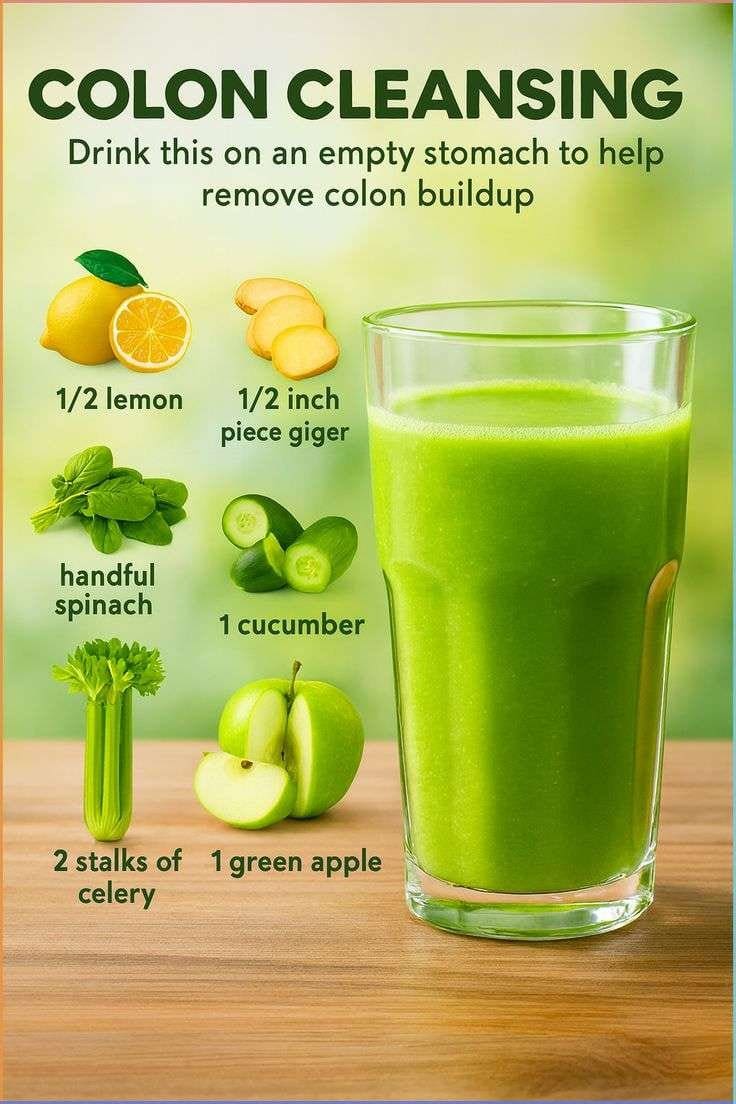
What happens to fiber when you juice?
Most commercial and home juicers separate liquid from fibrous pulp, so you lose much of the insoluble fiber that helps regulate bowel movements and maintain gut microbiome health. That means juicing can provide quick nutrients but may reduce stool bulk and slow-colon fermentation unless you intentionally reuse the pulp.
Enzymes, phytochemicals, and bioavailability
Fresh juices often contain plant enzymes and concentrated phytochemicals that can support digestion and reduce inflammation. Because nutrients in juice are in a more readily absorbable form, you may experience faster effects from certain compounds like bromelain (pineapple) or papain (papaya).
Blood sugar, gastric emptying, and satiety
Juices made mostly from fruit can spike blood sugar because of rapid sugar absorption; this may affect gastric emptying and hunger signals. If you want stable energy and reduced cravings, pairing juice with some fiber, healthy fat, or protein will help slow absorption and increase satiety.
Benefits of Juicing for Digestive Health
Juicing can offer several digestive benefits when used thoughtfully. You can get concentrated vitamins and anti-inflammatory compounds, rehydrate quickly, and introduce plant enzymes that help break down foods.
- Hydration: Many juices are high in water and electrolytes, helping digestion and preventing constipation.
- Anti-inflammatory effects: Ingredients like turmeric, ginger, and leafy greens can reduce gut inflammation.
- Gentle nutrient delivery: If you’re recovering from illness or have poor appetite, juice can deliver nutrients without heavy chewing.
- Help with bloating: Certain herbs and vegetables (fennel, mint, ginger) can reduce gas and cramping.
- Support for liver and bile function: Bitter greens and lemon may encourage bile flow and liver detox pathways.
Which Fruits and Vegetables Are Best for Digestion
Choosing the right produce matters. Below is a table summarizing commonly used juicing ingredients and how they may affect digestion, plus any cautions.
| Ingredient | Digestive Benefit | Key Compounds | Cautions |
|---|---|---|---|
| Ginger | Eases nausea, reduces gas, stimulates gastric emptying | Gingerols, shogaols | May increase acid in reflux-prone people if used heavily |
| Fennel | Relieves bloating and cramping | Anethole, fiber in pulp | Strong taste; seeds are often better for infusion |
| Pineapple | Contains bromelain, aids protein digestion and reduces inflammation | Bromelain, vitamin C | High sugar; can be acidic for reflux |
| Papaya | Contains papain, helps break down proteins | Papain, vitamin A/C | Ripe fruit is best; green papaya used for enzyme tonics |
| Apple | Provides pectin in whole fruit; juice is hydrating and gentle | Polyphenols | High fructose; may trigger symptoms in sensitive people |
| Pear | Moor gentle sugars, can relieve constipation when whole | Sorbitol (in fruit) | Juiced, sorbitol becomes concentrated; may cause gas |
| Beet | Supports liver detox and bile; helps liver enzymes | Betalains, nitrates | Can be high in oxalates for kidney stone risk |
| Cucumber | Hydrating, soothing to gut lining | Water, silica, potassium | Very mild, low calorie |
| Celery | Hydrating, contains polyphenols that may reduce inflammation | Apigenin | High sodium when compared to other veg—watch if on low-salt diet |
| Carrot | Gentle, high in beta-carotene and soluble fiber in pulp | Beta-carotene, pectin | Carrot juice can be sweet and may raise sugars |
| Spinach/Kale | Nutrient-dense, bitter compounds that support liver | Nitrates, magnesium, vitamin K | High oxalate in spinach; too much kale may be rough on thyroid in raw large amounts |
| Lemon/Lime | Stimulates bile, alkalizes when metabolized | Citric acid, vitamin C | Acidic—may bother reflux if used excessively |
| Aloe vera (inner gel) | Soothing to mucosa, may relieve constipation | Mucilage, polysaccharides | Use small amounts; raw aloe latex is a laxative and can be stimulating |
| Mint | Soothing and antispasmodic | Menthol | Can worsen reflux for some people |
| Turmeric | Anti-inflammatory, supports gut lining repair | Curcumin | Needs fat or black pepper for absorption |
| Cabbage | Soothes ulcers (historical use) | Glucosinolates, vitamin U (S-methylmethionine) | Can cause gas in some people |
Use this table to mix and match ingredients according to your goals and sensitivities.
Juicing Recipes for Digestion
Below are practical recipes designed to support digestion. Each includes ingredients, steps, servings, and tips for modifications.
| Recipe Name | Ingredients (approx) | Instructions | Serves | Notes |
|---|---|---|---|---|
| Morning Gut Soother | 1 cucumber, 1 green apple, 1-inch ginger, juice of 1/2 lemon | Juice all ingredients, stir, drink slowly | 1 | Use apple only if you tolerate fructose |
| Anti-Inflammatory Golden | 2 carrots, 1 orange (peeled), 1-inch turmeric, pinch black pepper | Juice carrots and orange, whisk in turmeric and black pepper | 1 | Add a dash of healthy fat for curcumin absorption |
| Liver-Friendly Green | 2 cups kale (stems optional), 1 green apple, 1/2 lemon, 1/2 cucumber | Juice greens and cucumber, add lemon at end | 1 | Bitter greens encourage bile flow |
| Constipation Relief | 1 pear, 1 apple, 1/2 cup prunes (soaked), 1 cup water | Blend for thickness or juice with added water | 1-2 | Prune juice and pear offer sorbitol—use cautiously |
| Soothing Papaya Pineapple | 1 cup ripe papaya, 1/2 cup pineapple, 1/2 banana (optional) | Blend or use masticating juicer to preserve enzymes | 1 | Good after meals containing protein |
| Post-Meal Digestive Tonic | 1-inch fresh ginger, 1/2 fennel bulb, 1/2 lemon | Juice and sip slowly after a heavy meal | Small shot | Fennel reduces gas, ginger eases nausea |
| Low-FODMAP Green | 1/2 cucumber, 1 cup spinach, 1/2 lemon, small handful cilantro | Juice all, avoid high-fructose fruits | 1 | Designed for IBS with FODMAP sensitivity |
| Calming Bedtime Sipper | 1 apple, 1/2 cup cucumber, small handful chamomile tea (cold) | Brew tea, cool, then juice apple and cucumber; combine | 1 | Chamomile is calming, not juiced—infuse instead |
| Reflux-Friendly Juice | 1/2 cucumber, 1 small carrot, 1 small zucchini | Juice gently; avoid citrus and tomato | 1 | Low-acid, mild sugars to reduce reflux risk |
| Hydration Electrolyte | 2 celery stalks, 1/2 cucumber, 1 orange, pinch sea salt | Juice, add pinch salt to restore electrolytes | 1 | Useful after diarrhea or heavy sweating |
Tips: If you have digestive sensitivity, start with small amounts and note how you feel. You can reintroduce some of the pulp into your drink to boost fiber and reduce sugar concentration.
Juicing vs Blending: Which Is Better for Digestion?
When deciding whether to juice or blend, consider how fiber, absorption, and blood sugar affect your digestion.
- Juicing (extracting liquid) gives you concentrated vitamins and enzymes with little insoluble fiber, which can be helpful if chewing is difficult or if you need quick nutrient delivery.
- Blending retains all the fiber, which supports bowel regularity, slows sugar absorption, and feeds your microbiome. That can be superior for long-term digestive health.
If you want the best of both worlds, try “juice plus” — juice first for flavor and enzymes, then add a portion of the pulp or blend a little whole fruit to restore fiber.
Timing and How Much to Drink
How and when you drink juice matters for digestive response.
- Portion size: Aim for 8–12 ounces (240–350 ml) per serving for most people. Larger amounts of fruit juice may spike blood sugar and overwhelm the gut.
- Frequency: Start with once per day or a few times per week; see how your body responds before increasing.
- Relative to meals: Drinking juice between meals can deliver nutrients without slowing digestion of a meal. Drinking a small digestive tonic after a heavy meal can help reduce bloating and promote gastric emptying.
- For constipation: Consider a fiber-inclusive juice or add pulp back in, or rely on blended smoothies instead of plain juice.
- For sensitive conditions: Tiny digestive shots (1–2 ounces) of ginger, fennel, or aloe diluted in water can be effective and better tolerated.
How to Use Juice Safely if You Have Digestive Conditions
Juice can interact with specific digestive disorders. Use tailored guidance below.
Irritable Bowel Syndrome (IBS)
IBS often involves sensitivity to fermentable carbohydrates (FODMAPs). Many fruits (apple, pear, mango) are high-FODMAP and may trigger symptoms when concentrated in juice.
- Choose low-FODMAP ingredients: carrot, cucumber, zucchini, spinach (small amounts), kiwi (in moderation), citrus (small amounts), berries (small portions).
- Avoid high-FODMAP: apple, pear, mango, watermelon, stone fruits, garlic, onion.
- Use small portions and monitor symptoms.
Small Intestinal Bacterial Overgrowth (SIBO)
SIBO patients often react to simple sugars and rapidly fermentable carbs. Concentrated fruit juices can exacerbate bloating.
- Favor low-FODMAP and low-sugar veg juices.
- Keep servings small and avoid long juice-only regimens.
Gastroesophageal Reflux Disease (GERD)
Acidic or spicy juices may worsen reflux symptoms.
- Avoid high-acid fruits like orange, grapefruit, tomato, and pineapple if reflux is active.
- Favor low-acid options: cucumber, carrot, celery, aloe vera (small amounts), pear (if tolerated).
- Avoid peppermint in reflux because it can relax the lower esophageal sphincter and worsen symptoms, despite its antispasmodic action for other conditions.
Ulcerative Colitis and Crohn’s Disease
During flares, the gut lining is sensitive and may not tolerate raw juices.
- During flares: focus on easily digestible, low-residue liquids under professional guidance—clear broths or diluted juices may be appropriate briefly.
- During remission: gradual introduction of nutrient-dense juices is possible; avoid roughage if strictures or blockages exist.
Diabetes and Blood Sugar Concerns
Fruit juices can raise blood sugar quickly.
- Prefer vegetable-dominant juices and add protein/fat to your meal plan.
- Monitor glucose response when trying a new juice.
- Work with your diabetes care team before adding frequent fruit juices.
Common Mistakes and How to Avoid Them
Avoid these common pitfalls to make juicing helpful rather than harmful.
- Mistake: Relying solely on fruit juices. Consequence: Blood sugar spikes and nutrient imbalance. Fix: Favor vegetables and add a protein or fat source.
- Mistake: Removing all fiber permanently. Consequence: Worsened stool bulk and less microbiome support. Fix: Reuse pulp in soups, muffins, or add back to drinks.
- Mistake: Drinking large volumes quickly. Consequence: Digestive upset or sugar overload. Fix: Sip slowly and keep servings moderate.
- Mistake: Using the same ingredients daily. Consequence: Nutrient imbalance and potential exposure to contaminants. Fix: Rotate produce and include varied colors.
- Mistake: Not cleaning the juicer properly. Consequence: Bacterial growth and spoilage. Fix: Clean immediately after use and sanitize parts periodically.
Storing and Preparing Juices
Proper storage preserves nutrients and keeps you safe.
- Fresh is best: Juice contains oxygen-sensitive compounds; aim to drink within 15–30 minutes for peak benefits.
- Short-term storage: Keep juices in airtight glass containers filled to the brim to minimize oxidation. Store in the refrigerator and drink within 24–48 hours. Masticating juicer yields last longer (up to 72 hours) compared to centrifugal juice.
- Additives to preserve: A squeeze of lemon or lime can slow oxidation. Refrigerate and keep away from light.
- Freezing: Freeze in ice cube trays for later thawing; some nutrients degrade, but frozen cubes are useful in smoothies.
- Reheating: Avoid heating fresh juice; heat destroys enzymes and some vitamins.
Cleaning and Maintaining Your Juicer
A clean juicer is essential for safety and longevity.
- Disassemble immediately after use; rinsing prevents pulp from drying and clogging.
- Use a soft brush to clean mesh screens and blades.
- For deep cleaning: soak removable parts in warm soapy water then rinse thoroughly. Sanitize occasionally with a vinegar-water rinse.
- Replace worn-out filters and gaskets as advised by the manufacturer to maintain performance.
Monitoring Your Response and When to See a Professional
You should watch how your gut responds and consult professionals when needed.
- Track symptoms: Keep a simple log of what you juice, serving size, and subsequent symptoms (bloating, stool changes, heartburn).
- When to see a clinician: If you experience persistent diarrhea, blood in stool, severe abdominal pain, unexplained weight loss, or persistent reflux, consult a gastroenterologist.
- For personalized guidance: A registered dietitian or nutritionist can help tailor juices to your medical conditions and calorie needs.
Sample 7-Day Gentle Juicing Plan for Digestive Reset
This sample plan combines juices with regular meals, emphasizing moderation and gut-friendly choices. Each day includes 1 small juice (8–10 oz) plus balanced meals. Adjust portions and contents to match your tolerances and medical needs.
Day 1: Morning Gut Soother (cucumber, green apple, ginger); balanced lunch (lean protein, steamed veggies); light dinner (soup). Day 2: Anti-Inflammatory Golden mid-afternoon; meals rich in fiber and fermented foods (if tolerated) like yogurt or kefir to support microbiome. Day 3: Hydration Electrolyte after exercise; avoid high-fat heavy meals that night. Day 4: Low-FODMAP Green in the morning; focus on low-residue grains if you’re sensitive. Day 5: Soothing Papaya Pineapple after a protein-rich lunch; add whole fruit or pulp to support fiber. Day 6: Post-Meal Digestive Tonic after a heavier meal; practice mindful eating and chew thoroughly. Day 7: Reflux-Friendly Juice for breakfast; review your symptom log and adjust the next week.
This is a gentle, practical approach—not a prolonged juice-only cleanse. Use it as a short-term reset and learning experience to identify ingredients that help or hurt your digestive comfort.
Troubleshooting: If Juicing Makes You Worse
If you experience negative effects, here are steps to take.
- Stop the suspect juice and try plain water for 24 hours to let your system reset.
- Reintroduce single-ingredient juices in small quantities to find the trigger.
- Consider swapping fruit for vegetables to reduce sugar load.
- Add back fiber: mix pulp into soups or smoothies to see if symptoms improve.
- Seek testing for food intolerances, FODMAP sensitivity, or SIBO if symptoms persist.
Frequently Asked Questions (FAQs)
Q: Can juice replace a meal? A: Not usually. Juice lacks sufficient protein and healthy fats, and most juices are low in fiber. Use juice as a supplement or snack rather than a full meal unless supervised by a professional.
Q: Will juicing harm my gut microbiome? A: Frequent consumption of low-fiber juices could reduce the fermentable substrates your microbiome needs. Maintain fiber-rich whole foods and occasionally add pulp back to your juice.
Q: Is cold-pressed or masticating juicer better for digestion? A: Masticating juicers typically preserve more nutrients and yield less heat, which can help preserve enzymes and allow juices to store slightly longer.
Q: Are juice cleanses safe? A: Short, well-planned cleanses may be safe for many healthy people, but prolonged juice-only diets can lead to nutrient deficiencies and blood sugar instability. If you have medical conditions or take medications, consult your healthcare provider first.
Q: How can I make my juice less likely to cause bloating? A: Use low-FODMAP ingredients, keep serving sizes small, include ginger or fennel, and consider adding a bit of pulp to manage concentration of fermentable sugars.
Final Tips and Takeaways
- Start small. Try one small juice per day and watch how your body reacts.
- Favor vegetables and add fruit sparingly to reduce sugar spikes.
- Reuse pulp when possible to restore fiber and support bowel regularity.
- Tailor ingredients to your condition: low-FODMAP for IBS, low-acid for GERD, low-sugar for diabetes.
- Maintain balanced meals alongside juicing to ensure you get enough protein, healthy fats, and fiber.
- Keep your equipment clean and store juice properly to preserve quality.
If you treat juicing as a tool—one component in a broader, balanced dietary plan—you can use it to support digestion, reduce occasional bloating, and increase nutrient intake. Track your results, rotate ingredients, and consult professionals if you have persistent digestive concerns.
Disclaimer.
This content is for informational and educational purposes only and is not intended as medical advice. Always consult a qualified healthcare professional before making changes to your diet, especially if you have a medical condition, are pregnant, or are taking medication.
As an Amazon Associate, we earn from qualifying purchases.