
Wondering why juicing is good for you? Freshly made juices are packed with vitamins, minerals, and antioxidants that support your overall health. Regular juicing can boost energy levels, improve digestion, and strengthen your immune system — all while helping your body feel refreshed and balanced from the inside out.
Why Juicing Is Good For You
Juicing can be a simple, delicious way to add more fruits and vegetables into your day, and it often makes it easier for you to absorb concentrated nutrients quickly. This section introduces the concept and outlines why many people find juicing beneficial as part of a healthy routine.
What people mean by “juicing”
When people say “juicing,” they usually mean extracting liquid from fresh fruits and vegetables while leaving behind most of the fiber and pulp. You get a concentrated dose of vitamins, minerals, antioxidants, and phytonutrients in a form that your body can process rapidly. That makes juicing different from eating whole fruits and vegetables or drinking smoothies, both of which retain more fiber.
How juicing fits into a healthy diet
Juicing is a convenient way to boost your intake of produce, especially when you struggle to eat enough fresh vegetables. It should complement a balanced diet rather than replace whole foods entirely, because fiber and chewing have metabolic and digestive benefits. Use juicing to add variety and nutrients to your meals while still eating whole fruits, vegetables, whole grains, and lean proteins. 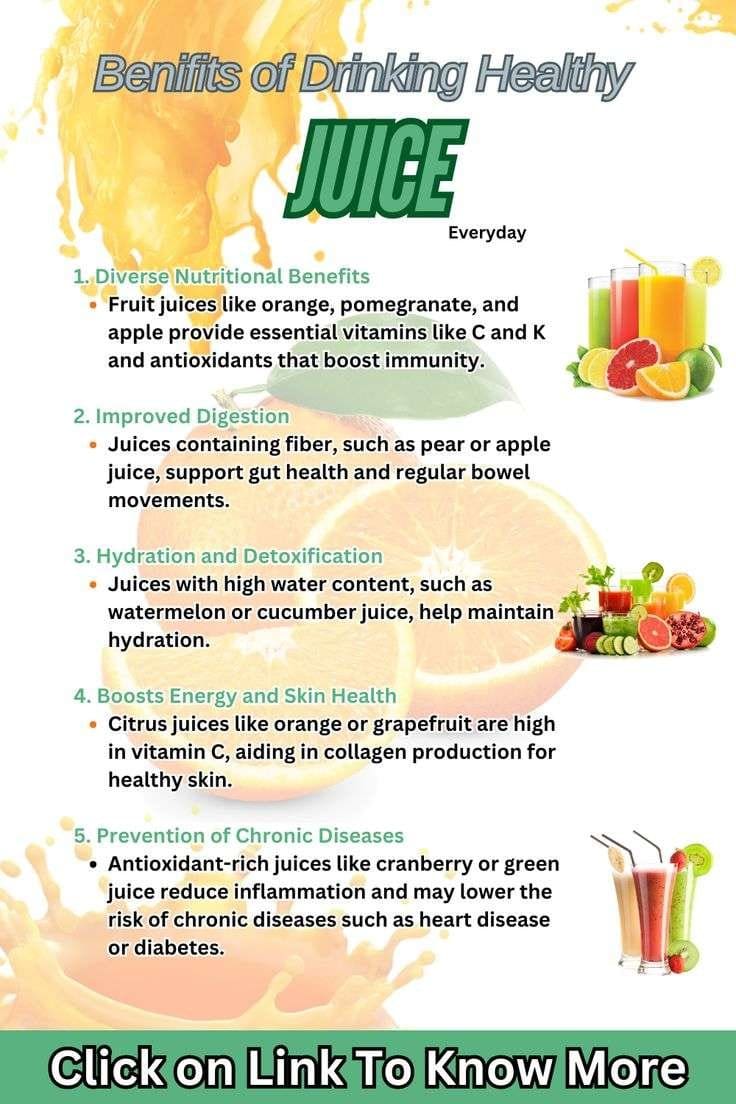
Key health benefits of juicing
Juicing offers multiple potential benefits when used sensibly. Below are core areas where juicing can help your health, presented so you can decide how juicing might fit your personal goals.
Rapid nutrient delivery
Juices provide a fast way to deliver vitamins and minerals to your system because the liquid form is easy to digest and absorb. If you’re recovering from illness, have low appetite, or need a quick nutrient boost, juicing can be a practical strategy for improving overall nutrient intake.
Increased vegetable intake
If you struggle to eat the recommended daily amount of vegetables, juicing can substantially increase how many servings you consume. A single serving of juice can contain multiple servings of vegetables that you might not otherwise eat in one sitting.
Antioxidant and phytonutrient concentration
Many fruits and vegetables are rich in antioxidants (like vitamin C and various carotenoids) and phytonutrients (like flavonoids and glucosinolates). Juicing allows you to combine different ingredients to target antioxidant support for inflammation reduction and cellular health.
Hydration and electrolytes
Fresh juices, especially those containing cucumber, watermelon, or citrus, help hydrate you and supply electrolytes like potassium. That can be helpful after exercise or on hot days when you need rapid replenishment.
Support for digestion and detoxification processes
While juicing removes most fiber, many juices contain compounds that support liver function and digestion, such as chlorophyll from leafy greens and sulfur-rich compounds from cruciferous vegetables. These substances can support your body’s natural detoxification pathways when paired with a balanced diet.
Energy and mental clarity
Some people notice improved energy and mental clarity after adding fresh juices to their routine. The quick delivery of vitamins, minerals, and phytonutrients may support cellular metabolism and cognitive function, particularly when your diet was previously low in produce.
Nutrients commonly found in juices and their benefits
Understanding which nutrients you’re getting from common juicing ingredients helps you choose combinations that match your goals. Below is a table with typical juicing ingredients and the key nutrients they contribute.
| Ingredient | Key nutrients and compounds | Typical benefit |
|---|---|---|
| Carrots | Beta-carotene (vitamin A precursor), potassium, antioxidants | Eye health, immune support, skin health |
| Oranges/Citrus | Vitamin C, flavonoids, potassium | Immune support, antioxidant protection, collagen support |
| Kale/Spinach | Vitamin K, vitamin C, iron, calcium, phytonutrients | Bone health, blood clotting support, antioxidant effects |
| Beets | Nitrates, folate, potassium, betaine | Blood pressure support, circulation, exercise performance |
| Ginger | Gingerols, antioxidants | Anti-nausea, digestive comfort, anti-inflammatory |
| Turmeric | Curcumin | Anti-inflammatory, antioxidant support |
| Cucumber | Hydration, silica, potassium | Hydration, skin support, mild alkalinizing |
| Apple | Vitamin C, phytochemicals, natural sweetness | Antioxidant support, flavor balance |
| Celery | Potassium, sodium, polyphenols | Electrolyte balance, mild anti-inflammatory |
| Pineapple | Bromelain, vitamin C, manganese | Digestive enzyme support, anti-inflammatory properties |
How much nutrition is really in juice?
Juice concentrates many nutrients but loses most of the insoluble fiber. You’ll get vitamins, minerals, and phytochemicals; however, because fiber is removed or reduced, the sugar from fruit juices can be absorbed more rapidly, and you won’t get the same satiety and digestive benefits as with whole produce.
Juicing vs. blending: which is right for you?
Juicing and blending both help you consume more produce, but they have different outcomes and use-cases. Below is a comparison to help you choose.
| Feature | Juicing | Blending (smoothies) |
|---|---|---|
| Fiber content | Low (most fiber removed) | High (fiber retained) |
| Nutrient concentration | High per ounce | More filling; nutrients spread in larger volume |
| Sugar absorption | Faster (can spike blood sugar) | Slower (fiber moderates absorption) |
| Feeling of fullness | Less filling | More filling and suitable as meal replacement |
| Portable | Highly portable | Also portable but thicker |
| Best when | You need rapid nutrient delivery or hydration | You want a balanced, satisfying meal or snack |
When to choose juice over smoothie
Choose juice when you want rapid absorption, a lighter option between meals, or a concentrated source of vitamins and minerals. If you need sustained energy, better blood sugar control, or a meal replacement, consider smoothies instead because they keep fiber and increase satiety.
Types of juicers and how they affect quality
Different juicers extract juice in different ways, which affects nutrient preservation, juice yield, and oxidation. Knowing the types helps you select a device that fits your goals and budget.
Centrifugal juicers
These juicers shred produce at high speed, then separate juice through centrifugal force. They are usually faster and less expensive, but they create more heat and oxidation, which may reduce shelf life and some heat-sensitive nutrients.
Masticating (cold-press) juicers
Masticating juicers crush and press produce slowly, which typically yields more juice and better preserves nutrients because of lower heat and oxidation. They’re often preferred for leafy greens and wheatgrass.
Triturating (twin-gear) juicers
Twin-gear juicers produce high yields and very fine extraction by crushing and grinding. They are effective at extracting from tough greens and fibrous produce, often providing the best nutrient preservation, but they are more expensive and require more cleaning.
Manual or hand juicers
Hand juicers are simple and effective for citrus and soft fruits. They’re portable and easy to clean, but they won’t handle leafy greens or large quantities quickly.
Choosing the right juicer for you
If you want quick, occasional juicing, a centrifugal model may be fine. If you plan to juice daily, especially leafy greens and wheatgrass, a masticating or twin-gear juicer is a better long-term choice for nutrient yield and juice quality.
How to juice properly for maximum benefit
Juicing is simple, but a few techniques can improve nutrient retention and taste. Below are practical tips you can use each time you juice.
Use fresh, high-quality produce
Choose fresh, ripe produce and organic when feasible, especially for items with thin skins or those commonly high in pesticide residues. Freshness maximizes flavor and nutrient content.
Combine ingredients wisely
Balance flavors to avoid overly sweet or bitter juices. Pair vegetables with a small amount of fruit for sweetness, add lemon or ginger for brightness, and include leafy greens for nutrient density. Aim for mostly vegetables (3–4 parts) and some fruit (1 part) if you’re watching sugar.
Rotate ingredients
Rotate the ingredients you use to get a broader range of nutrients and reduce exposure to any potential contaminants. This ensures you don’t overconsume compounds that may be problematic in extreme quantities.
Drink juice soon after making it
Juice oxidizes quickly. Drink fresh-made juice within 12–24 hours for best nutrient retention, keeping it refrigerated and in an airtight container. Cold-pressed juices and those from slow juicers often retain quality longer than juices from centrifugal machines.
Keep portions reasonable
An 8–12 ounce serving is a common portion. Don’t rely solely on juice for calories or nutrients; treat it as a supplement to whole foods. If you have blood sugar concerns, reduce fruit and increase vegetables.
Common juicing recipes and combinations
Here are some approachable recipes that you can try. They’re designed to balance flavor, nutrients, and variety.
| Recipe name | Ingredients (approximate) | Why you might like it |
|---|---|---|
| Green Energizer | 4 cups spinach, 1 cucumber, 2 celery stalks, 1 green apple, 1/2 lemon | Mild, hydrating, rich in vitamins K and C |
| Morning Citrus | 3 oranges, 1 grapefruit, 1/2 lemon, small piece of ginger | Bright, vitamin C heavy, good for mornings |
| Carrot Ginger Zing | 4 carrots, 1 apple, 1-inch ginger, 1/2 lemon | Sweet, anti-inflammatory benefits from ginger |
| Beet Boost | 1 medium beet, 2 carrots, 1 apple, 1/2-inch turmeric | Nitrate-rich for circulation and performance |
| Tropical Refresher | 1 cup pineapple, 1 orange, 1/2 cucumber | Refreshing, bromelain for digestion |
| Detox Greens | 2 cups kale, 1 cucumber, 1 green apple, 1/2 lemon, parsley | Chlorophyll-rich and cleansing flavors |
Tips for turning recipes into meals
Add a protein and healthy fat source with your juice if you want it to support a meal. For example, pair a green juice with a handful of almonds, a hard-boiled egg, or a Greek yogurt to slow sugar absorption and increase satiety.
How juicing can support specific goals
Juicing can be tailored to your goals, whether you want weight management, improved skin, better digestion, or athletic performance. Below are ways to align juice choices with those aims.
For weight management
Use predominantly vegetable-based juices with limited fruit to reduce calorie and sugar content. Combine juice with whole-food meals rather than replacing all meals to maintain adequate fiber and protein.
For immune support
Choose citrus, red bell pepper, and leafy greens to increase vitamin C and antioxidant intake. Add ginger and turmeric for additional anti-inflammatory and immune-supportive compounds.
For skin health
Carrots, sweet potatoes, and leafy greens provide beta-carotene and antioxidants that support skin repair and glow. Hydrating ingredients like cucumber help maintain skin moisture.
For athletic performance
Beet juice is notable for its nitrate content, which can support blood flow and exercise performance. Include electrolyte-rich juices (cucumber, celery) when you need hydration and mineral replacement.
For digestive comfort
Ginger and pineapple contain digestive-supporting enzymes like bromelain. However, if you need fiber for digestion, pair juice with whole-food sources of fiber regularly.
Potential risks and how to mitigate them
Juicing can be very healthy when done properly, but there are risks if you rely on juice too heavily or ignore specific health concerns. Below are common issues and practical ways to manage them.
Blood sugar spikes
Fruit juices can elevate blood sugar quickly because they lack fiber. If you have diabetes or blood sugar concerns, prioritize vegetables, limit fruit, and pair juice with protein and fat-containing snacks to slow absorption.
Nutrient imbalances
Relying only on juice can lead to inadequate protein, fat, and fiber intake. Keep juicing as a supplement and maintain whole-food meals to ensure macronutrient balance.
Oxalates and concentrated compounds
Some leafy greens (like spinach) have higher oxalate content that, in very large amounts, can contribute to kidney stone risk in susceptible individuals. Rotate greens and consult your healthcare provider if you have a history of kidney stones.
Dental health
Acidic or sugary juices can erode tooth enamel. Use a straw to limit contact with teeth, rinse with water after drinking, and avoid brushing teeth immediately after acidic juices; wait 30–60 minutes.
Food safety
Fresh juices can harbor bacteria if not stored properly. Keep refrigerated in airtight containers and consume within 24–48 hours, depending on the juicer type and ingredients. Clean your juicer thoroughly after each use.
Who should be cautious or avoid juicing
Juicing is not appropriate for everyone in all circumstances. Consider these situations where caution is advised.
People with diabetes or blood sugar disorders
Because juices can raise blood glucose quickly, you should work with your healthcare provider to choose low-sugar, vegetable-forward options and monitor your levels closely.
People on blood-thinning medication
Some juices rich in vitamin K (like kale and spinach) can interact with blood thinners, affecting medication effectiveness. Keep vitamin K intake consistent and consult your clinician before making large dietary changes.
Pregnant or breastfeeding individuals
You can juice during pregnancy, but prioritize food safety and consult your obstetrician—especially when consuming green juices or high-oxalate greens. Avoid unpasteurized juice in pregnancy if you’re at risk of foodborne illness.
People with kidney disease
High potassium content in some juices can be risky if you have impaired kidney function. Work with a registered dietitian or nephrologist to tailor intake safely.
How often and how much should you juice?
Frequency depends on your goals and health status. Here are practical guidelines to help you decide how to incorporate juicing.
Occasional use
If you want a nutrient boost or a tasty beverage, enjoy an 8–12 ounce juice a few times per week. This can improve variety and nutrient intake without significant risk.
Regular daily use
Daily juicing can be beneficial if you follow a mostly vegetable pattern, keep portions moderate, and maintain whole food intake elsewhere. Many people find one glass per day is sustainable.
Short-term cleanses and fasts
Short-term juice cleanses may be used for a reset, but they should be time-limited (typically 1–3 days) and not replace essential nutrients like protein. Consult a healthcare provider if you have medical conditions.
Storage, safety, and cleaning tips
Good storage and cleaning prevent waste and keep your juices safe and tasty.
Storage guidelines
- Use airtight glass containers and fill them to the top to reduce oxidation.
- Refrigerate immediately and consume within 24–48 hours; cold-pressed juice may last a little longer.
- Freeze excess juice if you want to keep it longer—thaw in the fridge and shake before drinking.
Cleaning your juicer
- Clean components right after use to prevent pulp from drying and sticking.
- Follow manufacturer instructions for disassembly and dishwasher safety.
- Use a small brush to clean mesh screens and nooks where pulp accumulates.
Practical shopping and preparation tips
Making juicing a routine is easier when you plan. These tips will help you save time and money.
Buy in season and in bulk
Seasonal produce is often cheaper and fresher. Buy in bulk when prices are low and freeze portions (for certain fruits and vegetables) for later use in blending or juicing.
Prep in advance
Wash and chop produce in batches and store in the fridge so you can juice quickly. For leafy greens, remove tough stems to increase comfort in your juicer.
Waste-smart juicing
Use leftover pulp in soups, baked goods, omelets, or compost it to reduce waste. Vegetable pulp can also be dehydrated and ground into powder for savory uses.
Frequently asked questions
Here are answers to common questions you might have about juicing.
Does juicing cause weight loss?
Juicing can help with weight loss if it reduces your overall calorie intake and encourages healthier habits, but replacing meals with juice often leads to inadequate satiety and nutrient gaps. Use juices as part of a balanced calorie-controlled plan and include protein and fiber in meals.
Will juicing remove all the fiber?
Most insoluble fiber is removed in juicing. Some soluble fiber remains in the juice, but it’s a small amount compared with whole produce. If you need fiber for digestion or blood sugar control, include whole fruits and vegetables regularly.
Are store-bought juices as good as homemade?
Store-bought juices vary widely. Cold-pressed and pasteurized juices can be convenient, but they may be more expensive and sometimes include added sugars or preservatives. Homemade juice gives you complete control over ingredients and freshness.
Can juicing replace meals?
Occasionally using juice as a light meal substitute is okay, but consistently replacing meals with juice can lead to nutrient deficiencies and loss of muscle mass. If you’re considering meal replacement, add protein and healthy fats alongside your juice.
Practical 7-day sample plan (balanced approach)
Below is a sample week that uses juice strategically without replacing whole-food meals. This helps you get variety while maintaining balance.
| Day | Morning | Midday | Evening |
|---|---|---|---|
| Monday | Green Energizer (8 oz) + yogurt | Balanced lunch with protein and veggies | Dinner with lean protein and salad |
| Tuesday | Carrot Ginger Zing (8 oz) + whole-grain toast | Snack: nuts + fruit | Dinner with roasted vegetables |
| Wednesday | Beet Boost (8 oz) after workout | Protein-rich lunch | Light soup and whole grain |
| Thursday | Citrus & Ginger (8 oz) | Lunch: salad with beans | Stir-fry with brown rice |
| Friday | Tropical Refresher (8 oz) | Snack: hummus and veggies | Dinner with fish and greens |
| Saturday | Detox Greens (8 oz) | Active day, balanced meals | Family-style veggies and protein |
| Sunday | Fresh juice of choice (8 oz) | Brunch with eggs and whole grain | Light evening meal |
Final recommendations and practical rules
Juicing can be a healthy, enjoyable addition to your lifestyle if you follow some basic principles. Here are practical rules you can adopt.
- Favor vegetable-heavy juices over fruit-heavy ones to limit sugar.
- Keep portions moderate (8–12 ounces) and don’t replace every meal with juice.
- Rotate ingredients for broader nutrient intake.
- Use a high-quality juicer if you plan to juice often.
- Store juice properly and drink fresh when possible.
- Pair juices with whole-food meals to ensure macronutrient balance.
- Talk to your healthcare provider if you have specific medical conditions or take medications.
Summary
Juicing can make it easier for you to increase your intake of fruits and vegetables, delivering concentrated nutrients, antioxidants, and hydration. It’s especially useful when you need rapid absorption, a nutrient boost, or a hydrating beverage after exercise. However, it’s not a replacement for the fiber, protein, and overall balance provided by whole foods. Use juicing as a complement to a varied, balanced diet, pay attention to portion sizes and sugar content, and choose the method and ingredients that align with your goals and health needs.
If you want, I can create a personalized 7-day juicing plan tailored to your dietary preferences, health goals, and any medical considerations. Which goals are most important to you: weight management, immune support, athletic performance, improved digestion, or skin health?
Disclaimer.
This content is for informational and educational purposes only and is not intended as medical advice. Always consult a qualified healthcare professional before making changes to your diet, especially if you have a medical condition, are pregnant, or are taking medication.
As an Amazon Associate, we earn from qualifying purchases.