
How Daily Juicing Improves Energy and FocusJuicing for heart health is a simple and natural way to give your cardiovascular system the support it needs. Many fruits and vegetables contain antioxidants, vitamins, and minerals that help reduce inflammation, improve circulation, and protect your heart. With the right juice blends, you can nourish your body and keep your ticker running smoothly.
Juicing For Heart Health
You’re about to learn practical ways juicing can become part of a heart-healthy routine that supports circulation, blood pressure, and cholesterol. This article gives you science-based advice, ingredient choices, recipes, safety tips, and a realistic plan so you can use juicing effectively and safely.
Why Heart Health Matters
Your heart powers every cell in your body, so protecting it helps your energy, longevity, and quality of life. Small, sustainable dietary changes—like adding nutrient-dense juices—can lower risk factors such as high blood pressure, inflammation, and harmful cholesterol.
How Juicing Supports Heart Health
Juicing concentrates vitamins, minerals, and phytochemicals that have direct effects on cardiovascular risk factors. When used thoughtfully within an overall healthy diet, juices can deliver nutrients that help lower blood pressure, reduce oxidative stress, and improve endothelial function.
Antioxidant Protection
Antioxidants in fruits and vegetables neutralize free radicals that damage blood vessels and contribute to atherosclerosis. Ingredients rich in vitamin C, polyphenols, and carotenoids—like berries, citrus, and carrots—are particularly useful.
Lowering Blood Pressure
Certain compounds in produce, such as nitrates in beets and potassium in leafy greens, help relax blood vessels and support normal blood pressure. Regular intake of these nutrients through juices can provide consistent vascular support when paired with other lifestyle measures.
Improving Cholesterol Profile
Soluble fiber and plant sterols help reduce LDL cholesterol, while some juices contain flavonoids that improve HDL function and decrease LDL oxidation. Although juicing removes most fiber from whole produce, certain ingredients and practices (like adding a blended component) can still help your lipid profile.
Reducing Inflammation
Chronic inflammation is a major driver of heart disease, and many plant compounds—such as curcumin, gingerols, and anthocyanins—have anti-inflammatory effects. Using anti-inflammatory spices and colorful fruits and vegetables in your juices can lower inflammatory markers over time.
Improving Vascular Function
Nitric oxide production and endothelial responsiveness are essential for flexible blood vessels, and many vegetables support these processes. Beets, leafy greens, and citrus are examples that help improve blood flow and vascular health.
Key Juicing Ingredients for Heart Health
Selecting the right ingredients is the foundation of heart-supporting juices, and combining synergistic items boosts the benefit. Aim for varied colors and types of produce to cover antioxidants, nitrates, potassium, magnesium, and polyphenols.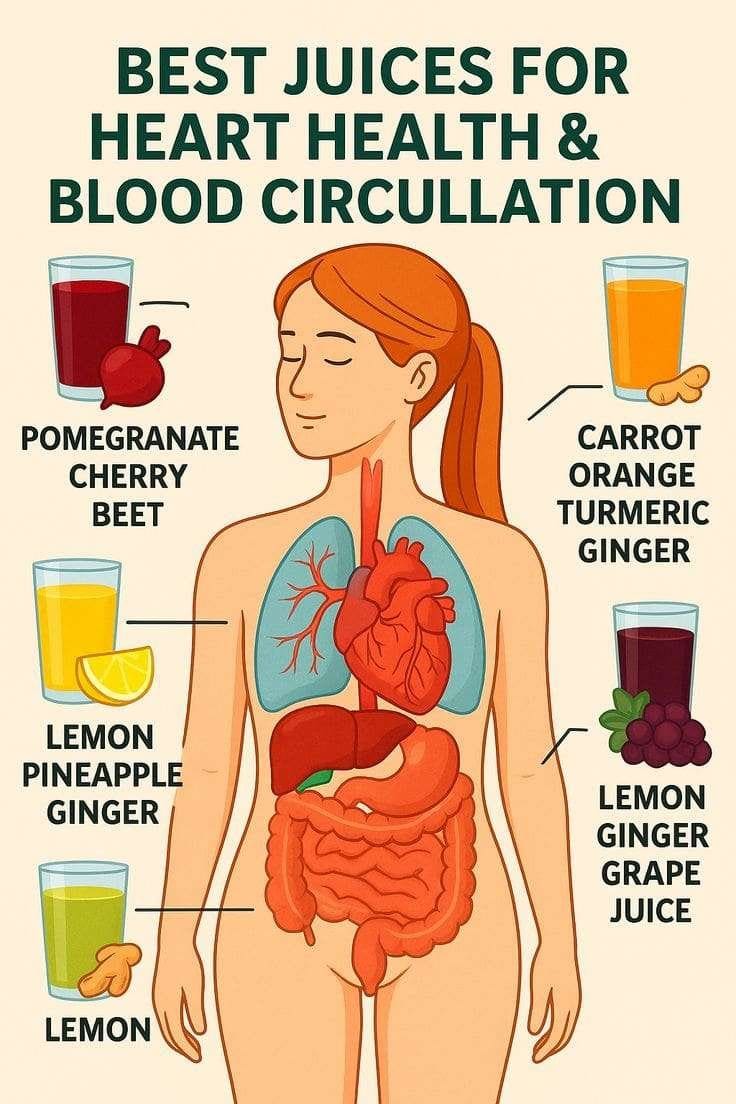
Heart-Healthy Fruits
Fruits supply vitamins, antioxidants, and natural sweetness that make juices enjoyable and nutrient-rich. Berries, apples, pomegranate, and citrus are excellent choices that balance flavor and cardiovascular benefits.
Heart-Healthy Vegetables
Vegetables often provide minerals and compounds specifically useful for blood pressure and vascular function. Beets, leafy greens, cucumbers, and tomatoes are top contenders for your juice lineup.
Herbs and Spices
Fresh herbs and spices offer potent, concentrated benefits with little—if any—calories. Ginger, turmeric, garlic, and parsley provide anti-inflammatory, antioxidant, and blood-pressure-modulating compounds when used in small amounts.
Add-ins: Nuts, Seeds, and Healthy Oils
Adding ground seeds (like chia or flax) or a splash of flaxseed oil to a blended juice gives you omega-3s and soluble fiber that support lipid profile. These additions are best used in blended drinks or smoothies rather than in pressed juice, where fiber has been removed.
Ingredient Benefits at a Glance
Below is a concise table to help you choose the most effective ingredients for heart health and understand why they matter.
| Ingredient | Key nutrients/compounds | Primary heart benefit |
|---|---|---|
| Beetroot | Nitrates, betalains, folate | Lowers blood pressure, improves blood flow |
| Spinach/Kale | Nitrates, potassium, magnesium, vitamin K | Supports vascular function and blood pressure |
| Berries (blueberry, strawberry) | Anthocyanins, vitamin C, polyphenols | Antioxidant, lowers inflammation |
| Pomegranate | Polyphenols, punicalagins, potassium | Reduces LDL oxidation, improves endothelial function |
| Apple | Polyphenols, soluble fiber (if blended) | Supports healthy cholesterol levels |
| Citrus (orange, grapefruit*) | Vitamin C, hesperidin, potassium | Antioxidant, supports endothelial health |
| Carrot | Beta-carotene, potassium | Antioxidant, vascular support |
| Garlic | Allicin, sulfur compounds | Lowers blood pressure, improves cholesterol patterns |
| Ginger | Gingerols | Anti-inflammatory, improves circulation |
| Turmeric | Curcumin | Anti-inflammatory, antioxidant |
| Flaxseed/Chia (blended) | ALA omega-3, soluble fiber | Lowers triglycerides, improves lipid profile |
*Note: grapefruit interacts with many medications; see precautions.
Best Juice Recipes for Heart Health
Recipes help you put ingredients into practice with flavor and purpose, and the selection below balances taste with cardiovascular benefit. Each recipe includes why it helps your heart and tips for when to drink it.
Beet & Berry Circulation Booster
This juice mixes beetroot with mixed berries and a splash of lemon for a potent nitric oxide and antioxidant boost. Drink this in the morning or before light exercise to support blood flow.
Ingredients: 1 small beet, 1 cup mixed berries, 1/2 lemon, 1 apple (optional for sweetness). Serving size: 8–12 oz.
Green Nitrate Power
A leafy green-forward juice that emphasizes nitrates from spinach and kale, rounded with cucumber and green apple for smoothness. Consume a glass daily to support healthy blood pressure and endothelial function.
Ingredients: 2 cups spinach, 1 cup kale, 1 cucumber, 1 green apple, 1/2 lemon. Serving size: 10–12 oz.
Pomegranate Antioxidant Shine
Pomegranate juice blended into a fresh juice with orange and a touch of ginger provides polyphenols that protect your blood vessels. Use this as an afternoon refresher to counter oxidative stress.
Ingredients: 1 cup pomegranate arils (or 1 small pomegranate), 1 orange, 1/2 inch ginger. Serving size: 8–10 oz.
Citrus & Carrot Heart Elixir
Orange and carrot combine for vitamin C and beta-carotene, with turmeric added for anti-inflammatory benefits. Drink this with a meal to improve absorption and enjoy a nutrient-rich boost.
Ingredients: 2 carrots, 2 oranges, 1/2 inch turmeric (or 1/2 tsp turmeric powder). Serving size: 10–12 oz.
Apple & Celery Cholesterol Support
Apple and celery make a refreshing base that helps with blood pressure and provides soluble compounds that support cholesterol balance. Have a small glass in the morning as part of a balanced breakfast.
Ingredients: 1 apple, 2 celery stalks, 1/2 lemon. Serving size: 8–10 oz.
Tomato & Red Pepper Vascular Support
Tomato provides lycopene and potassium while red pepper adds vitamin C and flavonoids for vascular protection. This savory juice pairs well with meals and provides heart-friendly nutrients.
Ingredients: 3 tomatoes, 1 red bell pepper, pinch of black pepper, basil to taste. Serving size: 10–12 oz.
Ginger Garlic Circulation Tonic
A potent tonic with small amounts of garlic and ginger supports circulation and inflammation control. Use sparingly—this is strong and best as a 2–4 oz shot a few times a week.
Ingredients: 1 small clove garlic, 1 inch ginger, 1 small apple to balance flavor. Serving size: 2–4 oz.
Blueberry & Flax Smoothie (Blended)
A blended option that includes ground flax for omega-3s and fiber, offering heart benefits that pressed juice lacks. Enjoy this as a meal replacement or hearty snack to support cholesterol and triglyceride control.
Ingredients: 1 cup blueberries, 1 banana, 1 tbsp ground flaxseed, 1 cup unsweetened almond milk. Serving size: 12–14 oz.
Beet-Apple Recovery Blend
Combining beet and apple gives you nitrates plus polyphenols, and the gentle sweetness helps compliance with regular intake. Drink after light-to-moderate activity to support recovery and circulation.
Ingredients: 1 small beet, 1 apple, 1/2 lemon. Serving size: 10 oz.
Green Tea & Citrus Antioxidant Shot
Use brewed green tea chilled and mixed with fresh citrus juice and a touch of honey for polyphenols and vitamin C. This shot is a refreshing, low-calorie option for antioxidant support.
Ingredients: 1/2 cup brewed green tea (chilled), 1/2 orange, 1 tsp honey. Serving size: 6–8 oz.
Spinach, Kiwi & Cucumber Refresh
Kiwi provides vitamin C and potassium while spinach supplies nitrates and magnesium, making this juice a mineral-dense option. Have it in the morning for a gentle nutrient lift.
Ingredients: 2 kiwis, 2 cups spinach, 1 cucumber. Serving size: 10–12 oz.
Turmeric Pineapple Anti-inflammatory Blend
Pineapple and turmeric offer anti-inflammatory enzymes and curcumin, respectively, to help blunt systemic inflammation. Drink in the afternoon as a flavorful pick-me-up.
Ingredients: 1 cup pineapple, 1/2 inch turmeric, 1/2 lemon. Serving size: 10 oz.
Juicing vs. Smoothies for Heart Health
You need to understand the difference between juicing and blending so you can choose the best method for your goals and health status. Juicing removes most fiber and concentrates nutrients, while smoothies retain fiber and are typically more satiating.
Pros and Cons
Juices give a quick, concentrated dose of vitamins and phytochemicals, but they can spike blood sugar and lack fiber. Smoothies keep fiber and healthy fats when you add seeds or nut butter, which helps control blood sugar and supports cholesterol management.
| Feature | Juicing | Smoothies (Blended) |
|---|---|---|
| Fiber | Low | High |
| Nutrient concentration per sip | High | Moderate |
| Satiety | Lower | Higher |
| Blood sugar impact | Can be higher if fruit-forward | Lower with fiber/fat |
| Best use | Short nutrient boost | Meal replacement or snack |
How to Juice Safely and Effectively
Safe juicing practices protect nutrient value, prevent contamination, and help you get the intended cardiovascular benefits. Attention to technique, timing, and storage will increase both effectiveness and safety.
Preparation and Cleaning
Always wash produce thoroughly, and scrub firm produce to remove dirt and residues, even if it’s organic. Clean your juicer parts immediately after use to prevent bacterial growth and maintain machine performance.
Storage and Preservation
Fresh juice is most nutrient-rich immediately after preparation, and most vitamins begin to degrade within hours of juicing. Store juice in airtight glass containers, fill to the top to limit oxidation, refrigerate, and consume within 24–48 hours for best quality.
Portion Control and Timing
Aim for 6–12 ounces per serving of pressed juice and consider blending if you want more fiber and satiety. Avoid replacing all meals with juice; instead, pair juices with balanced meals or use blended options for meal replacement when appropriate.
Precautions, Interactions, and When to Talk to a Doctor
Juicing is generally safe for most people, but certain medical conditions and medications require caution. Always discuss major dietary changes with your healthcare provider—especially if you have chronic conditions, take medicine, or are pregnant.
Blood Sugar and Diabetes
Fruit-heavy juices can raise blood sugar quickly, which is risky if you have insulin resistance or diabetes. If you have blood sugar concerns, prioritize vegetable-forward juices, include protein or healthy fat where possible, and monitor your responses.
Medication Interactions
Some juices interact with medications; the classic example is grapefruit juice, which affects the metabolism of many drugs. If you take statins, blood pressure meds, anticoagulants, or other prescription agents, confirm safety with your clinician before adding certain juices regularly.
Kidney Issues and Oxalates
Certain plants contain oxalates that can contribute to kidney stone formation in susceptible individuals. If you have a history of kidney stones or chronic kidney disease, get tailored advice about high-oxalate ingredients like spinach and beet greens.
Blood Thinners and Vitamin K
Leafy greens are high in vitamin K, which can affect blood thinner dosing for drugs like warfarin. Keep your vitamin K intake consistent and consult your prescribing provider before increasing green-juice consumption.
Choosing the Right Equipment
Picking a juicer or blender depends on your goals, budget, and how you plan to use juices or blended drinks. Each type of equipment has trade-offs in yield, nutrient retention, and convenience.
Types of Juicers and Blenders
A centrifugal juicer is fast but can introduce heat and oxidation; a masticating (cold-press) juicer yields more juice and preserves nutrients better but is slower. A high-speed blender lets you keep fiber and make smoothies, and it’s simpler for adding seeds or nuts.
| Equipment | Best for | Pros | Cons |
|---|---|---|---|
| Centrifugal juicer | Quick juices | Fast, affordable | More oxidation, less yield |
| Masticating juicer | Nutrient retention | Higher yield, less oxidation | Slower, pricier |
| Triturating/Cold-press twin-gear | Maximum nutrient retention | Highest yield and longevity | Expensive, complex |
| High-speed blender | Smoothies and blended drinks | Keeps fiber, versatile | Not ideal for clear juice |
Maintenance and Longevity
Choose equipment that’s easy to disassemble and clean to encourage consistent use, and follow manufacturer maintenance to extend lifespan. Replace worn parts as needed to maintain performance and safety.
Evidence-Based Research on Juicing and Heart Health
Several human and animal studies have evaluated components of juices for cardiovascular benefits, but evidence varies by ingredient and study design. You should treat juicing as part of an overall diet and lifestyle approach rather than a cure.
What the Research Shows
Studies show that beetroot juice can lower systolic and diastolic blood pressure in the short term due to dietary nitrates. Research on pomegranate and berries indicates improved biomarkers of oxidative stress and endothelial function, while fiber- and omega-3-rich blended options are associated with improved lipid profiles.
Limitations of the Evidence
Many trials are small, short-term, or use high concentrations not typical of everyday intake, so you should be cautious about generalizing results. More long-term, randomized controlled trials are needed to confirm sustained cardiovascular outcomes from regular juicing.
Common Myths and Misconceptions
There are many claims about juicing that overstate benefits or ignore risks, and you need accurate information to make choices that work for your long-term heart health. Separating myth from fact helps you avoid pitfalls such as excessive sugar intake or unrealistic detox promises.
Myth: Juicing Cleanses Your Body
There’s no strong scientific evidence that juices “cleanse” or remove toxins; your liver and kidneys do that work constantly. However, increasing nutrient-rich produce supports detoxification pathways indirectly by supplying necessary cofactors.
Myth: Juice Fasts Are a Healthy Shortcut to Weight Loss
Short-term weight loss from juice fasting is mostly water and glycogen loss, and it’s often unsustainable; you may regain weight when normal eating resumes. A steady, balanced approach with vegetables, lean proteins, and regular activity is more effective and safe.
Myth: More Juice Means More Health
Excessive juice, especially fruit-heavy juices, can add calories and sugar without satiety, increasing cardiometabolic risk. Moderate, intentional use—paired with whole foods or blended options—gives you benefits without unintended consequences.
Sample Weekly Juicing Plan
A weekly plan helps you practice variety while keeping portions sensible and benefits steady over time. This sample combines vegetable-heavy juices, blended nutrient-dense drinks, and occasional concentrated shots for a balanced approach.
| Day | Morning | Midday/PM | Notes |
|---|---|---|---|
| Monday | Green Nitrate Power (10 oz) | Beet & Berry Booster (8 oz) | Focus on nitrates and antioxidants |
| Tuesday | Citrus & Carrot Elixir (10 oz) | Blueberry Flax Smoothie (blended) | Add a blended meal replacement |
| Wednesday | Pomegranate Antioxidant (8 oz) | Tomato & Red Pepper (10 oz) | Combine fruit polyphenols with savory juice |
| Thursday | Spinach Kiwi Refresh (10 oz) | Ginger Garlic Tonic (2–4 oz shot) | Use small tonic for circulation |
| Friday | Beet-Apple Recovery (10 oz) | Green Tea Citrus Shot (6–8 oz) | Afternoon antioxidant boost |
| Saturday | Turmeric Pineapple (10 oz) | Apple & Celery (8 oz) | Add anti-inflammatory and mineral support |
| Sunday | Rest or blended smoothie meal | Light vegetable juice (8 oz) | Use rest day to evaluate how you feel |
Frequently Asked Questions
These FAQs answer common questions you’ll likely have as you plan juicing for heart health. If your question involves a medical condition, use these answers as a starting point and get personalized guidance from a clinician.
How often should you drink juice for heart benefits?
Aim for 3–5 small servings per week of vegetable-focused juices, and include 1–2 blended meals if you want fiber and satiety. Frequency depends on your overall diet, blood sugar control, and medication status.
Can juice replace meals for heart health?
Pressed juice generally shouldn’t replace most meals because it lacks fiber and sufficient protein and fat. Smoothies or blended drinks with added protein and healthy fat can replace a meal when planned appropriately.
Is juice sugar bad for your heart?
Excess sugar, even from fruit, can raise triglycerides, increase caloric intake, and worsen metabolic risk if consumed in large amounts. Prioritize vegetable-forward juices, add citrus sparingly, and monitor quantity.
Are store-bought juices effective?
Store-bought juices can be convenient but often contain added sugar, preservatives, or have been processed in ways that reduce nutrient value. If you use them, read labels carefully and choose cold-pressed, no-added-sugar options when possible.
What about juicing for older adults?
Older adults can benefit from nutrient-dense juices, but they must consider medications, blood sugar, and dentition. Smaller portions, vegetable-forward recipes, and medical consultation are recommended.
Can juicing improve cholesterol?
Some components of juices and blended drinks—like soluble fiber, plant sterols (in whole foods), and omega-3s—can help cholesterol over time. Juices alone are unlikely to produce dramatic cholesterol changes without broader dietary improvements.
Is it safe to juice during pregnancy?
Many fresh produce items are safe and nutritious in pregnancy, but you should avoid unpasteurized juices and be cautious with herbs, high-caffeine green tea, and large amounts of certain spices. Talk to your obstetrician before making major dietary changes.
What if you have limited time for juicing?
Prepare ingredients in advance, freeze portions, or use a high-quality cold-press service occasionally. Shortcuts like pre-washed greens, frozen berries, and a reliable blender can make nutrient-rich drinks more practical.
Can children drink these juices?
Children can benefit from vegetable juices in small amounts, but watch portion sizes and sugar content. Whole fruits and balanced meals remain the primary focus for growing kids.
When should you see a doctor about heart concerns?
See a clinician if you have chest pain, shortness of breath, severe swelling, fainting, or if you plan to make major dietary changes while on medications. Regular monitoring and professional guidance will keep your heart-safe as you adopt new habits.
Final Tips and Takeaways
Start slowly, prioritize vegetable-forward recipes, and use blended options when you need fiber and balanced nutrition. Keep your clinician informed about your juicing routine, especially if you take medications, have chronic conditions, or notice unusual symptoms.
You don’t need to juice every day to gain benefits—consistency, variety, and integrating juices into a balanced diet will give you the best chance to support your heart. If you’d like, you can ask for personalized juice recipes based on your preferences or medical profile, and I’ll help you build a practical plan.