
Pick The Freshest Ingredients For Juicing is the most important step if you want vibrant flavor, higher nutrient retention, and safer homemade juices. By learning how to spot fresh produce and store it correctly, you can dramatically improve the quality of every juice you make.
How To Pick The Freshest Ingredients For Juicing
You want vibrant, nutrient-dense juices that taste amazing and support your health. Choosing the freshest produce is the single most important step to achieving that. This guide gives you practical, actionable advice so you can shop, store, and prepare ingredients with confidence.
Why Freshness Matters
Freshness isn’t just about flavor — it determines nutrient levels, texture, and safety. The moment a fruit or vegetable is harvested, vitamins begin to degrade; the fresher your ingredient, the more vitamins and enzymes you’ll retain in your juice. You’ll also notice brighter flavors and better mouthfeel when ingredients are fresh.
Fresh produce is less likely to harbor harmful spoilage or off-flavors. When you pay attention to freshness, you reduce waste, stretch your food budget, and get more consistent results from your juicing routine.
Nutrient Content and Freshness
Fruits and vegetables start losing antioxidants, vitamin C, and some B vitamins soon after harvest. You’ll get the most bang for your buck when you use produce that’s recently harvested and properly stored. In particular, delicate greens and berries lose nutrients faster than root vegetables.
Flavor and Texture
Fresh ingredients have livelier flavor and better texture. This matters especially for juices where balance is key: overripe fruits can make a juice overly sweet or fermented-tasting, while limp greens can make the juice taste bitter or flat. Picking the right ripeness ensures pleasant, balanced juices.
Safety and Spoilage
Using fresh produce lowers the risk of bacterial growth and spoilage by-products that can affect taste and safety. Fresh-looking produce is also easier to clean and handle, so you reduce the chance of contaminating your juicer or finished juice.
How to Choose Fresh Fruits for Juicing
Different fruits show freshness in different ways. Here’s how to pick the best examples of the most common juicing fruits.
Apples
Apples should be firm with smooth, unwrinkled skin. Press gently; there should be no soft spots. Smell near the stem — a fresh apple has a crisp, slightly sweet aroma. Avoid apples that have bruises, cuts, or a mealy texture when you press them.
Berries (Strawberries, Blueberries, Raspberries)
Berries should look plump and have a bright color. Avoid leakage or mushy spots, which indicate overripeness or mold. For strawberries, the leaves should be green and fresh-looking. Smell should be mildly sweet, not fermented.
Citrus (Oranges, Lemons, Limes, Grapefruits)
Citrus should feel heavy for its size — that indicates juiciness. The skin should be firm and smooth; slight give is okay. Avoid citrus with soft spots, dull or wrinkled skin, or an off smell, which can signal dehydration or spoilage.
Melons (Watermelon, Cantaloupe, Honeydew)
A ripe melon will have a sweet aroma and feel heavy. For watermelon, look for a creamy yellow “field spot” where it sat on the ground (indicates ripeness). Cantaloupe should have a netted skin and a sweet scent at the stem end. Avoid melons that are overly soft or have a fermented smell.
Grapes
Grapes should be plump and firmly attached to a flexible stem. Avoid shriveled or sticky grapes, which indicate age or fermentation. Smell should be neutral to sweet, not yeasty.
Stone Fruits (Peaches, Plums, Nectarines)
Stone fruits should yield slightly to gentle pressure near the stem; too soft indicates overripe. Smooth, unwrinkled skin and a fragrant scent are positives. Avoid fruits with dark soggy spots or a strong fermented smell.
Tropical Fruits (Pineapple, Mango, Papaya)
Pineapple should smell sweet at the base and leave little give when pressed. Mangoes and papayas will yield slightly to pressure and have a fruity aroma. Avoid overly soft spots or heavy bruising.
Bananas
For juicing, slightly ripe bananas with a few brown spots are best — they’re sweeter and more flavorful. Avoid fully brown or mushy bananas since they can be fermented and overly sweet for a juice blend.
How to Choose Fresh Vegetables for Juicing
Vegetables carry their own set of freshness indicators. Some vegetables tolerate storage better than others, so aim to buy those that are freshest and least damaged.
Leafy Greens (Kale, Spinach, Swiss Chard)
Leafy greens should be crisp, vibrant in color, and free from wilting or dark spots. Check both sides of the leaves and the stem base. Avoid limp, yellowing, or slimy leaves — they’ll make your juice taste bitter or flat.
Root Vegetables (Carrots, Beets, Radishes)
Root vegetables should be firm and heavy for their size with smooth skin. For carrots, look for bright color and minimal cracks. Beets should have taut skin and feel dense; they’re often fine with some dirt attached, which can be washed off.
Cucumbers
Cucumbers should be firm, with dark green skin and no soft spots. Avoid cucumbers that are shriveled or have a yellow tint, which indicates age and bitter flavor.
Tomatoes
For juicing, choose ripe but firm tomatoes. They should be fragrant at the stem and free from deep cracks and large soft spots. Overripe tomatoes can make a juice watery and tangy.
Bell Peppers
Choose peppers that are glossy, firm, and heavy for their size. Avoid wrinkled or soft peppers, and check the stem area for molded or discolored spots.
Celery
Celery ribs should be crisp and snap when bent. Look for bright color and minimal browning on the tips. Limp, rubbery celery makes a weak, watery juice.
Herbs (Parsley, Cilantro, Mint, Basil)
Herbs should smell aromatic and look bright with no dark, wilted leaves. Buy herbs with stems intact and avoid bunches that look slimy or brown at the base.
Ginger and Turmeric
Choose knobs that are firm and heavy with smooth skin. Avoid wrinkled or moldy pieces. Fresh ginger and turmeric should have a fragrant, sharp scent.
Signs of Freshness: Visual, Touch, and Smell
You can use a simple checklist when you inspect produce. Visual, tactile, and olfactory cues will tell you much about freshness.
| Indicator | Fruit/Vegetable Signs | What It Means |
|---|---|---|
| Visual | Bright color, intact skin, no mold, firm leaves | Fresh and recently harvested |
| Touch | Firm but not rock-hard (depends on type), slight give for stone fruits | Proper ripeness, not overripe or dehydrated |
| Smell | Mildly sweet/fruity for ripe produce; fresh herbal scent for greens | Ripe and aromatic; absence of sour/fermented smell is good |
| Weight | Heavy for size (especially melons, citrus) | High water content, juiciness |
| Stem/Calix | Fresh green stem or cap, not dry or black | Recently harvested and kept well |
Always rinse and inspect produce at home. Some defects or early spoilage aren’t obvious until you handle the item.
Seasonal Buying Guide
Buying in season gives you the freshest produce at the best price. Here’s a seasonal guide to common juicing ingredients so you can plan purchases that are peak-fresh.
Spring
Spring brings tender greens (spinach, chard), radishes, young carrots, and citrus that’s lingering from winter. These are mild and perfect for bright, vegetal juices.
Summer
Summer offers berries, melons, cucumbers, tomatoes, peaches, and stone fruits. These are juicy, sweet, and full of flavor — ideal for sweeter, refreshing juices.
Fall
Fall brings apples, pears, beets, carrots, and late-season greens. These ingredients make heartier, more complex juices with warming flavors.
Winter
Winter is citrus season and a time for root vegetables, hardy greens, and storage crops like sweet potatoes and winter squash. These create bold, immune-supporting juices.
Organic vs Conventional: What to Prioritize
You’ll often face choices between organic and conventional produce. Consider the following trade-offs.
- Organic produce reduces exposure to synthetic pesticides and may be a priority for items that retain pesticides on the skin.
- Conventional produce often costs less and can be just as nutritious when fresh.
- Use the EWG Dirty Dozen / Clean Fifteen as a guide to prioritize organic purchases for items that most often carry higher pesticide residues.
| Priority | Buy Organic If Possible | Lower Priority for Organic |
|---|---|---|
| High | Strawberries, spinach, kale, apples, nectarines (Dirty Dozen) | Avocados, sweet corn, pineapples, onions (Clean Fifteen) |
If budget is limited, prioritize organic for the items that tend to concentrate pesticides, and buy conventional for items with protective skins you peel or that are low on residue lists.
Where to Buy Fresh Produce
Choosing the right place to buy affects freshness. Different outlets offer distinct advantages.
Farmers Markets
Farmers markets give you direct access to growers. You can ask about harvest date, how produce was stored, and even get samples. Local produce usually travels less and is fresher.
Grocery Stores
Large grocery stores provide convenience and variety. Look for produce delivered frequently, examine sell-by and pick-up dates, and shop during restocking times for the best picks.
Specialty Produce Stores and Co-ops
Co-ops and specialty stores often source high-quality or organic items. They may offer small-batch or heirloom varieties with intense flavors.
CSAs and Farm Boxes
Community Supported Agriculture (CSA) boxes give you fresh, seasonal produce straight from local farms. This is a great way to get freshly harvested items regularly.
Online Retailers
Online grocery or direct-from-farm services can provide high-quality produce, but check delivery date and packaging. Cold-chain packaging maintains freshness in transit.
How to Store Fresh Ingredients for Juicing
Proper storage preserves freshness, flavor, and nutrients. Different produce has different needs — here’s how to manage common items.
General Refrigerator Tips
- Store produce in the crisper drawer with a slightly higher humidity for leafy greens and vegetables, and lower humidity for fruits that rot quickly.
- Keep ethylene-producing items (apples, bananas, avocados) separate from ethylene-sensitive items (greens, cucumbers) to prevent premature ripening.
- Use perforated bags or reusable produce bags to maintain airflow while preserving humidity.
Storage Temperature and Conditions
- Cold-sensitive items like tomatoes and potatoes should not be refrigerated; store them at cool room temperature away from sunlight.
- Most fruits and vegetables store best at 32–40°F (0–4°C) with moderate humidity.
- Herbs benefit from being wrapped in a damp paper towel and placed in a loose bag, or kept in a jar with a little water and covered loosely.
| Item | Best Storage | Typical Refrigerated Life |
|---|---|---|
| Leafy greens | High-humidity crisper, remove ties | 3–7 days |
| Berries | In container lined with paper towel, don’t wash until use | 2–7 days |
| Apples | Cool fridge, separate | 3–6 weeks |
| Citrus | Fridge crisper or cool room | 2–3 weeks |
| Carrots | Wrapped in damp towel in cold drawer | 2–4 weeks |
| Beets | Trim greens, store roots in fridge | 2–4 weeks |
| Ginger/Turmeric | Fridge in paper bag or wrapped | 2–3 weeks |
| Cucumbers | Cool, not too cold, used within a week | 1 week |
| Herbs | Jar with water or wrapped damp towel | 5–10 days |
These are general ranges — freshness depends on harvest timing and condition at purchase. Check produce daily and use items that are most perishable first.
Prep and Handling Before Juicing
How you prepare ingredients impacts both nutrition and flavor. Follow smart prep steps to get the best juice.
Washing Produce
Always wash produce under cold running water. For leafy greens, swish in a bowl of cold water to remove dirt and grit, then spin or pat dry. For firm items, use a brush to clean crevices. Avoid soap or commercial produce washes — plain water and mechanical agitation are usually enough.
Peeling vs. Keeping the Skin
The skin contains nutrients and fiber, but also potential residues. Peel citrus, ginger (if desired for texture), and any waxed or damaged skins. For organic apples, cucumbers, and carrots, you can leave the skin on after a thorough wash. Use judgement based on pesticide concerns and your juicer’s capabilities.
Cutting and Storing Prepped Ingredients
Cut ingredients into sizes appropriate for your juicer. If you prep ahead, store cut produce in an airtight container in the fridge and use within 24 hours for best nutrient retention. For herbs and delicate greens, wrap in a damp paper towel to keep them crisp.
Preventing Oxidation
To reduce browning and nutrient loss, juice perishable fruits and vegetables close to prep time. If you need to store juice, fill containers to the brim to limit air exposure, use airtight glass jars, and refrigerate. Add a squeeze of lemon to delay oxidation for some juice blends.
Equipment Tips to Preserve Freshness
Your juicing equipment and technique also influence freshness and quality.
Centrifugal vs Cold-Press vs Masticating
- Centrifugal juicers are fast but can introduce heat and foam, which may speed oxidation.
- Masticating (slow) and cold-press juicers extract juice gently and reduce heat and oxidation, giving fresher-tasting juice and slightly better nutrient retention.
- Choose a juicer that matches your volume and ingredient preferences. If you use a lot of leafy greens, choose a model that handles them well.
Pre-chill Ingredients and Juicer
Cold ingredients yield cooler juice and reduce heat-related nutrient loss. Pre-chill certain fruits or use chilled jars for storing juice. Clean your juicer promptly after use to prevent bacterial growth and residue buildup.
Cleaning and Maintenance
A clean juicer is essential for safety and flavor. Disassemble and rinse parts immediately; soak components with stuck pulp in warm soapy water. Regularly replace filters and worn parts to keep extraction efficient.
Buying Fresh on a Budget
Fresh produce doesn’t have to break the bank. Use these strategies to get quality ingredients affordably.
- Buy in season — in-season items are fresher and cheaper.
- Use frozen produce for out-of-season items. Frozen berries, mango, and spinach are flash-frozen at peak ripeness and retain nutrients for juicing.
- Shop local markets near closing time for discounts; sometimes vendors mark down items that need to be sold.
- Buy imperfect or “ugly” produce — it’s often cheaper and perfectly fine for juicing.
- Buy in bulk and preserve: make juice concentrate, freeze puree, or freeze small bags of prepped ingredients for later use.
- Join a CSA or subscribe to a farm box to get regular seasonal produce at reduced cost compared to retail.
Shopping Checklist
A focused checklist helps you choose fresh ingredients consistently. Bring a reusable bag and this mental checklist:
- Look for firmness and bright color; avoid soft spots.
- Smell produce for freshness; no sour/fermented odors.
- Check stems and bottoms for mold or mushiness.
- Feel for weight — heavier often means juicier.
- Buy seasonal and local when possible.
- Prioritize organic for high-residue items (Dirty Dozen).
- Store sensitive items separately and refrigerate promptly.
Common Mistakes to Avoid
You’ll get better results by avoiding common errors buyers make.
- Mistake: Buying produce only for looks. Solution: Check weight, firmness, and smell, not just color.
- Mistake: Waiting too long to juice perishable items. Solution: Use leafy greens and berries within a couple days.
- Mistake: Refrigerating tomatoes or potatoes. Solution: Store these at cool room temp for best flavor.
- Mistake: Over-peeling nutritious skins. Solution: Wash well; only peel when necessary.
- Mistake: Ignoring ethylene interactions. Solution: Keep ethylene-producers away from delicate greens.
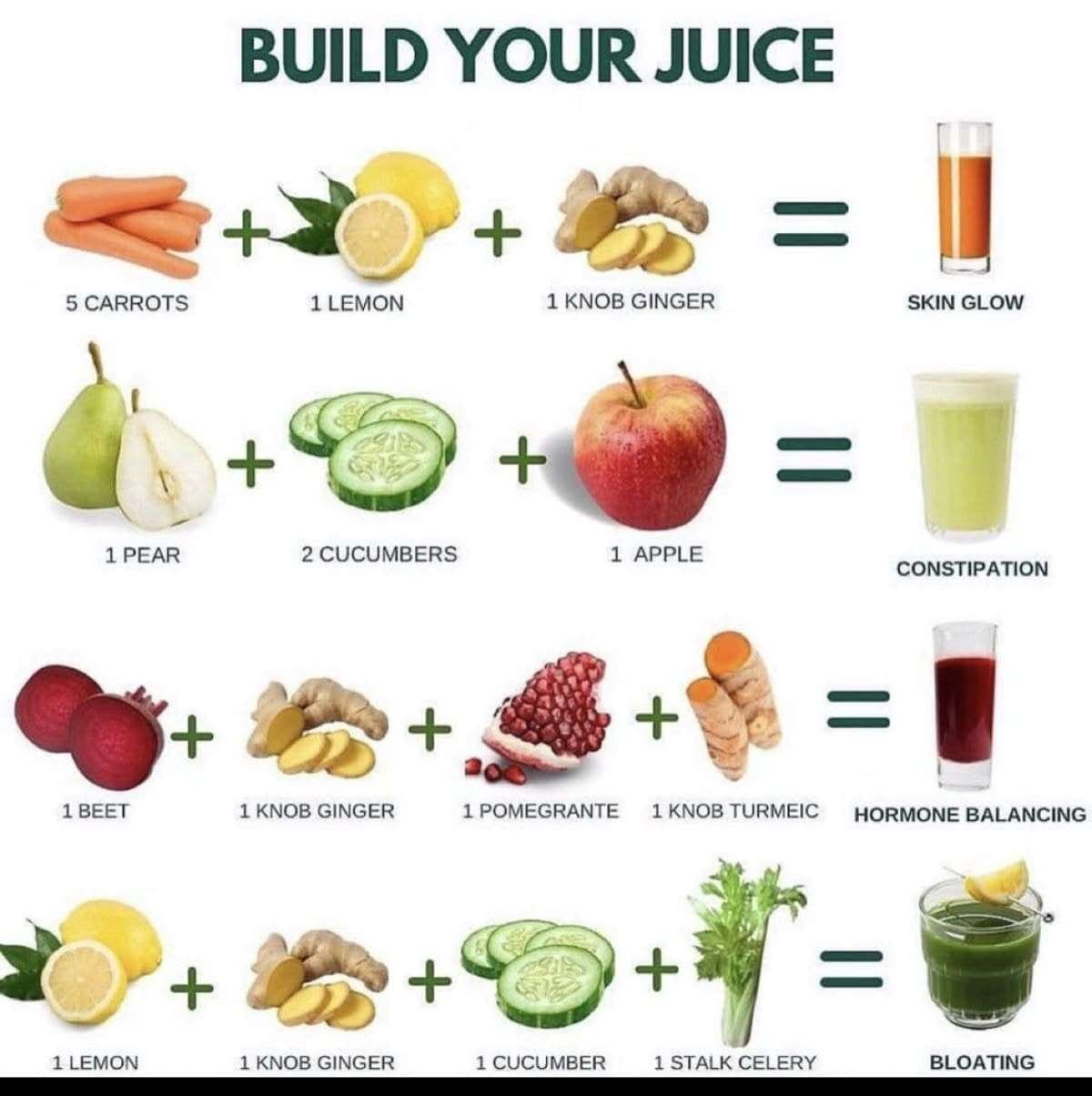
Simple Fresh Juice Recipes and Combinations
Using fresh ingredients is key, but combining them well makes great juice. These sample recipes show how freshness affects balance. Adjust amounts to taste and your juicer’s capacity.
Green Glow (antioxidant and mineral boost)
- 2 large handfuls of spinach or kale (fresh and crisp)
- 1 cucumber (firm)
- 1 green apple (firm)
- 1 stalk celery (crisp)
- 1/2 lemon, peeled Use fresh ingredients and juice immediately for a bright, green flavor.
Morning Citrus Cleanser (vitamin C rich)
- 2 oranges (heavy and fragrant)
- 1 grapefruit (ripe but firm)
- 1 small piece ginger (firm, aromatic) Juice citrus just before drinking; chill lightly for a refreshing boost.
Beet Energizer (earthy sweetness + nitrates)
- 1 medium beet (firm)
- 2 carrots (crisp)
- 1 apple (firm)
- 1 small piece of ginger Beets and carrots store well; use firm produce for the sweetest juice.
Berry Mint Refresher (summer favorite)
- 1 cup strawberries or mixed berries (plump, not mushy)
- 1 handful mint (bright green)
- 1/2 cucumber
- 1 lime Use ripe berries but avoid mushy ones. This will be best consumed immediately.
Troubleshooting Off Flavors in Juice
If your juice tastes off, consider these fixes.
- Sour or fermented flavor: Often from overripe or starting-to-spoil fruit. Discard and use fresher ingredients.
- Bitter green taste: Could be from old, wilted greens or stems. Use vibrant leaves and remove thick stems.
- Metallic taste: Ensure your juicer is clean and free of rust. Avoid putting too much citrus and iron-rich greens together in older juicers.
- Watery juice: Produce may be dehydrated or overripe. Choose heavier, juicier specimens.
Final Thoughts
Choosing the freshest ingredients for juicing makes a dramatic difference in flavor, nutrient content, and enjoyment. When you look for firmness, weight, vibrant color, and a fresh scent, you’ll consistently pick produce that makes better juices. Learn how to store, prepare, and handle different items, and use seasonal, local sources whenever possible.
With practice, you’ll develop an intuition for freshness and a routine that keeps your juice game strong — flavorful, nutritious, and satisfying every time.
Disclaimer
This content is for informational and educational purposes only and is not intended as medical advice. Always consult a qualified healthcare professional before making changes to your diet, especially if you have a medical condition, are pregnant, or are taking medication
As an Amazon Associate, we earn from qualifying purchases