
Juicing for Immunity
Juicing for immunity is a simple way to support your immune system with fresh, nutrient-rich ingredients. With the right recipes and routine, you can boost energy, support gut health, and add more vitamins to your day without complicated meal prep or extreme diets.
Most people searching for juicing for immunity want practical results, not theory. They’re looking for recipes that taste good, a simple routine they can stick to, and clear guidance on sugar, fibre, and storage without falling into detox hype or restrictive juice cleanse trends.
This guide brings everything together in one place: 12 proven juice recipes, a beginner-friendly routine, and clear advice on equipment, storage, and daily intake. It follows evidence-based guidance from trusted sources such as the CDC, NIH, and Harvard Health, focusing on realistic, sustainable juicing rather than extreme approaches.
Juicing for Immunity: What It Is and How It Helps
Juicing for immunity means extracting liquid from vegetables, fruits, and ingredients like ginger or turmeric to deliver concentrated vitamins, antioxidants, and hydration in an easy-to-drink form. It’s a practical option for people who struggle to eat enough produce, but it works best alongside balanced meals rather than replacing them completely.
The process is simple. Choose ingredients rich in immune-supporting nutrients like vitamin C, beta-carotene, and polyphenols. Build your juice with mostly vegetables, then add small amounts of fruit such as apple or orange for taste and balance. For best results, use a cold-pressed juicer or drink your juice within 24 hours to limit nutrient loss.
esearch suggests that slower juicing methods may preserve more heat-sensitive nutrients compared to high-speed machines. However, the biggest factor is not the machine — it’s how fresh your juice is and how quickly you drink it. Even the best juice loses value if it sits too long.
| Method | Nutrient Retention | Oxidation Time | Yield | Cost |
|---|---|---|---|---|
| Cold-pressed / masticating | Slightly better for some sensitive nutrients | Lower oxidation (24–72 hours) | Higher (especially greens) | Mid to premium |
| Centrifugal | Good overall | Best consumed same day | Lower on greens | Budget to mid |
The real benefit of juicing for immunity is simple: a fast way to increase nutrient intake, improve hydration, and support your immune system without overcomplicating your routine.
Key Nutrients That Support Juicing for Immunity
Juicing for immunity works because of a small group of key nutrients that support immune function and help manage inflammation. The most important include vitamin C, beta-carotene (vitamin A), vitamin E, polyphenols, natural nitrates from beetroot, and compounds like curcumin found in turmeric.
For example, most adults need around 75–90 mg of vitamin C per day. A single 250 ml juice made with orange, carrot, and ginger can easily meet or exceed that. Carrots are also rich in beta-carotene, which supports skin and respiratory health — both important parts of your body’s natural defence system.
One common mistake is ignoring fibre. Juicing removes most of it. A typical juice may contain only 0.5 to 2 grams of fibre, while the same ingredients eaten whole could provide 5 to 9 grams. That difference matters for digestion, blood sugar balance, and long-term gut health.
To balance this, keep it simple:
- Add leftover pulp into soups, oats, or cooking
- Pair your juice with fibre-rich foods like chia seeds, oats, nuts, or beans
- Focus on vegetable-heavy juices to reduce sugar intake
While nutrient-rich juices can support your immune system, they are not a cure. The real impact comes from consistent habits — a balanced diet, enough sleep, and overall lifestyle. Juicing should support that, not replace it.
Best Juicing for Immunity Recipes (12 Proven Options)
Juicing for immunity works best when recipes are simple, repeatable, and built around a clear goal. The recipes below are quick to make, use practical ingredient ratios, and deliver a solid mix of taste and nutrition without overcomplicating your routine.
Green Immunity Juice
- Ingredients: 2 kale leaves, 1 cup spinach, ½ cucumber, 1 green apple, ½ lemon, 15g ginger
- Yield: ~300 ml
- Best for: Antioxidants, vitamin C, skin support
- Prep: Juice greens first, then cucumber, apple, lemon, and ginger
- Tip: Works best with cold-pressed for higher yield; drink within 24 hours if using centrifugal
Citrus Ginger Zing
- Ingredients: 2 oranges, ½ grapefruit, 2 carrots, 12g ginger
- Yield: ~320 ml
- Best for: Energy and vitamin C boost
- Benefit: ~90–120 mg vitamin C per serving
- Tip: Drink immediately if using a centrifugal juicer
Turmeric Anti-Inflammatory Shot
- Ingredients: 60g carrot, 20g fresh turmeric, ½ lemon, pinch of black pepper
- Yield: ~60 ml
- Best for: Anti-inflammatory support
- Tip: Start small — turmeric can be strong on the stomach
Beet + Carrot Heart & Gut
- Ingredients: 1 small beet, 3 carrots, 1 apple, ½ lemon
- Yield: ~300 ml
- Best for: Circulation and gut support
- Benefit: ~110–140 calories per serving
- Tip: Good before exercise or a walk
Aloe Cucumber Soother
- Ingredients: 2 tbsp food-grade aloe vera gel, 1 cucumber, 1 pear
- Yield: ~280 ml
- Best for: Gut comfort, gentle digestion
- Tip: Only use food-grade, decolorized aloe — anything else, skip it
Celery Lime Refresher
- Ingredients: 4 celery stalks, 1 cucumber, ½ lime, 1 green apple
- Yield: ~300 ml
- Best for: Hydration with lower sugar
- Tip: Good afternoon option when energy dips
Carrot Orange Glow
- Ingredients: 4 carrots, 1 orange, ½ inch turmeric
- Yield: ~280 ml
- Best for: Skin support and immune health
- Key nutrient: Beta-carotene
Pineapple Mint Digestive
- Ingredients: 1 cup pineapple, 1 cucumber, 6 mint leaves, ½ lemon
- Yield: ~300 ml
- Best for: Digestion after meals
- Tip: Keep portions moderate — pineapple is higher in sugar
Tomato Pepper Savory Juice
- Ingredients: 2 tomatoes, 1 red bell pepper, 1 celery stalk, ½ lemon
- Yield: ~250 ml
- Best for: Vitamin C boost without sweetness
- Tip: Great alternative to fruit-heavy juices
Spinach Kiwi Lift
- Ingredients: 1 cup spinach, 2 kiwis, 1 cucumber, ½ lemon
- Yield: ~270 ml
- Best for: Vitamin C and energy support
- Tip: Pair with protein (eggs or yogurt) to balance blood sugar
Apple Cabbage Gut Support
- Ingredients: 1 cup green cabbage, 1 apple, 1 cucumber, ½ lemon
- Yield: ~300 ml
- Best for: Gut health and budget-friendly juicing
- Tip: Cabbage is cheap and underrated — use it more
Berry Beet Recovery Juice
- Ingredients: ½ cup strawberries, 1 small beet, 2 carrots, ½ apple
- Yield: ~260 ml
- Best for: Recovery and antioxidants
- Calories: ~95–120 per serving
Across these recipes, the pattern is clear: vegetable-heavy juices provide the best balance of nutrients, while fruit is used to improve taste and add targeted benefits like vitamin C. This approach keeps sugar lower, improves consistency, and makes juicing easier to stick to long term.
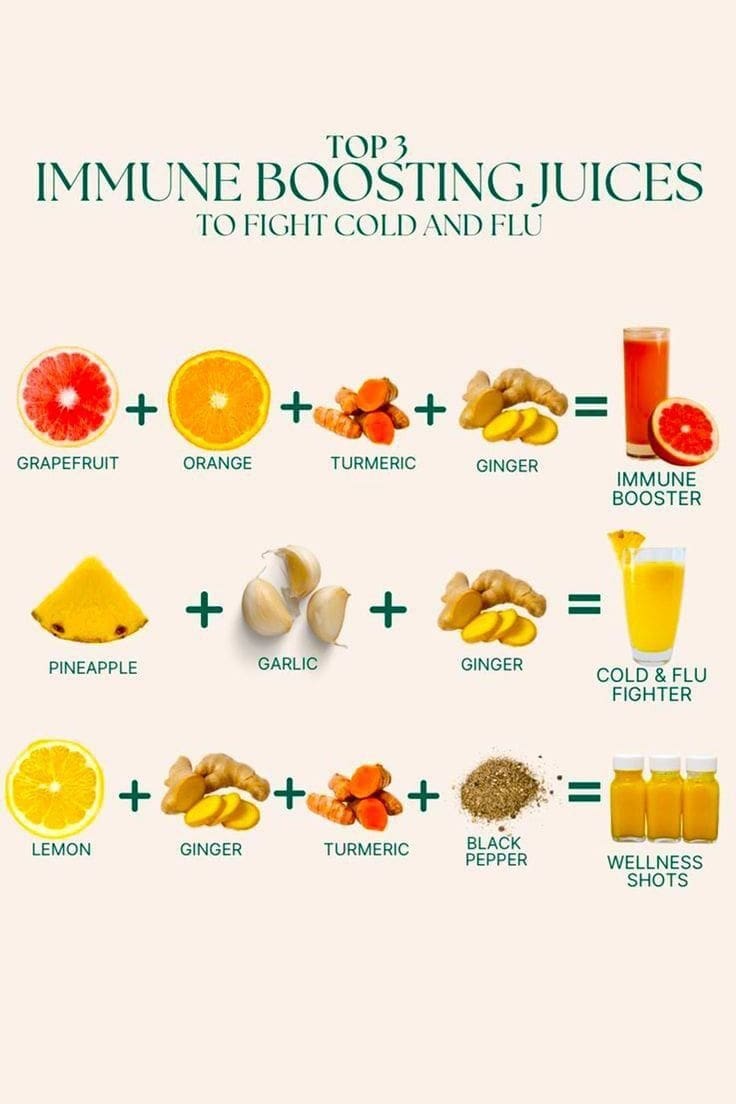
Juice Shots and Boosters: When to Use Them
Juice shots are small, concentrated servings (30–60 ml) made with strong ingredients like ginger, turmeric, wheatgrass, or lemon. They’re popular because they’re quick and easy — a simple option for people who don’t want to drink a full glass of juice every day.
They work best in a few situations: as a quick anti-inflammatory boost, a pre-workout kick, or a short-term habit during colder months. Some ingredients like ginger and turmeric have been studied for their potential benefits, but they still need to be used in sensible amounts — more is not better.
For most people, moderate use is key. Ginger and turmeric are powerful, but high amounts can irritate the stomach or interact with medications. If you’re on medication or have existing conditions, it’s worth being cautious.
Ginger Fire Shot
- Ingredients: 20g ginger, ½ lemon, 30g apple
- Best for: Quick immune and digestion boost
- Warning: Avoid if you have severe acid reflux (GERD)
Turmeric Pepper Shot
- Ingredients: 15g turmeric, 40g carrot, pinch of black pepper
- Best for: Anti-inflammatory support
- Warning: Use caution if on blood thinners
Wheatgrass Lemon Shot
- Ingredients: 30 ml wheatgrass juice, 10 ml lemon
- Best for: Chlorophyll and micronutrient boost
- Warning: Can cause nausea in some people
Store juice shots in airtight glass containers and use within 24–48 hours in the fridge. You can also freeze them in small portions for up to one month.
Juice shots can be a useful add-on, but they’re not a shortcut to better health. For juicing for immunity, they work best as small boosters alongside a balanced diet and consistent routine.
Cold-Pressed vs Centrifugal Juicing and Smoothies vs Juicing
When it comes to juicing for immunity, the best method depends on your goal, budget, and how you plan to use it. Some people want maximum nutrient extraction, others want speed and convenience, and some need something that can replace a meal.
| Method | Yield | Oxidation | Fiber | Best For | Cost |
|---|---|---|---|---|---|
| Cold-pressed / masticating | High | Lower | Low | Leafy greens, batch prep | £150 to £500+ |
| Centrifugal | Moderate | Higher | Low | Quick fruit and carrot juices | £50 to £180 |
| Hydraulic press | Very high | Very low | Low | Advanced cold-pressed users | £400 to £1,500+ |
| Blender / smoothies | N/A | Moderate | High | Meal replacement, gut health | £40 to £250 |
Smoothies and juicing serve different purposes. A typical juice may contain around 1 gram of fibre, while a smoothie made with the same ingredients can provide 6 to 8 grams. That makes smoothies better for fullness, digestion, and blood sugar control, while juices are lighter and easier to consume quickly.
Use smoothies when you want a meal replacement or need something more filling. Use juicing when you want a fast, nutrient-dense drink that’s easy to digest. Cold-pressed or masticating juicers are better for leafy greens and reducing waste, while centrifugal machines are fine for quick, everyday use.
The best long-term approach is not choosing one over the other, but using both. Juices give you a quick nutrient boost, while smoothies provide fibre and staying power — together, they create a balanced and practical routine.
How to Build a Juicing Schedule: Beginner Routine and Daily Intake
Most people don’t fail at juicing because of recipes — they fail because they don’t have a routine. Juicing for immunity becomes much easier when you decide your serving size, timing, and balance in advance.
A practical starting point is 150 to 350 ml per serving, with no more than 1 to 2 juices per day for most adults. This keeps sugar intake controlled while still giving you the benefits.
3-Day Starter Plan
Day 1: 1 juice with breakfast (green or carrot-based)
Day 2: 1 juice mid-morning + protein (eggs, yogurt, or nuts)
Day 3: 1 green juice after lunch instead of a sugary snack
7-Day Beginner Routine
Days 1–2: 1 juice with breakfast
Days 3–5: Add a second low-sugar juice after lunch
Days 6–7: Continue 1–2 juices daily and assess how you feel
Weekly Maintenance Plan
- 4 to 6 juices per week
- Usually 1 per day
- Include 1 rest day
- Include at least 1 smoothie day (for fibre balance)
For weight loss, juices work best as a controlled snack or breakfast boost — not as a full-day detox or aggressive juice cleanse.
Track these 3 things:
- Energy levels
- Digestion (bowel habits)
- Blood sugar (if applicable)
Example: Start with a green juice at breakfast for the first two days. From midweek, add a second juice after lunch. If energy improves but hunger increases, that’s a sign you need more protein or fibre — not more juice.
Juicers and Equipment: What to Buy and What to Skip
The best juicer isn’t the most expensive — it’s the one you’ll actually use. Many people quit juicing for immunity because they buy bulky machines that take too long to clean, then give up after a week.
Price Guide (2026)
- Budget: Handheld citrus press or basic centrifugal juicer ($20 to $120)
- Midrange: Slow masticating juicer ($150 to $350)
- Premium: Cold-press or hydraulic systems ($400 to $1,500+)
Recommended Setup by Level
- Beginner: Compact centrifugal (fast, simple, easy to start)
- Regular use: Slow masticating juicer (better for greens, less waste)
- Advanced: High-yield cold-press or hydraulic system (best performance, higher cost)
What to Compare Before Buying
- Yield: Dry pulp = less waste
- Noise: Centrifugal machines are louder
- Cleaning time: This matters more than anything (5 mins vs 15 mins decides consistency)
- Oxidation: Slower machines preserve nutrients slightly better
- Ingredients: Make sure it handles what you’ll actually use (greens, celery, carrots, fruit)
Budget Tips
- Buy refurbished models to save money
- Replace filters regularly to keep performance up
- Use a blender + nut milk bag if you’re starting cheap
- Test the habit for 2 weeks before upgrading
Start simple. If you can stick to juicing for two weeks with basic equipment, then upgrade. That approach saves money, reduces waste, and builds a routine that actually lasts.
Preparation, Storage, and How to Keep Nutrients Intact
Preparation is what makes juicing for immunity either easy or frustrating. Start with clean produce — wash everything under running water, even if you plan to peel it. Scrub firm vegetables like carrots and beets, and only peel when necessary, since many nutrients sit close to the skin.
Batch prep saves time. Cutting ingredients the night before and storing them in sealed containers can reduce morning prep from around 10–12 minutes to just 5. This small change makes daily juicing much easier to stick to.
Storage Rules
- Use airtight glass containers and fill them close to the top
- Cold-pressed juice: lasts 24–72 hours (depending on ingredients)
- Centrifugal juice: best consumed the same day (within 12–24 hours)
- Freeze juice shots in small portions for up to 1 month
Safety Considerations
Some groups need extra caution, including pregnant individuals, older adults, and those with weakened immune systems. Fresh juice is not sterile, so hygiene matters.
If needed, light pasteurisation can reduce risk: heating juice to about 71°C (160°F) for 15 seconds is a commonly used safety benchmark. This may slightly reduce some nutrients, but improves safety.
Always clean your juicer parts immediately after use — filters, blades, and pulp bins can quickly build bacteria if left unwashed. Consistent cleaning is just as important as the ingredients you choose.
Side Effects, Interactions, and Who Should Be Careful
Juicing for immunity is helpful, but it’s not risk-free. The most common issues include blood sugar spikes from fruit-heavy juices, low fibre intake affecting digestion, high oxalate intake from large amounts of certain greens, and potential interactions between foods and medications.
Common Risks to Watch
- Blood sugar spikes: Especially with fruit-heavy juices
- Low fibre: Can affect digestion and fullness
- Oxalates: High intake from spinach or beet greens may be an issue for some people
- Medication interactions: Grapefruit can interfere with certain drugs (e.g. statins)
If you have diabetes, focus on low-sugar vegetable juices and pair them with protein or fibre. A simple option is kale, cucumber, celery, spinach, and lemon, with only a small amount of apple if needed. Monitor blood sugar closely, especially if you use medication or insulin.
Juicing alone won’t significantly lower cholesterol. It can help increase vegetable intake, but long-term improvements depend on overall diet — especially fibre from foods like oats, beans, and nuts, along with reducing saturated fat.
Extended juice cleanses carry the highest risk. These can lead to low calorie intake, lack of protein, muscle loss, electrolyte imbalance, headaches, and dizziness. They are not a reliable or sustainable approach.
Warning Signs
Stop and seek medical advice if you experience:
- Weakness or fainting
- Heart palpitations
- Persistent diarrhoea or vomiting
- Unstable blood sugar
For most people, juicing works best as part of a balanced diet — not as an extreme or restrictive plan. Keeping it simple and consistent is far safer and more effective long term.
How to Fit Juicing Into a Healthy Lifestyle
Long-term success with juicing for immunity comes from consistency, not obsession. Juices work best as a small addition to your day — not a replacement for real meals. Whole foods still provide the protein, fibre, and calories your body needs.
Use juices where they fit naturally: with breakfast, after exercise, or as a mid-afternoon pick-me-up instead of sugary snacks. Keep it simple and repeatable.
Sample Day (2,000 kcal plan)
- Breakfast: 300 ml Carrot Orange Glow + eggs + wholegrain toast
- Lunch: Chicken, quinoa, mixed vegetables, olive oil
- Snack: Berry smoothie with yogurt and chia seeds
- Dinner: Salmon, sweet potato, broccoli
For weight loss, a small calorie deficit (around 300–500 kcal per day) is a common starting point. Juices can help, but they shouldn’t replace most meals. Focus on vegetable-based juices and keep protein intake high to stay full.
Different recipes support different goals. Carrot, citrus, cucumber, and red pepper blends are useful for skin health. Beet, orange, ginger, and kiwi combinations can support energy. Most people start noticing small improvements in energy or digestion within 2 to 6 weeks, especially when sleep and overall diet improve too.
Example:
A typical routine might include one green juice at the start of the week and a beet-based juice later on. Combined with better food choices and fewer sugary drinks, this can lead to steadier energy within a few weeks — not dramatic, but sustainable.
Final Thoughts
Juicing for immunity works best when it’s simple, consistent, and part of a balanced routine. Focus on vegetable-based recipes, keep sugar under control, and use juice as a support tool — not a replacement for real food.
Start small, stick to a few recipes, and build from there. The goal isn’t perfection — it’s a routine you can actually maintain.
Frequently Asked Questions
What juice is good for gastritis?
Low-acid blends are usually easiest on the stomach. Aloe-cucumber-pear or diluted carrot-celery juice are better tolerated than citrus, tomato, or high-ginger drinks. If symptoms persist, speak to a clinician.
What is the best green juice for diabetics?
A vegetable-based mix works best: kale, cucumber, celery, spinach, and lemon, with only a small amount of apple if needed. Pair with protein or fibre to reduce blood sugar spikes.
Can juicing help lower cholesterol?
Juicing can support a healthy diet, but it’s not a stand-alone solution. The biggest impact comes from fibre, whole foods, and reducing saturated fat.
Can diabetics do a juice cleanse?
In most cases, no — not without medical supervision. Juice cleanses can cause unstable blood sugar levels and are not recommended.
How often should I drink immunity juices?
Most adults do well with 1 to 2 juices per day (150–350 ml each). Consistency matters more than quantity.
Key Takeaways
- Juicing for immunity works best alongside whole-food meals, not as a replacement
- Vegetable-heavy juices keep sugar lower and nutrients higher
- A simple routine is 1 to 2 juices per day, paired with protein or fibre
- Masticating juicers are better for greens, but any juicer works if used consistently
- People with medical conditions or medications should take extra care
Disclaimer
This content is for informational purposes only and is not intended as medical advice. Always consult a qualified healthcare professional before making changes to your diet, especially if you have a medical condition, are pregnant, or are taking medication.
Want a Simple Done-For-You Plan?
If you want a simple, ready-made plan, check out:
👉 Juicing for Immunity: Natural Juice Recipes for Immune Support
As an Amazon Associate, we earn from qualifying purchases.